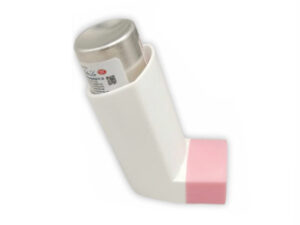
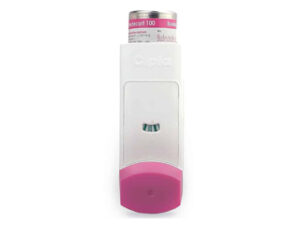
Budesonide + Formoterol Rotacaps (Inhaler) – Patient Information (Australia)
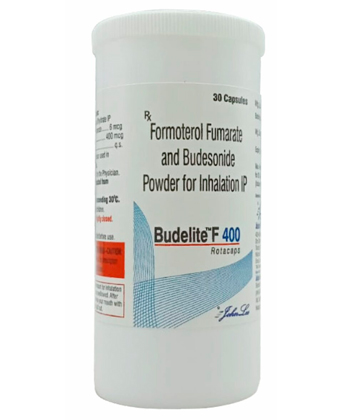
Budesonide formoterol Rotacaps are inhaled medicines used to control symptoms and reduce the risk of flare-ups in people with certain chronic lung conditions. The Rotacap format is designed for use with a specific inhalation device, delivering medicine directly to the airways.
This page is written to help you understand how the medicine works, how to use it safely, and what to expect. Always follow the instructions provided by your healthcare professional and the product label.
Basic product information
| Product name | Common components | Form | How it’s taken | Typical conditions |
|---|---|---|---|---|
| Budesonide/Formoterol Rotacaps | Budesonide (inhaled corticosteroid) + Formoterol (long-acting bronchodilator) | Rotacaps (capsules for inhalation via device) | Inhaled using the Rotacap inhaler device | Asthma; COPD (varies by product and local guidance) |
- Strengths: Available in different strengths depending on brand/market presentation. Check the package for the exact dose (e.g., budesonide micrograms per actuation and formoterol micrograms per actuation).
- Device: Rotacaps are used with a dedicated inhalation device. Do not swallow the capsule.
- Who it suits: People who need both anti-inflammatory treatment (budesonide) and ongoing airway relaxation (formoterol).
How it works (mechanism of action)
Budesonide and formoterol target two key parts of airway disease:
-
Budesonide (a corticosteroid):
- Reduces airway inflammation and swelling.
- Helps decrease mucus production and airway hyper-responsiveness.
- Works gradually over days to weeks for best control.
-
Formoterol (a long-acting beta2-agonist, LABA):
- Relaxes smooth muscle in the airways.
- Improves breathing by opening the airways.
- Has a relatively fast onset compared with some other LABAs.
Together, they help control symptoms, improve lung function, and reduce exacerbations (flare-ups) for the relevant conditions.
Typical use and timing
Budesonide/formoterol Rotacaps are usually taken regularly to maintain control—not only when you feel unwell. Your prescribed regimen may differ based on your condition, severity, and personal response.
Common timing patterns
- Once or twice daily dosing schedules are used in different products and treatment plans.
- Try to take your doses at consistent times each day (e.g., morning and evening).
- If you forget a dose, take it when you remember unless it’s close to the next dose—then skip the missed dose and continue as normal.
Onset and when you may feel benefits
- Formoterol can start improving breathing relatively quickly after inhalation.
- Budesonide improves inflammation over time; you may notice symptom improvement over several days, with fuller benefit over weeks.
Indications (what it’s used for)
Budesonide/formoterol combinations are used in Australia for:
- Asthma (to help control symptoms and prevent exacerbations in people who require maintenance therapy with both an inhaled corticosteroid and a long-acting bronchodilator).
- COPD in selected patients (where combination maintenance therapy is appropriate).
Eligibility depends on your diagnosis, symptom pattern, lung function, and how well you respond to other treatments.
Dosing (general guidance)
The exact dose depends on the product strength and your personal treatment plan. Always follow the dosing instructions on the packaging or from your healthcare professional.
- Do not change your dose without advice.
- Do not take extra doses beyond what’s recommended for routine use.
- If you need frequent “extra” relief, speak to your clinician—your asthma plan may need adjustment.
Practical dosing approach
Many regimens are based on:
- Severity/control goals
- How often symptoms occur
- Risk of flare-ups
- Response to previous inhaled treatments
Mechanism-related pharmacokinetics (how the body handles it)
Pharmacokinetics describes what happens after inhalation: absorption, distribution, metabolism, and elimination. Because Rotacaps are inhaled, a portion of the medicine deposits in the lungs while some may be swallowed and absorbed from the gastrointestinal tract.
Absorption
- Inhaled deposition: Most of the intended effect comes from medicine reaching the airways and lung tissue.
- Swallowed fraction: Some inhaled medicine may enter the throat and be swallowed; it can be absorbed after that.
Distribution
- Both components distribute throughout the body to varying degrees after absorption. Clinical effect is primarily local in the lungs.
Metabolism
- Budesonide is extensively metabolised in the body (primarily by liver enzymes).
- Formoterol is also metabolised, producing metabolites that are eliminated.
Elimination
- Metabolites and any absorbed drug are cleared through the body, primarily via the urine and faeces (depending on the specific metabolite).
Kidney or liver impairment: The clinical impact can vary between individuals. If you have significant liver disease or other major medical conditions, talk to your doctor or pharmacist.
Food interactions
For inhaled budesonide/formoterol, food interactions are generally not a major concern. The medicine is delivered to the lungs, and local effects dominate.
- There are typically no specific food restrictions with this inhaler.
- To reduce oral side effects, many clinicians recommend rinsing your mouth or brushing teeth after using inhaled corticosteroids.
Tip: Rinse your mouth after each dose to help reduce the risk of oral thrush and hoarseness.
Alcohol interactions
Alcohol may worsen breathing symptoms in some people (especially if you experience breathlessness, reflux, or sleep-related breathing issues). However, for budesonide/formoterol, a direct strong interaction with alcohol is not commonly expected.
- Moderation is sensible, particularly if alcohol triggers reflux or coughing.
- If you notice that alcohol makes your breathing worse, discuss it with your healthcare professional.
Medicine interactions (important)
Many medicines can affect heart rhythm, blood potassium, or the response of beta2 receptors. Tell your pharmacist or doctor about all medicines you use, including over-the-counter products and herbal supplements.
Key interaction considerations
-
Beta-blockers (including some eye drops):
- Some beta-blockers may reduce the effect of formoterol.
- Non-selective beta-blockers are of particular concern.
- If you use beta-blockers, confirm with your doctor/pharmacist.
-
Other asthma/COPD relievers:
- Using multiple bronchodilators can affect side effects like tremor, fast heartbeat, or low potassium.
- Ensure you know which inhaler is for routine maintenance and which is for quick relief.
-
Medicines that can lower potassium:
- Diuretics (“water tablets”) and some other medicines may increase the risk of low potassium, particularly if higher doses of beta2 agonist are used.
-
Some antidepressants and other medicines affecting rhythm:
- In combination with beta agonists, there can be an additive effect on heart rate or rhythm in susceptible individuals.
-
Antifungal/antibiotic medicines and liver enzyme inhibitors:
- Because budesonide is metabolised by liver enzymes, certain strong inhibitors may increase budesonide exposure.
- Clinicians may monitor you more closely or adjust therapy depending on the situation.
Always seek advice if you are starting or stopping any medicine while using budesonide/formoterol.
Safety profile (what to watch for)
Like all medicines, budesonide/formoterol Rotacaps can cause side effects. Many people tolerate it well, especially when used correctly and at the prescribed dose.
Common side effects
- Throat irritation or cough
- Hoarseness
- Oral thrush (a fungal infection in the mouth) — risk is reduced by rinsing your mouth after use
- Headache
- Tremor (fine shaking), often mild
- Palpitations or a faster heartbeat
- Muscle cramps (uncommon)
Less common but important risks
-
Worsening breathing (paradoxical bronchospasm):
- Rarely, inhaled medicines can cause sudden tightness in the airways.
- If this occurs, stop and seek urgent medical advice.
-
Low potassium (hypokalaemia):
- More likely with higher doses, frequent use, or certain interacting medicines.
- Symptoms can include weakness or cramps.
-
Systemic corticosteroid effects:
- Inhaled steroids generally have fewer whole-body effects than tablets, but high doses or long-term use can still contribute to risks.
- Examples may include effects on bone density, bruising, cataracts, or adrenal suppression (uncommon at standard doses, but discuss if you use higher-than-usual doses).
-
Infection risk:
- Inhaled steroids can slightly increase susceptibility to infections such as oral thrush.
- Seek advice if you suspect infection.
When to seek urgent help
- Severe or rapidly worsening shortness of breath
- Chest pain, fainting, or severe palpitations
- Swelling of face/lips, hives, or difficulty breathing (possible allergic reaction)
- Signs of severe infection, or if you cannot speak comfortably due to breathlessness
Practical use tips (how to get the best results)
Correct inhaler technique is essential for getting the medicine where it needs to go. Poor technique can reduce effectiveness and increase side effects.
General technique principles
- Use the correct device specified for Rotacaps.
- Do not swallow the Rotacap capsule.
- As directed, load the capsule into the inhaler, close the device, and inhale properly to release the medicine.
- Coordinate inhalation: breathe in with the right speed and depth as instructed for your device.
- Keep a steady breath-hold if your device instructions recommend it.
After inhaling
- Rinse and spit after use to lower the risk of thrush and hoarseness.
- Wipe the mouthpiece if needed and keep the device clean as per manufacturer instructions.
Device care and capsule handling
- Store Rotacaps as directed on the pack (typically protected from moisture).
- Only remove a capsule from the blister immediately before use.
- Check that capsules are not damaged or discoloured.
If you’d like, ask your pharmacist to observe your inhaler technique and confirm you’re using it correctly.
Alternative options
If budesonide/formoterol Rotacaps don’t suit you, there may be alternative inhaled therapies depending on your diagnosis and previous treatments. Options may include:
- Other inhaled steroid/LABA combinations (different molecules or inhaler styles)
- Inhaled corticosteroid alone in some asthma plans
- Other long-acting bronchodilators for COPD (e.g., LAMA or different LABA regimens)
- Different inhaler devices (e.g., metered-dose inhalers, breath-activated dry powder inhalers), which may be easier for some people
Your healthcare professional can help you decide based on symptom control, lung function, side-effect risk, and inhaler technique.
Australia: market and legal context
In Australia, inhaled medicines like budesonide/formoterol are regulated and supplied in accordance with the Therapeutic Goods Administration (TGA) requirements and the Australian Prescription Medicines and Scheduling framework (where applicable). Availability may depend on the registered product, strength, and local prescribing/supply rules.
- Medicines must be supplied under the appropriate legal channel and documentation.
- Online pharmacies typically provide information to support safe selection and appropriate use.
- Always ensure you have the correct product strength for your treatment plan.
Guidance for asthma and COPD management is regularly updated by Australian respiratory and primary care bodies. Your clinician may adjust therapy based on the latest evidence and national recommendations.
Recent guidance (what clinicians commonly consider)
Recent Australian and international respiratory guidance has increasingly focused on:
- Individualised step-up and step-down of controller therapy based on symptom control and exacerbation history.
- Inhaler technique assessment as a routine part of follow-up.
- Reducing exacerbations by optimising inhaled anti-inflammatory treatment and ensuring adherence.
- Monitoring for side effects from long-term inhaled steroid use (e.g., thrush, hoarseness).
- For asthma, ensuring patients have an appropriate reliever plan alongside maintenance therapy.
If you’re newly starting budesonide/formoterol or changing strengths, follow up with your healthcare professional can help ensure you’re on the right regimen.
Delivery and availability
Availability of budesonide/formoterol Rotacaps can vary by:
- Strength and brand
- Stock levels with suppliers
- Packaging size
- Regional delivery arrangements
When ordering online, check:
- Product strength and quantity (number of capsules)
- Expiry date (where shown)
- Correct device compatibility (Rotacaps require a Rotacap inhaler)
Typical shipping times depend on your location and the pharmacy’s dispatch schedule. If urgent treatment is needed, contact customer support before placing an order.
FAQ
1) Are Budesonide/Formoterol Rotacaps the same as a reliever inhaler?
No. Budesonide/formoterol is generally used as maintenance controller therapy to keep symptoms under control. A separate reliever medicine may be used for sudden symptoms depending on your asthma/COPD plan. Ask your clinician which reliever you should use.
2) How quickly will it start working?
Formoterol can provide symptom relief relatively quickly after inhalation, while budesonide’s anti-inflammatory benefits usually build over days to weeks.
3) Should I rinse my mouth after using it?
Yes. Rinsing your mouth (and spitting) after inhalation helps reduce the risk of oral thrush and hoarseness associated with inhaled corticosteroids.
4) What if I miss a dose?
Take it when you remember unless it’s near the time of your next dose. Do not double up to make up for a missed dose. If you’re unsure, ask your pharmacist.
5) Can I use it during an asthma or COPD flare-up?
For sudden worsening symptoms, your action plan should specify a reliever. Maintenance inhalers help with long-term control, but flare-ups may require additional treatment. If symptoms rapidly worsen, seek medical advice urgently.
6) Are there restrictions with food or beverages?
Food interactions are generally not significant for this inhaled medicine. Still, avoid leaving medicine in your mouth—rinse after use.
7) Can I drink alcohol while using it?
There is no common direct alcohol interaction for inhaled budesonide/formoterol, but alcohol can worsen breathing in some people. If you notice symptom worsening after alcohol, discuss it with your healthcare professional.
8) What side effects are most common?
Common side effects include hoarseness, throat irritation, oral thrush (reduced by rinsing), mild tremor, and palpitations. Contact a healthcare professional if side effects are persistent or severe.
9) What should I do if I think I have thrush?
Symptoms may include white patches in the mouth, soreness, or altered taste. Seek advice promptly. Continue your inhaler unless told otherwise, and emphasise mouth rinsing after doses.
10) Can other medicines interact with it?
Yes. Beta-blockers, certain heart rhythm medicines, diuretics (especially if potassium levels are affected), and strong liver enzyme inhibitors may influence safety or effectiveness. Tell your pharmacist about all medicines you use.
Important: This information is designed to support safe use and understanding. It does not replace advice from your healthcare professional. If you have questions about the right strength, technique, or a plan for worsening symptoms, speak with your pharmacist or doctor.