Trileptal (Oxcarbazepine) – Patient Guide (Australia)
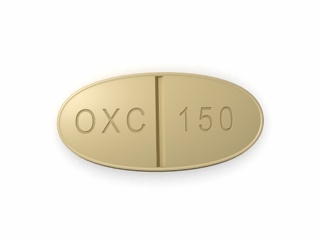
Trileptal is the brand name for oxcarbazepine, a medicine used to help control certain types of seizures and epilepsy. This guide explains how Trileptal works, how it’s usually taken, key safety information, and practical tips for everyday use in Australia.
Note: Medicines may differ between individuals. Always follow the advice of your healthcare professional and the product information supplied with your medicine.
Basic product information
| Item | Details |
|---|---|
| Brand name | Trileptal |
| Active ingredient | Oxcarbazepine |
| Common forms | Tablets; oral suspension (liquid) depending on local availability |
| Therapeutic use | Seizure control (epilepsy; specific seizure types) |
| Medicinal class | Antiepileptic (antiepileptic/anticonvulsant) medicine |
| Country market | Available in Australia under established regulatory frameworks |
How Trileptal works (mechanism of action)
Oxcarbazepine belongs to the group of medicines that reduce abnormal electrical activity in the brain. After you take it, oxcarbazepine is converted in the body to its active metabolite (called MHD, mainly responsible for much of its effect).
Trileptal helps stabilise nerve cell activity by:
- Blocking voltage-sensitive sodium channels, which reduces repetitive firing of neurons.
- Modulating calcium and potassium-related neuronal signals, helping limit seizure spread.
The overall effect is improved seizure control for people with appropriate seizure types.
Pharmacokinetics (how the body handles the medicine)
Pharmacokinetics describes what the body does to a medicine: absorption, distribution, metabolism, and excretion.
- Absorption: Oxcarbazepine is absorbed after oral dosing. Peak levels of the active metabolite (MHD) are typically reached within a few hours (often around 2–3 hours) in many patients.
- Metabolism: Oxcarbazepine is largely metabolised to MHD. Little unchanged oxcarbazepine is usually found in blood compared with MHD.
- Protein binding: The active metabolite binds partially to plasma proteins.
- Elimination: MHD is mainly cleared by the kidneys. In practice, kidney function can influence exposure.
- Half-life: The active metabolite generally has a half-life of roughly 8–13 hours depending on the individual, which is one reason it is commonly taken twice daily.
People with reduced kidney function may require closer dose adjustment and monitoring.
Typical use and indications
Trileptal is used as an anticonvulsant for seizure disorders. Indications can vary by formulation and regulatory updates, but typically include:
- Focal (partial) seizures, with or without impairment of awareness, in patients requiring seizure control.
- Adjunctive therapy (added to other antiepileptic medicines) or monotherapy (used alone) depending on the patient population and local product information.
Use may depend on seizure type, age, and clinical history. Your healthcare team can confirm whether Trileptal is appropriate for you.
Dosing overview: timing, start, and ongoing schedule
Dosing must be individualised. The information below is general and not a substitute for personal medical advice.
When you start
- Many people begin with a lower dose and gradually increase to help improve tolerability.
- This gradual titration approach can reduce side effects such as dizziness or sleepiness.
How it is usually taken
- For many patients, oxcarbazepine is taken twice daily (morning and evening), spaced about 12 hours apart.
- Your clinician may tailor dosing for children, older adults, or those with kidney concerns.
If you miss a dose
- Take it when you remember unless it’s nearly time for the next dose.
- Do not double up to “catch” missed doses.
- If you regularly miss doses, discuss options with your healthcare professional (e.g., dose timing, reminder systems, or formulation).
Practical timing tips
- Try to take doses at consistent times (e.g., after breakfast and after dinner).
- If you feel drowsy after a dose, note the time and discuss with your healthcare professional—sometimes adjustment can help.
- Keep a diary during the first few weeks, especially after dose changes.
Food interactions: can you take Trileptal with meals?
Trileptal can generally be taken with or without food. Food is not typically expected to significantly alter the medicine’s overall effect for most people.
Tip: Taking it consistently the same way each day (e.g., always with breakfast and dinner, or always on an empty stomach) can support routines and help you remember doses.
Alcohol interactions
Alcohol may worsen side effects of oxcarbazepine, particularly:
- Dizziness
- Drowsiness
- Impaired coordination
- Blurred vision
Combining alcohol with Trileptal may increase the risk of falls and accidents. Many patients are advised to avoid or minimise alcohol, especially when starting treatment or after dose changes.
If you drink alcohol, discuss a safe approach with your healthcare professional.
Medicine interactions (including common Australian OTC products)
Oxcarbazepine can interact with other medicines. Interactions may affect:
- Seizure control (too little or too much medicine activity)
- Side effects (increased drowsiness, dizziness, or other adverse effects)
- Blood sodium levels (particularly relevant for oxcarbazepine)
Important interaction themes
- Other antiepileptics: Some antiepileptic medicines can change how oxcarbazepine and its metabolite behave in the body, and vice versa. Clinicians may need dose adjustments and blood monitoring.
- Medicines that affect sodium: Oxcarbazepine can lower blood sodium (hyponatraemia). Caution is often needed if you also take medicines that lower sodium (such as certain diuretics or other agents associated with hyponatraemia).
- Hormonal contraception: Some antiepileptic medicines can reduce effectiveness of hormonal contraceptives. Oxcarbazepine may be relevant in this context; discuss contraception options with your healthcare professional.
- CNS depressants: Medications that cause sleepiness (for example, some sleep medicines, sedating antihistamines, or anxiety medications) may add to drowsiness and dizziness.
What to do
- Provide a complete list of all medicines and supplements to your pharmacist or doctor.
- Include over-the-counter products and herbal supplements.
- Don’t start or stop any medicine suddenly without medical guidance.
Urgent note: If you develop severe drowsiness, confusion, fainting, or worsening seizures, seek urgent medical help.
Safety profile: what to watch for
Many people tolerate Trileptal well, but like all medicines, it can cause side effects. Some adverse effects may be dose-related, especially early in treatment or after dose changes.
Common or relatively frequent side effects
- Dizziness
- Drowsiness or fatigue
- Headache
- Nausea
- Visual disturbances (e.g., blurred vision, double vision)
- Unsteadiness or balance problems
Less common but important risks
- Hyponatraemia (low blood sodium): This is a known risk. It can be serious. Symptoms may include headache, nausea, confusion, extreme tiredness, muscle weakness, or in severe cases seizures.
- Rash and hypersensitivity reactions: Seek prompt medical advice if you develop a new rash, swelling, blistering, or breathing difficulties.
- Blood count changes: Rarely, some blood abnormalities may occur. If you develop unusual bruising, infections, or persistent fever, consult a clinician.
- Liver-related issues: Rare. Report symptoms such as yellowing of the skin/eyes, dark urine, or persistent nausea with abdominal pain.
Seek urgent medical care if
- You have trouble breathing, swelling of the face/lips, or a rapidly spreading rash.
- You experience severe confusion, fainting, or a marked drop in alertness.
- Symptoms of severe hyponatraemia occur (e.g., severe headache, vomiting with confusion, seizures that are new or different).
- Your seizures worsen significantly or you have prolonged seizures.
Practical use tips for everyday life
1) Be consistent with dosing
- Use a pill organiser or smartphone reminder.
- If taking liquid, measure carefully using the provided dosing syringe/cup and shake well if required by the product instructions.
2) Review safety around driving and machinery
Because oxcarbazepine can cause dizziness or drowsiness, it may affect your ability to drive or operate machinery. In Australia, driving eligibility may depend on seizure control and side effects. Follow advice from your healthcare professional and relevant state transport requirements.
3) Monitor for early warning signs
- When starting or increasing the dose, pay attention to new symptoms such as persistent nausea, unusual tiredness, worsening headaches, or confusion.
- Report visual changes, unsteadiness, or significant fatigue promptly.
4) Keep regular follow-ups
Clinicians may monitor blood sodium levels and overall clinical response. This helps ensure safety and effective seizure control.
5) Don’t stop suddenly
Stopping antiepileptic medicine abruptly can increase the risk of seizures. If you’re considering stopping, it should be done with a plan from your healthcare professional.
Pharmacological considerations in special populations
- Older adults: Older patients may have a higher risk of hyponatraemia and side effects due to age-related changes in kidney function and sensitivity to medicines.
- Kidney impairment: Dose adjustments and monitoring may be needed for reduced kidney function. Follow local product guidance.
- Children: Dosing depends on age and weight. Liquid formulations may be used for flexibility. Close monitoring is important.
- Pregnancy and breastfeeding: If you are pregnant, planning pregnancy, or breastfeeding, discuss the risks and benefits with your healthcare professional. Seizure control is important, but medicine selection and dose may require careful planning.
Alternative options to consider
There are multiple medicines used to treat focal seizures and epilepsy. Alternatives may include other antiepileptic drugs such as:
- Levetiracetam
- Lamotrigine
- Carbamazepine
- Topiramate
- Valproate (where appropriate; may have specific limitations depending on patient factors)
Your healthcare professional may suggest alternatives based on seizure type, previous response, side effects, co-existing conditions, age, kidney function, and potential drug interactions.
Important: Do not switch medicines without medical guidance, as changes in dose and seizure risk may require careful transition planning.
Australia market and legal/regulatory context
In Australia, medicines like Trileptal are supplied under the national medicines regulatory framework. Trileptal is commonly handled through established pharmacy supply systems and may be classified as a controlled medicine depending on local scheduling and formulation. Your pharmacist can explain availability, ordering processes, and documentation requirements.
Pharmacy supply: Online and traditional pharmacy services generally follow Australian regulations for verified patient details and appropriate dispensing practices.
Local product information: Always refer to the product leaflet and the latest information provided through official channels (such as the Australian medicines regulator and manufacturer communications) for the most accurate safety updates.
Recent guidance and monitoring (what patients should know)
Because oxcarbazepine is associated with risks like hyponatraemia and potential hypersensitivity reactions, clinical practice guidance commonly focuses on:
- Monitoring sodium levels, especially when starting treatment, after dose increases, or in higher-risk groups (older adults, those on diuretics, or those with kidney issues).
- Watching for skin reactions and symptoms that could indicate serious hypersensitivity.
- Reviewing drug–drug interactions at initiation and during therapy (including OTC and supplements).
- Ensuring adherence and providing patient education to reduce missed doses.
For the most current safety bulletins and local advice, your healthcare professional and pharmacist can guide you to official updates.
Delivery and availability in Australia
Availability can depend on local supply schedules and the specific formulation (tablets versus oral suspension). Many Australian online pharmacies can:
- Confirm stock for your specific strength and dosage form
- Arrange home delivery to eligible addresses
- Provide tracking updates and estimated delivery times
Delivery tips:
- Check your delivery address carefully to avoid delays.
- If you require signatures or have delivery constraints, ensure your account details are correct.
- If you need urgent supply, contact the pharmacy support team—alternatives or partial supply options may be discussed where permitted.
Storage: Store Trileptal according to the package directions (often at controlled room temperature, away from moisture and out of reach of children). Do not use after expiry date.
FAQ
Is Trileptal the same as oxcarbazepine?
Yes. Trileptal is the brand name, and oxcarbazepine is the active ingredient.
What type of seizures is Trileptal used for?
Trileptal is commonly used for focal (partial) seizures, with or without impairment of awareness, depending on the patient and local indication details.
How long does it take to work?
Some people notice effects within days to weeks, while full seizure control can take longer—especially during dose titration. Your clinician may adjust dose based on response and tolerability.
Can I take Trileptal with food?
In most cases, yes. Trileptal is generally taken with or without food. Consistency with meal timing may help your routine.
Can I drink alcohol while taking Trileptal?
It’s usually advised to avoid or minimise alcohol because it can worsen dizziness, drowsiness, and coordination problems. Ask your pharmacist or doctor for personalised advice.
What is hyponatraemia and why is it important?
Hyponatraemia means low sodium in the blood. It can be serious and may cause symptoms such as confusion, severe tiredness, headache, nausea, or muscle weakness. People with higher risk factors may need blood testing and closer monitoring.
How do I manage missed doses?
Take the missed dose when you remember unless it’s close to the next dose. Don’t double up. If missed doses happen often, speak with your healthcare professional for strategies to improve adherence.
Are there alternatives if Trileptal doesn’t suit me?
Yes. Other antiepileptic medicines may be appropriate depending on your seizure type and medical history. Your healthcare professional can help weigh benefits and side effects and guide any transition plan.
Can Trileptal interact with other medicines?
Yes. Oxcarbazepine can interact with some antiepileptic drugs, medicines that affect sodium levels, and drugs that cause drowsiness. Always share your full medicine list with your pharmacist.
What should I do if I develop a rash?
Stop and seek prompt medical advice if you develop a new rash—especially if it is severe, blistering, includes swelling, or comes with fever or breathing difficulty. Some rashes can be serious.
Is it safe to stop Trileptal suddenly?
No. Stopping suddenly can increase seizure risk. If you’re concerned about side effects or wish to change treatment, discuss a planned approach with your healthcare professional.
For more information: Speak with your pharmacist or healthcare professional for advice tailored to you. If you experience severe symptoms or worsening seizures, seek urgent medical help.