Terramycin® (Oxytetracycline) – Patient Information for Australia
Terramycin® contains oxytetracycline, a medicine from the tetracycline antibiotic group. It has been used for many years to treat infections caused by susceptible bacteria. This guide is written to be patient-friendly and focuses on how the medicine works, how it is taken, key safety points, and what to consider in everyday life.
Important: Always follow the directions provided by your healthcare professional and the product label. If you are unsure about how to take Terramycin, ask your pharmacist.
1) Basic product information
- Medicine name: Terramycin®
- Active ingredient: Oxytetracycline
- Drug class: Tetracycline antibiotic
- Uses: Bacterial infections (see “Indications”)
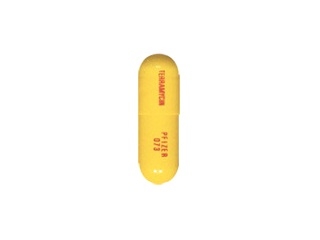
- Common dosage forms: Tablets and capsules are commonly available; other formulations may exist depending on brand/market
- Brand variations: Different brands may contain oxytetracycline; always check the ingredient and strength on the label
2) How Terramycin works (Mechanism of action)
Oxytetracycline works by interfering with bacterial protein production. Bacteria need proteins to grow and multiply. Oxytetracycline binds to the bacterial ribosome (a cellular “protein factory”), blocking the attachment of new amino acids during translation.
The result is inhibition of bacterial growth. In many situations, the body can then clear the infection more effectively as the bacteria cannot reproduce.
- Bacteriostatic action: It mainly stops bacterial growth rather than directly killing them instantly.
- Activity depends on susceptibility: Effectiveness depends on the bacteria being sensitive to oxytetracycline.
3) Pharmacokinetics (Absorption, distribution, metabolism, elimination)
Understanding how a medicine moves through the body can help you take it correctly and avoid interactions. While individual results vary, the typical pharmacokinetic behaviour of tetracyclines includes:
- Absorption: Oxytetracycline is absorbed from the gastrointestinal tract, but absorption can be reduced by certain foods and minerals (especially calcium, iron, magnesium, aluminium and zinc).
- Distribution: It can distribute into many body tissues and fluids. It may concentrate in bone and teeth during growth.
- Metabolism: Limited metabolism occurs in the body.
- Elimination: The medicine is mainly eliminated through the kidneys (urine). Kidney function influences clearance.
- Bone and teeth binding: Like other tetracyclines, oxytetracycline can bind to calcium-containing tissues.
Because absorption is sensitive to minerals, it’s essential to take oxytetracycline at the recommended times and avoid taking it with dairy or mineral supplements (see “Food interactions”).
4) Typical uses (Indications) in everyday language
Terramycin (oxytetracycline) may be used to treat infections caused by bacteria that are susceptible to the medicine. Depending on local practice and product availability, oxytetracycline may be used for certain conditions such as:
- Skin and soft tissue infections caused by susceptible organisms
- Respiratory tract infections where tetracycline-susceptible bacteria are involved
- Some sexually transmitted infections when caused by susceptible organisms (treatment plans vary)
- Other bacterial infections where oxytetracycline is considered appropriate by a clinician
Note: Antibiotic choice depends on the suspected organism, resistance patterns, severity, patient factors (age, pregnancy status, kidney function), and local guidelines. If symptoms persist or worsen, seek medical advice.
5) Timing and how to take Terramycin
Correct timing improves absorption and effectiveness. Follow your label instructions carefully. If your dose schedule is not clear, consult your pharmacist.
Common timing principles
- Take at evenly spaced times (for example, two doses 12 hours apart, or three doses 8 hours apart, depending on the regimen).
- Choose consistency with meals: many tetracyclines can be taken with food if it causes stomach upset, but this may reduce absorption—follow the label or advice given.
- Stay hydrated and swallow with a full glass of water.
- Avoid lying down immediately after swallowing (particularly important if you experience reflux), to reduce the risk of irritation.
Missed dose
- If you miss a dose, take it when you remember unless it is close to the next scheduled dose.
- Do not double up to make up for the missed dose.
- If you are unsure, ask your pharmacist for advice.
6) Food interactions (what to avoid)
Oxytetracycline absorption can be reduced by minerals. This is one of the most common reasons antibiotics don’t work as expected.
Avoid taking with (or keep well separated)
- Dairy products (milk, yoghurt, cheese) due to calcium
- Mineral supplements (iron, zinc, magnesium, calcium)
- Antacids or medicines containing aluminium, calcium, magnesium
- Multivitamins that contain minerals
Practical approach: Try to separate oxytetracycline from mineral-containing foods or supplements by several hours. The exact spacing can depend on the label and formulation—check your product instructions or ask a pharmacist for the safest interval.
Alcohol-related considerations with food
- Alcohol can worsen stomach side effects in some people and may also reduce adherence.
- See “Alcohol and medicine interactions” for more detail.
7) Alcohol and medicine interactions
There is no single “universal” rule that alcohol is absolutely forbidden with oxytetracycline, but alcohol can affect how you feel and whether you stick to your treatment. It may also increase the risk of gastrointestinal irritation.
Consider limiting or avoiding alcohol if you:
- Have nausea, vomiting, reflux, or diarrhoea
- Have liver-related problems (ask a clinician for personalised advice)
- Are taking multiple medicines that also affect the stomach or liver
If you choose to drink, keep alcohol minimal and stop if you notice worsening side effects. Ask your pharmacist if you are taking other medicines alongside Terramycin.
8) Dosing (general information)
Dosing depends on the infection being treated, severity, age, kidney function and susceptibility of the organism. Always use the dose and duration stated on your product label or prescribed by your healthcare professional.
General dosing principles
- Do not start or stop early: complete the course unless a clinician tells you to stop.
- Use the correct strength: oxytetracycline products can differ in mg strength.
- Adjust for kidney function if needed: people with impaired kidney function may require different dosing.
- Duration varies: some infections require shorter or longer treatment.
If you’re an adult or an older patient, kidney function and drug interactions become especially important. For children and adolescents, tetracyclines require extra caution (see “Safety profile”).
9) Safety profile (important precautions)
Like all antibiotics, Terramycin has potential side effects and important precautions. Most people experience mild effects, but you should be aware of serious reactions.
Common side effects
- Gastrointestinal upset (nausea, stomach pain, heartburn)
- Diarrhoea
- Headache
- Reduced appetite
- Vaginal yeast infection in some patients after antibiotic use
Less common but important risks
- Sun sensitivity (photosensitivity): increased risk of sunburn; use sun protection
- Skin or mouth reactions
- Changes in normal gut bacteria, which can sometimes lead to severe diarrhoea
Seek urgent medical advice if you develop
- Signs of allergy: rash, swelling of face/lips, wheezing, severe dizziness
- Severe or persistent diarrhoea, especially with fever or blood/mucus
- Severe blistering or peeling skin
- Difficulty swallowing or severe pain in the chest/throat after taking tablets
Special populations
- Pregnancy and breastfeeding: Tetracyclines can affect foetal development and tooth/bone development. Use requires clinician guidance and careful risk assessment.
- Children: Tetracyclines can cause permanent tooth discoloration and affect bone growth in children. Use is typically restricted by age unless specifically advised.
- People with kidney problems: Reduced clearance may increase risk of side effects. Dose adjustments may be needed.
- Liver disease: Discuss with a clinician, especially if you drink alcohol or take multiple medicines.
Drug resistance risk
Antibiotics can contribute to antibiotic resistance if they are used incorrectly (e.g., wrong infection type or not completing the course). Take Terramycin only for the infection for which it was intended.
10) Practical use tips (to get the best outcome)
- Separate minerals: avoid dairy, antacids, and supplements containing calcium/iron/magnesium/zinc around dosing.
- Swallow properly: use a full glass of water; remain upright for a while after taking the dose.
- Take consistently: set reminders to maintain steady levels.
- Track side effects: if you develop diarrhoea or rash, monitor severity and seek help if it is significant.
- Sun protection: use sunscreen and protective clothing while taking oxytetracycline.
- Complete the course: even if you feel better, stopping early can lead to relapse.
11) Medicine interactions (beyond food)
Oxytetracycline interacts with several medicines and substances. Some interactions reduce oxytetracycline levels; others increase side effects or change the effect of another drug.
Common interaction examples
- Antacids and mineral-containing medications (aluminium, calcium, magnesium): can reduce absorption.
- Iron supplements and multivitamins: may bind the antibiotic and reduce uptake.
- Other antibiotics (depending on the regimen): may be chosen carefully to avoid reduced effectiveness or overlapping toxicity.
- Oral retinoids (vitamin A derivatives) (e.g., isotretinoin): may increase risk of certain side effects; discuss with a clinician.
- Warfarin (blood thinner): tetracyclines can affect gut bacteria and may influence INR in some patients. Monitoring may be required.
- Diuretics (water tablets): in some cases, kidney-related effects should be considered.
This is not an exhaustive list. Tell your pharmacist about all medicines and supplements you take, including herbal products.
12) Alternative options (when Terramycin may not be suitable)
Alternatives depend on the infection type and bacterial susceptibility. If Terramycin isn’t appropriate due to allergies, side effects, interactions, pregnancy/age considerations, or resistance patterns, clinicians may consider other antibiotic classes or other tetracyclines.
Possible alternatives
- Other tetracyclines (depending on indication and patient factors)
- Penicillins or cephalosporins (if susceptible organisms and no contraindication)
- Macrolides (e.g., for certain respiratory or atypical infections)
- Other antibiotic classes tailored to the suspected organism
Your healthcare provider can advise the most appropriate option based on culture results, local resistance data, and your medical history.
13) Market and legal context for Australia (overview)
In Australia, medicines are regulated through the Australian regulatory framework, including scheduling and supply controls. The availability of antibiotics can vary between prescription-only medicines and other regulated categories depending on the specific product, strength, and formulation.
When purchasing online, reputable suppliers will display the correct product information and require appropriate patient checks where required under Australian rules. If a medicine is not appropriate for your situation, a pharmacist may advise alternative options.
Product availability can also change over time due to supply chain issues, manufacturer decisions, or updates to prescribing and dispensing practices. If Terramycin is temporarily unavailable, your pharmacist can help you find suitable alternatives.
14) Recent guidance and antimicrobial stewardship
Global and Australian antibiotic stewardship principles emphasise using the right antibiotic for the right infection, at the right dose, and for the right duration. Key themes include:
- Avoiding antibiotics for viral illness (e.g., most colds and flu)
- Using susceptibility information when available
- Completing the full prescribed course to reduce relapse and resistance
- Reviewing therapy if there is no improvement within an expected timeframe
If your symptoms do not improve or worsen, contact a healthcare professional rather than switching antibiotics yourself.
15) Delivery and availability (what to expect)
Online pharmacies in Australia typically manage fulfilment and delivery across state and territory lines. Delivery timeframes depend on:
- Stock availability
- Location and shipping service level
- Whether your order requires pharmacist review or additional checks
Availability: Antibiotics may be subject to periodic stock variability. If Terramycin is out of stock, you may be offered an alternative oxytetracycline product (if suitable) or a clinically appropriate substitute.
Always check the product page for delivery estimates, return policies, and packaging details.
16) Summary table: key points at a glance
| Topic | What to know |
|---|---|
| Medicine | Terramycin® (Oxytetracycline) |
| Type of medicine | Tetracycline antibiotic (bacteriostatic) |
| Best outcome | Use on time, complete course, avoid mineral interactions |
| Food interactions | Dairy and mineral supplements/antacids can reduce absorption |
| Alcohol | Limit/avoid if you get stomach upset; seek advice for liver issues |
| Common side effects | Nausea, diarrhoea, stomach discomfort, headache |
| Serious warning signs | Allergy, severe diarrhoea, blistering rash, trouble swallowing |
| Kidney function | May require dose adjustment—tell your clinician/pharmacist |
| Sun sensitivity | Use sunscreen and protective clothing |
17) FAQ about Terramycin (Oxytetracycline)
How long should I take Terramycin?
The duration depends on the infection and your individual situation. Follow the directions on your label or from your healthcare professional. Do not stop early even if you feel better.
Can I take Terramycin with food?
If your label or pharmacist advises that it can be taken with food, this may help reduce stomach upset. However, because absorption can be affected by certain foods—especially dairy—try to follow the recommended approach for your specific product.
What happens if I miss a dose?
Take it when you remember unless it is almost time for the next dose. Do not double doses. If you’re unsure, ask a pharmacist.
Why should I avoid dairy and mineral supplements?
Oxytetracycline can bind to minerals such as calcium, iron, magnesium and zinc, forming complexes that reduce absorption. Separating these substances from your dose helps the antibiotic work effectively.
Is it safe to drink alcohol while taking oxytetracycline?
Alcohol is not universally “forbidden,” but it may worsen stomach side effects and reduce adherence. If you have liver problems or experience significant side effects, avoid alcohol and seek advice.
What side effects are most common?
Common effects include nausea, diarrhoea, stomach discomfort, heartburn and headache. If diarrhoea becomes severe or persistent, contact a clinician urgently.
Does Terramycin cause sun sensitivity?
Yes. Tetracyclines can make your skin more sensitive to sunlight. Use sunscreen (SPF 30+), wear protective clothing and avoid prolonged sun exposure.
Who should avoid Terramycin or use it with extra caution?
People who are pregnant, breastfeeding, children (due to tooth/bone effects), those with kidney impairment, and anyone with a history of allergy to tetracyclines should discuss suitability with a healthcare professional.
Can I take Terramycin with antacids?
Antacids that contain aluminium, calcium or magnesium can reduce absorption. Ask your pharmacist for a safe time interval between oxytetracycline and antacids.
What should I do if my symptoms don’t improve?
Contact a healthcare professional. You may need reassessment, a different antibiotic, or investigation for complications. Do not keep taking the medicine longer than advised without review.
Need help choosing or taking Terramycin?
If you have questions about how to take oxytetracycline safely—especially regarding food, supplements, other medicines, or timing—speak to a pharmacist. They can help you avoid interactions and manage side effects.