
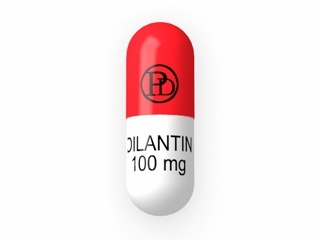

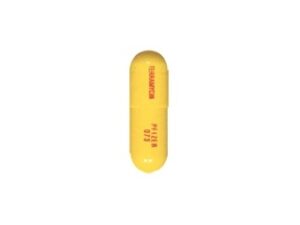
DiLantin® (Phenytoin) — Patient Guide (Australia)
Dilantin® is a brand of phenytoin, a medicine used to control certain types of seizures and prevent ongoing abnormal electrical activity in the brain. This guide explains how Dilantin works, what to expect, important safety information, and practical tips for using it at home in Australia.
Please note: individual treatment plans differ. Always follow your healthcare professional’s instructions and read the Consumer Medicine Information (CMI) provided with your medicine.
1) Basic product information
- Active ingredient: Phenytoin
- Brand example: Dilantin®
- Common forms: Capsules (various strengths) and oral suspension (strengths vary by product)
- Medicine type: Anti-epileptic (anti-convulsant)
- How it’s used: Usually as a long-term daily medicine to maintain seizure control
In epilepsy care, phenytoin is often managed with careful dose adjustments and monitoring because it has a narrow “therapeutic range” (levels where it works but before side effects become more likely).
2) How Dilantin works (mechanism of action)
Phenytoin helps stabilise nerve cell activity. In simple terms, it reduces abnormal “bursting” electrical signals in the brain by affecting how sodium moves in nerve cells. This helps raise the threshold required for seizures to start and spread.
Key actions include:
- Blocking voltage-gated sodium channels in the brain, which reduces repetitive firing.
- Modulating neuronal transmission, helping prevent seizure propagation.
3) Pharmacokinetics (how the body processes phenytoin)
Phenytoin is a complex medicine to dose because its metabolism can become less predictable at higher levels. Understanding this can explain why your dose may be changed gradually and why blood tests may be used.
Absorption
- Phenytoin is absorbed from the gastrointestinal tract.
- Different formulations (capsules vs suspension) may have slightly different absorption patterns.
Distribution
- It is widely distributed in the body and is largely bound to proteins (especially albumin).
- Protein binding affects the “free” (active) phenytoin level—this is relevant in certain health conditions.
Metabolism and elimination
- Phenytoin is metabolised mainly in the liver.
- It follows non-linear (saturable) kinetics, meaning a small dose increase can lead to a disproportionately large rise in blood levels.
- Because of this, dosing changes are usually made carefully.
Half-life
- Phenytoin has a variable half-life; it can be longer at higher doses.
4) Typical uses and indications
Dilantin (phenytoin) is used to treat certain seizure types and related neurological conditions. Your suitability depends on seizure type and individual factors.
Common indications in clinical practice include:
- Epilepsy, particularly where tonic-clonic (generalised) seizures and some partial (focal) seizure patterns are involved.
- Status epilepticus (in hospital settings, typically for emergency control and not self-managed at home).
- Prevention or treatment of seizures in specific neurological situations, guided by specialist care.
The exact indication and regimen vary. If you’re unsure what your dose is for, speak with your pharmacist or doctor.
5) When to take Dilantin (timing and consistency)
For best seizure control, phenytoin works best when your blood level stays steady. Many people are advised to take it at the same time each day.
- Daily routine: Take doses evenly spaced if prescribed multiple times daily.
- Do not stop suddenly: Stopping abruptly can increase seizure risk.
- Missed dose: If you miss a dose, take it when you remember unless it’s close to the next dose. Avoid taking a double dose.
If you have concerns about a missed dose or dosing schedule, contact a pharmacist for guidance.
6) Food interactions
Food can influence absorption for some medicines. Phenytoin can usually be taken with or without food, but consistency matters. Choose a routine (with food or on an empty stomach) that matches your prescriber’s advice and stick with it.
Practical tips:
- Keep timing consistent: If you take phenytoin with breakfast, do so most days.
- Avoid sudden dietary changes: Large changes in diet can affect medicine absorption and metabolism in some people.
- If switching formulations: Capsules to suspension (or vice versa) may require closer monitoring.
7) Alcohol and medicine interactions
Alcohol
Alcohol may increase the risk of dizziness, drowsiness, impaired coordination, and can interfere with seizure control in some people. It may also worsen side effects such as unsteadiness or blurred vision.
- General advice: Limit or avoid alcohol unless your clinician says it is safe for you.
- Safety: Avoid driving or operating machinery if you feel affected.
Interactions with other medicines (important)
Phenytoin has many interactions because it can affect liver enzymes and because other drugs can alter phenytoin levels. Some interactions can raise phenytoin levels (increasing toxicity risk), while others can lower levels (reducing seizure control).
Examples of interaction categories include:
- Medicines that may increase phenytoin levels (risk of toxicity): some antibiotics, antifungals, and other medicines that inhibit metabolism.
- Medicines that may decrease phenytoin levels (risk of breakthrough seizures): some anti-seizure drugs, rifampicin, and some other medications that induce liver enzymes.
- Medicines with effects on the liver and overall metabolism.
- Herbal products (for example, certain supplements may alter levels).
Always tell your pharmacist or doctor about:
- All prescription medicines and over-the-counter products
- Herbal supplements (including St John’s wort)
- Any vitamins or “natural” products
8) Dosing: how it’s commonly prescribed
Dosing is individual. Phenytoin dose depends on seizure type, age, formulation, and—importantly—blood levels. Because of non-linear kinetics, dose changes usually follow a structured plan.
General principles:
- Initial dosing is often based on clinical factors and may be titrated gradually.
- Maintenance dosing aims to keep seizure control while minimising side effects.
- Blood level monitoring may be used, especially after dose changes, during illness, pregnancy, or when interacting medicines are started/stopped.
- Albumin/protein binding can affect “free” drug levels, so tests may be interpreted differently if you have low albumin or certain conditions.
Do not self-adjust your dose. Even a small change can significantly alter blood levels.
If your prescriber provides a specific strength and schedule (e.g., one capsule morning and evening), follow that exact plan.
9) Safety profile and side effects
Like all medicines, Dilantin can cause side effects. Many people tolerate it well, but risk can increase at higher phenytoin levels or with interacting medicines.
Common side effects
- Dizziness
- Sleepiness or fatigue
- Nausea
- Unsteadiness or clumsiness
- Headache
- Gum overgrowth (gingival hyperplasia) in some long-term users
Signs of high phenytoin levels (potential toxicity)
Seek medical advice promptly if you experience symptoms that may suggest elevated levels, such as:
- Marked dizziness or severe imbalance
- Slurred speech
- Blurred or double vision
- Persistent vomiting
- Tremor or confusion
Serious but less common adverse reactions
Some reactions require urgent assessment. Get urgent medical help if you develop:
- Signs of severe skin reactions (rash with blistering, peeling skin, mouth sores)
- Signs of allergic reaction (swelling of face/lips, breathing difficulty)
- Severe liver problems (yellowing eyes/skin, dark urine, severe fatigue)
- Blood problems (unusual bruising/bleeding, persistent fever)
If you are concerned about new symptoms after starting or changing phenytoin, contact a healthcare professional.
10) Practical use tips (daily life guidance)
- Use a dosing organiser: Pill boxes can help you avoid missed doses.
- Be consistent with timing: Take doses at the same times each day.
- Keep track of changes: Note any new medications (including antibiotics) and tell your pharmacist—phenytoin levels can change quickly.
- Do not stop suddenly: If you feel unwell or want to stop, contact your clinician first.
- Dental care: Gum overgrowth can occur. Maintain regular dental check-ups and good oral hygiene.
- Safety precautions: Until you know how phenytoin affects you, be cautious with driving, ladders, swimming alone, and operating machinery.
- Illness matters: Fever, vomiting, diarrhoea, or changes in eating can affect absorption and overall control—consult your pharmacist/doctor if symptoms occur.
11) Monitoring and follow-up
Many people on phenytoin have periodic monitoring. This may include:
- Blood tests for phenytoin levels (especially after dose changes or suspected toxicity)
- Blood tests to assess safety (for example, liver function and blood counts, depending on your situation)
- Clinical review of seizure control and side effects
Your clinician may also advise monitoring if you become pregnant, have changes in kidney/liver function, or start medicines known to interact with phenytoin.
12) Alternative options (what else may be used)
If Dilantin (phenytoin) isn’t suitable due to interactions, side effects, or seizure type, clinicians may consider other anti-epileptic medicines. Alternatives vary widely and depend on your diagnosis and personal history.
Examples of alternative anti-epileptic options that may be considered (depending on circumstances):
- Levetiracetam
- Lamotrigine
- Carbamazepine
- Valproate (where appropriate)
- Oxcarbazepine
- Topiramate
- Others based on seizure type and tolerability
Don’t switch medications on your own—transitioning may require a planned taper and monitoring to prevent breakthrough seizures.
13) Market and legal context for Australia
In Australia, phenytoin is supplied in accordance with the Australian regulatory framework for medicines. Medicines may be provided with prescribing and dispensing requirements depending on the product and patient circumstances.
In an online pharmacy context, reputable suppliers follow Australian rules for:
- Authorised supply by licensed professionals
- Identity and safety checks as required
- Appropriate patient information at time of supply
- Pharmacist consultation if there are safety concerns
Product availability and brand/formulation may vary. If you require a specific strength or form, ask the pharmacy to confirm stock and equivalence.
14) Recent guidance and safety updates (what to watch for)
Anti-epileptic medicines evolve with ongoing safety review and professional guidance. While recommendations can differ by individual case, recent themes often include:
- Emphasis on maintaining stable dosing and avoiding sudden changes.
- Greater attention to drug–drug interactions, especially when starting new antibiotics, antifungals, or other neurological medicines.
- Careful management in pregnancy and with changes in hormone levels (pregnancy planning and specialist review are crucial).
- Prompt assessment of signs of toxicity or severe rash.
Because individual guidance depends on your health history, always rely on advice from your treating clinician and pharmacist for updates relevant to you.
15) Delivery, availability, and what to expect from an online pharmacy
Availability can vary by brand strength and formulation. If you order Dilantin online, typically the pharmacy will:
- Confirm the requested product strength and dosage form
- Package the medicine securely with patient information
- Dispatch based on regional delivery timeframes
- Provide tracking details where available
Delivery tips:
- Ensure your delivery address details are correct.
- Plan ahead so you don’t run out—phenytoin is commonly used long-term.
- Check that you received the correct strength and form (capsules vs suspension).
If you receive a product you don’t recognise, contact the pharmacy before taking it.
16) FAQ (Frequently Asked Questions)
1. Is Dilantin the same as phenytoin?
Dilantin® is a brand name for phenytoin. Different brands and generics may exist depending on local supply. Your pharmacist can confirm equivalence.
2. Why do I need blood tests?
Phenytoin has non-linear kinetics and can be affected by interactions and health changes. Blood tests help ensure your level is in the range that controls seizures while reducing the risk of toxicity.
3. Can I take Dilantin with food?
Many people can take phenytoin with or without food, but it’s best to choose one approach and keep it consistent. If your healthcare professional advised a specific routine, follow that.
4. What should I do if I miss a dose?
If you miss a dose, take it when you remember unless it’s nearly time for the next dose. Avoid taking a double dose. If you’re unsure, ask your pharmacist.
5. Can I drink alcohol while taking Dilantin?
Alcohol may worsen dizziness and coordination problems and could interfere with seizure control. It’s generally best to limit or avoid alcohol unless your clinician says it’s safe for you.
6. Are there common drug interactions?
Yes. Phenytoin interacts with many medicines, including some antibiotics and antifungals, and it can be affected by medicines that alter liver enzyme activity. Always check before starting new medicines or supplements.
7. What side effects should make me seek urgent help?
Seek urgent medical care if you develop severe rash, blistering or peeling skin, breathing difficulties, swelling of the face/lips, signs of serious liver problems (yellowing eyes/skin), or unusual bruising/bleeding.
8. Can I stop Dilantin if my seizures are controlled?
Don’t stop or change your dose without medical guidance. Stopping suddenly can increase seizure risk. Any changes should be planned carefully.
9. Does phenytoin affect contraception or pregnancy?
Epilepsy and anti-epileptic medicines require careful planning. Some seizure medicines may interact with hormonal contraception, and pregnancy requires specialist assessment. Discuss options with your clinician early.
10. What if I feel unsteady or dizzy?
Dizziness and unsteadiness can occur, especially if phenytoin levels are high or if another interacting medicine is started. Contact your pharmacist or doctor—especially if symptoms are new, severe, or worsening.
17) Summary
Dilantin (phenytoin) is a long-established anti-epileptic medicine used to control specific seizure types. It works by stabilising nerve signalling in the brain. Because phenytoin levels can change unpredictably and has many medicine interactions, consistent dosing and careful monitoring are key to safe and effective treatment.
If you have questions about taking Dilantin—such as timing, missed doses, side effects, or interactions—your local pharmacist in Australia can help you understand your specific regimen.
| Topic | What to remember |
|---|---|
| How it works | Stabilises nerve activity by affecting sodium channels, reducing seizure propagation. |
| Monitoring | Blood level tests may be used due to non-linear kinetics and interaction risk. |
| Timing | Take at consistent times daily; avoid sudden stopping. |
| Food | Take consistently with or without food as advised; avoid abrupt routine changes. |
| Alcohol | May increase dizziness and affect seizure control—limit/avoid unless approved. |
| Interactions | Many medicines can raise or lower phenytoin levels—check before starting anything new. |
| Urgent signs | Severe rash, breathing difficulty, signs of liver problems, or confusion/unsteadiness. |