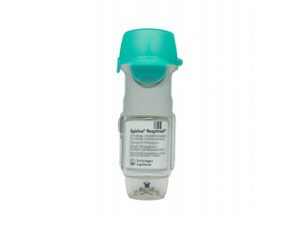


Dramamine (Dimenhydrinate) – Patient Guide (Australia)
Dramamine is a widely used antihistamine medicine containing dimenhydrinate. It is commonly used to help prevent and relieve the symptoms of nausea, vomiting and dizziness caused by motion, and it may also help with nausea associated with other conditions.
This information is written to help you understand how Dramamine works, how to use it safely, and what to expect. It is not a substitute for advice from a healthcare professional.
Basic product information
- Active ingredient: Dimenhydrinate
- Medicine type: Antihistamine (H1 blocker) with antiemetic (anti-nausea) and antimotion effects
- Common dosage form: Tablets (availability can vary by brand/strength)
- Uses: Motion sickness (prevention and treatment), nausea and vomiting in some situations
- How it’s taken: By mouth
In Australia, specific packaging, strength (e.g., mg per tablet) and excipient details may vary by product listing. Always check the label on your specific item for accurate directions.
How Dramamine works (mechanism of action)
Dimenhydrinate works mainly by blocking histamine (H1) receptors in the brain. It also has effects on other pathways involved in the body’s balance (vestibular) system and the vomiting reflex.
- Helps reduce signals from the inner ear that contribute to motion-related nausea and dizziness.
- Calms the vomiting reflex in the brainstem.
- May reduce symptoms like nausea, retching, and vertigo associated with motion.
- Can cause drowsiness because of its effects on the central nervous system.
By acting on these systems, Dramamine can help you feel less sick during travel, especially when taken before symptoms begin.
Pharmacokinetics (how the body handles it)
Pharmacokinetics describe what the body does to the medicine—absorption, distribution, metabolism and elimination.
- Absorption: Dimenhydrinate is absorbed after oral administration. Onset depends on dose and whether you have eaten.
- Onset of effect: Often within about 30–60 minutes for many people, which is why pre-travel dosing is recommended.
- Distribution: It crosses into the central nervous system, which contributes to its antiemetic effect and sedation.
- Metabolism: It is metabolised in the body (primarily in the liver).
- Elimination: Drug and metabolites are cleared via the kidneys.
Individual responses vary, especially with age and sensitivity to sedation. If you feel unusually sleepy or unsteady, consider adjusting your use and speak to a pharmacist.
Typical uses and indications
Dramamine is most commonly used for:
- Prevention and treatment of motion sickness (e.g., car, boat, plane, amusement rides)
- Nausea and vomiting associated with motion or travel
Depending on the specific product and local listing, it may also be used for other types of nausea. Always check the label for the precise indications for the specific brand you purchase.
When and how to take Dramamine (timing)
For motion sickness, timing matters. Taking it before symptoms begin usually works better than taking it after you are already feeling sick.
- Before travel: Take as directed on the label about 30 minutes (often 30–60 minutes) before starting your journey.
- If symptoms begin: You may still benefit from taking it at the first sign of nausea or dizziness, but prevention is generally more effective.
- Repeat dosing: Follow the dosing interval on the label and do not exceed the maximum daily dose.
If you forget a dose and travel is already underway, consider whether you still need it, based on your symptoms and the label instructions.
Dosing (general guidance)
Dosing for dimenhydrinate can differ by age, formulation strength, and product label. Always follow the instructions on your specific package.
Common general approach:
- Adults: Typically taken in divided doses with a specified interval, aiming for symptom prevention during travel.
- Children: Dosing is age-dependent and must be determined carefully. Some dimenhydrinate products may not be appropriate for young children. Use only if the product label indicates it is suitable for your child’s age.
Important: If you are giving Dramamine to a child, read the label carefully and confirm the dose with your pharmacist if you are unsure. Do not guess.
Maximum dose: Do not exceed the daily maximum stated on the packaging.
Food interactions
Food can affect how quickly medicines are absorbed. With Dramamine:
- Taking with food may reduce stomach upset for some people.
- Eating may slow absorption, which could delay onset slightly.
- For motion sickness prevention, timing before travel is still important—plan around your expected travel start time.
If you are prone to nausea from eating before travel, you may prefer a light meal or snack rather than taking it completely on an empty stomach.
Alcohol and medicine interactions
Alcohol
Combining dimenhydrinate with alcohol can increase side effects such as:
- Drowsiness
- Dizziness
- Impaired coordination
- Slower reaction times
For your safety, it is generally recommended to avoid alcohol while using Dramamine, especially before driving or travelling.
Other medicines
Dimenhydrinate may interact with medicines that also affect the brain or breathing. Discuss with a pharmacist if you take any of the following:
- Other sedating antihistamines or cold/flu medicines that contain sedating antihistamines
- Sleep medicines (hypnotics)
- Opioids (e.g., for pain) or other medicines that may slow breathing
- Anti-anxiety medicines or sedatives
- Some antidepressants that can increase drowsiness
- Medicines that affect balance or coordination
Always check the labels of “multi-symptom” products. Many cold and cough remedies contain ingredients that can add to the sedative effect.
If you are taking any regular medications, bring a list to your pharmacist or provide it during checkout so you can confirm safe use.
Safety profile and possible side effects
Like all medicines, Dramamine can cause side effects. Not everyone gets them. Common side effects are usually related to the medicine’s anti-histamine and sedating effects.
Common side effects
- Drowsiness (sleepiness)
- Dizziness or feeling “off-balance”
- Dry mouth
- Blurred vision or difficulty focusing
- Headache
- Constipation or stomach discomfort
- Fatigue
Less common but important effects
- Urinary retention (difficulty passing urine), especially in people with prostate issues
- Palpitations or feeling unusually alert (sometimes occurs instead of sedation in some individuals)
- Increased confusion, particularly in older adults
Seek urgent medical advice if
- Allergic reaction symptoms: swelling of face/lips, rash, wheezing, or trouble breathing
- Severe confusion, fainting, or significant unsteadiness
- Breathing difficulties, especially when combined with other sedating medicines or alcohol
- Severe agitation or behavioural changes
Who should use extra caution?
- Older adults (higher risk of confusion and falls)
- People with glaucoma (narrow-angle glaucoma risk)
- People with difficulty urinating (e.g., prostate enlargement)
- Those who must drive or operate machinery
- People sensitive to sedating medicines
Practical use tips
- Take it in advance for travel—waiting until you feel sick reduces effectiveness for many people.
- Choose a position that helps during travel (e.g., front seat in cars, facing forward, near the centre of boats/planes if possible).
- Minimise visual triggers: looking at the horizon and avoiding reading can help.
- Stay hydrated and consider small sips of water if you feel nauseated.
- Be cautious with sleep: if you feel sleepy, avoid risky tasks and consider a supervised approach during travel.
- Avoid doubling up with other sedating antihistamines or “motion sickness” products unless advised.
If you use Dramamine more than once during a trip, keep track of timing to avoid exceeding maximum dosing on the label.
Alternative options for motion sickness
Depending on your preferences and medical history, there are alternative treatments for motion sickness. Availability and suitability vary in Australia.
Other commonly used options (general overview)
- Non-drug strategies
- Gaze at the horizon
- Use stable seating and avoid sudden head movement
- Fresh air or open ventilation
- Smaller, lighter meals before travel
- Other antiemetics
- Some antihistamines or anti-nausea medicines may be used in certain circumstances.
- Some options are less sedating than dimenhydrinate, depending on the active ingredient.
- Ginger
- Some people find ginger helpful for nausea. Evidence varies, but it may be an option for mild symptoms.
- Acupressure bands
- Often used for nausea; effectiveness varies between individuals.
For the best choice, consider how strongly you feel affected by sedation, your age, other medical conditions, and what you’re doing during travel (e.g., driving vs. passenger).
Market and legal context for Australia (overview)
Medicines such as dimenhydrinate products are commonly supplied in Australia as over-the-counter options for the treatment or prevention of certain conditions, depending on how they are listed and packaged. Some formulations may be available through pharmacies and some retail outlets depending on regulatory classification.
Australian medicine information is provided through labelling, consumer medicines information resources, and pharmacist support. If you are unsure whether Dramamine is appropriate for your situation, a pharmacist can help you interpret the label and choose a suitable option.
Always follow the dose and duration directions on the package and read the consumer medicine information (CMI) provided with the product.
Recent guidance and practical updates (consumer-focused)
Healthcare guidance generally emphasises that antihistamines like dimenhydrinate may cause drowsiness and can impair driving and coordination. In practice, many consumer recommendations also focus on:
- Pre-travel timing for motion sickness prevention
- Avoiding alcohol and other sedating medicines while using antihistamines
- Careful use in children and older adults due to sedation and side effects
- Checking labels for duplicate antihistamine ingredients in cold/flu products
If you have ongoing nausea, recurrent motion sickness, or significant side effects, seek professional advice rather than continuing repeated self-treatment.
Delivery, availability and store information (Australia)
Dramamine (dimenhydrinate) is commonly stocked through pharmacy suppliers and online pharmacies in Australia. Availability can vary by strength and pack size.
- Ordering: Select the strength and pack size shown on the product page.
- Delivery: Delivery timeframes depend on your location and selected shipping method.
- Packaging: Orders are typically dispatched in tamper-evident packaging with the product label intact.
- Stock rotation: Reputable pharmacies rotate stock and provide products with appropriate expiry dates.
If your trip is soon, allow extra time for delivery and keep your medicine accessible during travel.
FAQ
1) When should I take Dramamine for motion sickness?
For best effect, take it about 30 minutes before travelling (or as directed on the label). This helps prevent symptoms rather than treating them after they begin.
2) Will Dramamine make me sleepy?
Yes, it can. Drowsiness is one of the most common effects. Avoid driving, operating machinery, or activities requiring alertness until you know how it affects you.
3) Can I take Dramamine with food?
It may be taken with or without food. Food may slow absorption slightly, so for motion sickness prevention, timing before travel is still important. If it upsets your stomach, taking it with a light meal may help.
4) Can I drink alcohol while using Dramamine?
It’s generally recommended to avoid alcohol because it can increase drowsiness, dizziness and impaired coordination.
5) What medicines should I avoid mixing with Dramamine?
Avoid combining with other sedating medicines (including some cold/flu products with sedating antihistamines), and be cautious with opioids, sleep medicines, and anti-anxiety medicines. Check the label and ask a pharmacist if you’re unsure.
6) How long does Dramamine last?
Duration varies by person and dose, but many people experience symptom relief for several hours. Follow the dosing schedule on your product label and do not exceed the maximum daily dose.
7) Can children take Dramamine?
Only use if the specific product label indicates it is suitable for your child’s age, and dose exactly as directed on the packaging. Because dosing and safety considerations vary, ask a pharmacist if you are uncertain.
8) What should I do if I feel too drowsy or dizzy?
Stop risky activities, avoid driving, and allow time for the effects to pass. If drowsiness is severe, you feel faint, or you have significant unsteadiness, seek medical advice.
9) Is Dramamine suitable if I have glaucoma or prostate problems?
Use extra caution. Dimenhydrinate can affect urination and eye pressure in some people. Speak to a pharmacist or doctor to confirm suitability before using.
10) What if I have nausea not related to motion?
Dramamine is mainly used for motion sickness. If nausea is persistent, severe, or accompanied by warning symptoms (e.g., severe abdominal pain, blood in vomit, dehydration), seek medical advice rather than relying on motion sickness medicine alone.
Summary
Dramamine (dimenhydrinate) is an antihistamine used to help prevent and relieve motion sickness by reducing nausea and dizziness. It works best when taken before travel, and it commonly causes drowsiness, so plan your trip accordingly. Always follow the product label for dosing, avoid alcohol and sedating combinations, and check with a pharmacist if you have other health conditions or take regular medicines.