

Azulfidine (Sulfasalazine) – Patient Information (Australia)
Azulfidine contains the active ingredient sulfasalazine. It is used to treat certain inflammatory and bowel conditions. This page explains how Azulfidine works, how it is taken, what to expect, and key safety information—written in clear, patient-friendly language for people in Australia.
Key product information
- Brand name: Azulfidine
- Active ingredient: Sulfasalazine
- Medicinal class: Anti-inflammatory medicine; disease-modifying therapy for some immune-mediated conditions
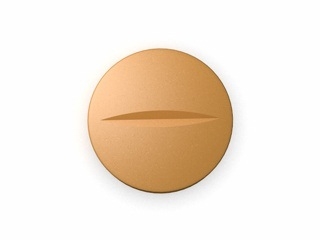
- Common forms: Tablets (immediate-release formulations are most typical for sulfasalazine brands)
- Who it is for: People with specific inflammatory bowel diseases and inflammatory joint conditions
Important: Always follow your healthcare professional’s instructions. Your dose and schedule may be tailored to your condition and response.
What Azulfidine is used for (indications)
Azulfidine is used for immune-mediated conditions where reducing inflammation and controlling disease activity is important. In Australia, sulfasalazine is commonly used for:
- Ulcerative colitis (including mild to moderate active disease, and sometimes for maintenance of remission as advised)
- Crohn’s disease (less commonly than ulcerative colitis; some cases may respond depending on disease type and severity)
- Rheumatoid arthritis (moderate disease activity, particularly when other options are suitable)
- Other inflammatory joint conditions in certain situations (as determined by your clinician)
Whether Azulfidine is right for you depends on your diagnosis, overall health, other medicines, and laboratory results.
How it works (mechanism of action)
Azulfidine’s effect is best understood as a combined anti-inflammatory and immune-modulating action. Sulfasalazine is a “prodrug”: it is not fully active in the form you swallow.
In the gut:
- After oral administration, sulfasalazine is broken down by gut bacteria into components that can act locally in the bowel.
- These components reduce inflammatory pathways in the intestinal lining.
Systemic (whole-body) effects:
- It also influences immune activity that contributes to inflammation, which is why it can be helpful in some joint conditions like rheumatoid arthritis.
Time to effect: Because the medicine works by changing inflammatory activity over time, improvement may be gradual rather than immediate.
Pharmacokinetics (how the body handles sulfasalazine)
Pharmacokinetics describe how the body absorbs, distributes, metabolises, and eliminates a medicine.
- Absorption: Only a portion of the swallowed sulfasalazine is absorbed in the upper gastrointestinal tract. Most of the action is related to breakdown in the lower bowel.
- Metabolism: Gut bacteria split sulfasalazine into active and related components (including 5-aminosalicylic acid/5-ASA and sulphapyridine). These products contribute to therapeutic effects.
- Distribution: Sulphapyridine can be systemically distributed and is associated with side effects in some people.
- Elimination: Metabolites are eliminated primarily via the kidneys and other pathways. Because kidney function varies between people, monitoring may be required.
- Half-life (typical concept): The effective “washout” varies by patient and metabolic activity; ongoing monitoring is part of safe use.
Practical takeaway: The medicine’s clinical benefit depends on appropriate gut release and immune effects over time—so taking it consistently matters.
Typical timing: when to take Azulfidine
Common schedule: Many people take sulfasalazine in divided doses (e.g., morning and evening; sometimes multiple times daily depending on the formulation and total daily dose).
- Try to take it at the same times each day.
- Take with or after food to reduce stomach upset (details below).
- If you miss a dose:
- Take it when you remember if it’s not close to the next dose.
- If it is near the next scheduled dose, skip the missed dose and continue as normal.
- Do not double up unless your healthcare professional tells you to.
How long until it helps? Some improvement may occur within days to weeks for certain symptoms, but full benefit—especially in inflammatory conditions—may take several weeks. Your clinician may also schedule follow-up reviews and blood tests to confirm safety and effectiveness.
Food interactions and what to eat
Food does not usually “cancel out” sulfasalazine, but food can improve tolerance.
- Recommended approach: Take Azulfidine with food or immediately after meals to lower the chance of nausea or stomach upset.
- Hydration: Drink plenty of fluids unless you’ve been advised to restrict fluids.
- Consistency: Try to keep your dosing routine similar day to day.
If you experience persistent nausea, vomiting, or abdominal pain, contact your healthcare professional. They may review your dose, formulation, or timing.
Alcohol and medicine interactions
There is no universal “safe amount” of alcohol while taking sulfasalazine, because individual risk differs (especially where liver or blood issues exist). Sulfasalazine can rarely affect the liver, and alcohol can also stress the liver.
- General guidance: If you drink alcohol, keep it moderate and discuss your situation with a clinician.
- Avoid heavy drinking: Heavy alcohol use may increase risk of liver problems and may worsen wellbeing and dehydration.
- Watch for symptoms: Stop alcohol and seek medical advice if you develop yellowing of the eyes/skin, unusual fatigue, dark urine, or significant loss of appetite.
Most important: Do not start or change alcohol intake to “test” tolerance—safety should be guided by symptoms and any monitoring results.
Medicine interactions (important)
Azulfidine can interact with other medicines. Tell your healthcare professional (and the dispensing pharmacist) about all medicines you use, including over-the-counter products and supplements.
Notable interaction considerations include:
- Blood thinning medicines (anticoagulants): may increase bleeding risk in some situations; requires careful monitoring.
- Azathioprine / 6-mercaptopurine: can increase risk of side effects when combined; may require dose adjustments and close blood monitoring.
- Warfarin and other vitamin K antagonists: possible interaction affecting bleeding control.
- Methotrexate: combined regimens are sometimes used in immune conditions, but safety depends on your health status and monitoring plan.
- Other liver-affecting medicines: may increase risk of liver stress.
- Antibiotics: certain antibiotics can change gut bacteria patterns and may affect sulfasalazine breakdown.
Always confirm: If you’re starting a new medicine, ask a pharmacist or healthcare professional to check for interactions with sulfasalazine.
Dosing: typical regimens and how doses are adjusted
Dose depends on the condition being treated, your age, response, and blood test results. For that reason, the information below is general guidance and not a personal dosing plan.
General principles for sulfasalazine dosing:
- Start low, increase gradually to improve tolerance (particularly during the first few weeks).
- Divided dosing helps reduce gastrointestinal side effects for many people.
- Maintenance dosing is usually continued to prevent flare-ups if your clinician recommends it.
- Children: dosing is age/weight-based and requires careful clinician supervision and monitoring.
Example (illustrative) titration approach:
- Clinicians often begin with a smaller total daily dose and increase over time to the target dose based on tolerability and lab results.
- Your exact schedule should come from your healthcare team.
What if you miss doses? If you miss multiple doses early in treatment, contact your clinician for advice. Some people need to re-titrate to reduce side effects.
Safety profile: common side effects and serious warnings
Like all medicines, Azulfidine can cause side effects. Many people tolerate it well, but monitoring is important because uncommon but significant reactions can occur.
Common side effects
- Nausea or stomach discomfort
- Loss of appetite
- Headache
- Rash or itching
- Yellow-orange discoloration of urine (can happen due to sulphur-containing metabolites; usually harmless)
- Light sensitivity in some people
Less common but important effects
- Blood cell changes (e.g., low white blood cells or other blood count abnormalities)
- Liver enzyme changes or inflammation
- Kidney effects (particularly in vulnerable patients)
- Hypersensitivity reactions
- Reduced sperm count or fertility effects have been reported in some men receiving sulfasalazine (these are often reversible after stopping, but discuss with your clinician)
Seek urgent medical help immediately if you experience
- Signs of severe allergy: swelling of face/lips, trouble breathing, severe rash or blistering
- Infection symptoms: fever, sore throat, unusual bruising or bleeding (may indicate blood cell changes)
- Severe skin reactions: widespread rash with fever or peeling skin
- Liver warning signs: yellowing of eyes/skin, dark urine, severe fatigue, persistent vomiting
- Persistent severe headache or feeling very unwell with other symptoms
Do not stop suddenly without advice if you are unsure. However, if you suspect a severe reaction, seek urgent care.
Practical tips for using Azulfidine safely
- Take with food to reduce stomach upset.
- Follow the titration plan (gradual dose increases) if your clinician has advised this.
- Keep up with blood tests: clinicians often monitor blood counts and liver function periodically to catch problems early.
- Stay hydrated—especially if you’re at risk of kidney issues.
- Report new symptoms early, particularly rash, fever, unusual bruising, sore throat, or signs of liver problems.
- Track your symptoms (e.g., bowel frequency, joint pain) so your clinician can assess response.
- Sun protection if you notice increased sensitivity to sunlight.
- Check for “drug allergy” history: tell your clinician if you’ve had reactions to sulfonamides or mesalamine/5-ASA products.
Recent guidance and monitoring considerations in Australia
In Australia, sulfasalazine is established for ulcerative colitis and rheumatoid arthritis. Ongoing medical guidance commonly emphasises:
- Baseline assessment before long-term use when appropriate, including evaluation of blood counts and liver/renal status.
- Periodic blood monitoring during the early months and then at intervals depending on stability and local protocol.
- Clear patient education on warning signs (infection, rash, liver symptoms, and blood count abnormalities).
- Individualised review if disease activity is not improving or if side effects occur.
Specific schedules may vary between clinicians and patient risk profiles. Ask your pharmacist or doctor what monitoring you should expect.
Alternative options (if Azulfidine isn’t suitable)
Depending on your condition, there may be alternatives to sulfasalazine. Your clinician will consider effectiveness, safety, and your personal history.
For ulcerative colitis / bowel inflammation
- Mesalazine (5-ASA) products (e.g., tablets or suppositories/enemas depending on disease location)
- Corticosteroids for short-term control in some flare-ups (not typically long-term due to side effects)
- Immunomodulators (for some patients)
- Biologic or targeted therapies for moderate-to-severe disease or inadequate response to conventional treatments
For rheumatoid arthritis / inflammatory arthritis
- Methotrexate (often a first-line conventional DMARD)
- Other conventional DMARDs (e.g., leflunomide, hydroxychloroquine depending on suitability)
- Biologic or targeted agents for specific circumstances
Switching matters: If you’re considering alternatives, don’t stop or change without a plan—transitions often require monitoring and sometimes a “washout” or gradual adjustment.
Delivery and availability in Australia
Azulfidine (sulfasalazine) is generally available through pharmacies across Australia. Online pharmacy services may offer home delivery depending on location and product availability. Availability can vary by:
- Strength and formulation (e.g., tablet strength)
- Brand stock at the supplier
- National distribution and pharmacy ordering schedules
What you can expect when ordering online:
- Clear product details including active ingredient and dosage form
- Estimated dispatch times
- Delivery tracking options (where provided by the online service)
If you need a specific strength or pack size, choose the correct product details carefully and contact customer support if you’re unsure.
Market and legal context in Australia
Medicines in Australia are regulated under the Therapeutic Goods Administration (TGA) framework. Sulfasalazine products are supplied in accordance with Australian medicine regulations, including requirements around safe supply, labelling, and pharmacy oversight. Your healthcare professional and pharmacist can advise on the appropriate use for your condition and suitability based on your history and tests.
Why this matters: Because sulfasalazine can require ongoing monitoring for certain blood and organ functions, safe medicine supply includes appropriate patient counselling and follow-up.
FAQ
1) Is Azulfidine the same as sulfasalazine?
Yes. Azulfidine is a brand that contains sulfasalazine as the active ingredient. Different brands or generics may exist depending on market supply, but the active ingredient is the key point.
2) How long does it take for Azulfidine to work?
Many people notice some improvement over weeks, though timing can vary by condition. If your symptoms aren’t improving, speak to your clinician—dose adjustments or alternative treatments may be considered.
3) Should I take it with food?
For many people, taking Azulfidine with or after meals reduces nausea and stomach discomfort. If your pharmacist provided specific instructions, follow those.
4) Can I drink alcohol while taking sulfasalazine?
Moderate alcohol may be acceptable for some people, but it’s safest to keep alcohol intake low and discuss your situation with a clinician—especially if you have liver disease or abnormal liver tests.
5) What blood tests might be monitored?
Clinicians commonly monitor full blood count and liver function (and sometimes kidney function) during treatment. The exact schedule varies depending on your risk factors and duration of therapy.
6) Will Azulfidine affect fertility?
In some men, sulfasalazine can reduce sperm count and affect fertility while taking it. This effect is often reversible after stopping, but do not rely on that—discuss family planning with your clinician.
7) What should I do if I miss a dose?
If you miss a dose, take it when you remember unless it’s close to the next dose. If it’s near the next dose, skip the missed dose and continue normally. Do not double the dose unless advised.
8) Are there foods I should avoid?
There are no universal “forbidden” foods, but taking with food can improve tolerance. If you notice certain foods worsen symptoms, consider discussing diet changes with your healthcare team.
9) What are warning signs that mean I should seek medical care?
Seek urgent care if you develop signs of severe allergy (swelling, trouble breathing), severe skin reactions, fever or infection symptoms, unusual bruising or bleeding, or liver warning signs (yellowing eyes/skin, dark urine, persistent severe fatigue).
10) What are alternatives if I can’t tolerate sulfasalazine?
Depending on your diagnosis, alternatives may include other 5-ASA preparations, immunomodulators, biologic therapies, or different conventional DMARDs for arthritis. Your clinician can advise based on your condition and history.
Summary
Azulfidine (sulfasalazine) is a medicine used to treat inflammatory conditions such as ulcerative colitis and certain inflammatory joint diseases. It works by reducing inflammation and modulating immune activity, including local effects in the gut. While many people tolerate it well—especially when taken with food—safe use often includes awareness of side effects and periodic monitoring. If you have questions about timing, interactions, or what to watch for, speak with your pharmacist or healthcare professional.
| Topic | What to know |
|---|---|
| Active ingredient | Sulfasalazine |
| Common uses | Ulcerative colitis; selected inflammatory joint conditions (e.g., rheumatoid arthritis) |
| How to take | Usually divided doses; often with/after food to reduce stomach upset |
| When it helps | Gradual improvement over weeks (varies by condition) |
| Alcohol | Moderation is safest; discuss with a clinician, especially if liver issues exist |
| Monitoring | Blood counts and liver function are commonly monitored during therapy |
| Seek urgent help | Severe allergy, infection with fever, severe rash, or liver warning signs |