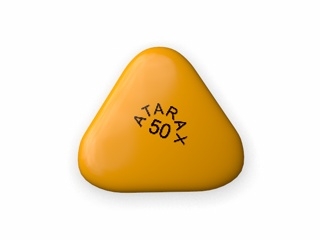
Atarax® (Hydroxyzine) — Patient-Friendly Medicine Information (Australia)
Atarax is a brand of hydroxyzine, an antihistamine medicine used to help treat allergy-related symptoms and anxiety symptoms. Hydroxyzine can also be helpful when short-term relief of anxiety or tension is needed, and it may cause drowsiness in many people.
This guide is designed to help you understand how Atarax works, what it’s used for, typical dosing approaches, important safety considerations, and how to use it more comfortably in everyday life in Australia.
1) Basic product information
| Item | Information |
|---|---|
| Generic name | Hydroxyzine |
| Brand name (example) | Atarax® |
| Medicine type | Antihistamine (first-generation H1 receptor antagonist) with anxiolytic and sedating effects |
| Common dosage forms | Tablets and other presentations depending on product availability |
| Typical effects | Reduces itching/allergy symptoms; may reduce anxiety; can cause drowsiness |
Availability can vary by form and strength. If you’re unsure which product you’re looking at, check the packaging or ask your pharmacist.
2) How Atarax works (mechanism of action)
Hydroxyzine works mainly by blocking histamine (H1) receptors. Histamine is a chemical released during allergic reactions and contributes to symptoms such as itching, swelling, and runny nose.
In addition to its antihistamine activity, hydroxyzine can have central nervous system effects, which may contribute to its use for short-term relief of anxiety and tension. Many people feel calmer, and some experience sleepiness.
Hydroxyzine is therefore often described as an “antihistamine with calming/sedating properties.”
3) Pharmacokinetics (how the body handles it)
Pharmacokinetics describes what the body does to the medicine—absorption, distribution, metabolism, and elimination. While exact values can vary by individual and formulation, the key points are:
- Absorption: After taking hydroxyzine by mouth, it is absorbed and starts working within a short time for many people.
- Distribution: Hydroxyzine can cross into body tissues and the central nervous system, explaining why it may cause drowsiness.
- Metabolism: It is metabolised mainly in the liver. A metabolite called cetirizine-like breakdown products are not identical to cetirizine, but they contribute to the overall antihistamine effect.
- Elimination: The medicine and its metabolites are cleared mainly through the kidneys.
Your dose and timing may need adjustment if you have kidney or liver impairment, and your clinician/pharmacist can advise based on your health profile.
4) What Atarax is typically used for in Australia
Atarax (hydroxyzine) is commonly used for:
- Allergic symptoms, such as itching (pruritus) and other histamine-related symptoms.
- Symptomatic relief of anxiety or tension, particularly for short-term use as part of a broader treatment plan.
- Short-term relief of nervousness where calming may be needed.
- Some patients may be advised to take it to help with sleep when anxiety-related restlessness is present (this depends on individual assessment).
Use cases can depend on product-specific directions, local prescribing practices, and your personal medical needs. If you are using Atarax for an allergy or for anxiety, the same medicine is involved—how and when you take it may differ.
5) Timing: when to take Atarax and how fast it may work
General timing
For many people, hydroxyzine starts to reduce itch or anxiety symptoms within about 1 hour after taking it, although individual response can vary. Peak effects may occur within a few hours.
Once vs multiple daily doses
Your dosing schedule may be:
- Once daily (often at night if drowsiness occurs)
- Several times daily if symptoms require repeated control
The safest approach is to follow the directions on the packaging or advice from your treating healthcare professional. Do not increase dose to “make it work faster”—higher doses increase the risk of side effects.
6) Food interactions: does Atarax need to be taken with meals?
Hydroxyzine can generally be taken with or without food. Food may affect how quickly absorption occurs, but in most cases it does not make a major difference to safety or effectiveness.
- If hydroxyzine makes you nauseous or unsettled, taking it with a light meal may help.
- If it causes drowsiness, many people prefer taking it at a time where they can rest.
If you notice consistent stomach upset, ask a pharmacist whether you should adjust timing or consider a different antihistamine option.
7) Alcohol and medicine interactions (important)
Alcohol
Avoid alcohol when taking Atarax unless your healthcare professional says otherwise. Alcohol can significantly increase drowsiness, slowed reaction time, and dizziness.
This combination can make activities like driving, using machinery, or caring for others more dangerous.
Other medicines that can increase sedation
Hydroxyzine may add to the effects of other medicines that cause sleepiness. Tell your pharmacist if you take any of the following:
- Sleep medicines or sedatives (including benzodiazepines)
- Opioid pain medicines (e.g., oxycodone, morphine, codeine)
- Some antidepressants and antipsychotics (sedating ones can be especially relevant)
- Other antihistamines (especially “night-time” allergy products)
- Anti-nausea medicines that may cause drowsiness
- Medicines for travel sickness (some can be sedating)
Your pharmacist can help you check whether any of your current medicines are likely to increase sedation when combined with hydroxyzine.
QT prolongation and heart rhythm considerations
Hydroxyzine has been associated with heart rhythm changes (QT prolongation) in some situations, particularly when combined with other medicines that also affect heart rhythm, or in people with specific risk factors.
Seek advice if you have:
- a history of irregular heartbeat
- low potassium or low magnesium
- heart failure or other significant cardiac disease
- you take medicines known to affect heart rhythm
If you experience fainting, severe dizziness, or a very fast or irregular heartbeat, get urgent medical help.
8) Indications: when Atarax may be considered
In Australia, Atarax/hydroxyzine may be used for:
- Histamine-mediated allergic symptoms such as itching and related discomfort.
- Short-term relief of anxiety and tension, where a calming effect is needed.
- Support in situations where both allergy symptoms and anxiety-related restlessness may overlap (individual assessment required).
The exact indications and suitability vary by individual circumstances. Your pharmacist or clinician can help confirm whether hydroxyzine fits your needs and discuss safer alternatives if not.
9) Dosing: common approaches (general information)
Dosing for Atarax depends on the reason it’s being used (allergy vs anxiety), your age, kidney/liver function, and other medicines you take. Below are common general guidance examples; always follow the exact directions provided with your product or by your healthcare professional.
Adults
- For allergy-related symptoms or itching, adults may be prescribed doses taken once or multiple times daily depending on symptoms and side effects.
- For anxiety or tension, dosing may be short-term and scheduled in a way that balances symptom relief with drowsiness risk.
Older adults
Older adults may be more sensitive to sedating antihistamines. Your pharmacist may recommend:
- the lowest effective dose
- taking it at night
- closer monitoring for confusion, constipation, or falls risk
Children
Hydroxyzine dosing in children must be guided by a clinician and based on weight/age and the specific condition. Because sedating antihistamines can cause significant effects, dosing should never be guessed.
How to take it safely
- Use the provided measuring method if liquid dosing is used.
- Do not exceed the maximum daily dose on the label.
- Do not “double up” if you miss a dose—check label directions or ask your pharmacist.
10) Safety profile: side effects and when to seek help
Common side effects
The most frequent effects of hydroxyzine relate to its sedating and anticholinergic (drying/“slowing down” body functions) properties. These can include:
- Drowsiness or sleepiness
- Dizziness
- Dry mouth
- Constipation
- Blurred vision
- Headache
- Fatigue
Less common but important side effects
- Urinary retention (trouble passing urine), more likely in some older adults or those with prostate issues
- Confusion or increased fall risk, particularly in older adults
- Rash or signs of allergy to hydroxyzine (rare)
Seek urgent medical attention if
- Fainting, severe dizziness, or a very fast/irregular heartbeat
- Severe allergic reaction (swelling of face/lips, difficulty breathing)
- Severe confusion, marked agitation, or symptoms of overdose
- Uncontrolled vomiting or extreme drowsiness
Driving and hazardous activities
Atarax commonly causes drowsiness. Until you know how it affects you:
- avoid driving
- avoid operating machinery
- be cautious when climbing ladders or doing tasks with fall risk
Even if you feel “okay” initially, drowsiness can increase over time, especially with alcohol or other sedating medicines.
11) Practical use tips (how to get the best experience)
Start low and reassess
If hydroxyzine is new to you, ask your pharmacist about the safest way to start and when to reassess effectiveness vs side effects. Many people can manage mild drowsiness with timing adjustments (e.g., taking it at night).
Manage dry mouth
- Keep water nearby
- Use sugar-free lozenges or gum
- Avoid very dry, salty foods if they worsen discomfort
Plan for “sedation time”
If it makes you sleepy, schedule your dose when you can rest. If you need daytime symptom control, discuss with your pharmacist whether a non-sedating option might suit you better.
If constipation happens
Increase fluid intake where appropriate and include fibre in your diet. If constipation becomes severe, consult a pharmacist—antihistamines can slow bowel movement in some people.
Keep a simple symptom diary
For anxiety or itching, tracking:
- what dose you took
- when you took it
- symptoms before/after
- side effects
12) Alternative options (depending on what you’re treating)
The “best” alternative depends on whether you’re treating allergies/itching or anxiety/tension. Discuss with your pharmacist for options that may be less sedating or more targeted.
For allergy symptoms (itching, hives, hay fever)
- Second-generation antihistamines (often less sedating), such as cetirizine or loratadine (depending on availability and suitability).
- Non-medication strategies such as allergen avoidance, cool compresses, and suitable skin care.
- For eczema-related itch, sometimes additional treatments (e.g., topical therapies) may be considered.
For anxiety or tension
- Non-sedating approaches may be preferred in some people (based on clinical advice).
- Psychological therapies and lifestyle strategies (sleep hygiene, relaxation techniques) can help address anxiety at the root.
- Depending on your health history, your clinician may discuss other short-term or long-term options.
If sedation is a major issue with hydroxyzine, ask your pharmacist about alternatives that suit your daily routine.
13) Market and legal context in Australia (overview)
In Australia, medicines are supplied according to classification and regulatory rules. How you access Atarax/hydroxyzine can depend on:
- the product strength and formulation
- current supply arrangements and listing status
- your local pharmacy’s policies and requirements
- your healthcare needs and safety checks
If you are unsure whether a specific presentation is considered over-the-counter or requires additional checks, your pharmacist can explain the options available to you. Always ensure you use the product that matches the instructions provided and your intended purpose.
The Australian healthcare system emphasises safe use through pharmacy advice, appropriate screening for drug interactions, and guidance on side effects—especially for medicines that can cause sedation.
14) Recent guidance and safety considerations
Hydroxyzine has been a focus of ongoing safety review in relation to sedation and heart rhythm (QT prolongation) risk in certain populations. Practical current guidance typically includes:
- using the lowest effective dose for the shortest reasonable duration
- avoiding combinations with other QT-prolonging medicines where possible
- caution with older adults, people with electrolyte imbalances, and those with heart rhythm history
- extra attention to sedation risk (driving, alcohol, operating machinery)
If you have questions about your personal risk factors or other medicines, check with your pharmacist—especially if you start, stop, or change doses of any medicine.
15) Delivery and availability from an Australian online pharmacy
Availability of Atarax/hydroxyzine may vary by product form and strength. Many online pharmacies in Australia aim to deliver to eligible addresses within expected timeframes.
What to expect
- Product availability: subject to stock levels and supplier schedules.
- Shipping timeframe: depends on your location and delivery service.
- Packaging: medicines are typically packed to protect from moisture and damage.
- Contact: you can usually contact customer support if there’s a delay or if the product selection needs clarification.
For the safest use, always confirm the medicine name, strength, and dosage instructions on the label when it arrives.
16) Atarax FAQ
How long does Atarax take to work?
Many people notice effects within about 1 hour. The timing can vary depending on the dose, your individual metabolism, and whether you’ve eaten.
Will Atarax make me sleepy?
Yes. Drowsiness is one of the most common effects. If you need to stay alert, discuss options with your pharmacist and consider taking it at a time that suits your day (often at night, if appropriate).
Can I take Atarax with food?
Generally, yes. You can usually take it with or without food. If it upsets your stomach, try taking it with a meal.
Can I drink alcohol while taking Atarax?
It’s best to avoid alcohol. Alcohol can increase sedation and impair reaction time, raising the risk of accidents.
Is Atarax safe for older adults?
Older adults may be more sensitive to antihistamines and may experience confusion, constipation, urinary retention, or falls risk. Your pharmacist can advise the safest approach, often starting low and using caution.
Can I take Atarax with other allergy medicines?
Be careful. Using multiple antihistamine products at once can increase the chance of drowsiness and other side effects. Check ingredients, and ask your pharmacist if unsure—especially for “night-time” allergy cold/flu products.
What if I miss a dose?
If you miss a dose, take it when you remember unless it’s close to your next dose. Do not double up. If you’re unsure, check the label or ask your pharmacist.
How should I stop Atarax?
If you’ve taken it short-term, you may be able to stop based on the advice given. If it’s being used regularly for anxiety or itching, ask your pharmacist or clinician about the safest way to discontinue.
When should I seek medical help?
Get urgent help if you have signs of a serious allergy (swelling, breathing difficulty), fainting, severe irregular heartbeat symptoms, or marked confusion/extreme drowsiness. If you have concerns about interactions or side effects, contact your pharmacist promptly.
Summary
Atarax (hydroxyzine) is an antihistamine used for allergy-related symptoms such as itching and may also be used to help relieve anxiety or tension. It works by blocking histamine receptors and has calming/sedating effects that can make you sleepy. When using Atarax, be cautious with alcohol and sedating medicines, take note of driving safety, and consider your personal risk factors—particularly if you have heart rhythm issues or take other medications that may affect cardiac rhythm. If you want alternatives due to drowsiness or side effects, your pharmacist can recommend options suited to your symptoms and daily routine.