Periactin (Cyproheptadine) – Patient Information
Periactin is a brand of cyproheptadine, an antihistamine used to help manage certain allergic conditions and other medically recognised indications. In Australia, it may be prescribed and is available through pharmacy supply channels where appropriate.
This page provides general, patient-friendly information about how Periactin works, how it’s typically used, and what to consider for safety and interactions. Always follow the instructions provided by your healthcare professional and read the consumer medicines information (CMI) supplied with your medicine.
Quick Facts
- Active ingredient: Cyproheptadine
- Type: First-generation antihistamine (H1 blocker) with additional antiserotonergic activity
- Common effects: Helps relieve allergy symptoms; may increase appetite in some cases
- Potential side effects: Drowsiness, dizziness, dry mouth, constipation
- Special caution: May cause sedation—avoid driving or operating machinery until you know how it affects you
Basic Product Information
Periactin contains the medicine cyproheptadine. It works in the body primarily by blocking histamine at H1 receptors. It also has antiserotonin (antagonist) effects, which can contribute to some of its clinical uses.
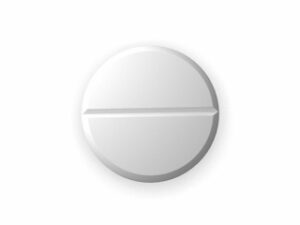
Dosage forms: Periactin is commonly supplied as oral tablets (strengths vary by product listing). Some brands and markets may also offer liquid formulations; availability in Australia can vary.
Who might use it: Cyproheptadine is used in children and adults for specific indications as determined by a clinician.
How Periactin Works (Mechanism of Action)
Cyproheptadine works by:
- Blocking histamine (H1 receptors): Histamine is released during allergic reactions and contributes to symptoms such as itching, sneezing, and watery eyes.
- Antiserotonin effects: It can inhibit serotonin-mediated pathways. This is one reason cyproheptadine may influence appetite and weight in some settings and may be used for other specialised indications.
- Crossing the blood–brain barrier: As a first-generation antihistamine, it can enter the brain and is more likely to cause sedation than newer antihistamines.
Pharmacokinetics (How the Body Processes It)
Pharmacokinetic behaviour helps explain onset of action, duration of effects, and why dosing schedules matter.
- Absorption: After oral dosing, cyproheptadine is absorbed from the gastrointestinal tract.
- Distribution: It is distributed throughout the body and can reach the central nervous system, contributing to drowsiness.
- Metabolism: Cyproheptadine is metabolised mainly in the liver.
- Elimination: Metabolites are excreted via urine and possibly in bile/feces depending on metabolism pathways.
Practical takeaway: Because it is metabolised and has central nervous system effects, dose timing and avoiding additional sedating substances (e.g., alcohol) are important.
Typical Uses (Indications)
Cyproheptadine may be used for:
- Allergic conditions (e.g., allergic rhinitis, urticaria) where antihistamine therapy is appropriate.
- Appetite stimulation/weight gain support in certain clinical circumstances (use depends on individual assessment).
- Other conditions where cyproheptadine’s antihistamine and antiserotonin activity is relevant, as directed by a healthcare professional.
Important: The exact indication and suitability depend on your age, medical history, and other medications.
When to Take Periactin (Timing & Duration)
How often and when you take Periactin depends on the reason you’re using it, your age, and your clinician’s instructions.
- Allergy symptoms: It may be taken at intervals across the day to maintain symptom control.
- Sedation considerations: If it makes you sleepy, many people prefer taking a dose in the evening or at times that suit their day-to-day routine.
- Appetite/weight goals: It may be scheduled to align with meal times, as appetite effects may be more noticeable at certain times.
Tip: Try to take it consistently at the same times each day unless your clinician advises otherwise. If you miss a dose, do not double up—follow the guidance in the CMI or seek advice from your pharmacist.
Food Interactions (Can You Take It With Meals?)
Periactin is taken by mouth and is generally not strongly dependent on food for absorption. However, food can affect tolerability and comfort.
- Taking with food: If you experience stomach upset, taking it with or after food may help.
- Appetite-related use: If prescribed for appetite support, your clinician may suggest a schedule that complements meals.
- Grapefruit and similar products: While not a common recommendation for cyproheptadine specifically, it’s wise to discuss any special dietary products or supplements with your pharmacist or doctor, particularly if you take other medicines.
Always: Check the CMI that comes with your product for the most accurate guidance for your specific formulation.
Alcohol and Medicine Interactions
Because cyproheptadine can cause drowsiness, alcohol may increase sedation and impair reaction time.
Alcohol
- Avoid or minimise alcohol while taking Periactin.
- Combining alcohol with sedating medicines can increase risk of falls, accidents, and slowed breathing in vulnerable individuals.
Other medicines that may interact
Interaction risk increases when Periactin is combined with other medicines that also cause sedation or have anticholinergic effects.
- Sedatives and sleeping tablets (e.g., benzodiazepines, “Z” drugs)
- Opioid pain medicines (e.g., morphine, oxycodone, codeine)
- Some antidepressants and antipsychotics
- Other antihistamines (including allergy medicines that also cause drowsiness)
- Medicines with anticholinergic effects (can worsen dry mouth, constipation, and blurred vision)
Before you start
Tell your pharmacist or doctor about all medicines you take, including:
- Prescription medicines
- Over-the-counter medicines
- Herbal supplements
- Vitamins or mineral products
Practical warning: Do not combine Periactin with other “sleepy” cold/allergy products unless a healthcare professional confirms it is safe.
Dosing (General Guidance)
Dosing must be individualised. The following information is general and should not replace clinician instructions or the product’s CMI.
Key dosing principles:
- Doses may vary by age and indication.
- Starting doses may be lower in children or in people sensitive to sedation.
- In some circumstances, dosing schedules may be adjusted gradually.
Adults
For adult dosing, schedules are typically divided across the day. The exact dose should be based on the clinician’s assessment and the formulation strength.
Children
Children’s dosing is based on body weight/age and indication. Because of the risk of sedation and side effects, children should receive dosing that matches the CMI or clinician direction exactly.
If you are unsure about your dose
- Check the label on your medicine for the prescribed amount.
- If you are using Periactin for the first time, confirm timing and dose with your pharmacist.
Safety Profile & Side Effects
Like all medicines, cyproheptadine can cause side effects. Many people tolerate it well, but some effects require medical attention.
Common side effects
- Drowsiness or sedation
- Dizziness
- Dry mouth
- Constipation
- Blurred vision
- Increased appetite (may be beneficial for some patients)
Less common but important risks
- Urinary retention (more likely in people with prostate enlargement)
- Confusion, especially in older adults or at higher doses
- Paradoxical excitation (particularly in some children, though sedation is more common)
- Allergic reactions (e.g., rash, swelling, breathing difficulty)
Seek urgent medical help if
- You experience trouble breathing, swelling of the face/lips, or severe rash
- You have fainting or severe dizziness
- There are signs of severe confusion or extreme sedation
Who needs extra caution?
- Older adults: Greater sensitivity to sedation and anticholinergic effects
- Glaucoma (especially narrow-angle glaucoma)
- Difficulty urinating or prostate problems
- People with asthma/COPD (sedation may affect breathing in some cases)
- Epilepsy/seizure history (discuss risk individually)
Practical Use Tips
- Plan for sedation: Avoid driving, cycling, or operating machinery until you know how you react.
- Be consistent with timing: If using multiple doses, space them as prescribed.
- Hydrate: Dry mouth is common; sips of water can help.
- Manage constipation risk: Eat fibre-rich foods, drink fluids, and stay active where appropriate.
- Don’t “double up”: If you miss a dose, follow the instructions in the CMI or ask your pharmacist.
- Keep out of reach of children: Sedation and dosing errors are a particular concern for children.
If you’re using Periactin for appetite: Appetite changes can vary. Focus on achievable nutrition goals and monitor weight and wellbeing with your healthcare professional rather than relying solely on appetite stimulation.
Alternative Options
If Periactin isn’t suitable due to sedation, interactions, or lack of effectiveness, there are other treatment options depending on the indication.
For allergy symptoms
- Second-generation antihistamines (often less sedating) such as loratadine or cetirizine (availability varies)
- Intranasal corticosteroids for allergic rhinitis, where appropriate
- Non-drug measures such as allergen avoidance and saline nasal rinses
For appetite/weight concerns
- Nutrition-focused approaches with dietitian guidance
- Addressing underlying causes (e.g., gastrointestinal issues, chronic illness, psychosocial factors)
- In specific clinical contexts, other medications may be considered by your clinician
Note: The “best” alternative depends on why you’re taking Periactin. Discuss options with your pharmacist or doctor.
Market & Legal Context in Australia
In Australia, medicines are supplied under the relevant regulatory framework and may be available only through certain supply categories depending on the product formulation and strengths. Supply requirements can vary by brand and whether the medicine is listed for prescription-only or other regulated pathways.
Cyproheptadine products like Periactin are regulated medicines and must be supplied in line with Australian laws and pharmacy practices. Availability may also be affected by product listing changes and supply chain conditions.
To ensure safe supply: Provide your pharmacist with accurate information about your medical history and current medications.
Recent Guidance & Ongoing Safety Considerations
While specific “recent guidance” can change over time, general trends in antihistamine use include:
- Reducing avoidable sedation risk: Clinicians often prefer less sedating antihistamines when appropriate.
- Reviewing interactions: Increased attention to combining antihistamines with other sedating or anticholinergic medicines.
- Monitoring in children and older adults: Greater caution due to sensitivity to side effects.
If you’re starting Periactin recently, ask your pharmacist to review the current CMI and to confirm dosing, timing, and whether any monitoring is needed for your situation.
Delivery & Availability (Online Pharmacy)
Availability of Periactin may vary depending on stock levels and formulation (e.g., tablet strengths or alternate presentations). When ordering online, typical steps include:
- Product selection: Choose the correct strength and pack size as listed.
- Order processing: Our pharmacy team may review details to ensure safe and appropriate supply.
- Delivery: Delivery times depend on your location (metro vs regional) and dispatch schedules.
What to expect: You will usually receive tracking information once dispatched. If a product is temporarily out of stock, we may offer alternatives where appropriate.
Tip: Store Periactin at room temperature, protected from moisture and heat, and keep it in its original packaging.
FAQ (Frequently Asked Questions)
1) Is Periactin the same as cyproheptadine?
Yes. Periactin is a brand name that contains cyproheptadine as the active ingredient.
2) Will Periactin make me sleepy?
Many people experience drowsiness or feel less alert, particularly because it is a first-generation antihistamine. How strongly it affects you can vary. Avoid driving or risky activities until you know your response.
3) How quickly does it work?
Some effects may be noticed after taking a dose, but the timing can vary by person and indication. If you’re using it for allergy symptoms, symptom relief may occur within hours. For appetite-related effects, changes may be more noticeable over time and with meal scheduling.
4) Can I take Periactin with food?
It’s generally possible to take Periactin with or without food. If it upsets your stomach, taking it with food may help. For appetite-focused use, your clinician may advise a schedule aligned with meals.
5) Can I drink alcohol while taking it?
It’s best to avoid or minimise alcohol because alcohol can worsen drowsiness and impair coordination.
6) What if I miss a dose?
Follow the instructions in the CMI for your product or ask your pharmacist. In many cases, you should take the missed dose when you remember unless it’s close to the next scheduled dose—do not double dose.
7) Who should not use Periactin or should be cautious?
Caution is advised for older adults, people with glaucoma, urinary retention/prostate problems, and those sensitive to sedation. Always check with your pharmacist if you have any significant medical conditions or take multiple medicines.
8) Can Periactin be used in children?
It may be used in children for certain indications, but dosing must be correct for age and condition. Extra caution is needed due to sedation and potential paradoxical effects. Use only the dose and schedule provided by your healthcare professional.
9) Does Periactin interact with other allergy medicines?
Yes, combining with other antihistamines can increase sedation and other side effects. Check labels carefully and consult a pharmacist before using multiple allergy products at the same time.
10) What should I monitor while taking Periactin?
Monitor for drowsiness, constipation, dry mouth, changes in appetite/weight (if that’s the goal), and any unusual symptoms. If symptoms worsen or you experience serious side effects, seek medical advice promptly.
Summary
Periactin (cyproheptadine) is an antihistamine with additional antiserotonin effects used for specific allergic conditions and other medically recognised indications, including appetite-related goals in selected circumstances. Its main advantage is symptom relief; its main consideration is sedation and potential anticholinergic effects such as dry mouth and constipation.
If you’re considering Periactin or already taking it, ensure you:
- Follow the dosing schedule on your label/CMI
- Avoid alcohol and be careful with driving or machinery
- Review interactions with your pharmacist if you take other sedating medicines
- Use practical strategies to manage side effects like constipation or dry mouth
For personalised advice, speak to a pharmacist or healthcare professional.
| Category | Information |
|---|---|
| Brand name | Periactin |
| Active ingredient | Cyproheptadine |
| Main action | Antihistamine (H1 blocker) with antiserotonin effects |
| Common effects | Relieves allergic symptoms; may increase appetite |
| Typical side effects | Drowsiness, dizziness, dry mouth, constipation |
| Key precautions | Avoid alcohol; be cautious with driving; check interactions |