
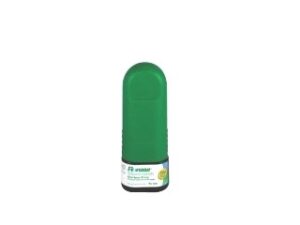
Fexofenadine (Antihistamine) — Patient-Friendly Guide (Australia)
Fexofenadine is a non-drowsy (or minimally drowsy) antihistamine used to relieve symptoms caused by allergies. It is commonly used for hay fever (allergic rhinitis) and itching and hives (urticaria). This guide explains how it works, how to take it, what to expect, and key safety information for use in Australia.
Basic product information
| Category | Details |
|---|---|
| Active ingredient | Fexofenadine |
| Type | Second-generation antihistamine (H1 receptor antagonist) |
| Common strengths | Available in products such as fexofenadine 60 mg and 120 mg tablets (brand and formulation may vary) |
| Common uses | Hay fever symptoms; chronic or acute urticaria (hives) symptoms |
| How it’s taken | Usually once or twice daily depending on the product strength and age group |
| Onset | Often begins within about 1–2 hours |
Note: Brand names and formulations differ across products sold in Australia. Always follow the specific instructions on your product pack for your exact dose and age group.
How fexofenadine works (mechanism of action)
When you’re exposed to allergens such as pollen, dust mites, or pet dander, your body releases a chemical called histamine. Histamine contributes to common allergy symptoms like:
- Sneezing
- Runny or blocked nose
- Itchy nose or throat
- Watery, itchy eyes
- Itching and raised welts (hives) in urticaria
Fexofenadine blocks histamine at the H1 receptors in the body. By preventing histamine from binding to these receptors, it reduces allergy-related symptoms. Because it’s a second-generation antihistamine, it tends to cause less drowsiness than first-generation antihistamines (though individual responses vary).
Pharmacokinetics (how the body handles it)
Pharmacokinetics explains the journey of a medicine through the body—absorption, distribution, metabolism, and elimination. While exact values can vary by formulation and patient, typical behaviour includes:
- Absorption: Fexofenadine is absorbed from the gastrointestinal tract, and its absorption can be affected by certain foods (notably fruit juices).
- Time to peak level (Tmax): Blood levels typically peak within about 2–3 hours after a dose.
- Distribution: It acts on peripheral H1 receptors; it has less penetration into the brain compared with some older antihistamines, which contributes to lower rates of drowsiness.
- Metabolism: It is generally considered to undergo limited metabolism.
- Elimination: The medicine is mainly cleared from the body via excretion (including through bile and urine).
If you have significant kidney problems, fexofenadine may remain in your system longer. This can increase the chance of side effects, so dosing may need adjustment.
Typical use in Australia
Fexofenadine is commonly used for:
- Allergic rhinitis (hay fever): to relieve symptoms such as sneezing, runny nose, nasal congestion, and itchy/watery eyes.
- Urticaria (hives): to reduce itching and the number of hives (raised, itchy welts).
It does not treat the underlying allergic trigger; instead, it helps control symptoms while the allergen exposure continues.
Indications and when it’s most helpful
1) Allergic rhinitis (hay fever)
Best suited when you need relief from seasonal or year-round allergy symptoms. Many people start treatment early in the allergy season or as soon as symptoms begin.
2) Chronic or recurring urticaria
If you experience repeated episodes of hives and itch, fexofenadine may help manage symptoms. Consistent daily use is often used to keep itch and hives under control (depending on the condition and product instructions).
Timing: when to take fexofenadine
Timing can affect how well you absorb the medicine and how smoothly symptoms are controlled across the day. Follow your product label, but typical timing guidance includes:
- Once daily dosing (common with some strengths): Take at the same time each day.
- Twice daily dosing (common with some strengths): Space doses evenly (for example, morning and evening).
- Consistency: Regular dosing provides more continuous symptom relief than skipping doses.
- Onset: Many people notice improvement within 1–2 hours, although full symptom control may take longer.
If you’re about to be exposed to an allergen (e.g., mowing or being outdoors), taking it before exposure may improve symptom control.
Food interactions (important)
Food can affect absorption. The most well-known issue is fruit juice. To reduce the risk of lower absorption, consider the following:
- Avoid or limit fruit juice (especially grapefruit and orange juices) around the time you take fexofenadine.
- Take with water and allow a gap if you’ve had juice.
- General rule: If you take fexofenadine with meals, try to be consistent from day to day.
If you’re unsure about a specific juice or meal pattern, ask a pharmacist. They can advise based on the exact product and your routine.
Alcohol and medicine interactions
Alcohol
Fexofenadine is considered less likely to cause drowsiness than many older antihistamines, but some people still feel tired. Alcohol can contribute to drowsiness and reduced alertness.
- If you plan to drink alcohol: consider starting with a small amount and monitor how you feel.
- Avoid driving or operating machinery if you feel sleepy, slow, or “not quite right.”
Other medicine interactions
Fexofenadine can interact with certain medicines and supplements—especially those that affect how it is absorbed or eliminated. Key interaction examples commonly mentioned include:
- Antacids containing aluminium or magnesium: these can reduce fexofenadine absorption. If you use antacids, separate dosing by a few hours (ask a pharmacist for the best timing for your products).
- Some antibiotics/antifungals or other medicines: certain drugs may affect transport proteins in the body. The effect may be to increase or decrease fexofenadine levels.
- High-dose grapefruit (or certain fruit products): may reduce absorption due to food-related effects.
Always provide a pharmacist with a full list of your medications, including: over-the-counter cold/flu medicines, antacids, vitamins, herbal products, and prescription medicines.
Dosing (general guidance for Australia)
Dosing depends on the strength, age, and condition. Always use the instructions from your specific product pack. Below are common dosing patterns used in practice; they may vary by formulation and age.
Typical adult dosing for hay fever (allergic rhinitis)
- Often 120 mg once daily (depending on product) for symptom relief.
- Some formulations may be 60 mg twice daily.
Typical dosing for urticaria (hives)
- Often 180 mg once daily or 180 mg total daily split depending on local product directions.
- Some products may use 60 mg twice daily.
Children
Children’s dosing differs by product and age. In Australia, fexofenadine is available in age-appropriate strengths and formulations in some brands. Check the label for the child’s exact age and the corresponding dose.
Practical reminder: If you miss a dose, take it when you remember unless it’s close to the next dose. Do not double up unless the product instructions say so.
Safety profile and side effects
Like all medicines, fexofenadine can cause side effects, although many people tolerate it well. Most side effects are mild and temporary.
Common side effects
- Headache
- Nausea or mild stomach discomfort
- Dizziness
- Dry mouth (in some people)
- Fatigue (less common)
Seek urgent medical help if you experience
- Signs of severe allergic reaction (e.g., swelling of lips/face, difficulty breathing, severe rash)
- Unusual or severe symptoms that concern you
Who should use caution?
- Kidney disease: may require dose adjustment.
- Pregnancy and breastfeeding: discuss with a healthcare professional before use.
- People sensitive to antihistamines: even second-generation antihistamines can rarely cause drowsiness.
If you are taking other medicines or have chronic health conditions, it’s wise to review your plan with a pharmacist.
Practical use tips for best results
- Take consistently: symptoms often improve most when doses are not missed.
- Use water: take with a full glass of water and avoid fruit juices near dosing.
- Choose the right time: if you notice any mild drowsiness, consider evening dosing.
- Track symptom patterns: if your hay fever follows predictable seasons, start early.
- Combine with non-medicine strategies: reduce exposure with showering after outdoors, using allergy-proof bedding, and keeping windows closed during high pollen times.
- For nasal congestion: an antihistamine may help, but a separate nasal treatment (like a steroid nasal spray) may be more effective for severe congestion—ask a pharmacist.
Safety and driving/operating machinery
Fexofenadine is generally less likely to cause drowsiness than older antihistamines. However, reactions vary. Before driving or using machinery, see how you personally respond, especially after the first few doses.
Alternative options (if symptoms aren’t controlled)
Depending on your symptoms and triggers, several other approaches may be considered. Options may include:
Other antihistamines
- Loratadine (second-generation)
- Cetirizine (second-generation; may cause more drowsiness in some)
- Levocetirizine
Non-antihistamine allergy treatments
- Intranasal corticosteroid sprays (often very effective for nasal symptoms in hay fever)
- Eye drops for itchy, watery eyes
- Saline nasal rinses to reduce mucus and allergens
For hives (urticaria)
- Sometimes higher or adjusted dosing strategies are used for symptom control under healthcare guidance.
- If hives persist, clinicians may investigate triggers (infections, certain foods/medicines, or other causes).
If you need treatment that changes month-to-month, a pharmacist can help you select the most suitable option based on your symptom pattern.
Market and legal context in Australia (overview)
In Australia, fexofenadine-containing products are commonly available as over-the-counter (OTC) medicines in certain strengths and formulations, depending on brand and indication. Some products may be specifically labelled for allergy symptoms such as hay fever and/or urticaria.
Availability can differ between retailers and pharmacies, and labels may include specific age restrictions and instructions. Always check the packaging and follow the Consumer Medicines Information (CMI) for your product.
For the most up-to-date regulatory details, consult the Australian health system resources or the product label.
Recent guidance and practical updates (how to stay current)
Allergy management recommendations can evolve with updated clinical practice, product information, and safety communications. Recent trends in guidance commonly focus on:
- Using the lowest effective dose for symptom control.
- Prioritising targeted treatments (e.g., nasal sprays for prominent nasal congestion) rather than relying on oral antihistamines alone.
- Careful attention to food interactions (particularly fruit juices) and antacid timing where relevant.
- Monitoring for persistent or severe symptoms and seeking professional care when needed.
If symptoms are not improving as expected after several days, or if you experience recurrent severe hives, it’s best to speak with a pharmacist or healthcare professional.
Delivery and availability
Fexofenadine products are widely available at pharmacies and through many Australian online pharmacies. Availability depends on stock levels and the specific brand/strength you choose.
- Delivery times: vary by provider, location, and shipping option.
- Packaging: items are typically dispatched in protective retail packaging to maintain product integrity.
- Check expiry: reputable online pharmacies display or confirm expiry information where possible.
- Support: online pharmacy teams can help match the right product to your symptoms and age group.
If you need dosing for a specific age or formulation (e.g., tablets vs other forms), select the product that matches the label’s age guidance.
FAQ — Fexofenadine
1) Is fexofenadine non-drowsy?
Many people experience little to no drowsiness with fexofenadine. However, individual reactions vary. If you feel sleepy, avoid driving and consult a pharmacist.
2) How quickly does fexofenadine work?
Symptom relief often starts within about 1–2 hours. For some people, best control may take longer, especially during ongoing allergen exposure.
3) Can I take fexofenadine with food?
It’s usually possible, but absorption can be affected by certain foods—particularly fruit juices. Taking it with water and avoiding grapefruit/orange juice around dosing is commonly recommended.
4) Should I avoid alcohol?
Many people can have small amounts of alcohol without major issues, but alcohol may increase tiredness. Use caution and monitor how you feel.
5) What if I take an antacid?
Some antacids containing aluminium or magnesium may reduce absorption of fexofenadine. Separate the doses and ask a pharmacist for the safest timing for your specific products.
6) Can I take it every day?
If you have ongoing allergy symptoms, daily use may be appropriate according to the product label. Always follow the dose and duration directions on your pack and reassess if symptoms persist.
7) What should I do if my symptoms don’t improve?
If hay fever symptoms or hives are not adequately controlled after several days, check that you’re taking the correct dose and avoiding food interactions. Consider discussing other options (such as nasal sprays) with a pharmacist.
8) Are there alternatives if I need stronger symptom relief?
Alternatives may include other antihistamines, targeted nasal therapies, or eye drops depending on your symptoms. If hives are persistent or severe, a pharmacist or doctor can advise on next steps.
9) Who should be extra cautious?
People with kidney problems, those who are pregnant or breastfeeding, or anyone taking multiple medicines should seek advice from a pharmacist regarding the best approach.
10) Where can I find product-specific instructions?
Check the packaging and the Consumer Medicines Information (CMI) included with your product. If anything is unclear, contact your pharmacist.
Disclaimer: This information is general and designed to help you understand fexofenadine. Always read the product label and Consumer Medicines Information for your specific brand and strength. If you have concerns about side effects or interactions, talk to a pharmacist.