Flonase Nasal Spray (Fluticasone) — Patient Guide (Australia)
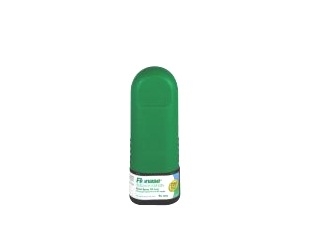
Flonase Nasal Spray contains fluticasone, a corticosteroid medicine used in the nose to help control symptoms of allergic and inflammatory nasal conditions. This guide explains how it works, how to use it effectively, what to expect, and important safety information—written for everyday understanding.
| Feature | What to know |
|---|---|
| Active ingredient | Fluticasone (corticosteroid) |
| Medicine type | Intranasal corticosteroid (spray) |
| Common uses | Allergic rhinitis (hay fever) and other nasal inflammation symptoms |
| How it helps | Reduces inflammation in the nasal lining and relieves symptoms like sneezing, itching, blocked/runny nose |
| When it starts working | Some relief may begin within 12–24 hours, but full benefit may take several days |
| Typical dosing | Once or twice daily depending on age and symptom control (follow your product label/plan) |
Basic product information
Flonase Nasal Spray is designed for use in the nose. Unlike many antihistamine tablets or syrups that act throughout the body, fluticasone acts mainly where it’s needed—inside the nasal passages—by lowering inflammation.
In Australia, intranasal corticosteroids are widely used for conditions such as hay fever (allergic rhinitis). Your pharmacist can help you check the specific product strength and the exact dosing for your age group and condition.
How Flonase works (mechanism of action)
Fluticasone is a corticosteroid. When sprayed into the nose, it:
- Helps reduce inflammation in the nasal lining.
- Decreases release of inflammatory chemicals involved in allergic responses.
- Improves common symptoms such as:
- runny nose (rhinorrhoea)
- blocked or congested nose (nasal obstruction)
- sneezing
- nasal itching
- post-nasal drip
Important: Because Flonase works by reducing inflammation, it generally works best when used regularly rather than only when symptoms become severe.
Pharmacokinetics (what happens to the medicine in the body)
Pharmacokinetics describes how the body absorbs, processes, and clears a medicine. With intranasal fluticasone:
- Local action: Most benefit comes from effects in the nasal tissues.
- Absorption: A smaller portion may be absorbed through nasal tissues and swallowed (if some spray drains into the throat).
- Metabolism: Any absorbed fluticasone is primarily metabolised in the liver by CYP3A4.
- Elimination: Metabolites are cleared from the body, mainly via bile and gut.
Overall, intranasal fluticasone is designed for low systemic exposure compared with some steroid medicines taken by mouth.
Typical use and timing
Flonase is commonly used for allergic rhinitis (hay fever). It may also be used for other causes of nasal inflammation as advised by a healthcare professional.
When to start:
- Seasonal allergies: Starting before symptoms peak (e.g., ahead of high pollen counts) may help prevent symptom buildup.
- Year-round symptoms: Regular use during allergy seasons or when symptoms persist can provide steadier control.
When will it work?
- Some people notice improvement in 12–24 hours.
- For best results, allow several days of consistent use.
How often to use: Follow the dosing instructions on the product label or as directed by your pharmacist/health professional. Many patients use intranasal fluticasone once daily or twice daily depending on age and symptom severity.
How to take Flonase Nasal Spray (practical use tips)
Using the spray correctly helps ensure the medicine reaches the right area of the nose. These tips can improve effectiveness and reduce side effects.
Step-by-step instructions
- Gently blow your nose if it’s congested (this helps the spray reach the nasal lining).
- Shake the bottle if required by the product instructions.
- Remove the cap.
- Prime the spray if instructed (for example, if the bottle is new or hasn’t been used for a while). Prime according to the pack directions.
- Insert the nozzle into one nostril. Keep the head upright.
- Breathe in gently through the nose and press the pump once.
- Do not sniff hard—a gentle inhale helps reduce the risk of the spray going down the throat.
- Repeat in the other nostril if your dose requires it.
- Wipe the nozzle and replace the cap.
Common tips for comfort
- If you feel burning or irritation, try using the spray slightly away from the inner wall of the nostril.
- If dryness occurs, staying hydrated can help. Your pharmacist can advise on moisturising options that are safe to use with nasal sprays.
- Use consistently—even if symptoms are improving.
Missed dose
If you miss a dose, take it when you remember unless it is close to the next scheduled dose. Avoid doubling doses. For personalised advice, check your product label or ask your pharmacist.
Indications (what Flonase is used for)
Flonase Nasal Spray (fluticasone) is indicated for conditions involving nasal inflammation, most commonly:
- Allergic rhinitis (hay fever), including seasonal and perennial forms
- Symptoms such as nasal congestion, sneezing, itching, and runny nose
Your healthcare provider may also consider intranasal corticosteroids for other causes of chronic nasal symptoms (based on your individual situation).
Dosing information (general guidance)
Doses can vary based on age, severity, and the specific product formulation. Always follow the instructions on the pack or the advice you were given.
General dosing approach (typical examples):
- Adults and adolescents: Often used once daily, with some regimens using twice daily during more severe symptoms—depending on the product strength and symptom response.
- Children: Dosing is age-specific. Use only the age-appropriate product and dose.
Key points:
- Use the number of sprays stated for your dose in each nostril.
- Do not increase the dose to “catch up” without advice.
- After symptoms settle, your doctor/pharmacist may recommend maintaining the lowest effective dose.
Food interactions
Intranasal fluticasone has minimal food-related interactions because it is used in the nose. However, if some spray drains into the throat and is swallowed, it may still be influenced by how the medicine is metabolised internally.
Practical advice:
- You generally can take Flonase regardless of meals.
- If you have swallowed some of the spray and it causes a taste in the throat, ensure your technique is correct (upright head, gentle inhale).
Alcohol interactions
There is no well-established direct interaction between alcohol and intranasal fluticasone. In most patients, moderate alcohol intake is not expected to affect the effectiveness of Flonase.
Considerations:
- Alcohol can worsen dehydration or irritation in some people and may indirectly affect nasal comfort.
- If you notice increased nasal irritation after alcohol, discuss options with your pharmacist.
Medicine interactions (including alcohol-related and drug-drug interactions)
While intranasal fluticasone has low systemic exposure, it can still interact with medicines that affect liver enzymes involved in metabolism (notably CYP3A4).
Medicines that may increase fluticasone levels
- Strong CYP3A4 inhibitors may increase the amount of fluticasone reaching the bloodstream and increase the chance of systemic steroid effects. Examples include certain medicines used for fungal infections and some antibiotics.
Other medicines
- If you are taking multiple medicines, it’s still wise to check interactions. Your pharmacist can review your medicine list quickly.
- Tell your pharmacist if you’re using other steroid products (for example inhaled steroids for asthma or steroid tablets), as overall steroid exposure may add up.
What to do
If you have been prescribed medicines for infections (especially antifungals) or you take strong enzyme inhibitors, ask your pharmacist whether any extra precautions are needed.
Safety profile and side effects
Most people tolerate intranasal fluticasone well when used as directed. However, like all medicines, it can cause side effects.
Common side effects
- Nose dryness or irritation
- Sneezing
- Headache
- Unpleasant taste or smell
Nose-related effects
Because Flonase acts in the nasal lining, nasal symptoms can occur:
- Minor nosebleeds (epistaxis) or spotting
- Throat irritation if some spray drains backwards
- Burning or discomfort in the nose
Less common but important warnings
Seek medical advice promptly if you develop:
- Frequent or heavy nosebleeds
- Signs of infection (e.g., persistent fever, worsening facial pain)
- Severe swelling, rash, or difficulty breathing (possible allergic reaction to an ingredient)
- Worsening eye symptoms, severe headache, or vision changes (rare; discuss with a healthcare professional)
Systemic steroid effects (rare with correct intranasal use)
Because absorption is generally low, systemic steroid effects are uncommon with intranasal fluticasone at recommended doses. However, risk may increase if:
- higher doses are used than recommended
When to use caution
Speak to your pharmacist or healthcare professional before using Flonase if you have any of the following:
- Recent nasal surgery or nasal injury
- Frequent nosebleeds or a history of fragile nasal blood vessels
- Active infection in the nasal passages
- Severe glaucoma or cataracts (a risk discussion may be needed with long-term steroid exposure)
- You are using other corticosteroid medicines
Managing side effects and maximising benefit
If symptoms don’t improve as expected, it may be due to technique, timing, dose, or triggers. Consider these practical steps:
- Check technique: Upright head and gentle inhale help deliver the spray into the nasal cavity.
- Allow time: Consistent daily use is usually needed for full effect.
- Don’t stop too early: Allergic inflammation can persist beyond initial symptom changes.
- Address triggers: Reduce exposure to pollen and dust where possible (e.g., keep windows closed during high pollen days, use dust-mite covers).
Alternative options (what you can consider)
Depending on your symptoms, your pharmacist may discuss other treatments. Alternatives often include:
Other nasal treatments
- Different intranasal corticosteroids (same medicine class; may differ in device and dosing)
- Antihistamine nasal sprays for fast symptom relief (often helpful for sneezing/itching)
- Saline rinses or sprays to reduce mucus and improve comfort
Oral options
- Oral antihistamines (may help sneezing/itching/runny nose; some are non-drowsy)
- Leukotriene receptor antagonists for selected patients (commonly considered when allergic symptoms overlap with asthma)
Which is best? Intranasal corticosteroids are often preferred for ongoing nasal inflammation, especially when congestion is prominent. Your pharmacist can help you choose based on symptom pattern and past response.
Market and legal context for Australia
In Australia, medicines are regulated by the Therapeutic Goods Administration (TGA). Flonase Nasal Spray (fluticasone) is available through appropriate Australian channels depending on the specific product formulation and pack size.
Online pharmacies provide information and support to help customers use medicines safely, including checking suitability based on age, symptoms, and existing medicine use.
Recent guidance and best-practice advice
Australian and international allergy guidance commonly supports the following principles for allergic rhinitis management:
- Intranasal corticosteroids are a cornerstone for persistent or moderate-to-severe symptoms, particularly nasal blockage.
- Consistent daily use leads to better outcomes than sporadic use.
- Correct technique and correct timing improve effectiveness.
- Reassess if no improvement after an adequate trial (often several days to a couple of weeks), particularly if the diagnosis is uncertain or triggers persist.
If your symptoms are not controlled, your pharmacist or GP may recommend adjusting the plan, considering alternative treatments, or reviewing contributing factors (such as sinusitis, infections, or non-allergic rhinitis).
Delivery, availability, and packaging (Australia)
Availability can vary by pharmacy and stock. For online purchasing in Australia, customers typically receive:
- Sealed product packaging with expiry information
- Instructions and safety information on the outer carton and/or within the pack
- Delivery options depending on the pharmacy’s fulfilment network
Delivery considerations:
- Keep the product in a cool, dry place as directed on the label.
- Check the expiry date before use.
- If the packaging is damaged, contact the pharmacy before use.
FAQ — Frequently asked questions
1) Is Flonase the same as fluticasone?
Yes. Flonase Nasal Spray is a brand that contains fluticasone, which is the active ingredient.
2) How long does it take to start working?
Some people feel improvement within 12–24 hours. Best relief often takes several days of consistent daily use. If symptoms don’t improve, discuss with your pharmacist or GP.
3) Can I use Flonase if I’m also taking antihistamine tablets?
Many people use combination approaches. Intranasal corticosteroids help inflammation; antihistamines can help other allergic symptoms. Check interactions and suitability with your pharmacist, especially if you take multiple allergy medicines.
4) Will Flonase make me drowsy?
Flonase nasal spray is not typically associated with drowsiness. If you notice tiredness, check whether other medicines you’re taking (e.g., some oral antihistamines) are the cause.
5) What if I get nosebleeds?
Minor spotting can occur. Use gentle technique, avoid aggressive nose-blowing immediately after spraying, and check the nozzle cleanliness. If nosebleeds are frequent, heavy, or persistent, seek medical advice promptly.
6) Should I stop when my symptoms improve?
Some people can reduce use when symptoms are controlled, but it depends on the pattern of your allergies. Don’t stop suddenly if symptoms quickly return—discuss an ongoing plan with your pharmacist or healthcare professional.
7) Can children use Flonase?
Intranasal fluticasone products are available in age-specific formulations and dosing. Use only the appropriate product for the child’s age and follow the prescribed/label instructions.
8) Can I use it every day?
Many patients use intranasal corticosteroids daily for ongoing allergic rhinitis. Long-term use should be at the lowest effective dose and reviewed periodically by your healthcare professional.
9) Are there food or alcohol interactions?
There are generally no direct food interactions. No well-established direct interaction with alcohol is expected. However, individual factors and other medicines can change this—especially if you take medicines that affect liver enzymes (CYP3A4).
10) What other medicines should I mention to my pharmacist?
Tell your pharmacist about:
- All current allergy medications (nasal sprays, tablets, eye drops)
- Asthma inhalers or any steroid medicines
- Any antifungal or antibiotic medicines (especially those known to strongly affect CYP3A4)
- Any history of nasal surgery, frequent nosebleeds, or ongoing nasal infections
11) If I miss a dose, should I double up?
No. Take the next dose at the usual time. Doubling doses can increase the chance of side effects.
12) When should I seek medical help?
Get advice promptly if you experience severe nosebleeds, signs of infection, allergic reactions (swelling, rash, breathing difficulty), or symptoms that significantly worsen or do not improve after an adequate trial.
Summary
Flonase Nasal Spray (fluticasone) is an intranasal corticosteroid designed to reduce nasal inflammation and relieve allergic rhinitis symptoms such as congestion, sneezing, and itching. With correct technique and consistent daily use, many people achieve better control within days. As with any medicine, follow dosing instructions carefully, be mindful of potential interactions—particularly with medicines affecting CYP3A4 metabolism—and seek advice if you have persistent side effects or worsening symptoms.
Note: This information is general guidance. For personalised advice about suitability, dosing, and interactions, speak with your pharmacist or healthcare professional—especially if you are pregnant, breastfeeding, treating a child, or using other medicines.