

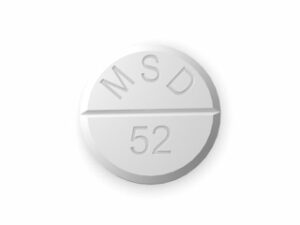
Cyproheptadine (Cyproheptadine): Patient-Friendly Guide
Cyproheptadine is an antihistamine medicine used for a range of allergic and non-allergic conditions. On this page you’ll find clear, practical information about what it does, how it works in the body, typical uses, how to take it safely, common side effects, key interactions (including alcohol and other medicines), and what to expect in Australia.
Note: Always read the consumer medicine information (CMI) supplied with your product and follow your pharmacist’s advice. Individual needs and dosing may vary.
Basic product information
| Feature | Information |
|---|---|
| Generic name | Cyproheptadine |
| Drug class | First-generation antihistamine (also has antiserotonin and anticholinergic effects) |
| Common forms | Tablets and liquid preparations may be available (varies by brand) |
| Typical dosing frequency | Often taken 2–3 times daily depending on the condition and age |
| Main benefits | Helps reduce allergy symptoms (such as itching and hives) and may help with certain non-allergic conditions |
| Common cautions | Drowsiness, dry mouth, and interactions with sedatives and some other medicines |
How cyproheptadine works (mechanism of action)
Cyproheptadine primarily works as an antihistamine. Histamine is a chemical released by the body during allergic reactions, contributing to symptoms such as:
- Itching
- Runny nose
- Sneezing
- Hives and swelling
- Red, watery eyes
Cyproheptadine blocks H1 histamine receptors, reducing the effect of histamine in tissues.
In addition, cyproheptadine has other pharmacologic actions that can influence symptoms in some conditions. These include:
- Antiserotonin activity (may play a role in certain symptom pathways)
- Anticholinergic (antimuscarinic) effects (which can cause dry mouth, blurred vision, and constipation in some people)
Because it is a first-generation antihistamine, it can also cross into the brain more readily than some newer “non-drowsy” antihistamines—so drowsiness is a common feature.
Pharmacokinetics: what the body does to cyproheptadine
Pharmacokinetics describes how the body absorbs, distributes, metabolises, and eliminates a medicine.
- Absorption: Cyproheptadine is absorbed after oral dosing. Food may influence how quickly it reaches peak levels, though total absorption can still be adequate.
- Distribution: It can distribute widely throughout the body and may enter the central nervous system, contributing to sedation.
- Metabolism: Cyproheptadine is metabolised mainly in the liver.
- Elimination: Metabolites are cleared primarily via the urine. Clearance may vary in people with liver impairment and in older adults.
- Duration of effect: Effects can last several hours. Many regimens are therefore structured as repeated doses throughout the day.
Individual response can vary depending on age, other medicines, liver function, and sensitivity to antihistamines.
Typical uses and indications
Cyproheptadine is used for a variety of conditions where antihistamine or related effects may be helpful. Indications can differ between products and countries; your local brand information should always be followed.
Commonly considered uses include:
- Allergic symptoms such as itching, hives, and allergic skin reactions
- Symptoms of allergic rhinitis (hay fever), including sneezing and runny nose
- Reactions to allergens that respond to antihistamines
- Some off-label or specialist-guided uses may occur for conditions involving serotonin pathways or appetite/weight changes
Important: The “best” use depends on your symptoms and medical history. If you are using cyproheptadine for something other than typical allergy symptoms, discuss the plan with a pharmacist or doctor.
When to take cyproheptadine (timing and routine)
Timing depends on the reason you are taking cyproheptadine and the prescribed label instructions for your product.
General guidance:
- Take at the same times each day if using a multi-dose schedule.
- Be cautious with daytime driving until you know how it affects you.
- If your dose schedule includes evening or bedtime dosing, this may help reduce daytime drowsiness for some people.
Missed dose: If you miss a dose, take it when you remember unless it’s close to the time for the next dose. Avoid doubling up.
Dosing: what is typical?
Dosing for cyproheptadine depends on the specific condition, age, and the formulation (tablet strength or liquid concentration). Always follow your product’s dosing instructions or pharmacist advice.
Common dosing patterns (general, not a substitute for your label):
- Adults: Often started at a lower dose and adjusted based on response and tolerability; typical regimens may be taken 2–3 times daily.
- Older adults: Many require extra caution due to heightened sensitivity to sedation and anticholinergic effects.
- Children: Dosing is usually weight- and age-dependent and should be guided by the product label or a clinician/pharmacist.
Practical tip: If using a liquid, measure accurately using an oral syringe or measuring device provided by the pharmacy. Kitchen spoons are not reliable.
Food interactions and absorption
Cyproheptadine may be taken with or without food. Food can influence how quickly the medicine reaches peak effect, but it generally does not eliminate its overall benefit.
To support comfort and reduce stomach upset (if it occurs):
- Consider taking it with food or after meals if it upsets your stomach.
- Maintain a consistent routine day to day.
If you notice that symptoms worsen after doses taken on an empty stomach, try taking it with a meal and discuss persistent issues with a pharmacist.
Alcohol interactions
Combining cyproheptadine with alcohol can increase the risk of:
- Marked drowsiness
- Impaired coordination
- Slower reaction time
- Increased risk of accidents
Recommendation: Avoid alcohol while you are adjusting to cyproheptadine or if you feel sleepy. If you choose to drink, do so cautiously and only after you understand how the medicine affects you.
Medicine interactions (important)
Cyproheptadine can interact with other medicines, especially those that cause sedation or affect the nervous system.
Sedating medicines
Using cyproheptadine with medicines that also cause drowsiness can substantially increase sedation:
- Sleeping tablets
- Opioid pain medicines
- Some antidepressants
- Antipsychotics
- Some anti-anxiety medicines
- Other antihistamines (including cold and flu combinations)
Anticholinergic medicines
Because cyproheptadine has anticholinergic effects, combining it with other anticholinergic drugs may increase side effects such as:
- Dry mouth
- Constipation
- Blurred vision
- Difficulty urinating (particularly in men with prostate enlargement)
Driving and machinery
Even when you feel “okay,” first-generation antihistamines can impair thinking speed and reaction time.
Avoid driving or operating machinery until you know your personal response.
Other relevant cautions
- If you have glaucoma or urinary retention, check with a pharmacist before using cyproheptadine.
- If you take other allergy medicines, confirm you’re not duplicating antihistamine ingredients.
Always tell your pharmacist about all medicines you take, including over-the-counter cold/flu products, herbal supplements, and any regular prescription medicines.
Safety profile: common and serious side effects
Like all medicines, cyproheptadine can cause side effects. Many people experience mild effects, but some reactions require medical attention.
Common side effects
- Drowsiness or reduced alertness
- Dizziness
- Dry mouth
- Constipation
- Nausea or stomach discomfort
- Blurred vision (anticholinergic effect)
- In some people: increased appetite
Less common but important effects
- Headache
- Fatigue
- Urinary difficulties
Seek urgent medical help if
- Signs of a severe allergic reaction occur (e.g., swelling of face/lips, difficulty breathing, widespread rash)
- Confusion, severe drowsiness, or fainting occurs
- Severe constipation with abdominal pain or vomiting occurs
- Irregular heartbeat or chest discomfort (rare, but urgent evaluation is appropriate)
If you experience bothersome side effects, consult a pharmacist. They may recommend dose timing adjustments, a different medicine, or supportive strategies.
Practical use tips (how to get the most benefit safely)
- Start when you can rest: If it makes you drowsy, consider taking your first dose at a time when you do not need to drive or be very alert.
- Keep track of symptoms: Note whether itching, hives, sneezing, or other symptoms improve after starting.
- Watch for constipation: Increase water intake and fibre if needed; consider an appropriate stool softener only if advised by your pharmacist.
- Dry mouth management: Sugar-free lozenges or water sips can help; maintain good oral hygiene.
- Avoid duplicate antihistamines: Many “cold and flu” products contain antihistamine ingredients—check labels carefully.
- Be cautious with heat: Anticholinergic effects may reduce sweating in some people, increasing discomfort during hot weather.
- Use correct measuring devices: For liquids, measure precisely.
Alternative options
Depending on your symptoms, there may be other treatment options. Selection often depends on whether drowsiness is acceptable, the type of allergy symptoms, and your medical history.
Other antihistamines (often less sedating)
- Loratadine and cetirizine are commonly used for allergies and may be preferred for daytime use due to lower sedation for many people.
- Fexofenadine is another option for allergic symptoms.
For nasal allergy symptoms
- Intranasal corticosteroid sprays (e.g., fluticasone, mometasone) can be highly effective for persistent allergic rhinitis.
- Saline rinses may reduce nasal congestion and irritants.
For itchy skin/hives
- In some cases, doctors/pharmacists may recommend a different antihistamine or additional skin measures (such as emollients, cool compresses, or avoiding triggers).
If cyproheptadine doesn’t suit you—whether due to sedation or side effects—ask your pharmacist about alternatives appropriate for Australia.
Cyproheptadine in Australia: market, legal and guidance context
In Australia, antihistamine products are regulated under the Australian regulatory framework for medicines and health products. Availability, scheduling, and restrictions can vary by brand and strength, and manufacturers may place specific warnings in the CMI.
Pharmacy and consumer use considerations:
- Depending on the formulation, cyproheptadine products may be supplied under pharmacist guidance.
- Consumers should use the dosing instructions and safety warnings provided with the specific product they purchase.
- Some medicines may be available only through certain channels due to their safety profile or the conditions they are intended to treat.
Recent guidance (general): In Australia and globally, allergy medicine guidance commonly emphasises:
- Choosing antihistamines appropriately for the symptom type and your lifestyle needs (e.g., drowsiness risk for daytime activities).
- Checking for ingredient duplication in combination cold/flu products.
- Monitoring for sedation and advising safety for driving and machinery use.
For the most accurate, product-specific information, always consult the CMI for the exact cyproheptadine brand you’re considering.
Delivery and availability
Availability can vary between brands and suppliers. Many online pharmacies in Australia can deliver antihistamine medicines to eligible metro and regional areas (depending on stock levels and service coverage).
Typical delivery expectations:
- Stock check: Your order may be confirmed once inventory is verified.
- Dispatch timing: Orders are usually dispatched on business days when payment and verification are complete.
- Transit time: Delivery times vary by location and courier service.
- Packaging: Medicines are typically packed to protect them from moisture and damage.
Product authenticity: Reputable Australian online pharmacies provide medicines supplied through authorised channels. If you have questions about the product source or expiry date, contact the pharmacy’s support team before purchasing.
Interactions to watch for in real life
Here are some common “real world” situations where cyproheptadine interaction checks are especially helpful:
- Cold and flu season: Many combination products contain sedating antihistamines—avoid doubling up.
- Sleep difficulties: Don’t combine with sleeping tablets or sedating anxiety medications without pharmacist advice.
- Chronic conditions: If you take medicines for depression, pain, or urinary issues, ask a pharmacist about anticholinergic and sedation risks.
- Older adults: The balance between symptom benefit and side effects (confusion/constipation/sedation) may shift—professional guidance is important.
FAQ (Frequently asked questions)
1) Can I take cyproheptadine with other allergy medicines?
It depends on the specific products. Many allergy tablets and cold/flu combinations contain antihistamines. Combining products can increase the risk of unwanted effects like drowsiness and dry mouth. Check the active ingredients and ask a pharmacist if you’re unsure.
2) Will cyproheptadine make me sleepy?
Yes, drowsiness is common with cyproheptadine because it is a first-generation antihistamine. Some people feel drowsy even at the recommended dose. Avoid driving until you know your response.
3) What’s the best time of day to take it?
Many people take it in the evening or before bed to reduce daytime drowsiness. Follow the dosing schedule on your product label or your pharmacist’s advice.
4) Does food affect cyproheptadine?
Food may affect how quickly cyproheptadine starts working. For many people it can be taken with or without food. If you experience stomach upset, taking it with meals may help.
5) Is it safe to drink alcohol while taking cyproheptadine?
It’s best to avoid alcohol because alcohol can increase sedation and impair coordination. If you plan to drink, do so cautiously and only after you know how the medicine affects you.
6) What should I do if I miss a dose?
Take the missed dose when you remember unless it is close to your next dose. Do not take two doses at once.
7) Can children take cyproheptadine?
Children can sometimes be prescribed cyproheptadine depending on age and condition, but dosing must be correct and carefully calculated. Use only the product and strength appropriate for children and follow the label instructions or pharmacist guidance.
8) What are the signs of a serious reaction?
Seek urgent help if you develop swelling of the face/lips, breathing difficulties, severe skin rash, or severe confusion/fainting.
9) What alternatives can I consider for allergies?
Alternatives may include less-sedating antihistamines (such as loratadine, cetirizine, or fexofenadine) or nasal therapies like corticosteroid sprays, depending on your symptoms.
10) When should I stop taking cyproheptadine and talk to a pharmacist?
Contact a pharmacist if side effects are severe, if you experience urinary difficulty, persistent severe constipation, or if symptoms are not improving as expected. Do not stop suddenly without discussing with a professional if your treatment plan requires step-by-step adjustments.
Summary
Cyproheptadine is an antihistamine that helps relieve symptoms related to histamine, such as itching and hives, and may be used in other conditions depending on individual circumstances. It works by blocking H1 receptors, and it may cause drowsiness due to its first-generation profile.
For safe use:
- Follow label instructions for dosing and timing.
- Be cautious with alcohol and other sedating medicines.
- Expect possible dry mouth, constipation, and sleepiness.
- If you’re unsure about interactions or suitable alternatives, ask a pharmacist.