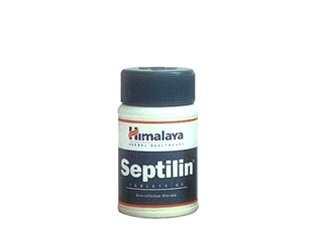
Septilin: Patient-Friendly Guide (Australia)
Septilin is a complementary medicine traditionally used to support the body’s natural defences and help with the management of recurrent respiratory and throat complaints. If you’re looking for a product designed to fit into everyday wellness routines, this guide explains how Septilin works, how it’s typically used, what to expect, and important safety and interaction considerations for customers in Australia.
Note: Always read the label and consumer medicine information (CMI) for your specific Septilin product and follow the directions provided by the manufacturer. If symptoms persist or worsen, seek medical advice.
Basic product information
| Category | Complementary medicine (herbal/supportive) |
|---|---|
| Brand | Septilin |
| Common forms | Usually available as tablets and/or syrup (depending on the specific product range in Australia) |
| Who it’s for | People seeking supportive care for recurrent upper respiratory and throat symptoms |
| How it’s used | Typically as a daily course, often started early when symptoms begin or as a preventive routine as advised |
| Regulatory status | Listed/registered as a complementary medicine in accordance with Australian requirements |
Ingredients: Septilin products in different countries may include a blend of herbal ingredients. The exact formulation can vary by product type (e.g., tablets vs syrup) and by brand version. For the precise ingredients and strengths, check the packaging for the product you’re buying.
How Septilin works (mechanism of action)
Septilin is often described as a supportive herbal formulation that may help maintain healthy mucosal defences and support the immune response in the upper respiratory tract. While herbal products can have multiple active constituents, the overall intent is to:
- Support immune function by helping the body respond effectively to common environmental triggers.
- Support healthy mucus membranes in the nose, throat, and respiratory tract—areas involved in “first-line” defence.
- Contribute to comfort during times when the throat or upper airways feel under strain.
Important: Septilin is not a direct “antibiotic” or an immediate pain-relief medicine. It is generally used as a supportive therapy, and results may build over time with consistent use.
Typical uses (indications)
Septilin is commonly used for supportive care in the following situations, especially where symptoms recur or linger:
- Recurrent throat infections and related discomfort
- Frequent colds and upper respiratory tract wellness support
- Support during upper respiratory symptoms such as sore throat and mild airway irritation
- Support for general respiratory tract resilience in people prone to seasonal or recurring upper respiratory issues
Seek medical advice urgently if you experience severe symptoms such as difficulty breathing, chest pain, signs of a serious infection, high fever, dehydration, or symptoms lasting longer than expected.
Timing: when to take Septilin
Septilin is typically taken as part of a routine. Many consumers use it in one of two ways:
- As a daily course to support resilience (e.g., during times of higher exposure to respiratory infections).
- Early during symptoms to provide supportive care while your body recovers.
Best practice: Use the product label directions for your age group and formulation. Consistency matters more than perfect timing in most cases—however, taking it regularly at roughly the same times each day can help you stay on track.
Dosing (general guidance)
Always check your specific Septilin product label for dosing instructions because the amount can vary by formulation (tablets vs syrup) and age group.
General principles for dosing:
- Use the dose range for your age shown on the pack or prescribed directions from your healthcare professional (if you have discussed it).
- If you’re using Septilin alongside other medicines, separate doses only when required by the interaction risk for those medicines.
- For children, avoid guessing doses. Use only the measured dose provided with the medicine or as per the label.
If you’d like, tell us the exact Septilin variant you’re considering (e.g., tablet or syrup and strength), and we can help you locate the correct label dosing schedule for that product.
Mechanism vs results: what to expect
Because Septilin is supportive rather than immediate, you may notice:
- Gradual improvement in throat/upper airway comfort over days
- Less frequent recurrence when used consistently across seasons (individual experiences vary)
- Better tolerance of routine changes such as seasonal exposure
Contact a healthcare professional if symptoms are not improving within the timeframe you would normally expect, or if they worsen.
Pharmacokinetics (what is known)
For many herbal/complementary medicines, detailed pharmacokinetic data (absorption, distribution, metabolism, and excretion of individual constituents) may not be fully characterised in the way it is for conventional pharmaceuticals. For a product like Septilin, practical guidance focuses more on consistent use and real-world symptom support.
In general terms, herbal constituents may:
- Be absorbed through the gastrointestinal tract after oral administration
- Undergo metabolism in the gut and liver
- Be cleared through normal elimination pathways over time
Practical implication: Rather than relying on “peak blood levels,” the supportive intent means it’s usually used in daily courses so that the body consistently receives the ingredients’ effects during the period of risk or symptoms.
Food interactions
Herbal complementary medicines can interact with food mainly by changing how quickly ingredients dissolve and are absorbed. The most common practical advice is:
- Take Septilin as directed on the label.
- If your label provides instructions (e.g., “with food” or “on an empty stomach”), follow them.
- If you experience nausea or stomach upset, consider taking it after meals—but confirm with the product label first.
Gastrointestinal sensitivity: Some people find herbal syrups (if this formulation is used) easier to tolerate when taken after food, while tablets can be easier if taken with water and not on a completely empty stomach.
Alcohol and medicine interactions
Alcohol: Moderate alcohol intake may not specifically “cancel” Septilin’s effect, but alcohol can worsen dehydration and irritate the throat, potentially affecting how you feel during respiratory symptoms. During illness, many people are advised to limit alcohol.
Syrup formulation note: If your Septilin is a liquid/syrup, check the label for any alcohol content (some liquid products may contain small amounts). If you are avoiding alcohol completely (for health, cultural, or medical reasons), review the ingredients panel and excipients section.
Other medicines: Because Septilin is a mixed herbal product, interactions can be hard to predict. Consider caution if you take medicines such as:
- Immune-modifying medicines (e.g., treatments affecting immune activity)
- Blood-thinning medicines (warfarin or similar)
- Medicines processed by the liver (many herbal ingredients can influence metabolic pathways)
Best approach: If you’re taking regular prescription or non-prescription medicines, including herbal supplements, speak with a pharmacist or healthcare professional before starting Septilin—especially if you have chronic conditions or take multiple medicines.
Safety profile and precautions
Septilin is generally well tolerated by many people when used according to the label. However, all medicines and complementary products can cause side effects or be unsuitable for some individuals.
Common side effects
Possible side effects may include:
- Mild gastrointestinal discomfort (e.g., nausea, indigestion)
- Loose stools in some cases
- Headache or general mild discomfort (uncommon)
Stop use and seek medical advice if you develop worrying symptoms.
When you should not use Septilin (check label)
Avoid Septilin or seek professional advice first if you:
- Have a known allergy to any herbal ingredients or excipients
- Have a history of significant adverse reactions to herbal medicines
- Are pregnant or breastfeeding (speak with a healthcare professional first)
- Are giving it to a child—use only the age-appropriate product and dose
Long-term use
Some people use Septilin as seasonal support. If you plan to take it for an extended period, it’s sensible to review your health situation with a healthcare professional—particularly if you experience frequent infections or have ongoing symptoms.
Practical use tips (to get the most from your routine)
- Start early in your symptom cycle: If your pattern is that throat or upper respiratory symptoms start off mildly, begin the supportive routine early as the label suggests.
- Be consistent: Take the recommended dose regularly for the recommended course duration.
- Hydrate: Drink water regularly—this supports mucus membrane comfort during upper airway irritation.
- Support sleep and nutrition: Adequate rest and good nutrition complement any supportive therapy.
- Track changes: Note how quickly your symptoms improve. If there’s no improvement or symptoms worsen, seek advice.
Alternative options
If you’re considering alternatives to Septilin, it may help to think in categories:
Other complementary approaches
- Herbal throat support (e.g., lozenges or syrups aimed at soothing the throat)
- Immune-support supplements (vitamin C, zinc, or blend formulas—choose based on your needs and evidence)
- Probiotics (some people use these to support gut health, which may influence immune function)
Conventional symptom relief
- Paracetamol or ibuprofen for pain/fever (follow label directions and consider medical history)
- Saline nasal rinses and steam inhalation for congestion comfort
- Throat sprays/lozenges for local soothing
Choosing the right option: If your symptoms are frequent, severe, or associated with complications (e.g., recurrent bacterial tonsillitis), talk to a healthcare professional to ensure you’re addressing the underlying cause.
Market and legal context for Australia
In Australia, complementary medicines are regulated under the Therapeutic Goods Administration (TGA) framework. Depending on classification, products may be:
- Listed (generally lower risk and assessed against specific criteria), or
- Registered (requires more evidence supporting quality, safety, and efficacy for specified claims).
Manufacturers must meet requirements for quality, labelling, and safety monitoring, including clear instructions for use and precautions. Product claims are usually limited to what is permitted by the relevant listing/registration category.
For Septilin specifically, always rely on the claims and directions shown in the current Australian packaging and CMI, as formulations and permitted indications can change over time.
Recent guidance and best practice (Australia-focused)
While guidance evolves, a few consistent, Australia-wide principles apply for respiratory support:
- Don’t delay medical review for severe symptoms, high fever, shortness of breath, or dehydration.
- Check labels for age suitability (especially for liquid products and dosing frequency).
- Use complementary medicines responsibly: follow directions, avoid stacking multiple similar herbal products, and review interactions with pharmacists.
- Consider prevention alongside supportive therapies: vaccination (where appropriate), hand hygiene, and avoiding smoke exposure.
If you have underlying conditions (such as asthma, COPD, immunodeficiency, or frequent infections), professional advice is particularly important.
Delivery and availability
Septilin is commonly available through Australian pharmacies and online stores depending on the current stock, formulation, and availability. Online ordering typically offers:
- Convenient home delivery (delivery times depend on your location)
- Clear product selection to help you choose the correct variant (tablets vs syrup)
- Support from pharmacy staff for product questions and dosing guidance
Availability may vary due to supplier shipments and demand. When ordering online, confirm you are purchasing the Australian-labelled Septilin product with current instructions and ingredients.
FAQ: Septilin
1. What is Septilin used for?
Septilin is used as supportive care for recurrent throat and upper respiratory tract symptoms and to help maintain respiratory resilience during times when symptoms are more likely.
2. How long should I take Septilin?
Duration depends on your product’s label instructions and your personal situation. Many people use it in a course and reassess based on symptom improvement. Follow the directions on the pack or CMI.
3. Can I take Septilin with other medicines?
In many cases, it may be possible, but because it’s a herbal/complementary product, interactions can’t always be predicted with certainty. If you take regular medicines—especially immune-modifying medicines, blood thinners, or treatments affecting liver metabolism—speak with a pharmacist before use.
4. Does Septilin replace antibiotics?
No. Septilin is supportive and is not intended as a substitute for prescription treatment when you need it. If a healthcare professional has advised treatment for an infection, follow their guidance.
5. Can I take Septilin on an empty stomach?
It depends on your formulation and label directions. If you experience stomach discomfort, consider taking it after meals. Always follow the label.
6. Is Septilin suitable for children?
Only use the age-appropriate product/strength and follow the dosing instructions on the label. If you’re unsure, ask a pharmacist, particularly for children with chronic conditions or frequent infections.
7. What if I miss a dose?
If you miss a dose, take it when you remember unless it’s close to the next dose. Do not take double doses.
8. Are there any side effects?
Some people may experience mild gastrointestinal upset. Stop use and seek medical advice if you experience severe symptoms, allergy signs (such as rash, swelling, or breathing difficulties), or symptoms that worsen.
9. Does alcohol affect Septilin?
Alcohol may irritate the throat and worsen illness comfort. If your Septilin is a syrup, check the label for any alcohol-containing ingredients/excipients. During illness, limiting alcohol is generally sensible.
10. When should I see a doctor?
Seek medical advice promptly if you have severe symptoms, difficulty breathing, chest pain, high fever, dehydration, or if symptoms persist or worsen beyond expected recovery time.
Disclaimer: This information is provided for general education and does not replace personalised advice from a qualified healthcare professional. Always read the product label and CMI for the Septilin variant you purchase in Australia.