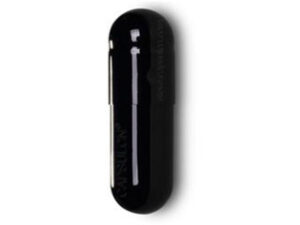


Confido (Australia) — Patient-Friendly Medicine Information
Confido is a prescription medicine used to treat certain inflammatory and allergic conditions. This page provides general, patient-friendly information about how Confido works, how it is typically used, and important safety and interaction considerations for people in Australia.
Important: Always follow the instructions provided by your doctor or pharmacist and the directions on the product packaging. If you have questions about whether Confido is suitable for you, speak with a health professional.
Quick overview
| Topic | Summary |
|---|---|
| Medicine name | Confido |
| What it’s used for | Helps reduce inflammation and related symptoms in approved conditions |
| How it works | Reduces inflammatory signalling in the body (mechanism explained below) |
| How long it takes | Some symptom relief may occur quickly; full benefit may take days to weeks depending on the condition |
| Food effects | Food may affect absorption for some formulations—follow your specific product instructions |
| Alcohol | Alcohol may increase side effects for some people; moderation is advised and discuss with your pharmacist |
| Key safety points | Watch for infection risk, mood or sleep changes, stomach irritation, and other potential adverse effects |
Basic product information
Confido is an anti-inflammatory medicine. Depending on the specific product presentation available in Australia (for example, capsule/tablet and strength), the active ingredient and exact dosing instructions may vary.
To make sure you have the right information:
- Check the label for the active ingredient, strength, and form.
- Read the Consumer Medicine Information (CMI) leaflet supplied with your medicine.
- Ask your pharmacist if you are unsure about your specific formulation.
Mechanism of action (how Confido works)
Confido helps control symptoms by reducing inflammation. While the precise mechanism depends on the active ingredient, anti-inflammatory medicines typically:
- Decrease the activity of inflammatory pathways in the body
- Reduce immune signalling that contributes to swelling, redness, pain, and discomfort
- Help improve function and reduce symptom flare-ups in conditions where inflammation plays a key role
What this means for you: Confido doesn’t “cure” underlying causes immediately. Instead, it helps the body calm an overactive inflammatory response, leading to symptom relief over time.
Pharmacokinetics (what the body does to the medicine)
Pharmacokinetics describes how the body absorbs, distributes, metabolises, and eliminates a medicine.
- Absorption: After taking Confido, the medicine is absorbed from the gastrointestinal tract. Absorption can vary depending on formulation, whether you take it with food, and your individual factors (for example, gut health).
- Distribution: Once in the bloodstream, the medicine distributes to target tissues involved in inflammation.
- Metabolism: The medicine is metabolised mainly in the liver (or other relevant pathways depending on the active ingredient).
- Elimination: Metabolites and/or the active form are removed from the body primarily via urine and/or bile/feces.
Why this matters: Understanding pharmacokinetics can help explain why dosing schedules may be consistent and why dose adjustments might be needed in people with liver or kidney problems.
Typical use and indications
Confido is used for inflammatory and immune-related conditions where reducing inflammation is beneficial. In Australia, indications are defined by the approved product information. Typical indications may include:
- Inflammatory conditions that require symptom control and reduction of flare-ups
- Allergic or inflammatory reactions as directed by a clinician
- Other conditions where the product is indicated based on the active ingredient and formulation
Only use Confido for the condition(s) it has been prescribed for and as indicated for your specific product.
How and when to take Confido
Follow your prescriber’s instructions closely. If you have misplaced your directions, contact your pharmacy for clarification.
Timing
- Consistency is important: Take Confido around the same time each day to maintain steady effects.
- Morning vs evening: Some anti-inflammatory medicines may cause sleep disturbance or changes in energy. Many people are advised to take them earlier in the day if advised by their clinician or CMI.
- For flare-ups: Do not start or stop abruptly unless your clinician tells you to. Some medicines require gradual changes to reduce risk.
With or without food
Whether you should take Confido with food depends on your exact formulation and active ingredient.
- If the CMI advises “with food”, follow it—food may improve absorption or reduce stomach upset.
- If the CMI advises “without food”, follow that advice for best effect.
- If you experience stomach discomfort: Speak with your pharmacist about whether taking with a light meal is appropriate for your specific product.
Dose scheduling example (general)
Your dose may vary by condition, symptom severity, and your response. As a general guide, many anti-inflammatory regimens involve:
- Initial dosing to gain control of symptoms
- Adjustment to the lowest effective dose over time
- Regular review with a clinician, especially for longer-term use
Dosing information (general guidance)
Dosing must be individualised. The exact dose and duration of Confido depends on:
- The specific condition being treated
- Your age and overall health
- Any other medicines you take
- How you respond to treatment
Do not change your dose without medical advice. Some medicines in this class require tapering to avoid rebound symptoms or adrenal suppression (depending on the active ingredient and duration of treatment).
Typical dosing patterns (illustrative only)
Depending on the indication, clinicians may use:
- Short-term dosing during flare-ups
- Longer-term regimens at the lowest effective dose for ongoing control
- Gradual dose reductions when stopping after extended use
If you want, you can share the strength and instructions on your label (no personal identifiers needed), and we can help you interpret timing and practical use—always in line with the written directions you receive.
Food interactions
Food interactions can affect how much medicine you absorb and how your stomach tolerates it.
- Take with food if advised: This may help reduce nausea or gastric irritation.
- Avoid sudden dietary changes: While diet usually does not drastically alter most anti-inflammatory medicines, changes in overall nutrition can influence how you tolerate therapy.
- Grapefruit and similar products: Some medicines interact with fruit components that affect liver enzymes. Only consider this if your specific Confido active ingredient has known interactions—ask your pharmacist if unsure.
Tip: If you notice symptoms worsen after changing your meal timing (for example, taking doses on an empty stomach), discuss this with your pharmacist.
Alcohol and medicine interactions
Alcohol may increase the risk of side effects such as:
- Stomach irritation or reflux
- Dizziness or drowsiness in some people
- More pronounced mood changes or sleep disturbance
General recommendation: Keep alcohol intake minimal while taking Confido, especially during the first days of treatment. If you use alcohol regularly, talk to your pharmacist or doctor about what’s safe for you.
Drug–drug interaction reminder: If you take other medicines (including over-the-counter products and supplements), interactions can occur. It’s important to review your full list with a healthcare professional.
Safety profile and side effects
Most medicines have side effects. Many are mild and manageable, but some require urgent medical attention. Your CMI provides the most accurate listing for your specific product.
Common side effects
- Indigestion, heartburn, or stomach upset
- Changes in appetite
- Headache
- Sleep disturbance or feeling more “wired”
- Mood changes (for example, irritability)
Serious side effects (seek urgent medical advice)
Contact a clinician urgently or seek emergency help if you experience symptoms such as:
- Signs of infection (fever, severe sore throat, unusual weakness)
- Severe allergic reactions (swelling of face/lips, trouble breathing, hives)
- Severe abdominal pain, black/tarry stools, or vomiting blood (possible gastrointestinal bleeding)
- Chest pain, severe shortness of breath, or fainting
- Severe mood/behaviour changes, confusion, or suicidal thoughts
Longer-term risks (important for extended use)
If Confido is used for longer periods, certain risks may increase depending on the dose and duration, such as:
- Increased susceptibility to infections
- Effects on bone health (osteoporosis risk)
- Changes in blood sugar and possible worsening of diabetes
- Fluid retention and blood pressure changes
- Eye-related effects (for some medicines in this category)
Monitoring: Your clinician may recommend blood tests and other monitoring based on your situation.
Practical use tips
- Use a routine: Choose a time you can reliably remember.
- Don’t miss doses: Take it as soon as you remember on the same day unless it’s nearly time for the next dose—follow your label instructions.
- If you miss a dose: Take the next dose at the usual time. Do not double up unless instructed.
- Take care of your stomach: If you get indigestion, consider food timing (only if compatible with the label) and avoid NSAIDs unless advised.
- Stay alert to infection signs: Contact your doctor if you develop fever or unusual symptoms.
- Medication review: Keep a list of your medicines, including supplements and occasional treatments, and review it with your pharmacist.
- Adherence matters: Don’t stop suddenly if you’ve been taking it regularly—ask about tapering or stopping plans.
Alternative options
Depending on your condition, a clinician may consider alternative treatments. Alternatives can include:
- Other anti-inflammatory medicines with different dosing or side-effect profiles
- Topical treatments for localised inflammation (when appropriate)
- Non-steroidal options (if suitable for your condition and medical history)
- Biologic or targeted medicines for certain immune-driven conditions (specialist-led)
- Supportive therapy such as physiotherapy, moisturisers/emollients, or allergy avoidance strategies depending on the diagnosis
Choosing an alternative: The best option depends on your diagnosis, severity, comorbidities, and previous treatment response. Discuss benefits and risks with your healthcare professional.
Market and legal context for Australia
In Australia, access to medicines is regulated through the Therapeutic Goods Administration (TGA) and prescribing/dispensing rules. Confido is available through lawful supply channels and must be used in line with the Australian approved product information.
- Regulatory oversight: Products sold in Australia must comply with TGA standards.
- Pharmacist involvement: Pharmacists help ensure medicines are suitable, safe, and used correctly.
- Online pharmacy requirements: Reputable online pharmacies operate under Australian rules and provide medicines through appropriate supply arrangements.
Recent guidance: Guidance for safe use of anti-inflammatory medicines often emphasises correct dosing, infection awareness, monitoring for long-term risks, and careful review of drug interactions. If you are using Confido for longer than expected, schedule regular check-ins with your clinician.
Delivery and availability (Australia)
Availability can vary depending on your location and stock levels. Many online pharmacies in Australia aim to provide timely dispatch for commonly stocked medicines and may offer:
- Home delivery across Australia where allowed
- Tracking once your order has been dispatched
- Fast dispatch for items held in local stock
- Backorder options if a specific strength or presentation is temporarily unavailable
Before ordering: Confirm the strength, dosage form, and the number of days’ supply you need. If you are unsure, a pharmacist can help you verify details.
FAQ — Confido
1) What is Confido used for?
Confido is used to reduce inflammation for conditions where this benefit is approved. The exact indication depends on the active ingredient and the approved product information for your specific Confido presentation.
2) How quickly will Confido work?
Some people notice symptom improvement within days. However, for some inflammatory conditions, full benefit may take longer. Your clinician can give a more personalised timeframe based on your diagnosis and dose.
3) Can I stop Confido suddenly?
Do not stop suddenly without advice—especially if you have been taking it regularly for more than a short period. Ask your doctor or pharmacist about the correct way to stop or taper.
4) Should I take Confido with food?
It depends on your specific product instructions. Some people are advised to take it with food to reduce stomach upset; others may be instructed to take it without food for absorption reasons. Follow the label/CMI for your exact Confido.
5) What should I do if I miss a dose?
In most cases, take it when you remember on the same day, then continue as scheduled. If it is close to the next dose, skip the missed one. Do not double up unless your pharmacist or CMI instructs otherwise.
6) Are there interactions with other medicines?
Yes. Interactions may occur with certain antibiotics, antifungals, seizure medications, blood thinners, diabetes medicines, and more—plus supplements. Always provide your full medication list to your pharmacist.
7) Can I drink alcohol while taking Confido?
Alcohol may increase side effects such as stomach irritation, dizziness, or mood/sleep changes. It’s best to limit alcohol and discuss your drinking habits with your pharmacist, particularly if you drink regularly.
8) Who should be extra cautious when using Confido?
Extra caution is needed if you have diabetes, a history of stomach ulcers or bleeding, frequent infections, liver disease, osteoporosis risk, glaucoma/cataracts (depending on the active ingredient), or significant mental health history. Your clinician can advise on monitoring and precautions.
9) What monitoring might be needed?
Depending on dose and duration, your doctor may recommend monitoring blood pressure, blood sugar, infection signs, bone health, and other relevant parameters.
10) What if I feel unusually unwell?
If you develop fever, severe sore throat, persistent vomiting, black stools, severe abdominal pain, breathing difficulty, or severe mood/behaviour changes, seek urgent medical advice.
Need help choosing or taking Confido? Our pharmacists can assist you with product selection, dosing timing, and interaction checks based on your medication list.