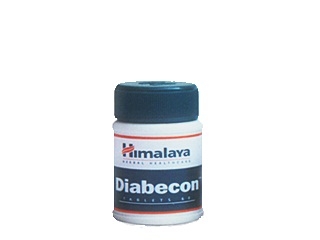

Diabecon (for Adults) — Patient-Friendly Guide
Diabecon is an oral medicine used to help support healthy blood sugar levels in people with diabetes. This page is designed to help you understand how it works, how to take it, what to expect, and important safety information. It is written for an Australian audience and uses practical language for everyday use.
Important: Always follow the directions given by your healthcare professional and the instructions on your product packaging. If you have any questions about whether Diabecon is suitable for you, speak with a pharmacist or doctor.
Quick Overview
- Medicine name: Diabecon
- Form: Oral tablet (strength and formulation may vary by brand/pack)
- Purpose: Helps support blood glucose control
- Common use: Type 2 diabetes management (as part of an overall plan)
- How it works: Improves glucose handling and helps reduce blood sugar spikes
- Typical timing: Usually taken with meals (follow your label)
- Common side effects: Mild gastrointestinal symptoms may occur
What Is Diabecon?
Diabecon is an oral anti-diabetic medicine. People typically use it to help manage blood sugar as part of a broader approach that may also include diet, physical activity, weight management, and other diabetes medications where needed.
In Australia, diabetes care is commonly guided by evidence-based clinical pathways and national recommendations. Diabecon may be used alone or in combination with other glucose-lowering therapies depending on individual needs.
How Diabecon Works (Mechanism of Action)
Diabecon helps support blood sugar control through effects on how the body processes glucose after meals. While the exact formulation details can vary, the overall therapeutic effect of Diabecon is to reduce post-meal blood glucose rises and improve overall glucose regulation.
In practical terms, Diabecon is often chosen for its ability to assist with:
- Reducing glucose absorption or post-meal spikes: Supporting steadier blood glucose after eating
- Improving insulin sensitivity: Helping the body use insulin more effectively (where applicable)
- Supporting longer-term glycaemic control: When taken consistently as part of a plan
Your response to treatment may vary. The goal is usually to keep glucose in a target range recommended by your clinician.
Pharmacokinetics (What the Body Does to the Medicine)
Pharmacokinetics describes how the body absorbs, distributes, metabolises, and eliminates a medicine. While individual results can differ, typical considerations for medicines like Diabecon include:
- Absorption: Oral absorption after swallowing the tablet
- Onset: The effect is often most noticeable around meal times if taken with food
- Metabolism: Processed in the body before excretion
- Elimination: Cleared primarily through metabolic pathways and excretion
For exact pharmacokinetic values (such as time to peak concentration), always refer to the product-specific consumer information or your pharmacist. If you have kidney or liver conditions, ask your pharmacist—dose adjustments or closer monitoring may be needed.
Typical Indications (When Diabecon May Be Used)
Diabecon is generally indicated for helping manage blood glucose in people with type 2 diabetes. It is used as part of an overall diabetes management plan.
Your clinician may consider Diabecon if:
- You need additional support beyond lifestyle changes
- You are already on diabetes treatment and require further glucose control
- Your doctor/pharmacist recommends it based on your overall risk profile and current therapy
Diabecon is not a substitute for recommended lifestyle changes or regular monitoring. Never stop or change diabetes medicines without professional advice.
Timing: When to Take Diabecon
Many glucose-lowering medicines work best when timed with meals, particularly to reduce post-meal blood sugar rises. Diabecon is commonly taken with food (for example, at breakfast and/or dinner), but your specific dosing instructions may differ.
Follow these general timing principles:
- Take it consistently: Try to take each dose at the same times daily.
- Take with meals if directed: Food can improve tolerability and support the intended effect.
- Do not double doses: If you miss a dose, take it when you remember unless it is close to your next dose (then skip).
If you’re unsure when to take your tablet(s), consult the packaging or a pharmacist.
Dosing: How Much to Take
Dosing of Diabecon can vary depending on:
- Your blood glucose targets
- Whether you are using other diabetes medicines
- Your age, kidney function, and overall health
Always check your product label or the instructions provided with your medicine. Below are general dosing patterns people commonly follow for medicines in this class; your clinician’s instructions take priority.
| Situation | Typical approach | Notes |
|---|---|---|
| Starting therapy | Begin with the dose stated on your label | Some people are started low and adjusted based on glucose monitoring. |
| Ongoing use | Usually divided doses with meals (if prescribed) | Consistency helps improve glucose control. |
| Combination therapy | May require adjustment when used with other medicines | Your clinician may tailor doses to reduce side effects or improve control. |
| Missed dose | Take as soon as you remember, unless near next dose | Do not double up to “catch” missed doses. |
If you experience symptoms of low blood sugar (hypoglycaemia), or your readings are unexpectedly low, seek advice promptly. Timing and dose may need review.
Food Interactions and Meal Advice
Food can affect how some diabetes medicines behave in your body. For Diabecon, it is commonly recommended to take it with meals to support effectiveness and reduce gastrointestinal discomfort.
Practical meal tips:
- Try to eat regularly: Avoid long gaps between meals if you’re at risk of low blood sugar.
- Keep carbohydrate intake steady: Large swings in carbohydrate intake can affect glucose readings.
- Watch for stomach upset: If you experience nausea or stomach discomfort, taking with food may help.
Avoid making major dietary changes suddenly without discussing them with your clinician, especially if you use other glucose-lowering medicines.
Alcohol and Medicine Interactions
Alcohol can increase the risk of hypoglycaemia in some people, particularly when combined with glucose-lowering medicines or when you drink on an empty stomach.
General advice for alcohol use with diabetes medicines:
- Limit alcohol: Follow Australian guidelines and your healthcare professional’s advice.
- Never drink on an empty stomach: Have food first.
- Monitor your glucose: Blood sugar can drop after alcohol in some cases.
- Be cautious with sugary mixers: They may raise blood glucose.
If you plan to drink alcohol, consider speaking with your pharmacist about your personal risk—especially if you have a history of low blood sugar episodes or kidney problems.
Other Medicine Interactions
Several medications can interact with diabetes treatments by affecting blood sugar levels or the way Diabecon is processed. Always tell your pharmacist or doctor about all medicines you take, including:
- Other diabetes medicines (insulin, sulfonylureas, metformin, etc.)
- Blood pressure medications
- Cholesterol-lowering medicines
- Thyroid medicines
- Some antibiotics or antifungals
- Herbal products and supplements
Seek advice urgently if you start a new medicine and notice unusual symptoms or significant changes in glucose readings.
Safety Profile: Side Effects and When to Seek Help
Most people tolerate Diabecon well. However, like all medicines, it can cause side effects. The severity and likelihood vary from person to person.
Common side effects
- Gastrointestinal symptoms: nausea, stomach discomfort, bloating, diarrhoea (may occur, often mild)
- Loss of appetite (less commonly)
- Headache (occasionally)
Less common but important risks
- Low blood sugar (hypoglycaemia): more likely if used with other glucose-lowering medicines or if meals are skipped
- Allergic reactions: rash, itching, swelling, or breathing difficulties (rare)
Signs of low blood sugar (hypoglycaemia)
- Shaking, sweating, dizziness
- Hunger or nausea
- Confusion, irritability, or weakness
- Fast heartbeat
If you suspect hypoglycaemia, check your blood glucose if possible. Take fast-acting carbohydrate according to your action plan (for example, glucose tablets or sugary drink), then recheck as advised.
When to get urgent medical help
- Severe allergic symptoms (swelling of face/lips, trouble breathing)
- Fainting, seizures, or severe confusion
- Persistent vomiting preventing you from taking your medicine
If you are unsure whether symptoms are serious, contact Healthdirect Australia (1800 022 222) or seek medical care.
Practical Use Tips (How to Get the Best Results)
Diabecon works best when paired with consistent daily routines and monitoring. Here are practical tips that can improve real-world effectiveness:
- Set a routine: Link doses to breakfast or dinner so you don’t forget.
- Use a pill organiser: Especially if you take other medicines.
- Monitor glucose as recommended: Track your blood sugar and discuss trends with your clinician.
- Keep lifestyle steady: Aim for consistent meal timing and carbohydrate intake.
- Know your action plan: Keep fast-acting sugar accessible if you are at risk of hypoglycaemia.
- Report side effects early: If you develop stomach upset, tell your pharmacist—timing or supportive advice may help.
Important: Do not use Diabecon to correct urgent symptoms of high or low blood sugar. Follow your diabetes management plan for emergencies.
What to Expect: Effect on Blood Sugar
Blood sugar changes are usually assessed over days to weeks using finger-stick readings and/or HbA1c testing. If you’re newly starting Diabecon, you may notice effects around meal times soon after you begin, but full benefits are typically evaluated after a period of consistent use.
- Short term: may help reduce post-meal glucose rises when taken correctly with food
- Long term: contributes to better average glucose control alongside lifestyle and any other therapies
If your glucose remains high or you experience frequent lows, speak with your clinician promptly. Your dose, timing, or other medications may require review.
Alternative Options
If Diabecon isn’t suitable or you need additional control, there are other treatment options for type 2 diabetes. Your clinician chooses based on your individual health status, risks, and glucose patterns.
Common alternative categories include:
- Metformin (often first-line)
- Sulfonylureas (can increase hypoglycaemia risk)
- GLP-1 receptor agonists (injection; may aid weight and glucose control)
- SGLT2 inhibitors (oral; can have kidney/heart benefits for suitable patients)
- DPP-4 inhibitors (oral; generally lower hypoglycaemia risk)
- Insulin (used when needed to control glucose)
Additionally, a clinician may adjust lifestyle strategies such as meal planning, physical activity, and weight management. If you are considering alternatives, ask your pharmacist to help you understand trade-offs and side-effect profiles.
Diabecon in the Australian Market: Legal and Quality Context
In Australia, medicines are regulated by the Therapeutic Goods Administration (TGA). When purchasing diabetes medicines online, it’s important to choose a reputable pharmacy and ensure products are genuine and supplied according to Australian requirements.
The availability of specific diabetes medicines can vary depending on TGA listing status, supply arrangements, and pharmacy stock. Always verify the product details (brand, strength, pack size) before ordering.
Recent guidance (general): Australia’s diabetes management emphasises individualised care and ongoing monitoring, including appropriate lifestyle support and periodic assessment of HbA1c and kidney function. Your clinician may review therapy regularly to ensure benefits outweigh risks.
If you’re unsure about whether Diabecon is currently listed and suitable for your circumstances, ask your pharmacist.
Delivery and Availability
Online pharmacies in Australia commonly offer fast dispatch and home delivery. Availability may depend on stock levels and the specific pack size you choose.
- Dispatch times: typically within 1–2 business days (varies by pharmacy and location)
- Delivery options: standard and express may be available
- Packaging: medications are usually shipped in protective packaging
- Temperature: store tablets according to label instructions; most tablets are stable at room temperature
When you order, check:
- The medicine name and strength
- The quantity and expiry date
Frequently Asked Questions (FAQ)
1) What is Diabecon used for?
Diabecon is used to help support blood glucose control in people with type 2 diabetes, as part of an overall management plan.
2) How do I take Diabecon?
Follow the instructions on the packaging or provided by your healthcare professional. Many people take Diabecon with meals. If you’re unsure about timing, ask your pharmacist.
3) Can I take Diabecon on an empty stomach?
Because meal timing can influence effectiveness and tolerability, it’s generally recommended to take it with food unless your instructions say otherwise. If you accidentally take a dose without food, check your pharmacist’s advice rather than changing your plan abruptly.
4) What should I do if I miss a dose?
Take it when you remember if it is not close to the next dose. If the next dose is soon, skip the missed dose. Do not double up to make up for a missed tablet.
5) Does Diabecon cause low blood sugar?
Hypoglycaemia is possible with diabetes medicines, particularly when combined with other glucose-lowering treatments or if meals are skipped. Learn the symptoms and follow your action plan.
6) Are there food interactions?
Taking Diabecon with meals is often recommended. Consistent meal patterns can help stabilise blood glucose. Large changes in carbohydrate intake may affect your readings.
7) Can I drink alcohol while taking Diabecon?
Alcohol can increase the risk of low blood sugar and can also affect how you feel and eat. If you drink, do so in moderation, with food, and monitor your glucose if advised.
8) What other medicines may interact with Diabecon?
Many medicines can affect blood sugar control or diabetes risk. Tell your pharmacist about all medicines and supplements you use, especially other diabetes treatments.
9) How long does it take to work?
Some effect on post-meal glucose may occur soon after starting, but full assessment is usually done over weeks using blood glucose trends and HbA1c testing.
10) Who should not use Diabecon?
Suitability depends on your medical history. Certain conditions (for example, relevant allergy history, or specific kidney/liver issues) may require caution. Check with a pharmacist or doctor if you have comorbidities.
Storage and Handling
Store Diabecon according to the directions on the pack, typically at room temperature and away from moisture and heat. Keep out of reach of children. Do not use after the expiry date.
Need More Help?
If you have questions about Diabecon—such as how to time doses, what to do about missed doses, or concerns about side effects— contact a pharmacist. They can help you understand how to fit the medicine safely into your daily diabetes routine.