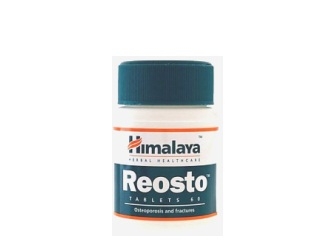
Reosto (Carbocisteine) – Patient Information Guide (Australia)
Reosto is a mucolytic medicine used to help loosen and thin mucus, making it easier to clear from the airways. If you have a chesty cough with thick, sticky phlegm, Reosto may help you feel more comfortable and breathe more easily by supporting natural mucus clearance.
This page provides clear, patient-friendly information about how Reosto works, how to take it, what to expect, and important safety considerations for use in Australia.
Quick overview
- Medicine: Reosto
- Active ingredient: Carbocisteine
- Common use: Helps loosen thick mucus (phlegm) in the chest and airways
- Typical forms: Available as oral preparations (follow your pack instructions)
- How it helps: Thins mucus so you can cough it out more easily
Basic product information
| Category | What you should know |
|---|---|
| Brand name | Reosto |
| Active ingredient | Carbocisteine |
| Medicine type | Mucolytic / expectorant |
| Main action | Helps break down and thin mucus in the airways |
| Where it works | In respiratory mucus (lungs/airways) |
| Typical course | Use for the shortest time needed for symptoms (follow pack instructions) |
Note: Reosto packs may differ by strength and formulation. Always check your label for the exact dose and instructions.
How Reosto works (mechanism of action)
Carbocisteine, the active ingredient in Reosto, is a mucolytic. Mucus in the chest can become thick, sticky, and hard to clear—especially during colds, flu-like illnesses, bronchitis, or other conditions that increase mucus production.
Reosto helps by:
- Improving mucus properties: It helps normalise and thin mucus, making it less viscous (less thick).
- Supporting mucus clearance: Thinner mucus is generally easier to cough up, helping clear the airways.
- Reducing “chesty” congestion: By making phlegm easier to move, it may relieve the sensation of blockage.
Reosto does not usually stop a cough immediately; instead, it helps address the underlying mucus thickness that makes coughing difficult.
Pharmacokinetics (how your body handles it)
Pharmacokinetics describes how the medicine is absorbed, distributed, metabolised, and eliminated.
- Absorption: Carbocisteine is absorbed after oral administration.
- Distribution: It reaches tissues involved in respiratory mucus production.
- Metabolism: The medicine undergoes metabolic processes in the body.
- Elimination: It is mainly removed from the body through renal (kidney) pathways.
Why this matters: People with significant kidney impairment may require extra caution. If you have reduced kidney function, speak with a pharmacist before use.
What Reosto is typically used for (indications)
Reosto is commonly used to treat chesty coughs associated with:
- Thick, sticky phlegm
- Airway mucus congestion in respiratory tract infections (such as the common cold)
- Acute bronchitis symptoms where mucus is prominent
- Conditions that produce excess bronchial secretions (as advised by a healthcare professional)
Important: Reosto helps with mucus. It does not treat the underlying cause of an infection (for example, it is not an antibiotic). If symptoms suggest a serious infection or worsen, seek medical assessment promptly.
When to take Reosto (timing and how to fit it into your day)
Follow your pack or pharmacist’s instructions for the exact frequency. In general, mucolytics are taken regularly for best effect, so mucus continues to be thinned over time.
Practical timing tips:
- Consistency: Take doses at evenly spaced times.
- Before bed: If you’re taking it in the evening, consider how it affects your coughing—some people cough more as mucus loosens.
- Hydration helps: Drinking water can support thinner secretions.
Starting to feel better: Some people notice improvement within a day or two, while others may take longer depending on the cause and severity of their symptoms.
Dosing (typical guidance)
Dosing depends on the strength of your Reosto product and your age. Always check your specific pack instructions.
General dosing approach:
- Adults: Follow the labeled adult dose and dosing interval.
- Children: Use only if the product is specifically indicated for paediatric use and the pack provides dosing for the child’s age/weight.
Do not:
- Use a higher dose than stated on the pack.
- Continue longer than recommended on your packaging or advised by a healthcare professional.
If you’re unsure which Reosto strength you have or how to measure it (particularly for liquids), ask a pharmacist or check the dosing instructions on your label.
Food interactions
For most patients, carbocisteine can be taken without strict timing around meals. However, tolerability can vary.
General advice:
- If you experience nausea or stomach discomfort, take Reosto after food (unless your pack says otherwise).
- Stay hydrated, as fluids can support mucus clearance.
What to avoid: No specific “must avoid” food interactions are commonly required, but always check your product leaflet for the most accurate guidance for your formulation.
Alcohol and medicine interactions
There isn’t a widely known major direct interaction between carbocisteine and alcohol, but alcohol can:
- Dry out airways and worsen throat irritation
- Disrupt sleep during respiratory illnesses
- Increase the risk of dizziness or stomach upset in some people
Practical recommendation: If you are currently unwell with a chesty cough, it’s generally best to limit or avoid alcohol while taking Reosto. If you plan to drink, do so in moderation and monitor for increased side effects (such as nausea or stomach discomfort).
Other medicines: If you take other cough/cold products, confirm ingredients with a pharmacist. Some “multi-symptom” cold remedies contain additional active ingredients that may affect sedation, blood pressure, or stomach tolerability.
Safety profile and side effects
Most people tolerate Reosto well when used as directed. However, like all medicines, it can cause side effects.
Common side effects
- Gastrointestinal effects such as nausea, vomiting, diarrhoea, or stomach discomfort
- Heartburn or indigestion (in some people)
Less common but important side effects
- Allergic reactions (such as rash, itching, hives)
- Breathing difficulties or swelling (seek urgent help)
Seek urgent medical attention if you experience
- Signs of severe allergy: swelling of face/lips, wheezing, difficulty breathing
- Severe or persistent vomiting or inability to keep fluids down
- Symptoms of a serious chest infection (see below)
When to be cautious (special populations)
- Kidney impairment: Since carbocisteine is eliminated mainly via the kidneys, extra caution may be needed.
- History of stomach ulcers or severe reflux: If you have a sensitive stomach, take with food and speak with a pharmacist if symptoms worsen.
- Children: Only use paediatric dosing recommended for the specific product strength and age range.
- Pregnancy and breastfeeding: Discuss with a healthcare professional or pharmacist for personalised guidance.
Practical use tips (to get the most from Reosto)
Reosto works best when combined with good supportive care for chesty coughs.
- Drink fluids: Warm water or other non-alcoholic drinks may help loosen mucus.
- Humidify air: If your environment is dry, a humidifier or steamy shower (carefully) may ease irritation.
- Use effective coughing techniques: Avoid forcing painful coughs. Try taking a few deep breaths and coughing gently but productively.
- Rest: Your body clears mucus more effectively when you’re well rested.
- Check your symptoms: If phlegm becomes significantly worse, changes colour to green/bloody, or you develop fever, seek advice.
Avoid misuse: Don’t combine multiple mucolytics unless your pharmacist advises it. Using several similar products can increase the risk of side effects without added benefit.
Alternative options for chesty cough and thick mucus
Depending on your symptoms and medical history, alternatives may include:
- Other mucolytics/expectorants (different active ingredients with similar aims—thinning mucus)
- Hydration and lifestyle measures such as steam inhalation, warm fluids, and humidified air
- Treating contributing conditions (for example, managing allergies or reflux if suspected)
- Non-medicine options like honey for sore throat/cough (not for children under 12 months)
Important: If you’re considering an alternative, ask your pharmacist to check compatibility with your current medicines and to confirm the most appropriate option for the type of cough you have.
Alcohol, smoking, and respiratory recovery
While Reosto helps thin mucus, smoking and vaping can keep airway irritation high and slow recovery. If you smoke, consider reducing or stopping while you’re unwell. If you cannot stop immediately, ask a pharmacist about support options available in Australia.
Market and legal context for Australia
In Australia, medicines are regulated through the Therapeutic Goods Administration (TGA). Products are classified according to how they’re supplied and used.
What this means for you:
- Reosto is supplied according to its regulatory status and packaging requirements.
- It is important to follow label directions and check the consumer information leaflet included with your product.
- Online pharmacy supply in Australia is subject to responsible dispensing practices and medication information checks.
Always: use Reosto only for the symptoms it’s intended to relieve and for the duration recommended on the pack.
Recent guidance and current best-practice considerations
Respiratory symptom advice changes over time based on evolving evidence. In general, current best-practice guidance for chesty coughs focuses on:
- Symptom-based care (thick mucus clearance, hydration, rest)
- Clear “red flag” thresholds for seeking medical assessment
- Avoiding unnecessary antibiotic use unless indicated for bacterial infection
- Reviewing medicines if symptoms persist beyond expected timelines
If you have ongoing or recurring chest symptoms, ask a pharmacist or GP about an appropriate assessment and whether other investigations or treatment are needed.
Delivery and availability (Australia)
Reosto may be available from registered online pharmacies that deliver within Australia. Availability can vary depending on stock levels and formulation strength.
Delivery considerations:
- Dispatch times: Orders are typically dispatched within business days (check the store’s delivery information at checkout).
- Shipping regions: Most online pharmacies deliver to major Australian metro areas and many regional locations.
- Tracking: Many services provide tracking updates.
- Storage: Keep the medicine in a cool, dry place, and away from direct sunlight unless your pack states otherwise.
What to expect: You should receive your product in packaging designed to protect it during transit. Always verify the label details when it arrives.
Safety checklist before you start
- Check the active ingredient matches your intended product (carbocisteine for Reosto).
- Confirm you have the correct strength and formulation.
- Check your label for age dosing instructions (especially for children).
- Review your other medicines (especially cough/cold combination products).
- If you have kidney problems or chronic lung disease, consider asking a pharmacist for advice.
When to seek medical advice urgently
Seek urgent medical attention or prompt professional advice if you experience any of the following:
- Severe shortness of breath, wheezing, or difficulty breathing
- Chest pain or worsening pain when breathing
- High fever or fever lasting more than a couple of days
- Blood in mucus
- Symptoms that rapidly worsen or do not improve after several days
- Dehydration or inability to keep fluids down
- For children: reduced drinking, unusual sleepiness, or fast breathing
FAQ – Reosto (Carbocisteine)
1) Is Reosto suitable for a chesty cough with phlegm?
Reosto is designed to help thin thick mucus so it can be cleared more easily. It’s often used for a “chesty” cough with phlegm. If your cough is dry and not producing mucus, you may need a different approach—ask a pharmacist if you’re unsure.
2) How long should I take Reosto?
Use it for the shortest time needed for symptom relief, following the dose and duration on your pack. If your symptoms are not improving after a few days, or if they worsen, seek advice.
3) Will Reosto stop my cough immediately?
Not usually. Reosto helps loosen mucus, which may take time. As mucus becomes thinner, coughing can sometimes increase briefly because phlegm is easier to bring up.
4) Can I take Reosto with food?
Often yes. If you experience stomach upset, taking it after food may improve comfort. Always follow the instructions on your specific product label.
5) Can I drink alcohol while taking Reosto?
Moderate alcohol may not cause a direct interaction for everyone, but alcohol can worsen dehydration and airway irritation. It’s generally best to limit or avoid alcohol while you have a chesty cough.
6) What if I miss a dose?
If you miss a dose, take it when you remember unless it’s close to the next dose. Don’t take two doses together. If you’re uncertain, ask your pharmacist.
7) Are there any medicines I should avoid combining with Reosto?
Be cautious with other cold/flu combination products and other mucolytics. Ask a pharmacist to check for overlapping ingredients and to confirm what’s appropriate for your symptoms.
8) Can Reosto be used for children?
Only use paediatric doses if the product is specifically indicated for children and the dosing instructions on the pack match the child’s age. If you’re unsure, speak with a pharmacist.
9) What side effects are most common?
Common side effects involve the stomach and digestion, such as nausea or diarrhoea. If you develop signs of allergy (rash, swelling, breathing difficulty), stop the medicine and seek medical help urgently.
10) What should I do if my symptoms don’t improve?
If symptoms persist, worsen, or you develop red flags (such as shortness of breath, chest pain, or fever), seek medical assessment promptly.
Summary
Reosto (carbocisteine) is a mucolytic that helps thin thick mucus to make it easier to clear from the airways. It’s commonly used for chesty coughs where phlegm is difficult to move. When taken according to the label, it may support comfort and breathing during upper respiratory illnesses.
If you have persistent symptoms, significant breathlessness, or any urgent warning signs, please seek timely medical advice. For personalised guidance on the right approach for your cough, consult a pharmacist.