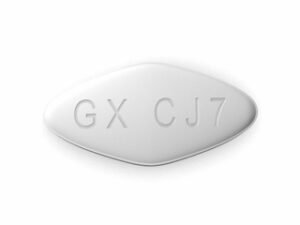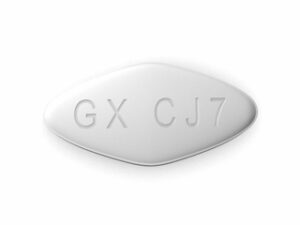
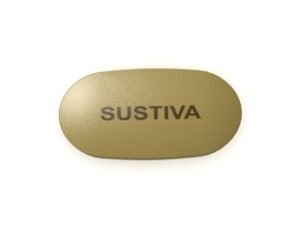

Dolutegravir (DTG) — Patient Guide (Australia)
Dolutegravir is an antiretroviral medicine used to treat and manage HIV (Human Immunodeficiency Virus). It belongs to the class of medicines called integrase strand transfer inhibitors (INSTIs). This page is written to help you understand how dolutegravir works, how it’s typically taken, key safety considerations, and what to expect in daily life.
Always follow the advice of your healthcare professional for your specific situation. Medicines can interact with each other and may not be suitable for everyone.
Basic product information
| Category | Details |
|---|---|
| Generic name | Dolutegravir |
| Medicine class | Integrase strand transfer inhibitor (INSTI) |
| Common brand examples (may vary) | Available in fixed-dose combinations and/or standalone formulations |
| Therapeutic use | HIV treatment (and prevention strategies in selected clinical contexts) |
| Typical forms | Tablets (brand and strength vary by product) |
| How it’s used | Often as part of combination antiretroviral therapy |
In Australia, dolutegravir is supplied in different combinations depending on the treatment plan. Your pharmacist can confirm the exact product strength and dosing schedule you have been prescribed.
How dolutegravir works (mechanism of action)
After HIV enters a person’s body, the virus needs to copy itself to infect new cells. Dolutegravir works by blocking a key step in HIV’s life cycle: it inhibits the HIV integrase enzyme.
- Normally, HIV integrase inserts (integrates) viral genetic material into the DNA of the host cell.
- Dolutegravir binds to integrase and prevents integration from taking place.
- Without integration, HIV can’t efficiently reproduce, which helps lower the viral load.
By reducing viral replication, dolutegravir helps people achieve and maintain undetectable viral load, improving health outcomes and reducing the risk of HIV transmission when viral suppression is sustained.
Pharmacokinetics (how the body handles dolutegravir)
“Pharmacokinetics” describes what happens to a medicine in the body—absorption, distribution, metabolism, and elimination. Key points for dolutegravir include:
- Absorption: Dolutegravir is absorbed after taking an oral dose. Food generally does not eliminate the need for timing adjustments, but certain foods and supplements may influence absorption in combination with minerals.
- Distribution: It spreads throughout the body and can reach relevant tissues where HIV is present.
- Metabolism: Dolutegravir is metabolised primarily in the liver through pathways involving enzymes (notably UGT1A1).
- Elimination: It is cleared from the body through both metabolic processes and excretion.
Practical takeaway: because dolutegravir interacts with certain minerals and some medicines that affect liver enzymes, consistent timing and medication review are important.
Typical use
Dolutegravir is used in antiretroviral treatment regimens for people living with HIV. It may be used in:
- Initial treatment (first-line regimens in many settings)
- Switching from another regimen when appropriate
- Regimens for treatment-experienced individuals, based on viral resistance testing and treatment history
It’s commonly taken once daily, but dosing depends on the specific product, your regimen, and other medicines you may be using.
Indications (when dolutegravir is used)
Dolutegravir is indicated for the treatment of HIV infection in adults and in certain paediatric populations, depending on product formulation and clinical guidance. The exact indication and eligible age/weight thresholds depend on the specific formulation and regulatory approval.
Your clinic or healthcare professional will confirm the most appropriate regimen for your situation, including drug interactions and resistance history.
How to take dolutegravir (timing and routine)
Many people take dolutegravir once daily. It’s helpful to build a routine:
- Choose a consistent time: Taking it around the same time each day helps maintain steady medicine levels.
- Follow your product’s instructions: Some combinations have specific timing requirements, especially with mineral-containing products.
- If you miss a dose: Take it as soon as you remember if it’s close to your usual time. If it’s near the time of the next dose, skip the missed dose—don’t double up. When in doubt, ask your pharmacist or clinic.
Tip: Use phone reminders or a daily pill organiser. If you travel or have shift work, maintain a stable daily schedule where possible.
Food interactions
In general, dolutegravir can be taken with or without food. However, the most important dietary interaction involves minerals that can bind dolutegravir and reduce absorption.
Mineral-related interactions
- Antacids containing aluminium or magnesium
- Iron supplements
- Calcium supplements
- Multivitamins containing these minerals
These products can decrease how much dolutegravir your body absorbs. Timing separation is often used to minimise this effect. The exact interval can vary by formulation and co-medication, so check the instructions for your specific product or ask your pharmacist.
Practical advice: If your routine includes antacids, iron, or calcium, consider taking dolutegravir at a different time of day (for example, earlier) and taking minerals later—only if consistent with your prescribed instructions.
Alcohol interactions
Moderate alcohol intake may be possible for many people on dolutegravir, but it’s important to consider overall health, liver function, and other medications. Alcohol can affect judgement and increase the risk of missed doses.
- Adherence risk: Alcohol may lead to missed doses or delayed dosing.
- Liver considerations: If you have liver disease or take other medicines that affect liver enzymes, alcohol may increase risk of liver irritation.
- Safety: If you’re unsure, discuss alcohol use with your healthcare professional.
When using alcohol, the safest approach is to keep intake moderate and avoid taking dolutegravir “on an irregular schedule.”
Medicine interactions (what to watch for)
Dolutegravir can interact with other medicines, especially those that change drug levels in the body or those that contain minerals. Tell your pharmacist about all medicines and supplements you use, including:
- Prescription medicines
- Over-the-counter medicines
- Herbal products
- Vitamins and mineral supplements
Common interaction categories
- Mineral-containing products: antacids (aluminium/magnesium), iron, calcium, multivitamins.
- Enzyme-inducing medicines: some medicines used for seizures or tuberculosis may reduce dolutegravir levels, potentially affecting effectiveness.
- Other antiretrovirals: some combinations may require dose adjustments or specific timing.
- Medicines affecting kidney/liver function: may change tolerability or side-effect risk.
This is not an exhaustive list. Your pharmacist can screen your medication profile for clinically significant interactions.
Dosing (general guidance)
Dosing depends on the specific regimen, formulation, age, weight, and whether other medicines are being taken. In many adult regimens, dolutegravir is taken once daily.
- Adults: Often once daily as part of combination therapy, but your exact dose and product strength depend on your treatment plan.
- Children and adolescents: Dose is based on age/weight and the specific product; a healthcare professional will determine eligibility and dosing.
- Kidney or liver considerations: Some people may need additional monitoring or adjustment depending on severity of impairment and the co-prescribed regimen.
Important: Always follow the dosing directions on your product label or those provided by your clinic. Do not change dose schedules without medical guidance.
Safety profile and side effects
Like all medicines, dolutegravir can cause side effects. Many people tolerate it well. Side effects can vary between individuals and also depend on the rest of your HIV regimen.
Common side effects
- Headache
- Nausea
- Diarrhoea
- Fatigue or sleep disturbance (reported by some people)
- Stomach discomfort
Less common but important effects
- Allergic reactions: seek urgent help if you develop rash with fever, facial swelling, breathing difficulty, or severe skin reactions.
- Mood or sleep changes: report new or worsening anxiety, depression, insomnia, or unusual changes promptly.
- Changes to kidney tests: some people may see lab changes (e.g., creatinine changes) without true kidney damage, but monitoring is still important.
- Changes to liver tests: especially if you have existing liver disease or hepatitis co-infection.
When to seek medical help
Contact your healthcare professional urgently if you experience:
- Signs of severe allergic reaction
- Severe rash or blistering skin
- Yellowing of the eyes/skin, dark urine, severe abdominal pain (possible liver issues)
- Uncontrolled vomiting or inability to keep medicines down
Practical use tips (to get the best results)
- Adherence is critical: Taking dolutegravir consistently helps prevent viral replication and supports long-term effectiveness.
- Plan mineral timing: If you use antacids, iron, or calcium, space them from dolutegravir according to your specific product instructions.
- Check new medicines: Whenever you start a new prescription, over-the-counter product, or supplement, ask your pharmacist about interactions.
- Keep appointments for monitoring: Viral load and safety blood tests (e.g., liver and kidney function) are commonly monitored.
- Be careful during illness: If you vomit soon after dosing or can’t keep tablets down, discuss what to do with your pharmacist.
- Use a pill organiser: Especially helpful if you take other medicines as part of your regimen.
Alternative options
Dolutegravir is one of several antiretroviral options. Alternatives may include other INSTIs or medicines from other drug classes. Choice depends on treatment goals, resistance patterns, pregnancy considerations, co-morbidities, and drug-drug interactions.
Examples of alternative antiretroviral options (class-level)
- Other INSTIs: e.g., bictegravir, raltegravir
- NNRTIs: e.g., efavirenz, rilpivirine
- NRTIs: backbone agents such as tenofovir (forms vary) plus emtricitabine/lamivudine
- Protease inhibitors (selected situations): e.g., darunavir-based regimens
If dolutegravir is not suitable, clinicians may adjust the regimen. Any switch should be planned and monitored to maintain viral suppression.
Market and legal context for Australia
In Australia, HIV medicines including dolutegravir are regulated through the national medicines framework and are supplied via authorised channels. Access typically occurs through prescription-based dispensing and standard Australian pharmacy services.
Availability may vary by formulation (standalone vs fixed-dose combination), strength, and supply logistics. Your local pharmacist can advise on stock status and alternatives if there is any delay.
Recent guidance (what to expect in modern care)
HIV treatment in Australia is guided by contemporary clinical recommendations, including emphasis on:
- Early and sustained viral suppression
- Individualised regimen selection considering drug interactions and comorbidities
- Regular monitoring of viral load and safety parameters
- Preventive strategies as appropriate to the person’s circumstances
Recommendations can evolve as new evidence and approvals become available. For the most current advice, consult your treating team or local HIV treatment guidelines.
Delivery and availability (online pharmacy)
If you’re ordering online, delivery options and timeframes vary depending on location and stock availability. In Australia, your pharmacy may offer:
- Standard delivery (typical business days)
- Express delivery where available
- Tracking and delivery notifications
Because HIV regimens depend on continuity, reputable online pharmacies aim to maintain reliable supply. If an item is temporarily unavailable, your pharmacy may contact you to discuss:
- Expected restock timing
- A suitable alternative product (same active ingredient/strength), if clinically appropriate
- Dispatch from a different warehouse if available
Always keep your packaging and product details for reference. If you need assistance verifying the medication you received, contact your pharmacist promptly.
FAQ
1) What is dolutegravir used for?
Dolutegravir is used as part of HIV treatment regimens to suppress HIV replication. It works by blocking HIV integrase, preventing the virus from integrating into host DNA.
2) How do I take dolutegravir—with food or without?
Dolutegravir is often taken with or without food. The most important timing issue relates to mineral-containing products such as antacids (aluminium/magnesium), iron supplements, and calcium supplements. Follow the specific timing instructions for your product, and ask your pharmacist if you’re unsure.
3) Can I drink alcohol while taking dolutegravir?
Moderate alcohol may be possible for some people. However, alcohol can increase the chance of missed doses and may affect liver health. If you have liver disease or other risk factors, discuss safe alcohol limits with your healthcare professional.
4) What happens if I miss a dose?
Take it when you remember if you’re close to your usual dosing time. If it’s nearly time for the next dose, skip the missed dose. Do not double doses. If you’re unsure, contact your pharmacist or clinic for advice.
5) Are there medicines or supplements I should avoid?
Mineral supplements (iron, calcium) and antacids containing aluminium/magnesium often need careful timing. Some medicines that affect liver enzymes can also change dolutegravir levels. Share your full list of medicines and supplements with your pharmacist for interaction checking.
6) What side effects should I watch for?
Common side effects include headache, nausea, diarrhoea, and fatigue. Seek urgent medical attention for severe allergic reactions or serious skin reactions, or if you develop signs of liver problems (such as yellowing eyes/skin).
7) How long does it take to work?
Many people see reductions in viral load quickly after starting effective antiretroviral therapy. Your viral load response is confirmed through scheduled blood tests. The timeline varies by individual and regimen.
8) Can I switch from another HIV medicine to dolutegravir?
Switching may be possible and sometimes beneficial, but it should be planned based on your treatment history, resistance testing (when relevant), and potential interactions. Don’t switch without clinician guidance.
9) Is dolutegravir suitable for pregnancy or breastfeeding?
Pregnancy and breastfeeding require careful consideration of risks and benefits. Clinical guidance may differ based on trimester and individual circumstances. Discuss your plans with your healthcare professional for the safest option.
10) Where can I get dolutegravir in Australia?
In Australia, dolutegravir is typically supplied through authorised pharmacy channels and is dispensed according to standard medication regulations. If ordering online, ensure the pharmacy is reputable, and verify product details with your pharmacist if anything is unclear.
Disclaimer: This information is intended as a general guide and does not replace medical advice. If you have symptoms, questions about interactions, or concerns about side effects, speak with your healthcare professional.