Conjugated Estrogens (Women’s Hormone Therapy) – Patient Information (Australia)
Conjugated estrogens are medicines containing a mixture of naturally occurring oestrogen compounds. They are used to treat specific hormone-related conditions in women and may also be used for certain menopausal symptoms depending on individual circumstances and clinical guidance in Australia.
This page explains how conjugated estrogens work, how they are used, what to expect, and important safety information. Always follow the directions given by your healthcare professional and read the Consumer Medicine Information (CMI) supplied with your product.
Quick Facts
- Medicine name: Conjugated estrogens
- Type: Oestrogen hormone therapy
- Common reasons for use: Menopausal symptom relief; treatment of certain oestrogen-deficiency conditions
- Typical route: Oral tablets (formulations vary)
- Key safety themes: Oestrogens can increase the risk of certain serious conditions, particularly with prolonged use or inappropriate use without adequate protection of the uterus
Basic Product Information
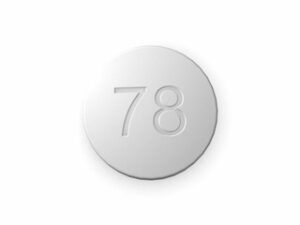
Conjugated estrogens are oestrogen compounds (a blend of oestrogen types). Products differ by brand and strength, and dosing depends on the condition being treated, your age, time since menopause, and your medical history.
In Australia, hormone therapy products may be used under various clinical circumstances. Availability, subsidisation and restrictions can vary by brand and indication. Your pharmacist can help confirm the exact product you are buying and provide guidance on how to take it safely.
What to expect
- Onset of symptom relief: Some symptoms improve within weeks, while other effects (for example, on the vaginal area) may take longer.
- Ongoing review: Your treatment plan should be reviewed regularly, especially if you use it beyond the short term.
How Conjugated Estrogens Work (Mechanism of Action)
Oestrogens are female sex hormones. During menopause, oestrogen levels fall, which can lead to symptoms such as hot flushes and night sweats, vaginal dryness, and discomfort with intercourse. Conjugated estrogens supplement oestrogen levels.
By binding to oestrogen receptors in target tissues, conjugated estrogens help:
- Reduce menopausal symptoms (e.g., hot flushes)
- Support the reproductive and urogenital tissues (including vaginal and urinary tissues)
- Influence bone metabolism (where appropriate, hormone therapy may help slow bone loss)
Important: For women with a uterus, oestrogen therapy alone may increase the risk of endometrial (uterine) cancer. In many situations, progesterone or a progestogen is added (“protection therapy”) to lower this risk. Your healthcare professional can determine the correct regimen for you.
Pharmacokinetics (How the Body Handles the Medicine)
“Pharmacokinetics” describes how the body absorbs, distributes, metabolises, and eliminates conjugated estrogens. While exact numbers vary by product and individual factors, key points include:
- Absorption: After oral administration, conjugated estrogens are absorbed through the gastrointestinal tract.
- Distribution: Oestrogens bind to plasma proteins and distribute to oestrogen-responsive tissues.
- Metabolism: The liver metabolises oestrogens. Oestrogens can also undergo intestinal metabolism.
- Enterohepatic circulation: Oestrogens are recycled through the liver and bile, which can contribute to sustained effects.
- Elimination: Metabolites are excreted primarily through urine and faeces.
Your response and side effects may be influenced by age, liver function, other medicines, and genetic differences in hormone metabolism.
Typical Uses in Australia
The intended use of conjugated estrogens depends on the formulation and your clinical situation. Common indications include:
- Menopausal hormone therapy to relieve symptoms of menopause such as hot flushes and night sweats.
- Oestrogen deficiency conditions in postmenopausal women when oestrogen replacement is appropriate.
- Genitourinary (vaginal/urinary) symptoms related to low oestrogen levels (the best option may be local vaginal therapy rather than systemic therapy, depending on the severity).
- Prevention of bone loss in selected postmenopausal women who are at risk of osteoporosis when other options are unsuitable (individual assessment is essential).
In the context of hormone therapy, the goal is the lowest effective dose for the shortest duration consistent with treatment goals, with ongoing periodic review.
When to Take It (Timing & Routine)
Follow the dosing schedule on your product label or as instructed by your healthcare professional. Typical advice for oral oestrogen tablets includes:
- Consistency matters: Take at the same time each day to help maintain steady hormone levels.
- Daily vs cyclical use: Some regimens are taken continuously; others are cyclical. The schedule may also depend on whether you take a progestogen.
- If you miss a dose: Refer to your CMI for exact instructions. In general, do not double up unless told to do so.
If you are also using a progestogen (for uterine protection), timing may be coordinated. Keep careful track of your regimen.
Food Interactions (Can You Take with Meals?)
Conjugated estrogens are generally taken regardless of meals, but individual product instructions vary. In many cases:
- With or without food: Most people can take tablets with water, with or without food.
- Nausea sensitivity: If you experience nausea, taking after a light meal may help.
- Grapefruit and other supplements: Grapefruit products can affect metabolism of some medicines. While not the same for every hormone product, discuss grapefruit and supplement use with your pharmacist.
Always check the specific instructions for your brand.
Alcohol and Medicine Interactions
Moderate alcohol use is not always a direct contraindication, but alcohol can affect:
- Liver metabolism of hormones and other medicines
- Hot flushes and symptom perception in some people
- General safety when combined with medicines that also affect liver enzymes or increase risk of blood clots
For safety, it is best to discuss alcohol intake with your pharmacist—especially if you have liver disease, heavy alcohol use, or you take multiple medicines.
Medicines That May Interact with Conjugated Estrogens
Interactions may change how well conjugated estrogens work or increase side effects. Tell your pharmacist about all medicines you use, including herbal products and over-the-counter treatments.
Common interaction themes
- Medicines that affect liver enzymes (e.g., some anticonvulsants, certain antibiotics like rifampicin, some HIV medicines) may lower or alter oestrogen levels.
- Medicines and supplements that increase risk of bleeding or affect clotting should be reviewed carefully.
- Other hormone therapies should not be used together unless advised.
Practical action
- Keep a list of your medicines and show it to your pharmacist.
- Do not start or stop any medicine (including herbal medicines) without checking for interaction risk.
Indications, Eligibility, and Individual Assessment
Conjugated estrogens should be used only for appropriate indications. Eligibility depends on personal risk factors such as:
- History of breast cancer or hormone-dependent cancer
- History of blood clots (venous thromboembolism)
- History of stroke or certain cardiovascular conditions
- Unexplained vaginal bleeding
- Liver disease
- Presence of a uterus (determines need for progestogen protection)
Your healthcare professional may also consider timing since menopause. In general, hormone therapy decisions should be individualised, balancing symptom relief against potential risks.
Dosing (General Guidance)
The correct dose varies by indication and your medical circumstances. Your prescribing information will specify the strength and schedule.
Important: Do not change your dose on your own. If symptoms are not controlled or side effects occur, discuss adjustments with a healthcare professional.
Typical dosing patterns (examples)
- For menopausal symptom relief: A lower effective dose is often started and then adjusted if needed.
- With uterine protection: If you have a uterus, your regimen may include a progestogen taken alongside or in a scheduled cycle.
- Duration: The smallest dose for the shortest time consistent with your goals is generally recommended.
Because product strengths differ, exact dose numbers are not listed here. Always use the dose on your medicine label or as instructed by your healthcare professional.
Safety Profile and Side Effects
Like all medicines, conjugated estrogens can cause side effects. Many people tolerate oestrogen therapy well, but some risks are serious and require prompt attention.
Common side effects
- Nausea
- Headache
- Bloating or fluid retention
- Breast tenderness
- Mood changes
- Vaginal spotting
Seek urgent medical help if you experience
- Signs of a blood clot: sudden swelling/pain in one leg, coughing blood, sudden shortness of breath, chest pain
- Signs of stroke: sudden weakness/numbness on one side, trouble speaking, facial droop
- Severe or persistent abdominal pain
- Sudden vision changes or severe headaches
- Jaundice (yellowing of skin or eyes) or severe liver-related symptoms
- Heavy or unexplained vaginal bleeding
Long-term risks (discuss with your clinician)
Risks vary depending on your age, time since menopause, dose, duration, and personal history. Key topics to discuss include:
- Endometrial (uterine) cancer risk if oestrogen is used without adequate progestogen protection (for those with a uterus)
- Breast cancer risk with prolonged combined hormone use in some populations
- Cardiovascular and blood clot risks, particularly with certain risk factors
- Gallbladder disease (some oestrogen therapies can increase risk)
Practical Use Tips (How to Make Treatment Safer and More Effective)
- Start with a symptom diary: Track hot flushes, night sweats, mood changes, and vaginal symptoms to judge benefit.
- Use the lowest effective dose: If symptoms improve, ask whether your dose could be reduced.
- Follow the full regimen: If you are prescribed progestogen protection, take it exactly as instructed.
- Regular check-ups: Review annually (or more often if issues arise). Your clinician may review blood pressure, weight, and risk factors.
- Know warning signs: Learn clot/stroke warning signs and seek urgent care if they occur.
- Limit smoking: Smoking can increase cardiovascular and clot risk, particularly for hormone therapy users.
- Maintain a healthy lifestyle: Balanced diet, regular activity, and weight management can support overall risk reduction.
Alternative Options (Depending on Your Needs)
Not everyone needs systemic oestrogen, and not everyone is the right candidate for systemic hormone therapy. Alternatives include:
Non-hormonal options
- Lifestyle measures: dressing in layers, cooling strategies, reducing triggers (alcohol/spicy foods may worsen hot flushes for some people)
- Non-hormonal medications for hot flushes (your clinician can advise what’s suitable for you)
- Cognitive behavioural therapy (CBT) and supportive approaches (may help with symptom coping)
Local (vaginal) hormone therapies
- Vaginal oestrogen preparations can help vaginal dryness and discomfort with intercourse. These may be preferred for isolated genitourinary symptoms because systemic absorption is often lower.
Other systemic hormone options
- Different oestrogen formulations (brand or type) or combined regimens may be considered based on tolerability and risk profile.
Discuss alternatives with your pharmacist or healthcare professional to find the safest effective approach for your symptoms and risk factors.
Market and Legal/Regulatory Context for Australia
Medicines in Australia are regulated by the Therapeutic Goods Administration (TGA). Availability, prescribing requirements, and product supply arrangements vary depending on the medicine category, formulation, and indications.
Online pharmacies operating in Australia must comply with relevant laws and pharmacy standards, including product authenticity, cold-chain handling where applicable (not usually required for tablets), and accurate labelling.
Because hormone therapy involves important safety considerations, it is common for healthcare professionals to ensure suitability, proper monitoring, and patient understanding prior to use.
Recent Guidance (What’s Commonly Emphasised by Clinicians)
In Australia, contemporary menopause management generally emphasises:
- Individualised decision-making based on symptoms, age, and time since menopause
- Lowest effective dose and periodic review of the need to continue
- Uterine protection when systemic oestrogen is used in women with a uterus
- Regular assessment of cardiovascular and clot risk factors, especially in older age groups or those with risk factors
- Use of the most appropriate formulation (systemic vs local) depending on symptom pattern
Guidance evolves over time; your pharmacist can point you to the current CMI and help explain what it means for your situation.
Delivery and Availability (Online Pharmacy in Australia)
Availability of conjugated estrogens may vary by brand and strength. When ordering online in Australia, your order is typically prepared and dispatched in line with pharmacy processes and supplier availability.
- Dispatch times: Vary depending on stock levels and courier schedules.
- Packaging: Medicines are supplied in original packaging with labels and included patient information (e.g., CMI).
- Cold chain: Not usually required for tablets, but follow any specific instructions on the product.
- Returns: Generally restricted for prescription-only medicines and hygiene/safety reasons; check the pharmacy’s returns policy.
If you have questions about product availability, strength, or suitability, contact the pharmacy before placing your order.
FAQ (Frequently Asked Questions)
1) Who can use conjugated estrogens?
Conjugated estrogens may be suitable for some women with menopausal symptoms or oestrogen deficiency. Suitability depends on your medical history, risk factors, and whether you have a uterus (which affects the need for progestogen protection).
2) How long does it take to work?
Hot flushes may improve within weeks for many people. Other effects, such as vaginal comfort, may take longer—often several weeks. If you notice no improvement after an appropriate trial, speak to your clinician about reassessing the treatment plan.
3) Why is progestogen sometimes added?
Oestrogen can stimulate the uterine lining. If you have a uterus, adding a progestogen helps protect against endometrial thickening and lowers the risk of endometrial cancer. The exact regimen should be determined by your healthcare professional.
4) What should I do if I miss a dose?
Follow the advice in the product CMI. Many regimens advise taking the missed dose when remembered unless it is close to the time for the next dose. Do not double doses unless instructed.
5) Can I take it with food?
Many people can take conjugated estrogens with or without food. If you experience stomach upset, try taking it after a light meal. Check the instructions for your specific brand.
6) Does alcohol affect it?
Alcohol can affect symptoms and, indirectly, liver metabolism and overall risk. If you drink alcohol, discuss the amount and your health profile with your pharmacist or clinician.
7) Are there medicine interactions?
Yes. Some medicines can alter oestrogen levels or increase side-effect risks. Always provide your pharmacist with a list of all medicines and supplements you take, including herbal products.
8) What are the red-flag symptoms?
Seek urgent medical help if you develop signs of blood clots (e.g., chest pain, shortness of breath, sudden leg swelling), stroke symptoms, severe persistent abdominal pain, jaundice, or heavy unexplained vaginal bleeding.
9) How should I store conjugated estrogens?
Store according to the label instructions. In general, keep tablets in their original packaging, protected from moisture and away from excess heat.
10) What if I’m looking for relief only for vaginal symptoms?
Some people benefit from local vaginal treatments rather than systemic oestrogen. This approach may offer symptom relief with lower systemic exposure. Discuss options with your healthcare professional.
Summary
Conjugated estrogens are systemic oestrogen medicines used for selected menopausal symptoms and oestrogen-deficiency conditions. They work by supplementing oestrogen levels to reduce symptoms and support hormone-responsive tissues. Because oestrogens can carry important risks—especially depending on dose, duration, personal risk factors, and whether you have a uterus—safe use requires careful selection, correct regimen (including uterine protection when needed), and regular review.
If you have questions about your product, how to take it, or how it fits your health circumstances, speak with your pharmacist or healthcare professional.
Reference Information Table (At a Glance)
| Topic | What to Know |
|---|---|
| Medicine type | Systemic oestrogen hormone therapy (conjugated oestrogens) |
| Common reasons for use | Menopausal symptom relief; oestrogen deficiency-related conditions (individual assessment required) |
| How it works | Replaces oestrogen and acts on oestrogen receptors to relieve symptoms and support hormone-responsive tissues |
| How long it takes | Hot flushes may improve in weeks; other effects may take longer |
| Food | Often can be taken with or without food; follow your product instructions |
| Alcohol | May affect symptoms and liver metabolism; discuss your intake with a pharmacist if unsure |
| Key safety themes | Blood clot/stroke warning signs; uterine protection if you have a uterus; risks vary by person |
| Interactions | Some medicines and supplements can alter oestrogen levels—share your full medicine list |
| Uterus present? | If you have a uterus, a progestogen is often required to reduce endometrial risk |
| Follow-up | Regular review and the lowest effective dose for the shortest duration |