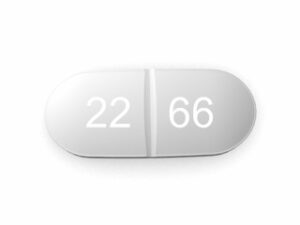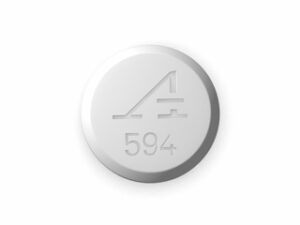


Colofac (Mebeverine Hydrochloride) — Patient Guide (Australia)
Colofac contains mebeverine hydrochloride, a medicine used to relieve symptoms of certain bowel conditions, especially irritable bowel syndrome (IBS). It works by relaxing the muscles in the bowel wall and helping reduce spasm-related discomfort.
This guide is designed to help you understand what Colofac is, how it works, how to use it safely, and what to expect. Always follow the directions on the pack or as advised by your healthcare professional.
Key Product Information
- Medicine: Colofac
- Active ingredient: Mebeverine hydrochloride
- Common use: Symptom relief in IBS (bloating, cramps/spasms, altered bowel habits)
- How it works: Antispasmodic (targets bowel spasms)
- Availability: Commonly supplied through pharmacies in Australia (brand availability may vary by supplier)
- Typical form: Oral capsules/tablets depending on the product brand presentation
Note: Different countries may have different strengths or formulations. Check your specific pack for the strength and instructions.
How Colofac Works (Mechanism of Action)
Mebeverine is an antispasmodic medicine. It helps relieve cramping by affecting how the bowel muscle cells contract.
- Reduces painful bowel spasms: Helps normalise abnormal contractions in the intestinal wall.
- Supports better bowel comfort: May reduce symptoms such as crampy abdominal pain and discomfort associated with IBS.
- Designed for targeted relief: It acts directly on the gut muscle function rather than treating the underlying cause of IBS.
Many people notice symptom improvement within the first days, but consistent use is often needed to judge effectiveness.
Pharmacokinetics (What the Body Does to the Medicine)
Pharmacokinetics describes how the body absorbs, processes, and eliminates a medicine. While exact figures can vary by individual and product formulation, the overall pattern for mebeverine includes:
- Absorption: Absorbed after oral dosing.
- Metabolism: Extensively metabolised (broken down) in the body.
- Excretion: Metabolites are mainly eliminated via the kidneys (urine).
Because mebeverine is metabolised and does not accumulate in the same way as some other medicines, it is generally considered suitable for typical IBS symptom management when used as directed.
Typical Use in Australia
Colofac is primarily used to relieve IBS symptoms, particularly those linked to bowel spasms and crampy pain.
Common IBS symptoms it may help
- Cramping or colicky abdominal pain
- Bloating and gut discomfort
- Changes in bowel habits (constipation, diarrhoea, or mixed patterns)
Important: IBS is a functional bowel disorder. Medicines like Colofac focus on symptom relief, while lifestyle and diet measures can help improve overall control.
When to Take Colofac (Timing and Routine)
The timing of doses depends on the exact product strength and formulation on your pack. As a general approach for IBS symptom control:
- Take regularly as directed: Many people get better control when they take it consistently rather than only during severe symptoms.
- With water: Swallow with water.
- Try to maintain steady spacing: If your regimen is multiple times daily, aim for even intervals.
Do not double up: If you miss a dose, take it when you remember unless it’s close to your next dose. Then continue as usual.
Food Interactions (Can You Take It With Meals?)
For most people, Colofac can be taken with or without food. Because individual formulations may differ, check your pack instructions. If you notice stomach upset when taking it on an empty stomach, you may find taking it after food more comfortable.
Practical suggestions
- If symptoms are worst after meals, consider timing doses according to your regular schedule.
- Keep a simple symptom diary for a week to identify patterns (for example: certain foods may trigger symptoms).
Alcohol and Medicine Interactions
Alcohol: Moderate alcohol intake may worsen IBS symptoms in some people due to its effects on the gut and digestion. Even if there is no direct interaction with mebeverine, you may notice increased bloating, cramping, or bowel changes.
Drug interactions: Mebeverine has a relatively low risk of clinically significant interactions. However, it’s still important to consider medicines and supplements you take regularly.
- Tell your pharmacist or doctor about all current medicines, including herbal products and supplements.
- If you take multiple bowel or pain-relief medicines, ask whether any combined approach is suitable for you.
Indications (What Colofac Is Used For)
Colofac (mebeverine hydrochloride) is indicated for the symptomatic relief of irritable bowel syndrome in adults. This includes relief of symptoms that are thought to be caused by bowel spasm.
It is not a cure for IBS, and it does not treat infections or other structural bowel diseases. If symptoms are persistent, severe, or changing, medical assessment may be necessary.
Dosing (How Much to Take)
Always follow the dosage instructions on your specific Colofac pack. Because strengths and formulations can vary, do not rely on memory; check the exact label.
General adult dosing guidance:
- Typically taken as oral doses multiple times per day depending on product presentation.
- Use consistently during periods when symptoms are present.
If you are unsure: Ask your pharmacist to confirm the dosing schedule for the exact Colofac product you have.
Special populations
- Older adults: Usually dosed as per adult recommendations unless otherwise advised.
- Children and adolescents: Use may depend on age and product formulation; seek advice from a healthcare professional.
- Pregnancy and breastfeeding: Discuss with your healthcare professional before use.
Safety Profile (Side Effects and When to Seek Help)
Most people tolerate mebeverine well. However, as with all medicines, side effects can occur.
Common or mild side effects
These are not experienced by everyone, and often settle as your body adjusts:
- Mild dizziness
- Headache
- Nausea or stomach discomfort
- Change in bowel pattern (sometimes due to IBS itself rather than the medicine)
Serious side effects (seek urgent medical advice)
Stop using the medicine and seek medical help immediately if you experience signs of an allergic reaction or other serious effects, such as:
- Swelling of face, lips, tongue, or throat
- Trouble breathing or wheezing
- Severe rash, hives, or widespread itching
- Severe abdominal pain that is unusual for you
Who should be extra cautious?
- If you have a history of allergy to mebeverine or tablet/capsule ingredients
- If you have persistent or worsening symptoms despite treatment
- If you have red-flag symptoms (see below)
Seek medical assessment promptly if you have “red flags”
- Blood in the stool
- Unexplained weight loss
- Fever
- Persistent vomiting
- New onset IBS symptoms after age 50
- Severe or worsening pain
Practical Use Tips for Best Results
Colofac can be most effective when used alongside supportive strategies for IBS. Consider the following practical tips:
- Use consistently during flare-ups: If your symptoms come and go, you may find it helpful to start early when symptoms begin.
- Keep a symptom diary: Track pain, bloating, bowel movements, and triggers.
- Identify dietary triggers: Common triggers include high-fat meals, certain sweeteners, and foods that ferment easily.
- Consider a fibre and hydration balance: Some people benefit from soluble fibre; others may need adjustments depending on constipation vs diarrhoea-predominant IBS.
- Manage stress: Stress can strongly affect gut function. Gentle exercise, sleep routines, and relaxation techniques may help.
- Review other medicines: Some medicines can affect bowel habits (e.g., iron tablets, some antibiotics, certain pain medicines).
Alternative Options (Other Ways to Manage IBS Symptoms)
Because IBS varies between individuals, a “best” approach often depends on your symptom pattern (constipation-predominant, diarrhoea-predominant, or mixed). Below are common alternative or complementary options. Your pharmacist or healthcare professional can tailor choices for you.
Non-medicine approaches
- Dietary adjustments: e.g., lower FODMAP strategies under guidance
- Regular meals and hydration
- Stress reduction and gut-focused behavioural strategies
- Physical activity
Medicine options (examples)
- Antispasmodics (other agents with bowel-spasm relief activity)
- Laxatives or stool softeners for constipation-predominant IBS (depending on suitability)
- Anti-diarrhoea options for diarrhoea-predominant IBS
- Osmotic agents or fibre supplements for stool regulation
- Probiotics (some people benefit, results vary)
Combination therapy: In some cases, healthcare professionals may suggest using more than one strategy. Avoid starting multiple medicines at once without checking compatibility.
Australia: Market and Legal Context
In Australia, medicines are regulated by the Therapeutic Goods Administration (TGA). Colofac and other mebeverine-containing products are supplied through legitimate distribution channels.
Availability may depend on stock levels and the exact product formulation (for example, capsule vs tablet presentation) offered by different brands and wholesalers.
- Quality and safety: Australian-supplied medicines are subject to TGA requirements and pharmaceutical quality standards.
- Pharmacy dispensing: Depending on product status, some medicines are supplied with pharmacist assistance.
- Online pharmacy rules: Reputable online pharmacies in Australia follow Australian consumer and prescription/dispensing regulations as applicable, and provide product information and shipping to eligible states/territories.
Note: This page provides general information and does not replace individual advice.
Recent Guidance and Considerations
Guidance for IBS management in Australia commonly emphasises:
- Confirming the likely diagnosis and excluding red-flag conditions
- Stepwise care: starting with diet and lifestyle changes, then symptom-targeted medicines
- Individualised treatment based on bowel pattern and triggers
- Reviewing effectiveness after a suitable trial period
If symptoms are not improving, your healthcare professional may consider reassessing your diagnosis, adjusting your treatment plan, or exploring other IBS symptom-directed options.
Delivery and Availability (Online Pharmacy in Australia)
Colofac may be available for purchase through online pharmacies with standard delivery services across Australia. Delivery times can vary depending on:
- Your location (major cities vs regional areas)
- Courier schedules
- Stock availability
What to expect when ordering:
- Confirmed product details, including strength and formulation (check the label on arrival)
- Careful packaging to protect tablets/capsules during transport
- Tracking information in many cases
Always check: Use-by date, capsule/tablet appearance, and that you received the exact product you ordered.
FAQ — Frequently Asked Questions
| Question | Answer |
|---|---|
| What is Colofac used for? | Colofac (mebeverine hydrochloride) is used to relieve symptoms of irritable bowel syndrome (IBS), especially cramping and bowel spasm-related discomfort. |
| How quickly will I feel better? | Some people notice symptom improvement within the first days. Results can vary; give it a reasonable trial while using it as directed, and reassess if symptoms do not improve. |
| Can I take Colofac with food? | In most cases, it can be taken with or without food. If your pack instructions differ, follow the pack. Taking it with food may help if you experience mild stomach upset. |
| Is Colofac safe for long-term use? | Many IBS sufferers use symptom-relief medicines intermittently or for periods when symptoms flare. If you need ongoing treatment, discuss your plan with a pharmacist or doctor to ensure it remains appropriate. |
| What should I do if I miss a dose? | Take it when you remember unless it is close to your next dose. Then continue as normal. Do not take double doses to make up for a missed one. |
| Does Colofac interact with alcohol? | No specific alcohol interaction is commonly highlighted for mebeverine, but alcohol may worsen IBS symptoms by affecting gut function. If you notice symptoms after alcohol, limit intake. |
| Can Colofac help with diarrhoea or constipation? | Colofac primarily helps with spasm-related pain and discomfort. It may indirectly improve stool-related symptoms, but additional targeted treatments may be needed depending on your IBS type. |
| When should I seek medical advice? | Seek medical assessment urgently if you have blood in stool, unexplained weight loss, fever, persistent vomiting, severe worsening pain, or other red-flag symptoms. |
| Are there alternatives to Colofac? | Yes. Alternatives include other antispasmodics, fibre or stool-regulating options, anti-diarrhoea medicines, and non-medicine strategies such as diet modifications and stress management. A pharmacist can help tailor options. |
| Can I take Colofac with other medicines? | It is usually possible, but always check with your pharmacist—especially if you take multiple medications or have significant medical conditions. |
Summary
Colofac (mebeverine hydrochloride) is an antispasmodic medicine commonly used in Australia for symptom relief in IBS. It works by relaxing bowel muscle spasm, which can help reduce crampy abdominal pain and discomfort. For many people, consistent use during symptomatic periods provides the best control.
If your symptoms change, worsen, or you experience red-flag signs, seek medical advice. You can also improve outcomes by combining medicine with supportive IBS strategies such as identifying triggers, maintaining hydration, and managing stress.
Always read the pack instructions. If you have questions about suitability, interactions, or dosing for your particular situation, ask a pharmacist.