
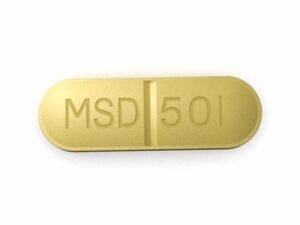
Imuran (Azathioprine) – Patient Information (Australia)
Imuran is a brand of azathioprine, a medicine used to reduce an overactive immune response. It belongs to a group of medicines called immunosuppressants or antimetabolites. This guide explains how Imuran works, how it’s commonly used, what to expect, and important safety information.
Always follow the instructions provided by your healthcare professional. Information below is designed to help you understand the medicine and manage everyday questions safely.
Key Product Information
- Generic name: Azathioprine
- Brand: Imuran
- Medicine type: Immunosuppressant (purine antimetabolite)
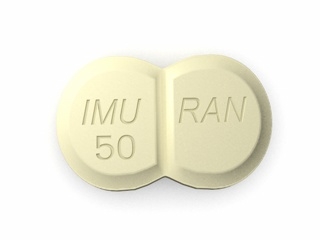
- Common form: Tablets (strengths may vary by supply)
- Typical role: Maintenance therapy for immune-mediated conditions
In Australia, Imuran is available through prescription medicine channels and may be dispensed by pharmacies. Availability can depend on local stock and the specific tablet strength.
How Imuran Works (Mechanism of Action)
Azathioprine is converted in the body into active substances that affect the production of DNA in rapidly dividing immune cells. In simpler terms, it helps reduce the immune system’s activity so that it is less likely to attack the body’s own tissues.
Imuran is best understood as a “slow-burn” immune modulator: it gradually reduces immune cell function over time, which is why benefits may take weeks to build.
Pharmacokinetics: How the Body Processes Imuran
Pharmacokinetics describes how the medicine is absorbed, distributed, metabolised and eliminated. While individuals vary, the general pattern includes:
- Absorption: Azathioprine is absorbed from the gastrointestinal tract. Food may influence absorption, but in most people this doesn’t prevent use.
- Activation (metabolism): The medicine is metabolised through pathways involving enzymes and is converted into active metabolites.
- Enzyme variability: Some people have genetic or acquired differences in enzyme activity (notably TPMT), which can increase or decrease risk of side effects.
- Elimination: Metabolites are cleared mainly via the kidneys and other metabolic processes.
Because metabolism varies between individuals, clinicians often monitor blood tests (e.g., full blood count and liver function tests) and may adjust dose accordingly.
Typical Uses in Australia
Imuran is used for a range of immune-mediated diseases, often when longer-term control is needed or when steroid-sparing treatment is desirable.
Common indications
- Inflammatory bowel disease (e.g., Crohn’s disease, ulcerative colitis) in selected patients
- Autoimmune hepatitis
- Rheumatologic and systemic autoimmune conditions (depending on clinical assessment)
- Prevention of transplant rejection in combination with other immunosuppressants
The most appropriate use depends on diagnosis, disease severity, previous treatments, and your risk factors.
Timing and How to Take Imuran
Consistency is important. Many people take azathioprine once daily or split doses (depending on regimen). Follow your healthcare professional’s directions for your specific plan.
When to take
- Try to take it at the same time each day.
- If taking once daily, take it on a regular schedule that fits your day.
- If your regimen requires splitting doses, follow the exact timing provided.
With or without food
Many patients tolerate azathioprine better when taken with food or after meals, but needs vary. If you notice stomach upset, consider discussing a food timing adjustment with your pharmacist or clinician.
Missed dose guidance
- If you miss a dose, take it when you remember unless it’s close to the next dose.
- Do not double up doses to catch up.
- Ask your pharmacist for advice if you miss multiple doses.
Food Interactions and Practical Eating Tips
Food interactions with azathioprine are generally less prominent than medicine–medicine interactions, but your digestion and tolerance matter.
- Taking with food may reduce nausea or stomach discomfort for some people.
- Maintain a consistent diet pattern to avoid fluctuations in tolerance.
- If you experience persistent nausea, vomiting, diarrhoea, or loss of appetite, contact your healthcare professional promptly.
There are no specific “avoid completely” food restrictions universally recommended for azathioprine, but your clinician may advise additional dietary considerations based on your condition (e.g., liver health, bowel symptoms, transplant diet).
Alcohol and Medicine Interactions
Alcohol may increase the risk of liver irritation and can worsen side effects, especially because azathioprine is processed by the liver. Your safest approach is to discuss alcohol use with your healthcare professional.
General alcohol guidance
- Avoid heavy drinking.
- If you choose to drink, keep it moderate and be mindful of symptoms like fatigue, nausea, or abdominal discomfort.
- Do not start or increase alcohol intake because of medication timing—monitor your body’s response.
Important note
If you have liver disease (such as autoimmune hepatitis) or abnormal liver tests, alcohol can significantly increase risk. In such cases, follow your specialist’s advice closely, which may recommend avoiding alcohol entirely.
Medicine Interactions (What to Tell Your Pharmacist)
Imuran can interact with several medicines, primarily because of how drugs are metabolised and because some combinations can increase the risk of infections or blood count problems.
Common interaction categories
- Allopurinol and febuxostat (used for gout) may strongly increase azathioprine levels.
- Warfarin (blood thinner) may be affected, requiring closer monitoring of clotting status.
- Ribavirin and some antiviral regimens may increase toxicity risk.
- ACE inhibitors / other medicines affecting blood counts may add to risk in some patients.
- Other immunosuppressants can increase infection risk when combined.
- Vaccines are an important consideration (live vaccines require extra caution).
Herbal and over-the-counter products
- Include herbal supplements (e.g., echinacea, St John’s wort) and all non-prescription medicines.
- “Natural” products can still affect liver enzymes or immune function.
Before starting, stopping, or changing any medicine (including antibiotics or cold/flu products), check with your pharmacist or healthcare professional.
Indications and When Imuran Is Used
Clinicians use azathioprine to control immune-driven inflammation or immune rejection. It’s often chosen when:
- Long-term immune suppression is required
- Steroid-sparing treatment is desirable
- Other therapies have not been sufficient or are not suitable
- A combined regimen is needed (e.g., with other immunosuppressants)
Your specialist may select azathioprine based on disease factors, previous medication responses, blood test history, and interaction potential with other therapies you take.
Dosing: How Imuran Dose Is Determined
Azathioprine dosing is individualised. Dose is often based on:
- Diagnosis
- Body weight and overall health
- Blood test results (full blood count, liver function tests)
- Concomitant medications (especially allopurinol and other interaction-prone drugs)
- Genetic/enzymatic factors (e.g., TPMT activity) when known
In many treatment plans, the dose may start at a level chosen for safety and then be adjusted based on response and tolerance. Dose adjustments must be guided by your clinician.
Important safety note about dose changes
Do not change your dose without medical advice. Taking more than prescribed increases the risk of bone marrow suppression, infection and liver toxicity.
Safety Profile: Side Effects and Warning Signs
Like all medicines, Imuran can cause side effects. Many people tolerate it well, especially with regular monitoring. However, because azathioprine affects the immune system and bone marrow, certain risks require prompt attention.
Common or expected side effects
- Nausea or stomach discomfort
- Reduced appetite
- Fatigue
- Temporary abnormal liver tests (detected on blood tests)
Serious but less common risks (seek medical help promptly)
- Infection (fever, chills, sore throat, unusual cough, painful urination)
- Unusual bruising or bleeding (possible low blood cell counts)
- Severe weakness or persistent dizziness
- Yellowing of the skin/eyes or dark urine (possible liver involvement)
Bone marrow suppression
A key safety concern is low blood cell counts. This can increase risk of infection, anaemia and bleeding. Regular blood tests help detect problems early.
Allergic reactions
- Stop and seek urgent advice if you develop swelling of face/lips, breathing difficulty, or widespread rash.
Practical Use Tips (What Helps Day-to-Day)
- Keep up with blood tests as scheduled. Monitoring is a major part of safe azathioprine therapy.
- Know your baseline: if you have previous lab results, keep a record so trends can be tracked.
- Report symptoms early: fever, mouth ulcers, persistent sore throat, or infections should be assessed promptly.
- Practice infection precautions: wash hands regularly, avoid close contact with people who are sick, and seek advice if you’re exposed to certain infections.
- Use reliable contraception if appropriate: discuss family planning with your clinician.
- Sun protection: immunosuppressants may increase skin cancer risk in some long-term users—use sunscreen and protective clothing.
If you are receiving azathioprine as part of transplant care or another high-risk immune regimen, your specialist team may provide specific infection prevention guidance and vaccine advice.
Alternative Options
Depending on your condition, alternative treatments may include other immunosuppressants or immune-modulating therapies. The best choice depends on disease type, severity, prior response, comorbidities, and safety profile.
Possible alternatives (examples)
- Mycophenolate (commonly used in transplant and some autoimmune conditions)
- Methotrexate (for selected inflammatory and autoimmune diseases)
- Biologic medicines (target specific immune pathways; available in certain indications)
- Corticosteroids as short-term control (often reduced as the long-term regimen takes effect)
- Other disease-specific agents for inflammatory bowel disease or autoimmune hepatitis
Your clinician can discuss how these alternatives compare to azathioprine in terms of effectiveness, monitoring requirements and risks.
Market and Legal Context for Australia
In Australia, medicines like Imuran (azathioprine) are regulated and supplied through appropriate medicine channels. Availability, brand presentation, and specific pack sizes may vary by supplier and prescription dispensing arrangements.
For online pharmacy supply, retailers must follow Australian regulatory requirements for medication handling, consumer information, and supply processes. If you have questions about eligibility, availability or delivery, contact the pharmacy’s support team.
Recent Guidance and Monitoring Trends
Ongoing clinical practice emphasises safer long-term use through:
- Regular blood monitoring (full blood count and liver function tests)
- Enzyme activity awareness (e.g., TPMT-related risk assessment in selected settings)
- Careful review of drug interactions before starting or stopping other medicines
- Vaccination planning and infection prevention strategies
- Dermatology vigilance for long-term therapy, including skin cancer screening where appropriate
Guidance may be refined as new evidence emerges. Your healthcare professional can provide the most relevant recommendations for your situation.
Delivery and Availability (Online Pharmacy)
Imuran availability depends on stock levels and tablet strength. Online pharmacies in Australia typically offer:
- Ordering online with pharmacist verification steps
- Secure packaging to protect tablets during transit
- Home delivery options (delivery times vary by location)
- Cold chain not usually required for tablets, but always check packaging requirements if provided
If your preferred strength or brand is temporarily unavailable, the pharmacy may offer options such as alternative supply arrangements (subject to regulatory and clinical appropriateness).
FAQ – Imuran (Azathioprine)
1) How long does it take for Imuran to work?
Imuran is not an immediate “relief” medicine. Many people notice improvements gradually over several weeks. In some conditions, full benefit can take longer. Continue taking it as directed and attend scheduled reviews.
2) What blood tests will I need?
Your clinician may monitor your full blood count and liver function regularly. If abnormalities occur, dose adjustments or additional tests may be needed. Monitoring frequency can be higher at the start and may reduce once stable.
3) Can I take Imuran with food?
Many people take it with or after meals to reduce nausea. If your doctor didn’t specify otherwise, taking it with food is often more comfortable. If nausea persists, ask your pharmacist for advice.
4) What should I do if I miss a dose?
Take it when you remember unless it’s near the next scheduled dose. Do not double the dose. If you’re unsure, contact your pharmacist.
5) Do I need to avoid sunlight?
Long-term immunosuppression may increase skin cancer risk. Use sun protection (SPF sunscreen, hats, protective clothing) and report any persistent skin changes to your clinician.
6) Can I get vaccinated while taking Imuran?
Vaccine advice depends on your health status and the type of vaccine. Live vaccines generally require extra caution. Discuss vaccination plans with your healthcare provider or pharmacist.
7) Can I drink alcohol?
Alcohol can affect the liver and increase side effects risk. If you drink, do so cautiously and discuss with your clinician— especially if you have liver disease or abnormal liver tests.
8) Are there medicines I must avoid?
Some medicines can interact strongly with azathioprine (for example, certain gout treatments such as allopurinol). Always tell your pharmacist about all medicines, supplements and recent changes.
9) What infections should I watch for?
Contact your healthcare professional promptly if you develop signs of infection such as fever, chills, persistent sore throat, cough, pain when urinating, or unusual mouth ulcers.
10) What are warning signs that mean I should stop and seek urgent care?
Seek urgent medical help if you experience allergic symptoms (swelling, breathing difficulty), severe rash, or signs of serious infection (high fever, severe weakness, confusion). Also seek urgent advice for jaundice (yellow skin/eyes).
Summary Table: Imuran at a Glance
| Topic | What to Know |
|---|---|
| Generic name | Azathioprine |
| What it does | Reduces immune activity to control immune-mediated disease |
| When it works | Gradual onset; often several weeks for benefit |
| How to take | Once daily or split doses as directed; consistent timing helps |
| Food | Taking with food may improve stomach tolerance |
| Alcohol | Discuss with your clinician; avoid heavy drinking due to liver risk |
| Monitoring | Regular blood tests (full blood count, liver function tests) |
| Key safety risks | Low blood cell counts, infection risk, liver effects |
| Interactions | Check for major interactions (e.g., allopurinol; other immunosuppressants; antivirals) |
Talk to a pharmacist or clinician if you have questions about starting azathioprine, managing side effects, combining it with other medicines, or planning vaccinations. Safe use depends on correct dosing, regular monitoring, and prompt attention to warning symptoms.