

Azathioprine (Azathioprine Tablets) — Patient Information (Australia)
Azathioprine is an immunosuppressant medicine used to treat certain inflammatory and autoimmune conditions. It works by reducing the activity of your immune system so it can calm harmful inflammation. Because it affects cell growth and immune responses, azathioprine requires careful monitoring and a safe, consistent approach to dosing.
This guide is written to help you understand how azathioprine works, what to expect, how to take it safely, and which interactions to watch for. Always follow the directions on your medication label and the advice provided by your healthcare team.
Basic product information
| Feature | What to know |
|---|---|
| Medicine name | Azathioprine |
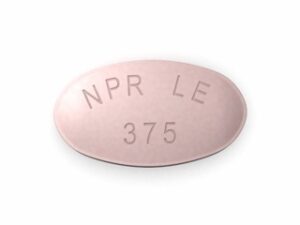
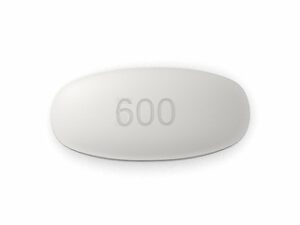
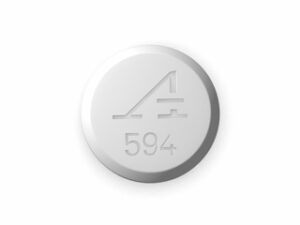
| Common form(s) | Tablets (strength varies by brand/product) |
| Medicine type | Immunosuppressant (antimetabolite) |
| How it’s used | Chronic treatment for autoimmune/inflammatory diseases or prevention of transplant rejection |
| Onset of effect | May take weeks to months for best response |
| Monitoring | Regular blood tests (full blood count and liver function tests), and sometimes thiopurine metabolite testing |
How azathioprine works (mechanism of action)
Azathioprine is converted in the body into active metabolites, including 6-mercaptopurine (6-MP). These metabolites:
- Interfere with purine synthesis (building blocks needed for DNA/RNA), which reduces the proliferation of certain immune cells.
- Modulate immune activity by decreasing activation of lymphocytes (white blood cells that drive autoimmune inflammation).
- Help reduce inflammation and immune-mediated tissue damage over time.
The key point is that azathioprine is not an instant “painkiller” or short-term anti-inflammatory. Its benefits build gradually as immune activity settles.
Pharmacokinetics (how the body processes it)
“Pharmacokinetics” refers to what the body does with a medicine—how it is absorbed, distributed, metabolised, and eliminated.
- Absorption: Azathioprine is absorbed from the gastrointestinal tract after you swallow it. Individual absorption can vary.
- Metabolism: It is converted to active and inactive metabolites. A key enzyme involved is TPMT (thiopurine methyltransferase). TPMT activity can influence how quickly azathioprine is broken down.
- Active metabolites: Some metabolites incorporate into immune cell pathways and can last long enough to support a therapeutic effect, contributing to the delayed onset.
- Elimination: Metabolites are removed mainly through the liver and excreted through bile and urine.
- Half-life: The clinical effects relate to active metabolites rather than a single short half-life, so timing of effect can be prolonged.
Because metabolism can vary, monitoring blood counts and liver function is important. In some cases, testing for TPMT activity (or related genetic risk) may be used before or during therapy.
Typical uses in Australia
Azathioprine is used in a range of conditions where the immune system contributes to disease. Depending on the clinical situation, it may be used alone or together with other medicines.
Common indications include
- Autoimmune diseases such as:
- Inflammatory bowel disease (including Crohn’s disease and ulcerative colitis)
- Autoimmune hepatitis
- Some autoimmune skin conditions (under specialist care)
- Inflammatory/immune-mediated conditions where long-term immune suppression is required (as determined by a specialist)
- Prevention of transplant rejection in certain settings, as part of a broader transplant regimen
Your treating clinician will determine whether azathioprine is appropriate for your diagnosis and your overall health profile.
When it starts working (timing and expectations)
Azathioprine typically has a slow onset. Many patients notice improvements gradually over:
- Several weeks (some early changes)
- Up to 2–3 months for clearer full benefit
Early in treatment, it’s possible that you feel no different yet. Do not stop or change the dose early without medical advice. Sometimes clinicians use other medicines (such as corticosteroids or biologic therapies) initially while azathioprine “kicks in,” then later adjust the overall plan.
Dosing overview (how dose is determined)
The appropriate dose of azathioprine depends on your condition, blood test results, and tolerance. Dosing may vary between individuals.
- Body weight often guides starting dose (commonly expressed in mg per kg per day).
- Gradual dose adjustment may be used to reduce the risk of side effects.
- Regular blood tests determine whether the dose should be continued, adjusted, or temporarily paused.
If you miss a dose, follow the instruction on your medicine label or provided by your pharmacist/doctor. In general, avoid “doubling up” to make up for missed doses unless instructed.
Practical dosing tips
- Take at the same time each day to help you remember.
- Swallow whole with water unless your form instructions specify otherwise.
- Do not crush or break tablets unless your pharmacist confirms it’s safe for your specific product.
- Use a pill organiser if it helps, but keep your medication away from moisture and heat.
Food interactions and taking azathioprine with meals
Azathioprine can generally be taken with or without food, but food may help reduce stomach upset for some people.
- If you experience nausea, indigestion, or stomach discomfort, consider taking it with meals or at a time that suits your routine.
- Take your dose consistently the same way each day (e.g., always with food) unless advised otherwise.
There are no common “specific foods” that must be avoided for most people, but your clinician may recommend dietary changes if you have another condition (for example, liver disease).
Alcohol and medicine interactions
Because azathioprine can affect the liver and the blood-forming system, alcohol may increase strain on the liver.
- Limit or avoid alcohol during azathioprine treatment unless your healthcare team says it’s safe for you.
- Be especially cautious if you have liver disease, abnormal liver blood tests, or a history of heavy alcohol use.
Also keep in mind that alcohol can worsen side effects such as tiredness, nausea, and dizziness. If you plan to drink, discuss the amount and safety with your prescriber or pharmacist.
Important medicine interactions
Azathioprine interacts with several medicines. These interactions can increase the risk of serious side effects, including blood count suppression and liver injury.
Medicines commonly associated with significant interactions
- Allopurinol and febuxostat (for gout/hyperuricaemia)
- These can strongly affect azathioprine metabolism and may require a major dose reduction.
- Thiopurine methyltransferase inhibitors (affect metabolism)
- Ribavirin (used for some viral infections)
- May increase risk of bone marrow toxicity.
- Warfarin
- Interaction can affect clotting control—monitoring may be required.
- Other medicines that suppress bone marrow (e.g., some chemotherapy agents)
- May add to the risk of low white blood cells or anaemia.
- Live vaccines
- Immunosuppressants can make live vaccines unsafe. Vaccination decisions should be individualised with your healthcare provider.
There may be other interactions depending on your exact diagnosis and concurrent medicines. Always provide your pharmacist and healthcare team with a complete list of:
- All prescription medicines
- Over-the-counter products (including herbal preparations)
- Supplements
- Recent vaccinations
Safety profile: common and serious side effects
Azathioprine is generally well-tolerated by many people when monitored appropriately. However, because it suppresses immune function and affects blood cell production, some risks require prompt attention.
Common or manageable side effects
- Nausea, upset stomach
- Fatigue
- Loss of appetite
- Headache
- Minor liver enzyme elevations (detected on blood tests)
Serious risks (seek urgent medical care if severe symptoms occur)
- Infections (because immune response is reduced)
- Seek urgent advice if you develop fever, chills, a serious infection, or symptoms that are rapidly worsening.
- Low blood counts (neutropenia, anaemia, thrombocytopenia)
- May cause unusual bruising, bleeding, severe tiredness, frequent infections, or mouth ulcers.
- Liver injury
- Warning signs include yellow skin/eyes (jaundice), dark urine, severe upper abdominal pain, or persistent vomiting.
- Pancreatitis (rare)
- Symptoms can include severe abdominal pain (often upper abdomen), nausea, and vomiting.
- Hypersensitivity reactions (rare but important)
- May present with fever, rash, swollen glands, or breathing difficulties—seek immediate care if these occur.
Your clinician will use lab monitoring to catch many problems early. In many cases, dose adjustment or temporary interruption prevents complications.
Monitoring and practical use tips
Monitoring is a major part of safe azathioprine therapy. Blood tests help detect early changes before they become serious.
Typical monitoring includes
- Full blood count (FBC) to watch for low white blood cells, anaemia, and platelets
- Liver function tests (LFTs) to detect liver irritation or injury
- Thiopurine metabolite testing in some situations (e.g., response questions, adherence confirmation, or toxicity concerns)
- TPMT activity testing (or related testing) may be recommended prior to therapy or early in treatment
Practical tips for day-to-day safety
- Keep appointments for blood tests and ensure results are reviewed.
- Know your “alarm symptoms”:
- Fever or chills
- Unusual bruising or bleeding
- Severe sore throat, mouth ulcers, or persistent infections
- Yellowing of skin/eyes or dark urine
- Avoid unnecessary exposure to infections:
- Wash hands regularly
- Avoid close contact with people who are sick where possible
- Seek advice early if you develop signs of infection
- Use contraception if advised and discuss family planning with your doctor, as immune-suppressing medicines may affect planning decisions.
Alternative options (depending on your condition)
The best alternative depends on why you’re taking azathioprine (e.g., inflammatory bowel disease, autoimmune hepatitis, or transplant-related prevention). Your specialist may choose other treatments such as:
- Other immunosuppressants (examples vary by condition)
- Biologic therapies (target specific immune pathways)
- Corticosteroids for short-term control in some diseases (with steroid-sparing strategies over time)
- Other disease-modifying agents used in specific autoimmune/inflammatory conditions
If azathioprine isn’t tolerated or isn’t effective, discuss options with your healthcare provider. Switching therapies is not always straightforward and may require a planned transition to reduce flare risk.
Market and legal context for Australia
In Australia, azathioprine is a medicine that requires appropriate clinical oversight because of its immunosuppressive effects and the need for regular monitoring. Availability and dispensing are governed by Australian medicines regulation and pharmacy requirements.
- Pharmacy dispensing: Azathioprine is supplied through pharmacies in line with Australian regulatory standards and professional guidance.
- Safety monitoring culture: Australian practice commonly includes careful lab monitoring and advice about infection risk and vaccination considerations.
- Responsible use: Because dosing and monitoring matter, it is important to avoid sharing medicine and to use it exactly as directed for your situation.
Your pharmacist can help check for interactions with your current medicine list and advise about how to take it safely.
Recent guidance and best-practice considerations
Guidance for thiopurine use (including azathioprine) continues to emphasise:
- Individualised dosing and careful titration
- Lab monitoring (FBC and LFTs) to reduce the risk of serious toxicity
- Attention to metabolism (TPMT activity and metabolite profiles in appropriate cases)
- Infection prevention strategies and vaccination planning
- Medication interaction checks, especially with drugs affecting metabolism or bone marrow function
Local protocols and specialist guidance may affect the exact monitoring schedule for your diagnosis.
Delivery and availability (online pharmacy information)
Azathioprine may be available through online pharmacy services depending on stock and your location within Australia. Delivery options and timeframes can vary.
- Availability: Stock status may change, especially for specific tablet strengths or quantities.
- Delivery: Orders are typically dispatched after verification and preparation; delivery time depends on your delivery address and service level.
- Packaging: Medicines are supplied in appropriate packaging for safe transport and storage.
If you need this medicine urgently, contact customer support to confirm the fastest available delivery option and the current stock status.
Storage information
- Store tablets below 25°C (or as stated on your label).
- Keep in the original packaging to protect from moisture.
- Keep out of reach of children.
- Do not use after the expiry date printed on the pack.
FAQ — Azathioprine
1) How long does it take for azathioprine to work?
Many people notice improvement gradually over several weeks, with clearer benefit often taking 2–3 months. It’s normal for response to be delayed.
2) What blood tests will I need?
Common monitoring includes a full blood count and liver function tests. Your clinician may also recommend TPMT activity testing and, in some cases, thiopurine metabolite testing.
3) Can I take azathioprine with food?
Yes. It can be taken with or without food, but taking it with meals may reduce stomach upset for some people.
4) What should I do if I miss a dose?
Follow the guidance on your medication label or contact your pharmacist for advice. In many cases, you may take it when you remember unless it’s close to the next dose—avoid doubling up unless told to do so.
5) Are there vaccines I should avoid?
Because azathioprine suppresses the immune system, live vaccines may be unsafe. Your healthcare provider can advise which vaccines are suitable for you and when.
6) Can I drink alcohol while taking azathioprine?
It’s generally recommended to limit or avoid alcohol, especially if you have liver concerns or abnormal liver blood tests. Discuss what’s safe for you with your clinician.
7) What medicines interact with azathioprine?
Important interactions can include medicines such as allopurinol (and some gout therapies), ribavirin, warfarin, and other agents that affect bone marrow or metabolism. Always check with a pharmacist.
8) What are warning signs that need urgent medical attention?
Seek urgent medical advice if you develop fever, symptoms of a serious infection, unusual bruising/bleeding, severe fatigue with other signs of low blood counts, yellow skin/eyes, dark urine, or severe abdominal pain.
9) Can I switch to a different immunosuppressant if azathioprine doesn’t suit me?
Often there are alternative treatment options depending on your diagnosis. Any change should be planned with your specialist to reduce the risk of flare or complications.
10) Is it safe to take azathioprine long-term?
Many patients use azathioprine long-term when it provides benefit and monitoring is in place. Safety depends on your blood tests, overall health, and interaction management.
Important: This information is intended to help you understand azathioprine. It does not replace advice from your doctor or pharmacist. If you have questions about your specific condition, dosing, monitoring schedule, or interactions, please ask your healthcare team.