
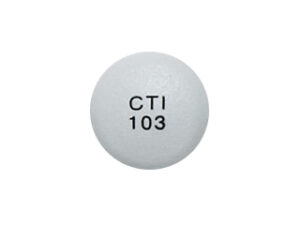
Cyclobenzaprine Hydrochloride (Cyclobenzaprine HCl) — Patient Information (Australia)
Cyclobenzaprine hydrochloride (often written as cyclobenzaprine HCl) is a medicine used to relieve discomfort caused by painful muscle spasms. It is commonly prescribed as part of a broader plan that may include rest, physiotherapy, gentle movement, and other supportive measures.
This page is designed to be patient-friendly and informative. Always follow the instructions provided with your product. If you have questions about your specific situation, speak with a healthcare professional.
At a Glance
- Medicine: Cyclobenzaprine hydrochloride (muscle relaxant)
- Common use: Short-term relief of muscle spasm associated with acute, painful musculoskeletal conditions
- How it works: Helps reduce muscle tone and spasm by acting on the central nervous system
- Typical duration: Often used for a short period (commonly up to 2–3 weeks, depending on the plan)
- Key cautions: Drowsiness, dry mouth, dizziness, falls risk, and interactions with alcohol and some medicines
- In Australia: Available through the pharmacy supply system, with product access varying by formulation and schedule
Basic Product Information
| Category | Details |
|---|---|
| Generic name | Cyclobenzaprine hydrochloride (cyclobenzaprine HCl) |
| Medicine type | Central muscle relaxant (CNS-acting) |
| Typical formulations | Oral tablets or capsules (brand/formulation varies) |
| Onset | Often starts within hours; full effect may take a day or two |
| Duration of use | Usually short-term for acute muscle spasm |
| Common side effects | Drowsiness, dizziness, dry mouth, fatigue |
How Cyclobenzaprine Works (Mechanism of Action)
Cyclobenzaprine helps relieve muscle spasm by acting on the brain and spinal cord (the central nervous system). While the exact mechanism is not fully understood, it is thought to reduce muscle activity by affecting descending pathways involved in muscle tone and pain/spasm responses.
In practical terms, it can make muscles feel less tight and painful, helping you move more comfortably. This effect is usually combined with physical measures such as stretching, heat therapy, staying active within comfort limits, and strengthening/physiotherapy where appropriate.
Pharmacokinetics (Absorption, Distribution, Metabolism, Elimination)
Pharmacokinetics describes how the body processes a medicine—how it is absorbed, distributed, metabolised, and eliminated. Understanding this helps explain timing and why some precautions matter.
- Absorption: Cyclobenzaprine is absorbed after oral dosing.
- Distribution: It distributes into tissues, including the central nervous system.
- Metabolism: It is metabolised mainly in the liver.
- Elimination: Metabolites are eliminated primarily through the kidneys.
- Half-life (general idea): It has a relatively long elimination half-life, which may contribute to prolonged effects such as drowsiness in some people.
Because of this, avoiding alcohol and being careful with activities like driving is important, especially at the start of treatment or when doses are changed. People with liver impairment may need extra caution.
Typical Use and Indications
Cyclobenzaprine is used for the relief of muscle spasm associated with acute, painful musculoskeletal conditions. It is not intended to treat the underlying cause of the pain, but to reduce spasm-related discomfort so you can move and recover.
Common scenarios include:
- Acute neck pain with muscle tightness
- Low back pain where spasm contributes to pain and stiffness
- Muscle spasm associated with strains or sprains
- Short-term relief while other interventions (movement, physiotherapy, analgesics) take effect
If your pain is severe, persistent, or accompanied by concerning symptoms (for example weakness, numbness, or problems controlling bladder/bowel function), seek medical assessment promptly.
Dosing (General Guidance)
Dosing depends on the individual, the product strength, and the overall treatment plan. Follow the specific instructions provided for your medicine. Below is patient-friendly general information that may help you understand typical regimens.
- Adults: Cyclobenzaprine is commonly taken up to three times daily depending on the formulation and plan. Some regimens are designed for shorter-term, scheduled use for acute spasm.
- Older adults: People aged 65 years and over may be more prone to adverse effects such as dizziness and falls. Healthcare professionals may choose a lower dose or avoid use depending on risk factors.
- Children and adolescents: Safety and effectiveness depend on age and product guidance—use should be determined by a healthcare professional.
How to take it:
- Take the tablets or capsules by mouth with water.
- Try to take doses around the same times each day.
- If you miss a dose, take it when you remember unless it is close to the next dose—do not double up.
Duration: Cyclobenzaprine is generally used for a short time. Continuing beyond the recommended period may increase risk without improving benefit.
Timing: When Does it Work?
Many people notice improvement within hours of the first dose, though this varies. Because cyclobenzaprine can cause drowsiness, it is often helpful to:
- Be cautious with the first dose (or first doses after restarting) and avoid driving until you know how it affects you.
- Consider whether symptoms are worst in the morning or evening and discuss timing with your healthcare professional.
- If you are prescribed multiple daily doses, follow the schedule carefully to maintain consistent symptom relief.
Food Interactions
Cyclobenzaprine is an oral medicine, and food generally does not require complicated timing changes for effectiveness. However, individual products can vary, and your overall tolerability may depend on how your stomach feels.
Practical tips:
- If it upsets your stomach, taking it with food may help.
- If it makes you sleepy, consider avoiding taking it at a time when you need to be fully alert.
For the most accurate advice, refer to your specific product instructions or your pharmacist.
Alcohol and Medicine Interactions
Alcohol
It is generally recommended to avoid alcohol while taking cyclobenzaprine. Alcohol can intensify side effects such as:
- Drowsiness and sedation
- Dizziness and impaired coordination
- Slower reaction time (higher risk of accidents and falls)
Other medicines that may interact
Cyclobenzaprine can interact with other drugs that affect the brain or heart rhythm. Tell your healthcare professional or pharmacist about all medicines you use, including:
- Other sedatives or sleep medicines
- Opioid pain medicines (when combined, sedation risk may increase)
- Some antidepressants, particularly those that affect serotonin
- Tricyclic antidepressants (similar medicine class—avoid duplication unless specifically directed)
- Medications that can prolong the QT interval (affecting heart electrical activity)
- Some antifungal or antibiotic medicines (may affect how cyclobenzaprine is metabolised)
- Herbal and non-prescription products (e.g., St John’s wort can interact with many medicines)
If you experience symptoms such as fainting, severe palpitations, chest pain, or uncontrolled muscle jerking, seek urgent medical help.
Safety Profile: Side Effects and What to Watch For
Like all medicines, cyclobenzaprine can cause side effects. Many people experience mild effects, particularly at the start of treatment. Always seek urgent care if you develop serious symptoms.
Common side effects
- Drowsiness or sedation
- Dizziness
- Dry mouth
- Fatigue or feeling “slowed down”
- Constipation, blurred vision, or difficulty focusing in some people
Less common but important concerns
- Confusion, especially in older adults
- Urinary retention (difficulty urinating) in susceptible individuals
- Heart rhythm changes (rare but important—risk is higher with certain other medicines or existing heart conditions)
- Allergic reactions (rash, swelling, breathing difficulty)
When to stop and seek help urgently
- Severe dizziness, fainting, or chest pain
- Breathing difficulty, face/lip swelling, or widespread rash
- Signs of severe allergic reaction
- Unusual agitation, high fever, severe muscle stiffness or tremor (seek urgent assessment)
This is not a complete list of side effects. If you are unsure about symptoms you experience, contact a pharmacist or healthcare professional for advice.
Practical Use Tips (How to Get the Best Results)
- Start with caution: Cyclobenzaprine may cause drowsiness. Avoid driving, operating machinery, or risky tasks until you know how it affects you.
- Use short-term strategies: Keep moving gently within your limits. Complete rest for long periods can slow recovery in some people.
- Consider non-medicine measures: Heat therapy (e.g., warm shower/heating pad), stretching, and physiotherapy guidance can help reduce spasm.
- Hydration: Dry mouth is common—sip water regularly and consider sugar-free lozenges or gum if suitable.
- Prevent falls: If you feel dizzy, rise slowly from sitting/lying positions.
- Follow the schedule: If doses are spaced through the day, do not change timing without advice. Consistency helps balance symptom control and side effects.
Alternative Options
Depending on your symptoms, the cause of pain, and medical history, alternative treatments may include other medications and non-drug therapies. Options may vary across individuals and should be discussed with a healthcare professional.
Medication alternatives (examples)
- Other muscle relaxants: Sometimes another agent is chosen based on side-effect profile and patient risk factors.
- Analgesics: Paracetamol or anti-inflammatory medicines may help with pain associated with musculoskeletal conditions (if appropriate for you).
- Topical therapies: Some topical anti-inflammatory or pain-relief options may be considered.
Non-medicine alternatives
- Physiotherapy and guided exercises
- Heat/cold therapy based on what helps your symptoms
- Stretching and mobility work within tolerable limits
- Ergonomic adjustments to reduce strain
Your healthcare professional can help you choose the most suitable approach, especially if you have medication interactions, medical conditions, or a history of side effects.
Market and Legal Context (Australia)
In Australia, medicines are classified and supplied based on regulatory scheduling, formulation, and safety requirements. Access to cyclobenzaprine may be restricted to appropriate channels and may require evaluation of individual suitability. Product availability can depend on the specific brand, strength, and current scheduling arrangements.
Always check the product page and consult your pharmacist if you have questions about:
- Eligibility for supply
- Required age restrictions or special checks
- Whether a healthcare professional assessment is required for your situation
Pharmacy supply practices also include counselling to support safe use (e.g., checking interactions, medical history, and risk of drowsiness).
Recent Guidance and Ongoing Precautions
Clinical practice commonly emphasises safe use of centrally acting muscle relaxants, particularly due to:
- Risk of sedation and impaired coordination
- Higher susceptibility to adverse effects in older adults
- Important drug-drug interactions, including those affecting heart rhythm
- Preferential short-term use for acute muscle spasm
Guidance may be updated over time, including recommendations about dosing duration and interaction screening. For the most current advice, rely on the instructions provided with your medicine and consult your pharmacist.
Delivery and Availability
Cyclobenzaprine HCl availability and delivery options may vary depending on the pharmacy and your location in Australia. When offered, delivery can include standard and express shipping, with packaging designed to protect products in transit.
What to expect when ordering:
- Product verification: The pharmacy may confirm that the medicine is appropriate for you and that required details are complete.
- Dispatch timing: Orders are typically dispatched on business days after processing.
- Tracking: Many deliveries provide tracking updates.
- Cold chain: This medicine is typically not temperature-sensitive compared with some biologics, but always follow product handling instructions.
Check the specific store’s product page for current delivery estimates, cost, and coverage areas.
Safety Considerations: Who Should Be Extra Careful?
Certain situations require heightened caution or a different treatment approach. Speak with a healthcare professional if you have:
- Liver disease (metabolism occurs in the liver)
- Heart rhythm problems or a history of rhythm-related issues
- Glaucoma or increased eye pressure
- Prostate enlargement or urinary retention risk
- History of falls, fainting, or significant dizziness
- Use of interacting medicines (sedatives, certain antidepressants, heart rhythm medicines)
- Pregnancy or breastfeeding (safety depends on circumstances—get personalised advice)
If you are not sure whether any of your conditions or medicines may interact, a pharmacist can help you check.
FAQ: Common Questions About Cyclobenzaprine HCl
1) Is cyclobenzaprine used for long-term pain?
Cyclobenzaprine is generally used for short-term relief of muscle spasm related to acute painful musculoskeletal conditions. Longer use is usually not the default approach because risk can increase without additional benefit.
2) How quickly will I feel relief?
Some people notice improvement within hours. For others, it may take a day or two to see a clearer change in spasm-related discomfort. Pain from muscle strain or spasm can also improve gradually with movement and supportive care.
3) Will it make me sleepy?
Drowsiness is one of the most common effects. Avoid driving, alcohol, and other sedating substances until you know how you respond. If your work requires alertness, discuss timing and dosage with your pharmacist or healthcare professional.
4) Can I take it with food?
Food generally does not prevent effectiveness. If it upsets your stomach, taking it with food may help. Always follow the specific instructions for your product.
5) Can I drink alcohol while taking cyclobenzaprine?
It is strongly advised to avoid alcohol because it can increase drowsiness, dizziness, and coordination problems.
6) What should I do if I miss a dose?
Take it when you remember unless it is close to the next dose. Do not double up to make up for the missed dose.
7) What if I get dry mouth or constipation?
Dry mouth is common. Sip water regularly, consider sugar-free options, and maintain good oral hygiene. For constipation, increase fluids and dietary fibre where appropriate. If symptoms are severe or persistent, seek advice.
8) Are there interactions with antidepressants or sleep medicines?
Yes. Cyclobenzaprine can interact with medicines that affect the central nervous system and some antidepressants. Tell your pharmacist about all medicines and supplements you take to avoid harmful combinations.
9) Can I stop taking it once I feel better?
Often, cyclobenzaprine is used for a limited period and stopped when spasm improves. However, follow your healthcare professional’s plan. If you want to stop early, it’s best to ask for advice first—especially if you’ve been taking it regularly.
10) When should I seek medical advice for my back or neck pain?
Seek prompt medical assessment if you have weakness, numbness, severe or worsening pain, fever, unexplained weight loss, or loss of bladder/bowel control. If symptoms persist beyond expected timeframes, professional review is recommended.
Summary
Cyclobenzaprine HCl is a centrally acting muscle relaxant used to relieve muscle spasm in acute, painful musculoskeletal conditions. Its benefits can include reduced tightness and improved comfort so you can recover with supportive measures. Because it may cause drowsiness and can interact with other medicines and alcohol, safe use depends on careful timing, avoiding alcohol, and checking compatibility with your existing medicines and health conditions.
For the most accurate instructions, follow the product label and advice from your pharmacist or healthcare professional.