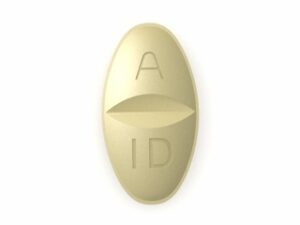

Isosorbide (Isosorbide mononitrate/isosorbide dinitrate) — Patient Information (Australia)
Isosorbide is a medicine used to help prevent and relieve symptoms related to reduced blood flow to the heart and, in some situations, other circulatory conditions. In Australia, you may see isosorbide medicines available under different names or strengths, depending on the specific formulation (for example, immediate-release vs prolonged-release products, and whether it is isosorbide mononitrate or isosorbide dinitrate).
This page provides general, patient-friendly information about how isosorbide works, how it is used, and what to consider for safe use. It is designed to help you understand your treatment and talk with your pharmacist or doctor.
Quick facts
- Common uses: Angina (chest pain) prevention; sometimes other conditions related to blood vessel narrowing
- How it works: Widens blood vessels to improve blood flow to the heart and reduce workload
- Common forms: Tablets or capsules; may be immediate-release or prolonged-release
- Key safety considerations: Can lower blood pressure; common side effects include headache and dizziness
- Important interactions: Do not combine with medicines for erectile dysfunction containing tadalafil, sildenafil, vardenafil or similar nitrates-related interactions (specific guidance depends on the product and timing)
Basic product information
Medicine name: Isosorbide
Active ingredients (may vary by brand/product):
- Isosorbide mononitrate (often used for ongoing prevention of angina)
- Isosorbide dinitrate (may be used for angina; formulation determines onset and duration)
Availability in Australia: Isosorbide-containing medicines are available through Australian pharmacies and may be supplied as different brands and strengths. Availability can vary by formulation (e.g., immediate vs prolonged release).
Presentation: Usually oral tablets or capsules. Some products are designed to release medicine over a longer time.
How isosorbide works (mechanism of action)
Isosorbide belongs to the nitrate family of medicines. Once in the body, it is converted to substances that help relax the smooth muscle in blood vessel walls.
Main effects:
- Vasodilation: Blood vessels widen, reducing resistance and improving blood flow.
- Reduced cardiac workload: Less pressure the heart must pump against.
- Improved oxygen delivery: By improving blood flow in the coronary circulation, it can help prevent angina symptoms.
- Venous pooling reduction: Nitrates preferentially reduce venous return to the heart, which can decrease the heart’s oxygen demand.
Important concept — nitrate tolerance: With continuous dosing, some people develop reduced benefit over time (tolerance). Many prolonged-release regimens aim to include a daily “nitrate-free interval” to reduce this risk. How this is done depends on the exact formulation and dosing schedule.
Pharmacokinetics (how the body handles isosorbide)
Absorption: After oral dosing, isosorbide preparations are absorbed from the gastrointestinal tract. The rate and extent can vary by formulation (immediate vs prolonged release).
Distribution: The medicine and its active metabolites distribute throughout the body, including the cardiovascular system.
Metabolism: Isosorbide is metabolised (primarily in the liver) into metabolites that may also contribute to overall effect.
Elimination: Metabolites are excreted mainly via the kidneys. Individual factors (including age and kidney function) can influence the degree of benefit and side effects.
Onset and duration: These depend on the specific product:
- Immediate-release products may start working sooner but may have a shorter duration.
- Prolonged-release products generally provide steadier levels over a longer period to support prevention.
Typical use in Australia
Isosorbide is commonly used to prevent angina (chest pain) by improving blood flow and lowering the heart’s oxygen demand. Some patients use it as part of a broader heart medicines plan that may also include beta-blockers, calcium channel blockers, statins, or other therapies depending on their condition.
Not all products behave the same: Whether your isosorbide is immediate or prolonged release affects when it should be taken and what it’s best suited for.
Indications (what it is used for)
The exact indication can vary by formulation and the way the medicine is authorised. In general, isosorbide is used for:
- Angina pectoris — prevention of chest pain episodes
- Prevention of exertional or stress-related angina in patients where ongoing symptom control is needed
- Selected cases of other cardiovascular conditions as determined by your treating clinician
Dosing and timing — general guidance
Follow your clinician’s and product label instructions. Dosing schedules differ significantly between immediate-release and prolonged-release forms.
Typical dosing patterns include:
- Immediate-release regimens are often taken several times per day to maintain symptom control.
- Prolonged-release regimens may be taken once or twice daily to provide longer coverage, usually with a planned break to reduce tolerance.
Common timing considerations:
- Try to take doses at consistent times each day.
- If your product instructions include a nitrate-free interval, it is important not to take doses that eliminate this break unless advised otherwise.
- If you forget a dose, do not double up. Take the next dose at the scheduled time.
When to use for symptoms: Many patients use fast-acting “rescue” nitrates (such as short-acting nitrate products) for sudden chest pain, while isosorbide is used for prevention depending on the formulation. If you are unsure whether your isosorbide is intended for prevention, check with your pharmacist.
Food interactions and what to expect
Food effects: Food may affect absorption for some oral medicines. For isosorbide, many patients can take it with or without food, but the exact product instructions should be followed.
Practical tips:
- If nausea or stomach upset occurs, taking with food may help.
- Stay consistent with how you take it (with or without food) to maintain predictable effects.
Alcohol interactions
Alcohol can increase the risk of side effects such as dizziness, lightheadedness, and low blood pressure when combined with isosorbide. This can be particularly relevant if you stand up quickly or if you already have low blood pressure.
Advice:
- Avoid or limit alcohol, especially when starting treatment or adjusting the dose.
- If you notice significant dizziness or faintness, avoid alcohol and seek medical advice.
Medicine interactions (important safety notes)
Isosorbide interacts with several medicines, and some combinations can be dangerous because they may significantly lower blood pressure.
Most important interaction:
- Erectile dysfunction medicines (PDE-5 inhibitors such as sildenafil, tadalafil, vardenafil) can cause a dangerous blood pressure drop when used with nitrates.
Other medicines that may increase low blood pressure or dizziness:
- Blood pressure medicines (antihypertensives)
- Other vasodilators
- Some medicines for mood or neurological conditions that may affect blood pressure or dizziness (examples vary—your pharmacist can check specifics)
Always tell your pharmacist and clinician about:
- All prescription medicines
- Over-the-counter products
- Herbal supplements
- Any recent or planned use of PDE-5 inhibitors
Do not start or stop other medicines without checking compatibility with isosorbide.
Safety profile — side effects and what to do
Common side effects
- Headache (very common with nitrates)
- Dizziness or lightheadedness
- Flushing
- Low blood pressure (may feel like weakness or unsteadiness)
- Feeling faint, especially when standing
Less common but important risks
- Fast heartbeat (palpitations)
- Worsening symptoms if blood pressure drops too much
- Nitrate tolerance (reduced effect over time) if dosing does not allow a nitrate-free interval as intended by the regimen
When to seek urgent help
Seek urgent medical attention if you experience:
- Fainting or severe dizziness
- Severe or worsening chest pain that does not improve as directed by your care plan
- Signs of a serious allergic reaction (e.g., swelling of face/lips, difficulty breathing, widespread rash)
Treatment-related precautions
- Be cautious if you have a history of low blood pressure, fainting, aortic stenosis, or certain types of heart disease.
- Use extra care when starting or increasing the dose.
- Avoid sudden standing—get up slowly to reduce dizziness.
Practical use tips (how to get the best benefit safely)
- Stand up slowly: Headache and dizziness are common early on; slow position changes can help.
- Keep a symptom diary: Record timing of chest pain, activity, and medicine timing. This helps you and your clinician adjust therapy.
- Don’t skip the planned nitrate-free interval if your regimen includes one (tolerance can reduce effectiveness).
- Use consistent timing: Take doses at similar times each day.
- Check what “form” you have: Ask your pharmacist whether your product is immediate-release or prolonged-release.
- Headache management: Mild headaches often improve as your body adjusts. Many patients find that hydration and taking the dose at consistent times helps. Only use pain relief advice appropriate for you—ask your pharmacist.
Alternative options (other medicines and approaches)
Depending on your specific heart condition, your clinician may recommend alternative medicines or combinations. Options can include:
Other anti-angina medicines
- Beta-blockers (e.g., metoprolol, bisoprolol)
- Calcium channel blockers (e.g., amlodipine, diltiazem)
- Ranolazine (in selected patients)
- Other nitrate preparations (short-acting for acute symptoms vs longer-acting for prevention)
Lifestyle and risk management
While medicines help manage symptoms, broader cardiovascular risk reduction is important:
- Smoking cessation
- Heart-healthy diet
- Regular activity as advised
- Medication adherence for cholesterol, blood pressure, and diabetes if applicable
Note: Alternative options depend on your diagnosis and your personal risk profile. Your pharmacist can help clarify which options are commonly used and what to discuss with your clinician.
Market and legal context for Australia
In Australia, medicines are regulated through a quality, safety, and supply framework that includes evaluation of ingredients, manufacturing standards, labelling, and pharmacy distribution requirements. Availability of isosorbide products may vary by brand, strength, and whether the product is classified for supply through pharmacies under local regulations.
Pharmacy supply: Isosorbide-containing medicines are generally supplied through Australian pharmacies, and pharmacists can assist with checking interactions and providing patient counselling.
Medicines information standards: Australian labelling and consumer medicine information documents provide guidance on correct use, warnings, and potential side effects. Always refer to the specific information that comes with your product.
Recent guidance (general trend): Recent clinical and safety focus in Australia and internationally has emphasised careful screening for nitrate interactions—especially with erectile dysfunction medicines—along with attention to blood pressure monitoring, dizziness/falls risk, and appropriate use of dosing intervals to reduce tolerance. Your pharmacist may ask additional questions to ensure safe use.
Delivery and availability (online pharmacy)
At an online pharmacy in Australia, isosorbide availability may depend on:
- Your location (delivery options and timeframes)
- The specific formulation and strength required (immediate vs prolonged release)
- Stock levels and manufacturer supply
Typical delivery considerations:
- Orders are usually dispatched on business days (excluding public holidays).
- Delivery times vary by courier service and destination.
- Some products may require verification steps before dispatch.
Packaging: Medicines are typically supplied in original manufacturer packaging with patient information and label details.
FAQ
1) Is isosorbide the same as “nitroglycerin”?
No. Isosorbide is a nitrate medicine, but it is different from nitroglycerin (which is another nitrate used in various forms). They can have different onset and duration depending on the formulation and route.
2) How long does it take to work?
It depends on the specific product. Immediate-release formulations usually start working sooner, while prolonged-release products provide more sustained effect. Your product label or pharmacist can confirm expected timing.
3) Should I take isosorbide every day?
Isosorbide is often used for prevention of angina symptoms, which typically means regular daily use as directed. If your regimen includes a nitrate-free interval, it is important to follow it.
4) Can I drink alcohol while taking isosorbide?
It’s best to avoid or limit alcohol because it can increase dizziness and low blood pressure. If you become lightheaded, don’t drink alcohol and seek advice if symptoms persist.
5) What if I miss a dose?
If you miss a dose, take it only if it is close to the scheduled time. Otherwise, skip it and take your next dose as planned. Do not double up.
6) What should I do if I get a headache?
Headache is common with nitrates and often improves with time. Stay hydrated, avoid sudden standing, and consider discussing appropriate pain relief options with your pharmacist—particularly if you have other medical conditions or take other medicines.
7) Can I take it with sildenafil or tadalafil?
Combining isosorbide with PDE-5 inhibitors (commonly used for erectile dysfunction, such as sildenafil and tadalafil) can cause dangerous blood pressure lowering. You must discuss timing and suitability with a pharmacist or clinician before using these medicines together.
8) Will isosorbide prevent all chest pain?
It helps reduce frequency and severity for many people, but angina triggers vary. If chest pain becomes more frequent, severe, or happens at rest, seek urgent medical attention and contact your clinician promptly.
9) Are there any signs that the dose is too strong?
Possible signs include significant dizziness, fainting, or feeling unusually weak (often due to low blood pressure). If these occur, contact a pharmacist or clinician urgently for advice.
10) Isosorbide sounds like it’s for the heart—what if my condition is different?
Isosorbide may be prescribed for specific cardiovascular reasons beyond classic angina, depending on the formulation and your medical history. Always follow the specific directions provided for your condition.
Summary
Isosorbide is a nitrate medicine used primarily to prevent angina symptoms by widening blood vessels and reducing the heart’s oxygen demand. Like other nitrates, it can cause headaches and dizziness, and it may lower blood pressure. Careful attention to drug interactions—especially with medicines for erectile dysfunction—and correct timing is essential for safe, effective use in Australia.
If you have questions about your exact product (brand name, strength, immediate vs prolonged release), interactions with your other medications, or what to do if side effects occur, your pharmacist can help.