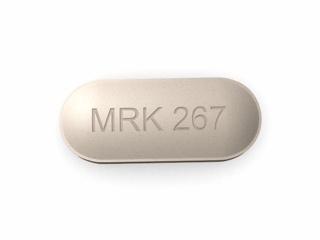

Maxalt (Rizatriptan) — Patient-Friendly Guide (Australia)
Maxalt is a medicine used to treat migraine attacks. It contains rizatriptan, which belongs to a group of medicines known as triptans. If you experience migraine with symptoms such as throbbing headache, nausea, or sensitivity to light and sound, Maxalt may help relieve the attack when taken early.
This guide explains how Maxalt works, how it’s used, what to expect, important safety information, and practical tips. It is written for general information and cannot replace advice from a health professional.
Quick Product Information
| Category | Details |
|---|---|
| Brand name | Maxalt |
| Active ingredient | Rizatriptan |
| Medicinal class | Triptan (5-HT1B/1D receptor agonist) |
| Common forms | Tablets (including melt/rapid-dissolve forms depending on product availability) |
| Uses | Acute treatment of migraine attacks (with or without aura) |
| Best timing | As early as possible during a migraine attack (when symptoms start) |
| Typical onset | Often within 30–60 minutes for many people |
How Maxalt Works (Mechanism of Action)
Migraine is associated with changes in nerves and blood vessels in the brain. Rizatriptan helps counter these changes by acting on serotonin (5-HT) receptors.
- Activates 5-HT1B and 5-HT1D receptors in blood vessels and nerve pathways.
- Helps reduce inflammation and pain signalling linked to migraine.
- Causes selective narrowing of certain blood vessels that may contribute to migraine symptoms.
- Inhibits release of migraine-related neuropeptides and dampens abnormal pain transmission.
The result is that Maxalt can reduce headache pain and associated symptoms such as nausea, light sensitivity, and sound sensitivity when taken during an attack.
Pharmacokinetics (How the Body Handles Rizatriptan)
Pharmacokinetics describes how a medicine is absorbed, distributed, metabolised, and eliminated.
- Absorption: Rizatriptan is absorbed after oral dosing. Peak levels typically occur within about 1–1.5 hours (may vary by formulation and individual factors).
- Distribution: It distributes through the body and reaches the central nervous system to exert its effects.
- Metabolism: Mainly metabolised in the liver by monoamine oxidase A (MAO-A).
- Elimination: Excreted mainly through the kidneys. The overall half-life is approximately 2–3 hours.
Why this matters: Because the medicine clears relatively quickly, some people may experience recurrence of migraine symptoms after the initial improvement (“return of headache”). This is often addressed by following a prescriber’s instructions about repeat dosing or rescue treatment.
What Maxalt is Used For (Indications)
Maxalt is used for the acute treatment of:
- Migraine attacks in adults, with or without aura
Maxalt is intended to treat a migraine episode as it occurs. It is not a medicine for daily prevention of migraine.
When to Take Maxalt (Timing During a Migraine)
Maxalt works best when taken early in an attack.
- Take at the start of migraine symptoms (e.g., when pain begins or when you notice typical early symptoms).
- If you have aura, you can generally take Maxalt once the headache phase begins (many people wait until pain starts). Follow your clinician’s advice and product instructions for your specific case.
Important: Maxalt is most useful for migraine that has started. Taking it too early or outside a migraine attack may reduce effectiveness.
Dosing (Typical Adult Use)
Dosing should be based on your age, health conditions, and any interacting medicines.
Common adult dosing approaches include:
- Initial dose: usually 5 mg or 10 mg depending on the specific formulation and individual factors.
- Repeat dose: may be taken for ongoing symptoms or recurrence after the first dose, subject to spacing limits.
- Maximum daily limit: do not exceed the maximum number of doses in 24 hours as directed by your local product information and clinician.
Special caution: If you are taking medicines that interact with rizatriptan—particularly certain antidepressants or other migraine therapies—your prescriber may recommend a different dose (for example, a lower starting dose) and stricter maximum limits.
Always follow the instructions provided with your specific Maxalt product and local guidance. If you are unsure about your dose, ask a pharmacist.
Food Interactions
Food can affect how quickly some medicines are absorbed, but rizatriptan is generally not strongly limited by meals.
- Practical advice: you can take Maxalt with or without food.
- If you’re nauseated: taking it with a small amount of food or water may be easier, but avoid heavy meals if nausea is significant.
Note: Because migraine symptoms can include nausea and vomiting, absorption may be reduced if you vomit soon after taking a tablet. If vomiting occurs shortly after dosing, seek advice on whether you should take another dose.
Alcohol and Maxalt
Alcohol does not directly “cancel out” rizatriptan, but it can:
- Trigger migraines in some people (including through dehydration or sleep disruption).
- Worsen nausea and dizziness.
If you choose to drink alcohol, do so cautiously and consider avoiding it during a migraine attack. If you notice alcohol reliably worsens your migraines, discuss safer strategies with your doctor or pharmacist.
Medicine Interactions (Especially Important)
Interactions can change how Maxalt works or increase side effects. Always tell your pharmacist or clinician about your medicines and supplements.
Key interaction categories
- MAO-A inhibitors: Because rizatriptan is metabolised by MAO-A, medicines that inhibit MAO-A can raise rizatriptan levels and increase risk of side effects.
- Other triptans: Do not combine with another triptan for the same migraine attack unless specifically advised.
- Ergot alkaloids (e.g., ergotamine): Combining can increase risk of vascular side effects. Spacing may be required.
- SNRIs/SSRIs and other serotonergic medicines: Using triptans with certain medicines that increase serotonin may rarely increase risk of serotonin-related effects. This risk is generally uncommon but important to discuss, especially if you take multiple serotonergic medicines.
- Linezolid or methylene blue (MAO-A related use cases): May interact via MAO pathways.
- Certain antibiotics/antifungals and other drugs that affect liver enzymes: Could change rizatriptan levels.
Combination with migraine preventives
Maxalt is used to treat attacks, while many migraine preventives are taken daily. Combining is sometimes appropriate, but you should confirm compatibility with your specific preventive therapy.
Always check: If you’re taking any migraine-specific treatments such as other acute agents (including CGRP medicines) or preventive medicines, ask a pharmacist to confirm timing and safety.
Safety Profile and Common Side Effects
Most people tolerate rizatriptan reasonably well. However, like all medicines, Maxalt can cause side effects.
Common side effects
- Dizziness
- Drowsiness or fatigue
- Nausea
- Dry mouth
- Pain, tightness, pressure, or heaviness (often temporary and may be felt in the chest, throat, neck, or jaw)
Serious side effects — seek urgent help
Contact emergency services or seek urgent medical attention if you experience symptoms that may suggest a serious reaction or circulation/heart issue, such as:
- Chest pain, severe shortness of breath, fainting
- Signs of stroke (face drooping, weakness, speech difficulty, sudden severe headache unlike usual)
- Severe allergic reactions (swelling of face/lips, hives, trouble breathing)
Although these events are uncommon, triptans have important precautions because they affect serotonin receptors and may cause vascular effects in susceptible individuals.
Medication overuse headache (MOH)
Using acute migraine medicines too often can worsen headache frequency over time.
- Try to avoid taking Maxalt on more days than recommended by your clinician and product information.
- If you require acute treatment frequently, discuss migraine prevention options.
Practical Use Tips (What Helps You Get the Best Results)
- Take it early: many people benefit most when the dose is taken at the start of symptoms.
- Stay hydrated: small sips of water can help if you can tolerate fluids.
- Manage nausea: if nausea is severe, an anti-nausea plan (from a pharmacist/doctor) may improve absorption and comfort.
- Minimise triggers: dark, quiet rooms; reduce screen brightness; try to rest.
- Track your response: note how long it takes to work, and whether headache returns within 24 hours.
- Do not “stack” doses too quickly: follow spacing intervals in your product instructions.
- If it doesn’t work: some attacks may not respond. Discuss with a pharmacist/doctor if consistent failure occurs—your plan may need adjustment.
What to Expect: Effectiveness and Recurrence
Many people notice improvement in headache pain within an hour, with relief sometimes extending beyond that. However:
- Recurrence can occur, especially as the medicine wears off.
- Some attacks may respond partially or not at all.
If you frequently experience recurrence, early recurrence at predictable times, or worsening symptoms, it’s worth reviewing your overall migraine management plan.
Alternative Options for Acute Migraine
Your best alternative depends on your medical history, frequency of attacks, and other medicines you take.
Other acute medicines
- Analgesics/anti-inflammatories (e.g., ibuprofen or naproxen) for selected attacks
- Other triptans (different agents in the same class)
- Different acute migraine classes such as CGRP receptor antagonists (availability varies)
- Antiemetics to control nausea and support medicine absorption
When prevention should be considered
If migraines are frequent or severe, preventive treatment can reduce attack frequency and improve quality of life. Options may include:
- preventive medicines (varies by individual)
- lifestyle and trigger strategies
- non-medicine options such as physiotherapy or neuromodulation (depending on local availability)
Your pharmacist can help you identify suitable options and check interactions.
Australia: Market and Legal/Regulatory Context
In Australia, medicines are regulated through the Therapeutic Goods Administration (TGA). The availability of specific migraine medicines and their supply restrictions depend on the product, dose form, and local scheduling requirements.
- Rizatriptan products may be supplied through channels consistent with Australian scheduling.
- Online pharmacies typically require appropriate checks to ensure the medicine is suitable and safe for you.
- Always ensure you are using legitimate products from reputable suppliers.
Important: Never share your migraine medicine with someone else, even if their symptoms seem similar.
Recent Guidance and Ongoing Safety Considerations
Guidance for migraine care evolves as evidence and safety monitoring improves. Current best practice commonly emphasises:
- Early appropriate treatment of acute attacks
- Limiting medication overuse to reduce risk of chronic headache transformation
- Checking cardiovascular risk and contraindications before triptan use
- Reviewing interactions with other serotonergic or migraine medicines
If you have heart disease risk factors, a history of stroke/TIA, uncontrolled high blood pressure, or you’re on interacting medicines, ask a pharmacist for guidance before using Maxalt.
Delivery and Availability (Online Pharmacy Information)
Availability of Maxalt can vary depending on stock and the exact product strength and formulation. When buying online in Australia, you typically can expect:
- Product listing confirmation of strength (e.g., 5 mg vs 10 mg) and dosage form
- Secure ordering and eligibility checks in line with pharmacy requirements
- Delivery timeframes based on your location (metro vs regional)
- Tracking in many cases (subject to supplier process)
For the most accurate delivery estimates, check the ordering page of your selected pharmacy and confirm stock status before placing an order.
Frequently Asked Questions (FAQ)
1) What is Maxalt used for?
Maxalt (rizatriptan) is used to treat acute migraine attacks in adults, including migraine with or without aura.
2) How quickly does Maxalt work?
Many people begin to feel relief within 30–60 minutes. Response varies by individual and by how early the dose is taken.
3) Can I take Maxalt during the aura stage?
Some people take their dose when the headache begins during/after aura. It’s commonly recommended to take it once migraine symptoms you normally treat are present. Follow product instructions and advice specific to your situation.
4) Can I take Maxalt with food?
Yes—Maxalt can generally be taken with or without food. If nausea is an issue, a small amount of food may make it easier to tolerate.
5) How many doses can I take in a day?
Maximum dosing depends on your specific product and strength. Always follow the instructions in the consumer medicine information supplied with your Maxalt and any advice given to you by a health professional.
6) What if my migraine comes back after it works?
Recurrence can happen as the medicine wears off. Speak with a pharmacist about how to manage recurrence safely, including appropriate timing of any additional doses or alternative rescue options.
7) What should I avoid while taking Maxalt?
Avoid taking it with medicines that may interact—especially other triptans, ergot-based medicines, and MAO-A inhibitors. Avoid exceeding the recommended dose and frequency.
8) Can I drink alcohol?
Alcohol isn’t usually a direct interaction, but it can trigger or worsen migraines and increase nausea or dizziness. Consider limiting or avoiding alcohol during migraine periods.
9) Who should not use Maxalt?
Maxalt may not be suitable if you have certain cardiovascular conditions, history of stroke/TIA, uncontrolled high blood pressure, or known contraindications for triptans. If you’re unsure, ask a pharmacist to review your medical history.
10) What are the warning signs I should take seriously?
Seek urgent help for severe allergic reactions, chest pain, fainting, sudden neurological symptoms, or the “worst headache” unlike your usual pattern.
When to Talk to a Pharmacist or Doctor
Consider speaking with a pharmacist or doctor if:
- Your migraines are becoming more frequent or severe
- Maxalt is not providing adequate relief
- You’re needing acute treatment often (possible medication overuse risk)
- You have new symptoms, unusual headache features, or risk factors for heart or blood vessel disease
- You’re taking other medicines that may interact (including antidepressants or other migraine treatments)
With the right approach, many people can improve control of migraine attacks and overall wellbeing.