
Panadol (Paracetamol) – Patient-Friendly Guide
Panadol is a well-known brand of paracetamol (also called acetaminophen in some countries). It’s commonly used to relieve pain and fever in adults and children. This guide explains how Panadol works, how to use it safely, and what to consider regarding food, alcohol, and other medicines—tailored for people in Australia.
Quick Product Information
- Active ingredient: Paracetamol
- Common uses: Headache, toothache, muscle aches, period pain, sore throat pain, colds/flu symptoms, fever
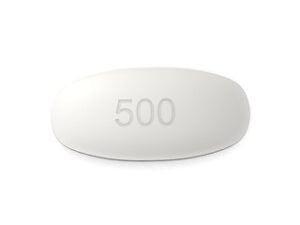
- Common strengths: Products vary (for example, 500 mg tablets for adults; children’s formulations and liquid preparations are also available)
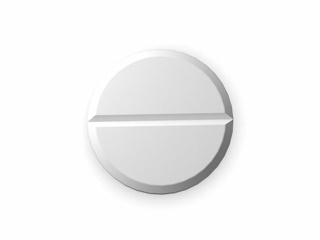
- Common formats: Tablets, caplets, soluble tablets, and children’s liquid/chewable formats (availability varies by product line)
- Therapeutic class: Analgesic (pain relief) and antipyretic (fever reducer)
Note: Always check the specific pack for the exact strength and dosing for your particular Panadol product (e.g., regular tablets vs. children’s formulations vs. “extra” variants).
How Panadol Works (Mechanism of Action)
Paracetamol helps reduce pain and fever. While it’s often described as a “gentle” pain reliever, it’s not the same as anti-inflammatory medicines such as ibuprofen (which belongs to the NSAID class).
- Pain relief: Paracetamol is thought to work mainly in the central nervous system by influencing pathways involved in pain signalling.
- Fever reduction: It helps lower fever by acting on the brain’s temperature-regulating centre.
- Anti-inflammatory effect: Paracetamol has minimal anti-inflammatory action compared with NSAIDs, so it may be less effective for pain caused primarily by inflammation.
Important: Paracetamol can be effective for many common aches and pains, but if symptoms persist, worsen, or you suspect a serious condition, seek medical advice promptly.
Pharmacokinetics (How Your Body Handles It)
Pharmacokinetics describes how the body absorbs, distributes, metabolises, and eliminates a medicine.
| Process | What typically happens with paracetamol |
|---|---|
| Absorption | Generally absorbed from the gastrointestinal tract. Peak effects often occur within a short time after dosing (exact timing varies by formulation and individual factors). |
| Distribution | Paracetamol spreads through body tissues and reaches sites involved in pain and fever regulation. |
| Metabolism | Primarily metabolised in the liver. A small portion is converted to a reactive metabolite that normally becomes safely neutralised. |
| Elimination | Mostly excreted by the kidneys (through urine), along with metabolites. |
| Why liver safety matters | Too much paracetamol can overwhelm liver pathways, increasing risk of serious liver injury. That’s why dose limits are critical. |
Typical Uses (Indications)
Panadol (paracetamol) is commonly used to relieve:
- Fever
- Headache
- Toothache
- Muscle aches and general body aches
- Back pain (when pain is not primarily inflammatory)
- Sore throat pain and discomfort associated with colds or influenza-like symptoms
- Period (menstrual) pain
- Post-vaccination pain or mild aches
Cold & flu note: Some cold/flu combination products also contain paracetamol. Avoid accidental double-dosing by checking active ingredients.
Timing: When It Starts Working and How Often to Take It
Many people notice relief within 30–60 minutes of taking paracetamol (depending on product type and personal factors). Effects typically last several hours.
- Typical adult dosing interval: commonly every 4 to 6 hours as needed (follow your pack instructions and the maximum daily dose).
- Maximum daily dose: depends on your product and personal risk factors. In general, do not exceed the stated maximum on the pack.
Practical tip: If you’re taking paracetamol for fever, use the lowest effective dose for the shortest time needed to control symptoms.
Dosing (General Guidance)
Dosing depends on age, weight (especially for children), and the exact Panadol product. Always follow the dosing directions on the label or any dosing schedule provided for your specific formulation.
Adults and adolescents (general)
- Use the dose on the pack
- Keep to the recommended dosing interval and maximum daily limit.
- If you have liver disease, regularly drink alcohol, are underweight, or are taking other paracetamol-containing products, you may need extra caution—consider speaking with a pharmacist.
Children
- Children’s paracetamol dosing is commonly based on weight and the child’s age.
- Use only the children’s formulation (e.g., liquid/chewable) intended for paediatric dosing.
- Do not use adult strength tablets unless the product is specifically designed for children dosing and you understand the correct dose.
Do not guess dosing: If you’re unsure, check the pack or ask a pharmacist.
Can You Take Panadol With Food?
Panadol (paracetamol) is generally safe to take with or without food. Food does not usually make paracetamol dangerous, but it may affect how quickly it is absorbed.
- If you take it with food, the onset may be slightly slower for some people.
- If you take it on an empty stomach, it may work a little faster, but this isn’t required for safety.
Tip for nausea or sensitive stomach: If you feel queasy, taking paracetamol with a light meal or snack may be more comfortable.
Alcohol Interactions: Important Safety Information
Paracetamol and alcohol need careful consideration. The main concern is the liver.
- Regular heavy drinking or drinking large amounts can increase the risk of liver injury from paracetamol.
- If you choose to drink alcohol, aim for lower amounts and do not exceed the recommended paracetamol dose.
- Consider avoiding alcohol while using paracetamol for fever or pain if possible.
Seek urgent help if you have taken too much paracetamol or if you develop symptoms such as severe nausea, vomiting, sweating, abdominal pain, or unusual fatigue. Severe liver injury can be delayed—early action is crucial.
Medicine Interactions (Including Other Paracetamol-Containing Products)
Many interactions are about accidental overdose—especially when paracetamol is included in other medicines.
1) Other medicines that contain paracetamol
- Cold & flu products, pain relief combinations, and some headache powders may contain paracetamol.
- Read labels carefully to make sure you’re not taking multiple products with the same active ingredient.
2) Medicines that affect liver metabolism
Some medicines may increase or decrease paracetamol metabolism in the body. Examples can include certain medicines that influence liver enzymes. If you take regular medicines, it’s a good idea to check with a pharmacist.
3) Warfarin and long-term use
There is known interaction potential between paracetamol and warfarin (a blood thinner), particularly with frequent or high-dose paracetamol over time. Occasional recommended doses are usually used, but if you take warfarin, ask a pharmacist for personalised advice.
Always tell a pharmacist about all medicines you’re using, including:
- Prescription medicines
- Over-the-counter (OTC) medicines
- Herbal products
- Vitamins or supplements
Safety Profile and Warnings
When used correctly, paracetamol is generally well tolerated. However, safety depends on dose and frequency.
Key safety points
- Do not exceed the maximum daily dose stated on the pack.
- Do not combine multiple paracetamol-containing products.
- Extra caution is advised if you have liver disease, drink alcohol regularly, are underweight, or are taking other medicines that may affect the liver.
- Use the lowest effective dose for the shortest time.
Overdose risk
Paracetamol overdose can cause serious liver damage. Even if you feel okay at first, harm can progress. If an overdose is suspected, urgent medical care is required.
Allergy and side effects
All medicines can cause side effects. Seek urgent help for signs of allergy (such as rash, swelling of the face/lips, trouble breathing).
Possible side effects may include:
- Nausea or stomach discomfort (usually not common at recommended doses)
- Skin reactions in people who are sensitive
- With misuse or overdose: risk of serious liver injury
If you experience anything concerning, stop and seek advice.
Practical Use Tips (How to Use Panadol Safely)
- Check the pack strength every time you buy or use a product—different Panadol items may have different amounts of paracetamol.
- Keep a dosing schedule (especially for children) to avoid repeated dosing too close together.
- Use measuring devices for liquids (e.g., oral syringes/spoons). Do not use household teaspoons unless a pharmacist confirms equivalence.
- Track other products you’re using (cold/flu combinations are common culprits for double paracetamol).
- For persistent fever or pain: if symptoms don’t improve or last longer than expected, consult a healthcare professional.
When to Seek Medical Advice
Consider seeking medical advice if:
- Fever persists or is very high
- Severe headache, stiff neck, or unusual symptoms occur
- Pain lasts beyond a few days or keeps returning
- You suspect an infection that needs evaluation
- The person taking Panadol is very young, pregnant, has significant medical conditions, or has liver disease
In emergencies (e.g., suspected overdose), contact local emergency services or urgent care immediately.
Alternative Options (When Panadol May Not Be Enough)
Depending on the cause of pain or fever, you may consider alternative approaches.
Other non-prescription pain/fever options (general)
- Ibuprofen (an NSAID) can reduce pain and inflammation for some conditions. It may not be suitable for everyone (for example, people with certain stomach ulcers, kidney disease, or NSAID sensitivity).
- Non-medicine measures such as rest, hydration, warm/cool compresses, and gentle stretching may help.
For specific pain types
- Inflammatory pain (e.g., some joint injuries) may respond better to anti-inflammatory medicines than paracetamol.
- Migraine plans sometimes include specific strategies—if you have frequent migraines, discuss options with a pharmacist or GP.
Tip: If you choose an alternative medicine, ensure you don’t accidentally take overlapping ingredients.
Panadol in the Australian Market: Availability and Legal/Regulatory Context
In Australia, paracetamol products are generally available over the counter from pharmacies and retail outlets, depending on the specific product and strength. Health authorities monitor public safety regarding dosing and overdose prevention, and packaging typically includes clear directions and maximum daily limits.
What to expect when buying Panadol in Australia:
- Products display the active ingredient (paracetamol) and strength.
- Labels include dose instructions by age/weight (where relevant).
- Some products may be listed under consumer medicines arrangements or pharmacy-only categories based on formulation and strength.
Recent guidance (general principles): Australia has consistently emphasised safe paracetamol use, including:
- Avoiding double dosing from combination products
- Respecting maximum daily dose limits
- Seeking urgent help after suspected overdose
- Extra caution with alcohol use and liver-related risk factors
Because guidance can be updated, always follow the instructions on your current product packaging and check with a pharmacist if you are unsure.
Delivery and Availability (Online Pharmacy)
Panadol is widely available online in Australia through pharmacy retailers. Typical delivery details may include:
- Availability: Commonly stocked; children’s formulations and different tablet types may vary by supplier.
- Dispatch: Orders are usually processed promptly during business hours.
- Delivery times: Depend on your location and the courier service selected at checkout.
- Packaging: Medicines are generally supplied in protective packaging to maintain product integrity.
Tip: If you’re preparing for travel or caring for a child at home, consider ensuring you have an appropriate formulation and dosing device available before you need it.
FAQ About Panadol (Paracetamol)
1) Is Panadol the same as paracetamol?
Yes. Panadol is a brand name. The active ingredient in Panadol products is paracetamol (also known as acetaminophen).
2) How often can I take Panadol?
Follow the dosing interval and maximum daily dose on the specific product pack you have. For many adult formulations, dosing is commonly every 4 to 6 hours as needed, but product-specific instructions must be followed.
3) Can I take Panadol with food?
Yes. Paracetamol can usually be taken with or without food. Food may slightly change how quickly it works, but it does not usually affect overall safety.
4) Can I drink alcohol while using Panadol?
It’s best to limit or avoid alcohol while taking paracetamol. Regular heavy drinking or large amounts increase the risk of liver injury. Do not exceed the recommended dose.
5) What happens if I accidentally take too much?
Paracetamol overdose can cause serious liver damage even if you don’t feel immediately unwell. If you suspect an overdose, seek urgent medical help right away. Early treatment is important.
6) Can children take Panadol?
Yes, children can take paracetamol, but dosing must be based on age and/or weight and the correct children’s formulation must be used. Always follow the pack instructions.
7) Can I take Panadol with other medicines for colds or flu?
Many cold/flu products contain paracetamol. Check the “active ingredients” list on all products. Avoid taking multiple products that contain paracetamol.
8) Does Panadol treat the cause of illness or only symptoms?
Panadol helps relieve symptoms such as pain and fever. It does not treat the underlying cause of infections or other conditions. If symptoms persist, consult a healthcare professional.
9) When should I stop using Panadol and get advice?
If fever lasts longer than expected, pain is severe, symptoms worsen, or you’re unsure about dosing—especially for children, pregnancy, liver conditions, or regular alcohol use—seek advice from a pharmacist or doctor.
10) Are there alternatives to Panadol?
Depending on the condition, alternatives may include other non-prescription pain relievers (such as ibuprofen) or non-medicine strategies. If considering an alternative medicine, check for interactions and overlapping ingredients.
Summary
Panadol (paracetamol) is a widely used option in Australia for relieving pain and fever. It works mainly in the brain to reduce pain signalling and help bring down temperature. Used as directed—especially by staying within the recommended dose limits—paracetamol is generally safe for most people. The biggest risk is accidental overdose, often from taking multiple products that contain paracetamol or exceeding daily limits. Always read labels carefully, consider interactions (including alcohol and other medicines), and seek prompt advice if symptoms persist or overdose is suspected.