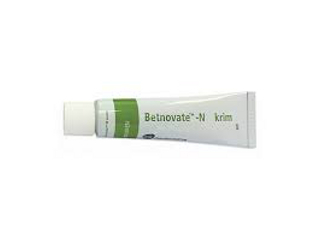
Diprolene (Betamethasone) – Patient-Friendly Guide (Australia)
Diprolene contains betamethasone, a corticosteroid medicine used to treat a range of inflammatory and allergic skin conditions. It works by reducing inflammation, redness, swelling and itching. Different Diprolene products may come as creams or ointments, and the exact strength depends on the specific formulation.
This guide is designed to help you understand how Diprolene works, how it’s commonly used, what to expect, and important safety considerations for use on skin in Australia. Always check the label on your specific product and follow the instructions provided by your healthcare professional or pharmacist.
Quick Overview
- Active ingredient: Betamethasone (a corticosteroid)
- Common form: Topical (skin) cream/ointment (strength varies by product)
- Main benefits: Helps reduce inflammation and itching
- Where it’s used: Selected inflammatory skin conditions
- Typical time to notice improvement: Often within a few days; full benefit may take 1–2 weeks (depending on condition)
- Key safety points: Use as directed; avoid inappropriate areas (eyes, broken skin); don’t overuse
Basic Product Information
Diprolene is a topical corticosteroid brand containing betamethasone. Corticosteroids reduce the immune and inflammatory signals that drive many skin symptoms.
In Australia, topical corticosteroids are widely used under various brand names and strengths. Your exact product (for example, cream vs ointment, and strength) affects how it should be applied and how frequently it should be used.
| Feature | What to know |
|---|---|
| Medicine class | Topical corticosteroid (betamethasone) |
| How it works | Reduces inflammatory processes in skin |
| Typical application | Apply a thin layer to affected skin as directed |
| Common frequency | Often once or twice daily depending on severity and product |
| Duration | Use for the shortest time needed; review if not improving |
How Diprolene Works (Mechanism of Action)
Betamethasone is a potent corticosteroid. When applied to the skin, it:
- Reduces inflammatory chemical signals that contribute to redness and swelling.
- Decreases immune cell activity in the affected area.
- Helps calm itching by reducing inflammation in skin layers.
- Improves symptoms such as irritation, scaling, and discomfort.
Importantly, it treats inflammation. It does not directly treat infections such as fungal or bacterial skin infections. If an infection is present, additional treatment may be needed.
Pharmacokinetics (Absorption and Processing)
Because Diprolene is applied to skin, systemic absorption (into the bloodstream) is generally low when used properly on small areas for short periods. However, absorption increases if:
- Large areas are treated
- Skin is inflamed or broken
- Covering with occlusive dressings (airtight coverings) is used
- Long-term use occurs
- Use in children (who can absorb relatively more per body weight) occurs
Once absorbed, corticosteroids can be metabolised by the liver and eliminated mainly by the kidneys. The goal is to keep exposure local to the skin by using the correct amount and limiting treatment duration.
Typical Use and Timing
Diprolene is commonly used when a healthcare professional has determined that inflammation in the skin requires corticosteroid treatment. Many conditions improve with appropriate use of topical steroids, but the exact plan (strength, frequency, and duration) varies.
When to expect improvement
- First signs of relief: Often within 2–3 days.
- Noticeable improvement: Commonly within 1 week.
- May take longer: Some conditions require 1–2 weeks or more careful step-down plans.
How to apply (general guidance)
- Wash and dry the area before application.
- Apply a thin layer to the affected skin.
- Gently rub in until it disappears (unless label instructions say otherwise).
- Wash your hands after applying (unless your hands are the treatment area).
If you’re using other skin products (moisturisers, emollients, or medicated creams), apply them at different times unless your pharmacist or doctor advises otherwise.
Food Interactions
Diprolene is a topical medicine, so meaningful food interactions are not expected. Systemic absorption is generally low when used properly.
That said, if you experience unusual symptoms or you’re using other medicines that affect the immune system, discuss them with your healthcare professional.
Alcohol and Medicine Interactions
Alcohol
No direct interaction between Diprolene and alcohol is typically expected with normal topical use. However, if you are using other medicines that affect blood sugar, infection risk, mood, or stomach health, it’s still wise to consider alcohol’s overall effects.
Other medicines
Topical betamethasone has limited systemic interaction potential compared with oral corticosteroids. Still, interactions can occur in special situations, especially when:
- You are using other corticosteroids (topical or oral).
- You are treating large areas or using long courses.
- You are using medications that affect immune function.
Tell a pharmacist if you use immunosuppressive medicines, have diabetes, are pregnant/breastfeeding, or are treating a child—because these can influence safe use.
Indications (What Diprolene Is Used For)
Diprolene is used for a variety of inflammatory skin conditions where a corticosteroid is appropriate. Common examples include:
- Eczema (including atopic dermatitis in selected cases)
- Dermatitis (inflammatory rashes)
- Psoriasis (certain plaques may respond, depending on area and severity)
- Inflammatory skin reactions where itching and redness are driven by inflammation
Diprolene should be used only for skin conditions it is intended for. If your rash is due to infection (for example, fungal infections such as ringworm, or bacterial infections), a corticosteroid alone can sometimes worsen the condition.
Seek medical advice urgently if you have:
- Rapidly spreading redness
- Severe pain, swelling, or pus
- Fever
- Rash around the eye with swelling or vision symptoms
- Rash that looks like it may be fungal (e.g., ring-like patches, persistent scaling)
Dosing (How Much and How Often)
Dosing depends on the specific Diprolene product strength, the condition, and the severity and location of the rash. Follow the instructions on your pack or those given by your healthcare professional.
General dosing principles
- Use the smallest effective amount to cover the affected area.
- Apply once or twice daily depending on the product and response.
- Use for the shortest duration that controls symptoms.
- Step down: If symptoms improve, your doctor/pharmacist may recommend reducing frequency or switching to a less potent product.
Special considerations by body area
Corticosteroids can be absorbed more and can cause more skin thinning on certain areas (such as face, groin, and underarms). These areas usually require extra caution and may need lower-potency options.
Typical duration
- Short courses are commonly used (e.g., days to 1–2 weeks), but this varies by condition.
- If there is no improvement after about 7 days (or sooner if the rash is worsening), review with a pharmacist or healthcare professional.
Safety Profile (Important Risks and Who Should Be Cautious)
When used as directed, topical betamethasone can be safe and effective. The main risks relate to potency, amount used, duration, and skin area.
Common side effects
- Temporary burning, stinging or mild irritation at the application site
- Dryness or mild skin irritation
- Folliculitis (small bumps) in some cases
Less common but important risks
- Skin thinning (atrophy)
- Stretch marks (striae)
- Changes in skin colour (lightening or darkening)
- Perioral dermatitis or worsening facial acne-like eruptions (especially if used on the face)
- Worsening of infections if the rash is infectious
- Hypothalamic–pituitary–adrenal (HPA) axis suppression is rare but can occur with prolonged or excessive use, especially on large areas, under occlusion, or in children
When to avoid or seek advice before use
- Use on or near eyes (avoid unless specifically instructed)
- Use on infected skin unless an infection is being treated as well
- Use on broken skin unless directed
- Children and pregnancy/breastfeeding: discuss with a healthcare professional for appropriate choice and duration
Practical Use Tips for Better Results
Correct use can make treatment more effective and reduce the chance of side effects.
- Apply consistently at the times recommended.
- Thin layer only: more is not always better.
- Don’t cover unless instructed: avoid occlusive dressings and plastic wraps unless your clinician has advised it.
- Moisturise alongside: using an emollient (moisturiser) can improve dryness and may reduce flare-ups. Apply emollients at least 10–15 minutes apart from Diprolene (unless your clinician says otherwise).
- Avoid irritants: harsh soaps, fragranced products and hot showers can worsen eczema/dermatitis.
- Monitor the rash: note improvements, spreading, pain, oozing, or new symptoms.
- Don’t stop suddenly if advised otherwise: for some conditions, a step-down approach reduces rebound flare risk.
Alternative Options
Depending on the condition, location, and severity, your pharmacist or healthcare professional may recommend alternatives, including:
- Other topical corticosteroids with different potencies
- Non-steroidal anti-inflammatory options (where appropriate), such as topical calcineurin inhibitors for some sensitive areas
- Emollients as maintenance therapy for eczema
- Antifungal or antibacterial treatments if the rash is caused by infection
- Oral medicines or specialist therapies for severe or widespread disease (managed by clinicians)
The “best” alternative depends on your exact diagnosis and the risk profile of treating that skin area with a corticosteroid.
Market and Legal Context for Australia (What to Expect)
In Australia, medicines are regulated through the Therapeutic Goods Administration (TGA). Topical corticosteroids are generally made available through different supply categories depending on strength and formulation. Availability may vary by product, and some stronger options may require pharmacist or prescriber involvement depending on the specific item.
For patient safety, pharmacies typically provide guidance on correct use, suitable duration, and when to seek medical review—especially for potent corticosteroids like betamethasone.
Recent guidance and stewardship themes
Across Australia, clinical guidance and stewardship efforts commonly emphasise:
- Using the lowest effective potency for the shortest time
- Reviewing treatment if there’s no improvement within about a week
- Careful caution in children and on face/groin/skin folds
- Considering alternative diagnoses (especially infection or contact dermatitis) if symptoms don’t match expected steroid response
Local availability and label instructions may differ slightly between products—always follow the instructions on the specific Diprolene you purchase.
Delivery and Availability
Online pharmacies in Australia often supply topical medications such as Diprolene for eligible customers. Delivery options, dispatch times, and availability can vary depending on stock levels and the exact formulation you select (cream vs ointment, and strength).
- Check the product details to confirm the exact betamethasone strength and formulation.
- Look for compatible storage guidance on the pack (usually cool, dry place; keep out of reach of children).
- Allow time for dispatch and consider delivery cut-off times if you need the product urgently.
FAQ – Diprolene (Betamethasone)
1) What is Diprolene used for?
Diprolene is used to reduce inflammation and itching in a range of inflammatory skin conditions, such as eczema/dermatitis and some cases of psoriasis, depending on suitability for the specific area and severity.
2) How long does it take to work?
Many people notice improvement within a few days. If you don’t see improvement after about 7 days, or if the rash worsens, seek advice from a pharmacist or healthcare professional.
3) Can I use Diprolene on my face?
Use on the face requires extra caution because facial skin is thinner and more prone to steroid-related side effects. Do not use on the face unless your clinician has specifically advised the product and duration.
4) Can I use it on broken skin or open wounds?
Avoid use on broken skin unless a healthcare professional has directed it. If you have an open wound, oozing, or signs of infection, the rash may need different treatment.
5) Should I stop once the rash looks better?
Often, treatment is reduced or stopped once symptoms settle. Many clinicians recommend a step-down approach to reduce rebound flare. Follow your individual plan.
6) Is Diprolene safe for children?
Children may absorb corticosteroids differently and can be at higher risk from overuse. If a child needs betamethasone, use only under appropriate guidance and follow the correct amount and duration.
7) What if my rash gets worse after using Diprolene?
Stop using and seek advice promptly if the rash worsens, spreads, becomes very painful, oozes, or shows signs of infection (for example, worsening redness with pus or fever).
8) Can I apply moisturiser at the same time?
Yes, moisturisers can help. Apply moisturisers regularly. If using Diprolene, generally apply it first (or separately) and allow time before moisturiser unless your pharmacist advises otherwise.
9) Does Diprolene interact with other medicines?
Significant interactions are unlikely with proper topical use. However, risk increases with long courses, large treated areas, or using other corticosteroids. Tell your pharmacist about all medicines you use.
10) Is there an interaction with alcohol?
No direct topical interaction is expected. Still, consider your overall health and any other medications you’re taking.
When to Seek Medical Advice
Get medical advice if you experience any of the following:
- No improvement after about a week
- Worsening redness, pain, swelling, or oozing
- Signs of infection
- Rash near the eye or visual symptoms
- Frequent recurrence requiring repeated steroid courses
- You’re treating a large area, or a child, or you need treatment for longer than suggested
With correct use, Diprolene can be an effective option for many inflammatory skin problems. If you’re unsure which formulation or how often to use it, your pharmacist can help you choose the safest approach.