Acetazolamide (Acetazolamide Tablets) — Patient Information (Australia)
Acetazolamide is a medicine used for a number of conditions involving fluid balance and eye/neurological pressure. It is widely used in clinical practice, including for certain types of glaucoma and for prevention of altitude-related illness. This guide explains how acetazolamide works, how it is taken, and important safety considerations for people in Australia.
This information is designed to be patient-friendly and practical. Always follow your healthcare professional’s advice and the directions on the medicine label.
Basic product information
- Active ingredient: Acetazolamide
- Medicine type: Carbonic anhydrase inhibitor
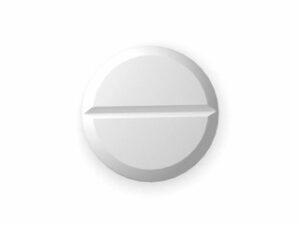
- Common dosage forms: Tablets (strengths vary)
- How it’s supplied: Available through pharmacies in Australia
- Typical duration of use: Varies by indication (days to ongoing, depending on the condition)
| Topic | What to know |
|---|---|
| Therapeutic use | Glaucoma (some types), altitude illness prevention/treatment, and other medical indications as advised |
| Key effect | Helps reduce fluid-related pressure and alters acid-base balance |
| How quickly it works | Often begins within hours; timing varies by use (e.g., altitude prevention vs eye pressure) |
| Most common side effects | Tingling in fingers/toes, frequent urination, altered taste, mild stomach upset |
How acetazolamide works (mechanism of action)
Acetazolamide belongs to a class called carbonic anhydrase inhibitors. Carbonic anhydrase is an enzyme involved in acid-base (pH) regulation and fluid movement in several tissues.
By inhibiting this enzyme, acetazolamide:
- Reduces production of certain fluids in the eye (helpful in some forms of glaucoma).
- Promotes excretion of bicarbonate and other ions by the kidneys (leading to diuresis—more frequent urination).
- Alters acid-base balance, which helps the body respond differently to low oxygen conditions at altitude.
The overall effect is a reduction in pressure related to fluid accumulation in specific settings, and in altitude-related illness it supports breathing and oxygenation processes.
Pharmacokinetics (how the body handles it)
Understanding pharmacokinetics can help explain why dosing timing matters.
- Absorption: Acetazolamide is absorbed after oral dosing.
- Distribution: It distributes throughout the body, including tissues where carbonic anhydrase is active.
- Metabolism: It is not extensively metabolised; much of the active drug remains pharmacologically relevant.
- Elimination: Primarily excreted by the kidneys.
- Half-life: The duration of action depends on kidney function; reduced kidney function can increase medicine exposure.
Because the medicine is cleared by the kidneys, kidney health is important when taking acetazolamide. People with reduced kidney function may need different dosing or extra monitoring.
Typical uses (indications)
The exact indication depends on your clinician’s assessment. In Australia, acetazolamide may be used for:
- Prevention of acute mountain sickness (altitude illness) when travelling to high altitude.
- Treatment of acute mountain sickness in certain situations as part of a broader management plan.
- Glaucoma (for some types or when rapid reduction of pressure is needed, such as in specific specialist-directed situations).
- Other medical conditions where carbonic anhydrase inhibition is beneficial, as determined by specialist care.
Altitude use is common for short-term travel, while eye-related uses may be shorter or longer depending on disease severity and response.
When to take acetazolamide (timing)
Timing depends on the reason you are using it.
For altitude illness prevention
- Start before ascent: Begin as advised before reaching higher altitude (often starting 1–2 days before ascent, depending on the regimen recommended for you).
- Continue during the risk period: Take while you are at the altitude where symptoms may develop and for the duration advised.
- Adjust for travel plans: If your itinerary changes, ask for guidance on whether timing still needs adjustment.
For eye pressure or other conditions
- Take as directed regularly: If used for glaucoma or related conditions, dosing schedules are often more structured.
- Do not stop abruptly: If it is used for ongoing eye conditions, stopping suddenly may affect control.
Tip: Set a daily reminder if you’re taking tablets more than once per day.
Dosing (general guidance)
Dosing must be individualised based on age, the specific condition being treated, kidney function, and other medicines. The information below is general to help you understand typical patterns; it is not a personal prescription recommendation.
- Altitude prevention/treatment: Doses are commonly started before ascent and continued while at altitude. Regimens vary (including daily or divided dosing) depending on guidance and risk factors.
- Glaucoma/eye-related conditions: Dosing schedules vary; some patients take it in divided doses.
- Renal impairment: People with kidney problems may require lower doses or longer intervals.
If you are unsure about your dose or schedule, check the label and confirm with your pharmacist or doctor. Using the wrong dose can increase the risk of side effects.
Food interactions (what to consider with meals)
Acetazolamide can typically be taken with or without food. However, food may influence comfort and nausea risk.
- To reduce stomach upset: Taking with food or after a meal may help if you feel nauseated.
- Hydration matters: Especially for altitude use, drink fluids as advised. Adequate hydration can help reduce kidney-related stress from diuretic effects.
There are no well-known major dietary restrictions that apply to everyone, but your overall medical situation may change recommendations (for example, if you have kidney disease or electrolyte issues).
Alcohol and medicine interactions
Alcohol is not directly “prohibited” with acetazolamide in all circumstances, but it can increase the risk of dehydration and may worsen side effects such as dizziness, fatigue, or nausea.
- Dehydration risk: Acetazolamide can increase urine output. Alcohol can also contribute to dehydration.
- Dizziness/fatigue: Both alcohol and acetazolamide can affect how you feel. Use caution when driving or operating machinery.
- Altitude scenario: At high altitude, the body is already under stress. Avoid excessive alcohol when acclimatising.
If you drink alcohol, consider keeping it moderate and ensure good fluid intake. Ask your healthcare professional for advice tailored to your health conditions and travel plans.
Medicines and important interactions
Acetazolamide may interact with other medicines, particularly those affecting electrolytes, kidney function, and acid-base balance. Always tell your pharmacist about all medicines you take, including over-the-counter products and herbal supplements.
Common interaction themes include:
- Electrolyte changes: Acetazolamide can influence bicarbonate and electrolyte balance, which may be affected by other diuretics or medicines that change potassium or sodium.
- Kidney-related effects: Because acetazolamide is cleared by the kidneys, medicines that also affect kidney function may require monitoring.
- Acid-base balance: The medicine’s effect on pH can be influenced by other treatments for metabolic conditions.
- Salicylates: In some cases, medicines such as high-dose salicylates may interact; if you take aspirin regularly, confirm with a healthcare professional.
If you can, keep an up-to-date list of your medicines and show it to your pharmacist when collecting acetazolamide.
Safety profile: side effects and when to seek help
Like all medicines, acetazolamide can cause side effects. Many are mild and temporary, but some require urgent medical attention.
Common side effects
- Tingling or numbness in fingers/toes (paresthesia)
- Increased urination (diuresis)
- Altered taste (including reduced taste for carbonated drinks or changes in taste perception)
- Feeling tired or generally unwell
- Nausea or mild stomach upset
- Headache
- Lightheadedness (especially when standing up quickly)
Less common but important risks
- Electrolyte abnormalities (such as low potassium or changes in bicarbonate levels)
- Metabolic acidosis (more likely in people with kidney impairment or other risk factors)
- Kidney stones (reported with carbonic anhydrase inhibitors; hydration can help reduce risk)
- Allergic reactions, including rash
- Blood cell changes (rare; may require monitoring in certain patients)
Seek urgent medical help if you experience
- Signs of a serious allergic reaction: swelling of face/lips, trouble breathing, severe rash, or widespread hives
- Severe weakness or confusion
- Very fast or irregular heartbeat, fainting, or severe dizziness
- Persistent vomiting or inability to keep fluids down
- Severe pain in the side/back with urinary symptoms (possible kidney stone)
If you’re travelling to altitude and develop symptoms, remember that altitude illness symptoms can overlap with medicine side effects. If symptoms worsen or you feel unsafe, seek medical care promptly.
Practical use tips (how to take acetazolamide more comfortably)
- Start when planned: For altitude prevention, starting at the right time helps. Don’t wait until you already feel unwell at altitude.
- Hydrate: Drink fluids regularly, especially during travel. Avoid dehydration.
- Expect tingling: A tingling sensation is a common early effect. It often improves as your body adapts.
- Manage stomach upset: If nausea occurs, try taking tablets with food.
- Be careful with driving: If you feel dizzy or unusually tired, avoid driving or machinery use.
- Monitor urine output: Increased urination can be inconvenient during travel. Plan restroom access accordingly.
- Know your risk factors: If you have kidney disease, diabetes with kidney involvement, or previous electrolyte problems, ask your clinician about monitoring and dose adjustment.
Who should use caution or avoid acetazolamide
Certain situations require extra caution. Please discuss acetazolamide with your healthcare professional if any of the following apply:
- Kidney impairment or reduced kidney function
- History of kidney stones
- Electrolyte imbalances (such as low potassium)
- Allergy to sulfonamide-containing medicines (acetazolamide is a sulfonamide derivative)
- Conditions associated with acid-base imbalance
- Pregnancy or breastfeeding (risk–benefit discussion is needed)
This is not an exhaustive list. Your pharmacist can help you review your medical history and current medicines for safety.
Alternative options
Alternatives depend strongly on the reason acetazolamide is being used. For altitude illness, other prevention strategies include:
- Gradual ascent: The most important prevention strategy for altitude illness.
- Rest periods: Allowing time to acclimatise can reduce risk.
- Breathing strategies: Slow, steady activity and avoiding exertion soon after arrival can help.
- Other medicines: For some patients, clinicians may consider different options depending on medical suitability.
For glaucoma or eye pressure conditions, alternative treatments may include other medications, laser procedures, or surgical interventions, depending on the type and severity of glaucoma.
If you’re asking about alternatives, it’s best to tell your pharmacist your indication (altitude travel vs eye pressure vs other) so they can outline options appropriately.
Australia: market/legal context and responsible use
In Australia, medicine availability and prescribing rules are governed by the Therapeutic Goods Administration (TGA) and the Australian regulatory framework for medicines. Medicines are classified according to how they should be supplied (for example, whether they require additional safeguards).
For patient safety, acetazolamide may be supplied with conditions such as identification checks and counselling to ensure:
- Correct dose and indication
- Screening for contraindications and interactions
- Appropriate advice on monitoring and side effects
- Safe use in people with kidney disease or electrolyte risks
Pharmacy staff in Australia are trained to provide counselling on safe use, including what to do if side effects occur, and when to seek urgent help.
Recent guidance and practical updates to watch for
Guidance on medicines for altitude illness and eye conditions evolves as new evidence and safety information becomes available. In particular, recommendations often emphasise:
- Early recognition of altitude illness: Seek care and avoid continuing ascent if symptoms are severe or worsening.
- Hydration and electrolyte awareness: Since acetazolamide can affect fluid and electrolyte balance, hydration and risk assessment are frequently highlighted.
- Kidney-function screening: Dosing may need adjustment for people with reduced renal function.
For the most current, country-specific advice, check with Australian health services or your pharmacist, especially if you are travelling soon or have a complex medical history.
Delivery and availability (online pharmacy information)
Acetazolamide availability can vary by strength and pack size. Many online pharmacies in Australia may offer:
- Home delivery: Delivery time depends on stock availability and your location.
- Stock checks: Some sites confirm availability before dispatch.
- Pharmacist counselling: If required, you may be contacted to confirm suitability and provide safety information.
When ordering online, ensure you enter your details correctly and review delivery estimates provided at checkout.
Tip: If you are using acetazolamide for altitude travel, order early enough to avoid delays before you depart.
FAQ — Frequently asked questions
1) What is acetazolamide used for in Australia?
Acetazolamide is used for conditions such as prevention/treatment of acute mountain sickness and some glaucoma/eye pressure conditions, as well as other approved clinical indications depending on the situation.
2) How does acetazolamide help with altitude illness?
It supports the body’s response to low oxygen by changing acid-base balance and affecting how the body handles ventilation. This can help reduce the risk of altitude-related symptoms when taken before and during ascent, as advised.
3) When should I start taking it for altitude?
Typically, it is started before ascending to higher altitude (often 1–2 days beforehand, depending on your regimen). Continue while you remain at the altitude risk period and follow the plan given to you.
4) Can I take acetazolamide with food?
Yes. It can usually be taken with or without food. If you get nausea, taking it with a meal may make it more comfortable.
5) What are common side effects?
Common side effects include tingling in the fingers/toes, increased urination, altered taste, and feeling tired. These are often manageable.
6) Are there serious side effects I should watch for?
Seek urgent medical help for signs of a serious allergic reaction, severe weakness or confusion, persistent vomiting, severe dizziness/fainting, or severe side/back pain with urinary symptoms.
7) Does acetazolamide affect electrolytes?
Yes. It can change acid-base and electrolyte balance. People with kidney issues or other risk factors may need monitoring or dose adjustment.
8) Can I drink alcohol while taking acetazolamide?
Alcohol is not automatically forbidden, but it can increase dehydration and worsen dizziness or fatigue. Keep intake moderate and ensure good fluid intake—especially during altitude travel.
9) What if I miss a dose?
If you miss a dose, take it when you remember unless it is close to the next dose. Do not double up. If you are unsure, check with your pharmacist.
10) Who should be extra cautious before using acetazolamide?
People with kidney disease, a history of kidney stones, known allergies to sulfonamide medicines, or conditions involving acid-base balance should discuss safety and monitoring with a healthcare professional.
11) What should I do if I’m travelling to high altitude and develop symptoms?
If you feel unwell, rest, avoid further exertion, and do not continue ascending if symptoms worsen. Seek medical help promptly if symptoms are severe, persistent, or concerning—especially if you cannot keep fluids down or your condition deteriorates.
Remember: This information is for general education. Your healthcare professional can provide guidance tailored to your medical history, kidney function, and the reason you’re taking acetazolamide.