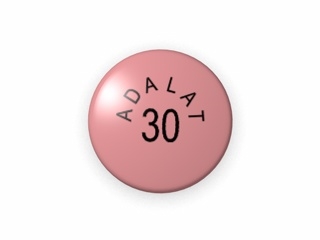

Adalat (Nifedipine) – Patient-Friendly Guide (Australia)
Adalat is a brand of the medicine nifedipine, used to treat certain cardiovascular conditions. This page explains what Adalat is, how it works, how to take it safely, and what to expect in day-to-day use. It is written for general health information and is not a substitute for advice from your doctor or pharmacist.
1) Basic Product Information
| Item | Details |
|---|---|
| Medicine name | Adalat (nifedipine) |
| Medicine type | Calcium channel blocker (dihydropyridine) |
| Common uses | High blood pressure; angina (chest pain) and certain related conditions |
| How it’s taken | Oral tablets/capsules depending on the formulation (e.g., immediate-release or modified-release) |
| Key effects | Helps relax blood vessels to reduce blood pressure and improve blood flow |
Important: Adalat can come in different formulations (for example, immediate-release vs modified-release). The timing, dosing frequency, and how you take the tablet may differ depending on the product strength and release type. Always follow the instructions on your specific pack or the advice you were given.
2) How Adalat (Nifedipine) Works (Mechanism of Action)
Nifedipine belongs to the group of medicines called calcium channel blockers, specifically the dihydropyridines. It works primarily by blocking certain calcium channels in the smooth muscle of blood vessel walls.
- Vasodilation: By reducing calcium entry into blood vessel muscle cells, nifedipine helps the vessels relax and widen.
- Lower blood pressure: Wider blood vessels reduce resistance to blood flow, which can lower blood pressure.
- Angina relief: Improved blood flow to the heart can reduce chest pain triggered by reduced oxygen supply to the heart muscle.
Because nifedipine acts on blood vessels, it tends to have a more prominent effect on vascular tone than on heart rate. However, some people may still experience increased heart rate (especially with faster-acting formulations).
3) Pharmacokinetics (How the Body Handles It)
Pharmacokinetics describes what the body does to a medicine: absorption, distribution, metabolism, and elimination.
- Absorption: Nifedipine is absorbed through the gastrointestinal tract. The speed and extent of absorption can vary with the formulation (immediate-release vs modified-release).
- Peak levels: Concentrations in the bloodstream typically rise to a peak after taking the dose, with timing depending on formulation.
- Metabolism: Nifedipine is extensively metabolised by the liver (largely via CYP3A4).
- Elimination: Metabolites are removed mainly via the kidneys and bile. The overall elimination is influenced by liver function and other interacting medicines.
- Variation between people: Age, liver function, and co-medications can affect blood levels and response.
Why this matters: Medicines that affect CYP3A4 (for example, certain antibiotics, antifungals, or some antivirals) can raise or lower nifedipine levels, influencing side effects and effectiveness.
4) Typical Use and Indications
In Australia, nifedipine products are commonly used for cardiovascular conditions such as:
- Hypertension (high blood pressure): To help reduce blood pressure and lower cardiovascular risk.
- Angina pectoris: Including chronic stable angina and sometimes other forms depending on the clinical situation and formulation.
- Other vasospastic conditions: In some cases, nifedipine may be used when blood vessels temporarily tighten (vasospasm), as determined by a clinician.
Different formulations may be preferred for different goals (e.g., longer symptom control vs faster onset). Your clinician may choose a formulation based on your symptoms, blood pressure pattern, and tolerance.
5) Timing: When and How to Take Adalat
Follow your specific product instructions. The right schedule depends on whether your nifedipine is immediate-release or modified-release.
General timing principles
- Consistency helps: Take doses at similar times each day.
- Modified-release tablets: Do not crush, chew, or split unless the product instructions specifically allow it. Crushing can change how the medicine releases and may lead to too much nifedipine at once.
- Immediate-release tablets: These may be taken more frequently; dosing intervals are typically closer together.
If you miss a dose
- Take it when you remember
- If it’s nearly time for the next dose, skip the missed dose.
- Do not double up
If you’re unsure, ask your pharmacist for advice tailored to your formulation and dosing schedule.
6) Food Interactions and What to Eat
Food can affect nifedipine absorption, depending on the formulation.
- General guidance: Many patients can take nifedipine with or without food, but some formulations may have better consistency when taken at the same time each day.
- Sticking to your routine: If your prescriber or pharmacist advised a specific approach (with meals, or on an empty stomach), follow that guidance.
Practical tip: Keep a stable routine. If you notice that taking it with a meal changes how you feel (e.g., dizziness), mention this to your pharmacist.
7) Alcohol and Medicine Interactions
Alcohol
- Possible increased dizziness/light-headedness: Alcohol may further lower blood pressure and increase the risk of feeling faint, especially when you first start nifedipine or after dose changes.
- Recommendation: Keep alcohol modest and monitor how you respond.
Common medicine interactions
Because nifedipine is metabolised by CYP3A4, medicines that inhibit or induce CYP3A4 can change nifedipine levels.
- CYP3A4 inhibitors (may increase nifedipine levels): Some antifungal medicines, some antibiotics (for example, macrolides), and some antivirals can raise nifedipine concentration and side effects such as flushing, headache, low blood pressure, or swelling.
- CYP3A4 inducers (may reduce nifedipine levels): Certain medicines used for seizures or other long-term conditions may lower effectiveness.
- Other blood pressure medicines: Combining nifedipine with other antihypertensives may increase blood pressure-lowering effects. This is sometimes intended, but may require careful monitoring.
- Medicines that affect the heart rhythm or blood pressure: Some combinations can increase the risk of hypotension or other cardiovascular effects.
- Grapefruit and Seville oranges (not a “medicine,” but a food interaction): These can inhibit CYP3A4 and raise nifedipine levels, increasing side effects. Avoid or limit them as advised.
Herbal and complementary products
- Some herbal products may affect drug metabolism. For safety, mention any supplements to your pharmacist before starting or changing therapy.
Always provide your pharmacist a list of all medicines, vitamins, and supplements you use so they can check interactions.
8) Dosing: How Much Is Usually Used?
Dosing for nifedipine is individual and depends on the condition being treated, your response, and the formulation you’re using. For patient safety, this guide provides general ranges and considerations but cannot replace personalised dosing advice.
Key dosing considerations
- Condition: Blood pressure vs angina may use different schedules and targets.
- Formulation: Immediate-release vs modified-release changes how often it’s taken.
- Age and kidney/liver function: Liver impairment can affect metabolism; dose adjustments may be needed.
- Concomitant medicines: Interactions can change nifedipine levels.
- Start low and monitor: Many clinicians begin at a low dose, especially if you are prone to dizziness.
What you should expect in practice
It is common for doses to be adjusted gradually based on blood pressure readings, symptom control, and tolerability (for example, swelling in the ankles or headaches). If side effects occur, your clinician may adjust the dose or switch to a different formulation.
Never change your dose or stop nifedipine suddenly unless your clinician advises you. If you feel unwell or experience concerning symptoms, seek medical help promptly.
9) Safety Profile: Common, Serious, and When to Seek Help
Like all medicines, nifedipine can cause side effects. Many are mild and improve with time; others require urgent attention.
Common side effects
- Headache
- Flushing or warmth
- Dizziness, especially at the start or after a dose increase
- Swelling of the ankles/feet (peripheral oedema)
- Palpitations or awareness of heartbeat
- Fatigue
- Nausea or mild stomach discomfort
Less common but important effects
- Low blood pressure (hypotension): May cause light-headedness or fainting.
- Worsening angina: In some people, especially early in treatment or after dose changes.
Seek urgent medical help if you have
- Severe chest pain or chest pain that is new, intense, or different from usual
- Fainting, severe dizziness, or signs of shock
- Swelling of face, lips, tongue, or throat, trouble breathing, or widespread rash (possible allergic reaction)
- Very fast or irregular heartbeat with dizziness, weakness, or shortness of breath
If you develop any worrying symptoms, contact a healthcare professional immediately.
10) Practical Use Tips for Safer, More Comfortable Treatment
- Monitor your blood pressure: If you have a home monitor, check at consistent times (for example, morning and evening). Track results to discuss with your clinician.
- Be careful when standing up: Dizziness can occur when starting therapy. Stand up slowly, especially in the first few days.
- Address ankle swelling early: Peripheral oedema is a known issue with nifedipine. Tell your pharmacist or clinician—sometimes they can adjust the dose or strategy.
- Keep an eye on heart rate symptoms: Palpitations can happen. If you also have chest pain, breathlessness, or fainting, seek urgent care.
- Don’t stop abruptly: Stopping suddenly may cause loss of symptom control. If you need to stop, discuss the plan first.
- Take with the same routine each day: Helps reduce swings in blood levels.
- Use medication lists: Keep a list of all medicines and supplements to prevent harmful interactions.
11) Alternative Options (Other Treatments for Similar Conditions)
If nifedipine isn’t suitable, there are other medication classes and brand options that may be considered, depending on your diagnosis and medical history.
For high blood pressure
- ACE inhibitors
- Angiotensin receptor blockers (ARBs)
- Thiazide-like diuretics
- Other calcium channel blockers (for example, non-dihydropyridine types may be used in selected situations)
- Beta-blockers (especially if there are co-existing heart conditions)
For angina
- Other calcium channel blockers
- Beta-blockers
- Nitrates (for symptom relief and sometimes prevention)
- Ranolazine (in selected chronic angina cases)
Your clinician can help determine the best option based on your blood pressure, heart symptoms, and tolerance.
12) Adalat (Nifedipine) in Australia: Market and Legal/Regulatory Context
In Australia, medicines are regulated through the Therapeutic Goods Administration (TGA). Availability, indications, and product labelling are guided by regulatory requirements. Medicines may be supplied through authorised channels consistent with Australian health practice.
Patient access may also depend on the formulation and the way the product is classified on the Australian Register of Therapeutic Goods (ARTG), as well as the pharmacy supply rules in place at the time of purchase.
Product availability may vary by strength, release type, and stock status.
13) Recent Guidance and Clinical Considerations (General)
Clinical recommendations for blood pressure and angina management can evolve as new evidence emerges. In Australia, guidance is typically aligned with national and international best practice and may be updated over time by relevant medical groups.
For nifedipine specifically, ongoing clinical focus often includes:
- Choosing the right formulation for the intended symptom pattern (short-acting relief vs longer control)
- Managing side effects such as peripheral oedema and headache
- Reviewing interactions with medicines affecting CYP3A4 metabolism
- Monitoring blood pressure and heart symptoms, especially early in treatment or after dose changes
If you have concerns about your current regimen, it’s reasonable to discuss them with your pharmacist at any time.
14) Delivery and Availability (Online Pharmacy Australia)
Adalat (nifedipine) availability may depend on the specific strength and formulation in stock. Online pharmacies commonly offer:
- Stock checks before dispatch
- Standard and express delivery options where available
- Careful packaging to protect tablets from damage and moisture
- Tracking information for many deliveries
Delivery timeframes vary by location and courier service. At checkout, you can usually see estimated dispatch and delivery windows.
15) Frequently Asked Questions (FAQ)
What is Adalat used for?
Adalat (nifedipine) is used mainly for conditions such as high blood pressure and angina (chest pain). The exact use depends on your medical condition and the nifedipine formulation.
How quickly does nifedipine work?
It depends on the formulation. Some nifedipine products are designed to act more quickly, while modified-release products provide a steadier effect over time. If you’re unsure, check your pack or ask your pharmacist.
Can I take Adalat with food?
In many cases, nifedipine can be taken with or without food. However, the best approach may depend on your specific formulation. For consistency, it helps to take it the same way each day.
Is grapefruit safe with Adalat?
Grapefruit and certain citrus products (like Seville oranges) can increase nifedipine levels by affecting drug metabolism. It’s generally advised to avoid grapefruit unless your pharmacist confirms it is safe for you.
What side effects are most common?
Common side effects include headache, flushing, dizziness, and ankle/foot swelling. If swelling or dizziness is troublesome, speak to your pharmacist or clinician.
Why do I have swollen ankles on nifedipine?
Nifedipine can cause peripheral oedema (fluid build-up) in some people. It may relate to how the blood vessels relax. Your clinician may adjust the dose or consider an alternative strategy.
Can I drink alcohol while taking Adalat?
Alcohol may increase the risk of light-headedness or low blood pressure. If you drink, do so in moderation and monitor how you feel. If you feel faint or dizzy, avoid alcohol and seek advice.
What medicines should I avoid mixing with nifedipine?
Because nifedipine is metabolised by CYP3A4, some medicines can significantly affect its levels. Tell your pharmacist about all prescription medicines, over-the-counter products, and supplements so they can check for interactions.
What should I do if I miss a dose?
If you remember soon after, take it. If it is close to the next dose, skip the missed dose. Do not double up.
When should I seek urgent help?
Seek urgent medical attention if you experience severe chest pain, fainting, signs of an allergic reaction (such as swelling of face/lips/tongue or trouble breathing), or very fast/irregular heartbeat with severe symptoms.
Can I stop Adalat suddenly?
Do not stop suddenly without medical advice. Stopping nifedipine can lead to loss of blood pressure or angina control. If you need to stop or change therapy, discuss this with your clinician.
16) Summary
Adalat (nifedipine) is a calcium channel blocker used to treat conditions such as high blood pressure and angina. It relaxes blood vessels to improve blood flow and reduce workload on the heart. For best results and safety, follow the timing instructions for your exact formulation, be mindful of alcohol and food interactions (especially grapefruit), and report any troublesome side effects—particularly ankle swelling, dizziness, or changes in chest pain.
If you have questions about suitability, side effects, or interactions, your pharmacist can help you make sure your medicine plan is right for you.