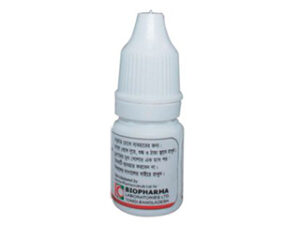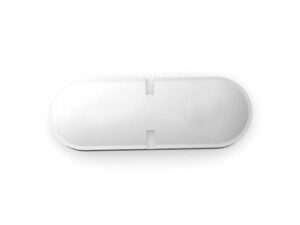


Advent DT (Amoxicillin/Clavulanic Acid) — Patient Information
Advent DT is a brand of amoxicillin with clavulanic acid, an antibiotic medicine used to treat certain bacterial infections. This information page is designed to be patient-friendly and to help you understand how the medicine works, when it’s used, and what to expect. Always follow the instructions provided by your healthcare professional and read the consumer medicine information (CMI) supplied with your product.
Product basics
| Category | Details |
|---|---|
| Medicine name | Advent DT (Amoxicillin/Clavulanic Acid) |
| Medicinal ingredients | Amoxicillin + Clavulanic acid |
| Drug class | Penicillin-class antibiotic (β-lactam) combined with a β-lactamase inhibitor |
| Common forms | Oral tablets (DT may indicate a dispersible/DT formulation depending on product listing) |
| Typical use | Broadening coverage for bacteria that may resist amoxicillin alone |
| Brand availability (Australia) | Availability can vary by strength and dispensing practice; check the specific product listing |
How Advent DT works (mechanism of action)
Amoxicillin is an antibiotic that belongs to the penicillin family. It works by interfering with the way bacteria build and maintain their cell walls, which weakens and kills susceptible bacteria.
Some bacteria produce enzymes called β-lactamases that can break down amoxicillin, making it less effective. Clavulanic acid is included to inhibit these enzymes, allowing amoxicillin to work more reliably against β-lactamase–producing bacteria.
Pharmacokinetics (what the body does to the medicine)
While individual responses vary, the general behaviour of amoxicillin/clavulanic acid in the body includes:
- Absorption: Absorbs from the gastrointestinal tract; taking with food can improve tolerability for many people.
- Distribution: Both components distribute into body fluids and tissues, including areas affected by common bacterial infections.
- Metabolism: Some metabolism occurs (for example, clavulanic acid is metabolised to a degree).
- Elimination: Primarily excreted via the kidneys. Kidney function influences how quickly medicine leaves the body.
If you have kidney impairment, your prescriber may adjust the dose or dosing interval. Tell your healthcare professional about any kidney problems.
Typical uses and indications
Advent DT is used for infections caused by bacteria that are susceptible to amoxicillin/clavulanic acid. The exact indication depends on local guidelines, culture results (if available), and your clinical presentation.
Common indications may include
- Respiratory tract infections (e.g., certain cases of acute sinusitis, bronchitis, or community-acquired infections as judged by a clinician)
- Ear, nose and throat infections (e.g., otitis media, tonsillitis in selected bacterial cases)
- Skin and soft tissue infections (e.g., cellulitis caused by susceptible bacteria)
- Dental infections (e.g., some odontogenic infections with bacterial involvement)
- Urinary tract infections (selected cases where appropriate)
- Other infections where an amoxicillin/clavulanic acid–based approach is suitable (based on local treatment recommendations and likely pathogens)
Antibiotics are not effective against viral infections such as the common cold or most cases of influenza. If your symptoms are viral, antibiotic use won’t help and may increase the risk of side effects or antibiotic resistance.
Timing: how to take Advent DT
The right timing depends on the prescribed dosing schedule and the strength of your product. In general, follow the exact instructions you were given.
- Try to take doses at evenly spaced times (e.g., morning/evening) to maintain effective antibiotic levels.
- If you miss a dose, take it when you remember
- Complete the course even if you feel better (unless your doctor tells you to stop). Stopping early can increase the chance of relapse.
With food (food interactions)
Advent DT is often better tolerated when taken with food (or soon after you start a meal), especially for people prone to nausea or stomach upset. Food can also help reduce gastrointestinal side effects.
If you experience significant nausea, taking each dose with a meal may help. If symptoms are severe or persist, consult your healthcare professional.
Alcohol and medicine interactions
In many cases, moderate alcohol use does not directly “cancel out” the antibiotic’s effect. However, alcohol can worsen side effects such as nausea, diarrhoea, dizziness, and can reduce sleep quality—factors that may interfere with recovery.
- General advice: It’s safest to limit or avoid alcohol while you’re taking an antibiotic and recovering.
- High-risk situations: Avoid alcohol and seek advice if you have liver problems, a history of antibiotic-associated jaundice, or you’re feeling unwell with significant vomiting/poor intake.
- Rare liver reactions: Amoxicillin/clavulanic acid can, in uncommon cases, be associated with liver irritation. Alcohol may add stress to the liver, so avoid alcohol during treatment unless your clinician advises otherwise.
Medicine interactions to know
Tell your pharmacist or doctor about all medicines and supplements you take, including over-the-counter products. The following interactions are commonly discussed with amoxicillin/clavulanic acid:
Important interactions
- Warfarin (and other anticoagulants): Some people may have changes in INR when starting or stopping antibiotics. Your clinician may check INR more often.
- Allopurinol: Taking allopurinol together with amoxicillin may increase the chance of certain rash reactions.
- Oral contraceptives: While most antibiotics don’t clearly reduce contraceptive effectiveness, some guidance advises using backup contraception if you experience vomiting/diarrhoea. If you’re concerned, ask your pharmacist for advice.
- Other antibiotics/bacteriostatic agents: Combining antibiotics can sometimes affect effectiveness depending on the situation. Your healthcare professional will advise on whether combinations are needed.
Blood sugar monitoring
If you have diabetes and use medicines such as insulin or tablets, monitor your glucose closely as advised. Illness itself can affect blood glucose levels.
Dosing: how much and how often?
Doses depend on the infection type, severity, age, and kidney function, and on the specific strength of Advent DT. Use only the dose and schedule given to you.
Common adult approaches may include:
- Regular dosing intervals (often two or three times daily depending on product strength and indication)
- Course duration varies by condition (from several days for milder infections to longer courses for more complex cases)
Children and people with kidney impairment require dosing adjustments based on body weight/renal function. If you are using Advent DT for a child, ensure dosing instructions are clear and double-check the strength.
Tip: If you’re unsure about the strength on your pack or how often to take it, ask your pharmacist before using it.
Practical use tips (how to take Advent DT)
- Make it easy to remember: link doses to daily routines (e.g., after breakfast and dinner) and consider setting reminders.
- Take with food: this often improves tolerance, particularly if you’re prone to nausea.
- Hydration: drink plenty of water unless you’ve been advised to restrict fluids.
- Complete the course: even if symptoms improve quickly.
- Track side effects: note diarrhoea severity, rash, or allergic symptoms so you can describe them clearly if you contact a clinician.
If Advent DT is a dispersible/DT formulation
Some “DT” formulations are designed to dissolve/disperse in the mouth or before swallowing, depending on the product. Check your pack instructions for the correct method (e.g., dissolving in water, or taking as a tablet intended to disperse). If instructions are unclear, ask your pharmacist.
Safety profile: side effects and when to seek help
Common side effects
- Nausea
- Diarrhoea (mild diarrhoea can occur)
- Indigestion or stomach discomfort
- Headache
- Rash (mild skin reactions can occur)
Serious side effects (seek urgent medical advice)
- Signs of an allergic reaction: swelling of face/lips, difficulty breathing, wheezing, severe hives, or collapse—seek emergency help immediately.
- Severe or persistent diarrhoea: especially watery diarrhoea, diarrhoea with fever, or blood/mucus in stool. This can be a sign of antibiotic-associated colitis and needs prompt assessment.
- Liver-related symptoms: yellowing of skin/eyes (jaundice), dark urine, severe fatigue, or right-upper abdominal pain. Contact a clinician promptly if these occur.
- Severe skin reactions: blistering, peeling skin, or extensive rash with fever.
Who should be extra cautious?
- People with a history of penicillin allergy or previous severe allergic reactions to beta-lactam antibiotics
- People with previous antibiotic-associated diarrhoea/colitis
- People with known liver disease or previous clavulanate-associated liver reactions
- People taking anticoagulants such as warfarin—monitoring may be required
- People with kidney impairment (dose may need adjustment)
Advice about driving and operating machinery
Most people can drive and use machines normally while taking amoxicillin/clavulanic acid. However, if you feel dizzy or unwell, avoid driving and seek advice.
Antibiotic stewardship: finishing the course and reducing resistance
Using antibiotics only when needed, and taking them exactly as directed, helps reduce antibiotic resistance and improves outcomes. If your symptoms do not start improving within the timeframe advised by your clinician, contact them.
When to contact a clinician promptly
- Your symptoms are not improving after 48–72 hours (or as advised)
- You develop new fever, worsening pain, or spreading redness
- Side effects are affecting your ability to take the medicine (e.g., severe nausea or diarrhoea)
- Signs of allergy appear
Alternative options (what else may be considered)
Alternatives depend on the infection type, suspected bacteria, allergies, local resistance patterns, and individual risk factors. A clinician may consider:
- Amoxicillin alone (if β-lactamase resistance is unlikely)
- Different antibiotic classes (e.g., macrolides or cephalosporins in selected circumstances)
- Topical or procedural treatments for some localised infections (e.g., dental management plus supportive care)
- Supportive care where antibiotics are not indicated (pain relief, hydration, watchful waiting)
If you’ve had an allergic reaction to amoxicillin/clavulanic acid, make sure your healthcare professional knows the details. This affects safe selection of alternatives.
Market and legal context for Australia
In Australia, antibiotic medicines are regulated and supplied in accordance with the Therapeutic Goods Administration (TGA) and the Australian healthcare system’s medicines scheduling arrangements. Supply may involve pharmacist assessment and guidance to ensure appropriate use and safety.
Antibiotic prescribing and access are part of broader efforts to promote appropriate antibiotic use. You can also use reliable public resources such as the Australian Commission on Safety and Quality in Health Care guidance and local antimicrobial stewardship programs.
Recent guidance and practical expectations
Antibiotic recommendations in Australia commonly emphasise:
- Targeting the most likely cause (bacterial vs viral)
- Using the narrowest effective antibiotic and shortest effective duration
- Reviewing progress after a short period if symptoms are not improving
- Preventing harm by considering allergy history, kidney/liver health, and drug interactions
- Improving outcomes with supportive care (pain relief, hydration) alongside antibiotics where appropriate
Your clinician may follow local hospital or general practice treatment pathways, which update as new evidence emerges. If you’re uncertain, ask your pharmacist or doctor about the reason this antibiotic was chosen for your specific situation.
Delivery and availability (online pharmacy)
Availability can vary by strength and formulation. When ordering online, ensure you select the correct:
- Product strength (e.g., amoxicillin/clavulanic acid ratio)
- Pack size
- Dosing instructions consistent with your treatment plan
Delivery timeframes depend on your location and the pharmacy’s dispatch schedules. If you need the medicine by a specific date (e.g., for an upcoming trip), contact customer support to confirm stock status and estimated delivery.
Store Advent DT according to the instructions on the pack (commonly at or below room temperature, protected from moisture and heat). Keep it out of reach of children.
FAQ
1) What is Advent DT used for?
Advent DT is used for bacterial infections where amoxicillin/clavulanic acid is appropriate. The exact indication depends on the suspected infection source and whether the bacteria are likely susceptible.
2) How quickly should I feel better?
Many people start noticing improvement within 48–72 hours, but this varies by infection type and severity. If you are not improving (or you worsen), contact your clinician promptly.
3) Can I stop taking it once I feel better?
Generally, you should complete the full course unless your healthcare professional advises you to stop. Stopping early can allow bacteria to persist and lead to relapse.
4) What if I miss a dose?
Take the missed dose as soon as you remember, unless it’s close to your next dose. Do not take double the dose to make up for it.
5) Should I take Advent DT with food?
It’s often recommended to take it with food to improve tolerability and reduce stomach upset. Follow your pack instructions or clinician advice.
6) Is it okay to drink alcohol while taking Advent DT?
It’s safest to limit or avoid alcohol during treatment because it may worsen side effects and affect recovery. If you choose to drink, do so cautiously and avoid if you have liver issues or feel unwell.
7) Can Advent DT cause diarrhoea?
Yes, diarrhoea is a common side effect with many antibiotics. Mild diarrhoea may settle. However, seek urgent advice if diarrhoea is severe, persistent, watery with fever, or contains blood/mucus.
8) Who should not take this medicine?
People with known hypersensitivity to penicillins or a history of serious reactions to amoxicillin/clavulanic acid should avoid it and seek medical advice. People with liver problems, kidney impairment, or those taking warfarin need special consideration.
9) Are there interactions with other medicines?
Yes. Notably, interactions can occur with anticoagulants like warfarin, and caution is advised with some other medicines. Always tell your pharmacist or doctor about all medicines and supplements you use.
10) What should I do if I get a rash?
A mild rash may occur, but any rash should be taken seriously. Seek urgent help if you have signs of allergy such as swelling, breathing difficulty, widespread hives, or blistering/peeling skin.
Summary
Advent DT (amoxicillin/clavulanic acid) is a combined antibiotic used to treat certain bacterial infections by targeting bacterial cell wall formation and inhibiting β-lactamase enzymes that can otherwise reduce effectiveness. Take it as directed, often with food, complete the course, and monitor for side effects—especially allergy symptoms and severe diarrhoea.
If you have questions about suitability, dosing, or side effects, speak with your pharmacist or doctor.