Amiodarone (Amiodarone Hydrochloride) — Patient Information (Australia)
Amiodarone is a medicine used to help control certain abnormal heart rhythms (arrhythmias). It is a well-established treatment, often used when other options are not suitable, because it can be effective for both fast (tachyarrhythmias) and, in some cases, rhythm control goals.
This guide explains how amiodarone works, how it behaves in the body, what it is used for, typical timing, important food, alcohol, and medicine interactions, safety considerations, and what to expect while taking it. It is written to be patient-friendly and Australia-focused.
Basic product information
| Information | What it means for you |
|---|---|
| Generic name | Amiodarone (commonly as amiodarone hydrochloride) |
| How it is taken | Oral tablets (also exists as intravenous forms in hospital settings) |
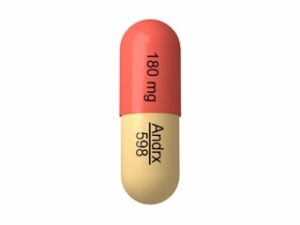
| Common forms | Tablets; strength varies by brand and local formulation |
| Therapeutic class | Antiarrhythmic medicine (Class III; also has other electrophysiologic effects) |
| Key feature | Long-lasting effect in the body (very long half-life) |
Note: Brand names and available strengths can vary. Your pharmacist can confirm the exact product details.
How amiodarone works (mechanism of action)
Amiodarone primarily helps stabilise the heart’s electrical activity. It works by affecting ion channels and electrical conduction within heart tissue, which helps:
- Prolong the heart’s electrical recovery time (especially the QT interval), reducing the tendency for certain re-entrant arrhythmias.
- Slow electrical conduction in parts of the heart, helping prevent abnormal rapid rhythms.
- Reduce abnormal automaticity and abnormal trigger activity in some arrhythmias.
Because it has multiple electrophysiologic actions, amiodarone can be useful for several rhythm problems, including difficult or recurrent cases.
Pharmacokinetics: how it is absorbed and processed
Understanding pharmacokinetics can help explain why timing, missed doses, and side-effect monitoring matter.
Absorption
Amiodarone is absorbed from the gastrointestinal tract. How much gets absorbed can vary, and taking it consistently (as instructed) helps maintain steady effects.
Distribution
After absorption, amiodarone distributes widely into tissues. It tends to accumulate in body fat and other organs, which contributes to its long duration of action.
Metabolism
The medicine is mainly metabolised in the liver.
Elimination and half-life
Amiodarone has a very long half-life. Even after stopping, it can remain in the body for weeks to months. This means:
- Effects may build gradually (especially in rhythm control strategies).
- Side effects may occur later or persist after changes to dosing.
- Dose adjustments should be coordinated with a healthcare professional.
What it’s used for (typical use & indications)
Amiodarone is used to treat certain clinically significant arrhythmias. Common indications include:
- Ventricular arrhythmias (for example, certain sustained ventricular tachycardias), particularly when other treatments are unsuitable.
- Some cases of atrial fibrillation where rhythm control is a priority or other approaches are not appropriate.
- Recurrent or symptomatic arrhythmias that require a more potent antiarrhythmic strategy.
Exact appropriateness depends on your ECG findings, heart function, overall health, and other medicines. Your clinician may also consider benefits versus risks, given amiodarone’s safety monitoring requirements.
Timing: when to take it and what to expect
Amiodarone is typically taken once or twice daily depending on the regimen. Because it has a long duration in the body, dosing plans often include an initial period followed by a maintenance phase.
- Follow the dosing schedule carefully (e.g., morning/evening or once daily).
- Consistency helps: take it at the same times each day.
- Allow time: improvement in rhythm control may not be immediate.
- Do not “double up” if you miss a dose—check with your pharmacist for advice for your specific situation.
If you have planned changes (e.g., starting other medicines like anticoagulants or heart-rate drugs), timing and monitoring may be adjusted.
Food interactions
Amiodarone can be taken with or without food in many cases. However, food may affect absorption for some people and products.
- Take it the way you were instructed by your prescriber and pharmacist.
- If the label or instructions specify taking it with food, follow that guidance to improve tolerability.
- Avoid sudden major changes to eating patterns if you notice side effects such as nausea or dizziness.
There are no typical “forbidden foods” universally required for amiodarone, but individual interaction risks come from other medicines and supplements (see below).
Alcohol and amiodarone interactions
Alcohol does not have a single universal interaction with amiodarone that applies to every patient, but caution is recommended because alcohol can:
- Increase dizziness or light-headedness.
- Worsen dehydration, which may affect blood pressure and overall tolerance.
- Potentially trigger or worsen arrhythmias in some people.
If you choose to drink alcohol, keep it moderate and discuss what amount is safe for you, especially if you have heart failure, liver disease, or are on multiple medications.
Medicine interactions (very important)
Amiodarone interacts with several medicines, mainly because it affects liver enzymes and can increase levels of certain drugs. It can also affect heart rhythm measurements (like the QT interval), which can increase risk when combined with other QT-prolonging medicines.
Tell your pharmacist about all medicines you use, including:
- Prescription medicines
- Over-the-counter products (including cold/flu tablets)
- Herbal supplements (e.g., St John’s wort)
- Vitamins and minerals
Common interaction categories to be aware of
- Medicines that also affect heart rhythm (QT prolongation): combining with certain antiarrhythmics, some antibiotics, and some antipsychotics may increase risk.
- Liver enzyme inhibitors/inducers: these may raise or lower amiodarone levels.
- Blood thinners: amiodarone can increase the effect of some anticoagulants in certain cases, requiring close INR/bleeding monitoring.
- Heart-rate slowing medicines: combining with beta-blockers or certain calcium-channel blockers may increase risk of slow heart rate (bradycardia) or block in some patients.
- Digoxin: amiodarone can increase digoxin levels in some patients, increasing toxicity risk.
- Statins (some types): interaction potential exists; dose adjustments or monitoring may be needed.
Your pharmacist can check your individual medicine list for interactions and advise on safe combinations.
Dosing: typical regimens and practical guidance
Dosing is individualised based on the arrhythmia being treated, your ECG response, tolerability, age, kidney/liver function, and other medicines.
Typical approach:
- Loading (initial) phase: higher doses may be used initially to reach therapeutic tissue levels.
- Maintenance phase: once stabilised, the dose is often reduced to the lowest effective dose.
Because amiodarone’s effects linger, clinicians often use lowest effective maintenance dosing and aim to minimise exposure long term.
How to take it
- Take your dose with water.
- Try to take it at consistent times daily.
- If you experience stomach upset, ask a pharmacist whether taking with food or adjusting timing is appropriate for your specific product.
If you miss a dose
If you miss a dose, do not take an extra dose to “catch up” unless your pharmacist tells you to. Because amiodarone remains in the body for a long time, guidance can differ from other medicines.
If you are unsure, contact your pharmacist or follow the advice on your medicine label.
Safety profile: what to watch for
Amiodarone can be very effective, but it has a broad safety profile. Some effects are dose- and duration-related and require regular monitoring.
Seek urgent medical help if you have
- Fainting, severe dizziness, or sudden weakness
- Severe shortness of breath, chest pain, or coughing up blood
- Severe allergic symptoms (swelling of face/lips, difficulty breathing, widespread rash)
- Signs of severe abnormal heart rhythm (rapid heartbeat with feeling unwell)
Common or important side effects (discuss with a clinician)
- Slow heart rate (bradycardia), fatigue, or light-headedness
- Fatigue or reduced exercise tolerance
- GI upset such as nausea or constipation (varies by person)
- Skin effects, including increased sensitivity to sunlight (photosensitivity)
- Changes in thyroid function (hypothyroidism or hyperthyroidism)
- Liver enzyme changes (may be detected on blood tests)
- Eye symptoms (e.g., visual changes) in some patients
Serious risks requiring monitoring
The following are less common but important:
- Pulmonary (lung) toxicity: symptoms may include dry cough, shortness of breath, fever, and worsening breathlessness.
- Severe liver problems: may show as yellowing of skin/eyes (jaundice), dark urine, or marked fatigue.
- Neurological effects: tremor or unsteadiness may occur.
- Eye deposits or vision-related symptoms
Practical use tips (to stay safer)
- Sun protection is essential: use sunscreen SPF 30+ (or as recommended), wear protective clothing, and avoid long sun exposure.
- Keep monitoring appointments: routine ECG and laboratory tests may be required.
- Report symptoms early: early assessment of lung, liver, thyroid, or vision symptoms can improve outcomes.
- Be cautious with new medicines: always check before starting antibiotics, antifungals, cough/cold products, or herbal supplements.
- Carry medication information: having a list of your medicines can help in emergencies.
Monitoring commonly includes
Monitoring schedules can vary depending on your clinical situation, but may include:
- ECG to assess heart rhythm and intervals
- Blood tests for thyroid function and liver enzymes
- Assessment of symptoms affecting lungs, eyes, skin, and neurologic function
Alternative options
Alternatives depend on the specific arrhythmia, your symptoms, and your heart’s condition. In Australia, clinicians may consider:
- Other antiarrhythmic medicines: selection depends on the type of arrhythmia and safety profile.
- Rate control strategies (slowing the heart rate) in some cases of atrial fibrillation.
- Electrical cardioversion to restore normal rhythm in selected patients.
- Catheter ablation (a procedure) for certain rhythm disorders.
- Electrolyte management (e.g., potassium and magnesium) when appropriate.
Your cardiology team can explain what options are suitable and how risks compare with amiodarone.
Market and legal context in Australia
In Australia, availability and dispensing requirements for amiodarone follow the national medicines scheduling framework. Many antiarrhythmics are restricted to ensure appropriate prescribing and safe monitoring. Dispensing is typically managed through authorised pharmacy channels.
Because amiodarone can cause significant effects and requires follow-up, it is important that you use it under healthcare supervision and maintain agreed monitoring.
Pharmacy supply may also be affected by brand availability and supply chain variations at certain times. Your pharmacist can advise on substitution options if a specific product is temporarily unavailable.
Recent guidance (how monitoring and safety expectations may evolve)
Ongoing clinical guidance in Australia and internationally continues to emphasise:
- Appropriate patient selection (benefit vs risk)
- Regular monitoring for thyroid, liver, lung, ECG, and eye-related safety issues
- Caution with drug–drug interactions, especially medicines that affect QT interval or heart rate
- Clear patient education about symptoms that require urgent assessment
Guidance may be updated over time based on new clinical evidence and safety updates. Always rely on your healthcare professional’s current plan for you.
Delivery and availability (online pharmacy)
Delivery options and timeframes can vary by location and stock availability. When ordering amiodarone online, the exact product (brand and strength) shown during checkout should match your prescribed regimen.
- Check stock status: availability can change.
- Pack-and-track delivery: most orders are shipped in sealed packaging for safe transit.
- Allow time for dispatch: processing schedules differ on weekends and public holidays.
- Substitution rules: if a specific brand is unavailable, a pharmacist may advise an alternative consistent with your treatment plan.
If you need amiodarone urgently for continuity of therapy, contact our support team before ordering so we can advise on realistic dispatch options.
Frequently Asked Questions (FAQ)
1) How long does it take for amiodarone to start working?
Some effects may be noticed after days to weeks, depending on the dosing regimen and arrhythmia type. Because it accumulates in tissues and has a long duration, clinicians often use an initial regimen to reach effective levels more quickly, followed by maintenance dosing.
2) Why do I need ECG and blood tests?
Amiodarone can affect heart rhythm and may influence thyroid function, liver enzymes, and other systems. Monitoring helps detect changes early, often before symptoms become severe.
3) Can I stop amiodarone if my symptoms improve?
Stopping suddenly can be unsafe for some arrhythmias, and the medicine can remain in the body for a long time even after stopping. Changes should always be guided by your healthcare professional and monitoring plan.
4) Does amiodarone cause sensitivity to sunlight?
Yes. Photosensitivity can occur. Use broad-spectrum sunscreen, protective clothing, and avoid excessive sun exposure while taking amiodarone and for the duration your clinician advises.
5) What should I do if I experience shortness of breath or a persistent cough?
Contact a clinician promptly. Lung-related adverse effects can occur and require timely assessment—especially if symptoms are new, worsening, or associated with fever or chest discomfort.
6) Are there foods I should avoid?
There are no universally banned foods with amiodarone, but follow your medicine label instructions. The key risks often come from interactions with other medicines and supplements rather than specific foods.
7) Can I drink alcohol while taking amiodarone?
It’s best to keep alcohol intake moderate and discuss your personal risk factors (heart function, liver health, other medicines). Alcohol can worsen dizziness and may affect arrhythmia control in some people.
8) Are there common medicines I should be careful with?
Yes. Medicines that affect heart rhythm, heart rate, liver metabolism, blood thinning, or digoxin levels may interact. Always provide your full medication list to your pharmacist before starting anything new.
9) What if I miss a dose?
Because amiodarone has a long-lasting effect, advice for missed doses differs from short-acting medicines. Check with your pharmacist for guidance based on your dosing schedule and how many doses you missed.
10) Is amiodarone safe for everyone?
Not for everyone. Suitability depends on your arrhythmia type, heart function, and risk factors (including thyroid, liver, lung, and eye health). Your clinician weighs benefits against risks and plans monitoring accordingly.
Important: This information is general and does not replace individual medical advice. If you have concerns about side effects, interactions, or your dosing schedule, speak with your pharmacist or healthcare professional promptly.