
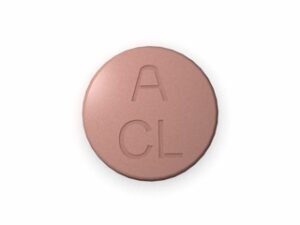

Avapro (Irbesartan) — Patient Guide (Australia)
Avapro is a brand of irbesartan, a medicine used to treat high blood pressure and to protect the kidneys in certain people. This guide explains how Avapro works, how it’s typically taken, common interactions and safety considerations, and what to expect when using it.
Note: This information is designed to help you understand your medicine. Always follow the instructions provided by your treating clinician and read the Consumer Medicine Information (CMI) supplied with your product.
1) Basic product information
| Product | Active ingredient | Brand examples | Common use |
|---|---|---|---|
| Avapro | Irbesartan | Avapro (irbesartan) | High blood pressure; kidney protection in suitable patients |
| Medicine type | Angiotensin II receptor blocker (ARB) | — | Helps lower blood pressure; supports kidney and heart health |
How Avapro is supplied: Available as tablets in various strengths depending on local availability. Your pharmacist can confirm the strengths they stock.
2) How Avapro works (mechanism of action)
Avapro (irbesartan) belongs to a group of medicines called angiotensin II receptor blockers (ARBs). Angiotensin II is a naturally occurring hormone that causes blood vessels to tighten (narrow), which increases blood pressure.
Irbesartan blocks the angiotensin II type 1 (AT1) receptor. As a result:
- Blood vessels relax, lowering blood pressure
- The heart doesn’t have to work against as much resistance
- In appropriate patients, kidney blood flow and kidney protection can improve
- Hormone signals that contribute to fluid retention are reduced
Because Avapro does not directly inhibit the hormone’s production (unlike some other medicine types), it’s often used when medicines such as ACE inhibitors are not suitable.
3) Pharmacokinetics: absorption, distribution, metabolism, and elimination
Understanding how the body handles irbesartan may help you take it correctly and recognise what to monitor.
- Absorption: After an oral dose, irbesartan is absorbed from the gastrointestinal tract. Peak blood levels typically occur within a few hours.
- Food: Taking Avapro with food may slightly affect absorption, but the overall impact on blood pressure control is generally not clinically significant for most people.
- Protein binding: Irbesartan binds strongly to blood proteins, helping determine how it distributes in the body.
- Metabolism: The liver metabolises irbesartan primarily via pathways involving enzymes such as CYP2C9.
- Elimination: Irbesartan is cleared from the body mainly through bile and faeces, with a smaller portion eliminated in urine.
- Half-life and duration: The medicine is designed for once-daily dosing, with effects lasting through the day.
Practical implication: Blood pressure improvements may start within days, with fuller benefits typically developing over several weeks as treatment stabilises.
4) Typical use and indications
Avapro is used for the treatment of:
- Hypertension (high blood pressure): To lower blood pressure and reduce the risk of cardiovascular complications.
- Kidney protection in selected patients: For people with type 2 diabetes and evidence of kidney disease (for example, certain patterns of protein or albumin in the urine), where irbesartan may help slow progression.
Important: Which indication applies to you depends on your medical history, kidney function, and laboratory results. Your clinician will decide if Avapro is appropriate.
5) Timing: when to take Avapro
Avapro is commonly taken . Many people take it at a consistent time each day.
- Same time each day: Helps maintain stable blood levels.
- Morning or evening: Either is usually acceptable; choose what fits your routine and is easiest to remember.
- If you forget a dose: Take it when you remember on the same day. If it’s nearly time for the next dose, skip the missed dose and resume your regular schedule. Do not take a double dose.
Blood pressure monitoring tip: If you measure blood pressure at home, keep a record. Readings help your clinician adjust treatment if needed.
6) Food interactions
For most people, Avapro can be taken with or without food. While food may alter absorption slightly, it generally does not require dose changes for routine use.
Best practice: Choose a consistent approach (with or without food) to support steady routine and reduce missed doses.
7) Alcohol and medicine interactions
Alcohol
Alcohol can lower blood pressure and may increase the likelihood of dizziness or light-headedness, particularly when you first start Avapro or when your dose is increased.
- If you drink alcohol, do so in moderation.
- Be cautious when standing up after drinking (especially if you feel woozy).
Medicines that may interact with Avapro
Some medicines can affect kidney function, blood potassium levels, or blood pressure. Always tell your clinician or pharmacist about all medicines you take, including “over-the-counter” products and supplements.
- Potassium supplements or potassium-containing salt substitutes: Risk of elevated potassium (hyperkalaemia).
- Other medicines that raise potassium: Examples include certain diuretics that spare potassium (e.g., spironolactone or eplerenone) or some heart medicines.
- Non-steroidal anti-inflammatory drugs (NSAIDs): Examples include ibuprofen, naproxen, and diclofenac. Using NSAIDs regularly with ARBs may affect kidney function, especially in people who are dehydrated, elderly, or have existing kidney disease.
- Diuretics (water tablets): Can increase the risk of low blood pressure or dehydration in some people.
- Medicines affecting the renin-angiotensin system: Combining with another ARB or an ACE inhibitor is usually avoided unless specifically directed, due to kidney and potassium risks.
- Other blood pressure medicines: May add to blood pressure lowering; monitoring may be needed.
Herbal and supplement caution: Some products (including those marketed for “heart health” or “natural diuretics”) may affect blood pressure or electrolytes. It’s best to check with a pharmacist before starting supplements.
8) Dosing: typical dose range and how it may be adjusted
Dose varies by the person’s condition and response to treatment. Typical starting doses may differ from maintenance doses.
Common starting and maintenance approach (general guidance)
- Hypertension: Your clinician may start with a lower dose and then adjust upward based on blood pressure response.
- Type 2 diabetes with kidney involvement (selected patients): A dose aimed at kidney protection may be used, again based on individual factors and tolerance.
How adjustment works: Dose may be increased after several weeks if blood pressure is not well controlled and if blood tests remain safe.
Kidney and blood potassium monitoring: Irbesartan can affect kidney filtration and potassium levels. Your clinician may request blood tests before starting and periodically after dose changes.
Do not: Change your dose or stop Avapro suddenly without medical advice. Stopping blood pressure medicines can lead to a rise in blood pressure.
9) Safety profile: who should be careful and what to watch for
Like all medicines, Avapro can cause side effects. Many people tolerate it well, but it’s important to recognise warning signs.
Common side effects
- Dizziness or light-headedness
- Fatigue
- Headache
- Nausea or stomach discomfort
Less common but important risks
- Low blood pressure (hypotension): More likely if you are dehydrated, recently started a diuretic, or have reduced salt intake.
- High potassium (hyperkalaemia): Symptoms may include muscle weakness or abnormal heart rhythm (often potassium levels are identified by blood tests rather than symptoms).
- Kidney function changes: Especially in those with pre-existing kidney disease, dehydration, or certain interacting medicines (e.g., NSAIDs).
- Allergic reactions: Rarely, swelling of the face, lips, tongue or throat may occur. Seek urgent medical care if this happens.
When to seek urgent help
Get urgent medical assistance if you experience:
- Swelling of the face, lips, tongue, or difficulty breathing
- Fainting or severe dizziness
- Signs of an irregular heartbeat (palpitations with dizziness or chest discomfort)
- Severe weakness or symptoms suggestive of dangerously high potassium
Special populations (safety considerations)
- Pregnancy: Medicines that act on the renin-angiotensin system can be harmful to the developing baby. Avapro is generally not used during pregnancy. If you become pregnant, contact your clinician immediately.
- Breastfeeding: Advice depends on individual circumstances; discuss options with your clinician.
- Renal impairment: Dose and monitoring may need adjustment.
- Dehydration: If you are vomiting, have diarrhoea, or cannot drink fluids, ask your clinician/pharmacist whether you should continue your medication until you are rehydrated (“sick day” advice).
- Low salt or diuretic use: May increase dizziness and low blood pressure risk initially.
10) Practical use tips
- Build a routine: Take Avapro at the same time each day.
- Stand up slowly: If you feel light-headed, rise slowly from sitting or lying positions.
- Hydrate appropriately: Don’t become dehydrated, especially during hot weather or illness.
- Keep up with blood tests: Kidney function and potassium tests help ensure safe use.
- Track blood pressure: Home readings can guide your clinician’s decisions.
- Be NSAID aware: If you need pain relief, ask a pharmacist what’s safest for you. Avoid regular NSAID use unless your clinician approves.
- Medication list: Keep a list of all medicines, including supplements, to reduce interaction risks.
11) Alternative options
If Avapro isn’t suitable (due to side effects, interactions, cost, or effectiveness), there are other medication classes and specific medicines that may be considered.
Other blood pressure and kidney-protecting options
- ACE inhibitors: e.g., enalapril, perindopril (not combined with ARBs unless specifically instructed).
- Other ARBs: e.g., losartan, valsartan, telmisartan (may be used if irbesartan isn’t tolerated).
- Calcium channel blockers: e.g., amlodipine.
- Thiazide or thiazide-like diuretics: e.g., hydrochlorothiazide or indapamide.
- Beta blockers or other agents: depending on heart history and overall risk.
Choosing an alternative: Your clinician selects options based on your blood pressure readings, kidney function, potassium levels, other conditions (such as heart disease or diabetes), and potential interactions.
12) Market and legal context in Australia (availability and guidance)
In Australia, medicines containing irbesartan are regulated under the Therapeutic Goods Administration (TGA) and are supplied through licensed pharmacies. Availability can vary by strength and brand.
General regulatory themes relevant to consumers:
- Brand and generic availability may vary by supplier and stock levels.
- Prescribed medicines must be supplied in line with Australian pharmacy and medicines regulation.
- Safety requirements include pharmacovigilance—side effects can be reported through appropriate healthcare channels.
Recent clinical guidance (high level): Australian and international guidelines for hypertension emphasise appropriate target blood pressure control, cardiovascular risk reduction, and safe selection of agents based on comorbidities (particularly diabetes and kidney disease). Kidney-protective ARB therapy is used in selected patients, with ongoing monitoring of kidney function and potassium.
Because recommendations evolve: always rely on the most current advice from your clinician or pharmacist for your personal plan.
13) Delivery and availability (online pharmacy)
Availability of Avapro (irbesartan) can depend on the tablet strength and current pharmacy supply. When ordering online, check the following:
- Strength and pack size: Confirm you’re ordering the correct tablet strength.
- Stock status: If a strength is out of stock, some pharmacies may offer alternatives or restock notifications.
- Delivery timing: Delivery timeframes vary by region and courier service.
- Cold chain: Avapro typically does not require cold storage, but verify storage instructions on the package.
Storage: Keep tablets in their original container, protected from moisture and out of reach of children. Follow storage instructions printed on the pack.
14) FAQ
Is Avapro suitable for everyone with high blood pressure?
No. While Avapro can be effective for many people, suitability depends on kidney function, potassium levels, other medicines you take, and other health conditions. Your clinician can advise whether an ARB is appropriate for you.
How quickly will Avapro lower my blood pressure?
Some blood pressure reduction may be noticed within days. Full benefits typically build over several weeks. If you’re monitoring at home, share results with your clinician so they can assess response.
Can I take Avapro with food?
Yes. Avapro can generally be taken with or without food. Choose what helps you maintain a consistent routine.
What should I do if I miss a dose?
Take it when you remember on the same day. If it’s close to your next scheduled dose, skip the missed dose and continue as usual. Do not take a double dose.
Will Avapro affect my kidneys or potassium?
It can. Avapro may change kidney function and increase potassium levels in some people. That’s why blood tests are commonly used to monitor kidney function and electrolytes, especially after starting or increasing the dose.
Can I take ibuprofen or naproxen for pain while on Avapro?
Occasional doses may be acceptable for some people, but regular NSAID use can increase the risk of kidney problems and fluid balance changes when combined with ARBs. Ask your pharmacist for the safest option for your situation.
Is it safe to drink alcohol with Avapro?
Moderate alcohol may be tolerated, but alcohol can increase the risk of dizziness or low blood pressure. Avoid heavy drinking and be cautious when standing.
What are warning signs that I should contact a doctor urgently?
Seek urgent medical help for symptoms such as swelling of the face/lips/tongue or difficulty breathing, fainting, severe dizziness, or signs of abnormal heart rhythm. If you’re unsure, contact a healthcare professional promptly.
What if Avapro doesn’t control my blood pressure?
Your clinician may adjust the dose or add another blood pressure medicine from a complementary class. Many people require more than one medication to reach target levels.
Are there alternatives to Avapro?
Yes. Alternatives include other ARBs (such as losartan or valsartan) or different classes like ACE inhibitors, calcium channel blockers, and diuretics—depending on your medical needs and tolerance.
Can I stop Avapro when my blood pressure improves?
Do not stop without medical advice. Stopping can lead to blood pressure rising again and may reduce kidney or cardiovascular protection.
Disclaimer: This website content is for general education and does not replace professional medical advice. If you have questions about your dose, side effects, or interactions, speak with your pharmacist or clinician.