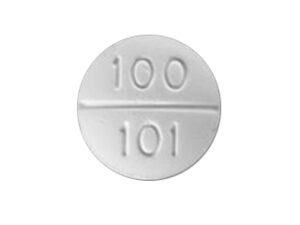
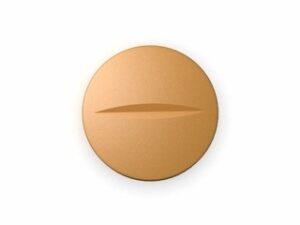

Betapace (Sotalol) — Patient Information (Australia)
Betapace is a brand of sotalol, a medicine used to help treat certain heart rhythm problems. This guide explains what Betapace is, how it works, how it is typically taken, key safety information, and practical tips to help you use it safely and effectively.
Important: Always follow the instructions given by your healthcare professional. If you are unsure about your dose, schedule, or whether it is safe to take Betapace with other medicines, check with your pharmacist or doctor.
Basic Product Information
| Item | Details |
|---|---|
| Brand name | Betapace |
| Active ingredient | Sotalol |
| Medicine type | Antiarrhythmic (Class III, with non-selective beta-blocking effects) |
| Common form(s) | Oral tablets |
| How it is used | To help maintain a normal heart rhythm in selected conditions |
How Betapace Works (Mechanism of Action)
Sotalol combines two heart-protective actions:
- Class III antiarrhythmic action: It helps to slow electrical signalling in a way that can prolong the heart’s refractory period and thereby reduce abnormal rhythms.
- Beta-blocking (Class II) action: It can slow the heart rate and reduce the effect of adrenaline on the heart.
Together, these effects can help stabilise certain abnormal rhythms, such as atrial fibrillation or atrial flutter, and some ventricular rhythm disturbances, depending on your individual diagnosis and risk profile.
Pharmacokinetics: How the Body Handles Sotalol
Understanding pharmacokinetics can help explain why timing matters and why some people require dose adjustments. In general, sotalol behaves like this:
- Absorption: After taking a dose by mouth, sotalol is absorbed into the bloodstream.
- Onset: Effects begin after the medicine reaches effective blood levels; the exact timing varies by person.
- Distribution: It distributes into body tissues and affects the heart’s electrical activity.
- Elimination: Sotalol is eliminated largely by the kidneys. If kidney function is reduced, the medicine can build up and increase the risk of side effects.
- Half-life (general concept): The duration the medicine stays active in the body depends on kidney function, which influences the dosing schedule.
Because sotalol is mainly cleared by the kidneys, kidney function tests and careful dose selection are important for safety.
What Betapace Is Used For (Indications)
Betapace is used to treat specific heart rhythm conditions. Common indications include:
- Atrial fibrillation or atrial flutter: To help maintain normal rhythm or reduce recurrence, depending on your overall clinical situation.
- Ventricular arrhythmias: In selected patients with certain types of abnormal rhythms arising from the lower chambers (ventricles).
- Prevention of recurrent arrhythmias: When the goal is to reduce the frequency of abnormal rhythm episodes under medical supervision.
The suitability of sotalol depends on your ECG findings, heart structure, symptoms, and overall risk. Your clinician may use ECG monitoring and sometimes kidney function tests before and during treatment.
Typical Timing and How to Take Betapace
Betapace is usually taken regularly at the same times each day. Many regimens are once or twice daily depending on the prescribed dose and your kidney function.
General timing tips
- Take it at consistent times: Keeping doses evenly spaced helps maintain stable levels.
- Do not miss doses: If you miss a dose, follow your doctor/pharmacist advice. Many schedules require you not to double up.
- Continue long enough: Antiarrhythmics often work best with uninterrupted treatment as directed.
When dose changes matter
If your kidney function changes, if you start or stop medicines that interact with sotalol, or if you develop dehydration or vomiting/diarrhoea, your clinician may need to adjust dosing and monitor your heart rhythm.
Food Interactions: Can You Take Betapace With Meals?
Food may influence how quickly some medicines reach their peak blood levels. With sotalol, food effects are generally not as critical as for some other drugs, but it’s still best to use a consistent approach.
- Consistency is key: Take Betapace the way your healthcare professional advised—either with food or on an empty stomach.
- Swallow with water: Unless otherwise directed, swallow the tablet whole with a glass of water.
- Gastrointestinal illness: If you have vomiting or severe diarrhoea, dehydration can increase risk. Seek advice promptly.
If your directions specify a particular relationship to meals, follow those instructions.
Alcohol and Medicine Interactions
Alcohol
Alcohol can affect heart rhythm, blood pressure, and dizziness, which may make side effects more noticeable. Alcohol may also interact with other medications you take, compounding effects such as fatigue or light-headedness.
- Use caution: Limit or avoid alcohol unless your clinician confirms it is safe for you.
- Watch for symptoms: If you feel faint, unusually tired, or notice palpitations after drinking, contact a healthcare professional.
Other medicine interactions (very important)
Sotalol can interact with medicines that affect heart rhythm, electrolyte balance, and heart rate/blood pressure. These interactions may increase the risk of serious rhythm disturbances, including a specific abnormal rhythm related to prolonged repolarisation.
Tell your pharmacist/doctor about all medicines you take, including:
- Other antiarrhythmics (e.g., some drugs used for abnormal heart rhythms)
- Medicines that prolong the QT interval (many include certain antibiotics, antifungals, antipsychotics, antidepressants, and others)
- Beta-blockers or medicines that slow the heart rate (may increase bradycardia risk)
- Calcium-channel blockers (especially non-dihydropyridines like verapamil/diltiazem—combination requires careful monitoring)
- Diuretics (“water tablets”), particularly those that reduce potassium or magnesium (e.g., loop diuretics, thiazides)
- Electrolyte-altering medicines or situations (vomiting/diarrhoea) that reduce potassium/magnesium
- Some asthma/COPD medicines (certain inhalers or tablets may affect heart rate)
- Thyroid medicines or conditions affecting thyroid function (thyroid imbalance can influence rhythm control)
Your pharmacist can help check for interactions using your full list of medicines, including over-the-counter products and supplements.
Dosing: What Is a Typical Dose?
Dose is individual and depends on the specific arrhythmia, your ECG, heart rate, and especially your kidney function. Clinicians also consider the risk of QT prolongation and the likelihood of needing monitoring.
For a patient-friendly understanding, dosing generally follows these principles:
- Individualised: Different people receive different sotalol doses.
- Based on kidney function: Reduced kidney clearance often requires lower doses or longer intervals.
- ECG-guided: The prescriber may adjust dose according to ECG response and safety parameters.
- Do not change dose yourself: Adjustments must be done under medical guidance.
If you want, you can consult the medicine label or medication plan for your exact strength (for example, milligrams per tablet) and how many times per day you should take it.
How to take the dose safely
- Take at the scheduled times, with water.
- Avoid doubling doses if you forget one—ask your pharmacist what to do for your particular schedule.
- If you develop dehydration (e.g., illness with vomiting/diarrhoea), contact your clinician for advice.
Safety Profile: Side Effects and When to Seek Help
Like all medicines, Betapace can cause side effects. Many are mild, but some require urgent attention. Below is a patient-friendly summary of common and serious risks.
Common side effects
- Feeling tired or low energy
- Dizziness or light-headedness
- Slow heart rate (bradycardia)
- Shortness of breath or reduced exercise tolerance (especially if you have underlying lung disease)
- Cold extremities (from reduced blood flow)
- Gastrointestinal upset such as nausea
Serious risks (seek urgent medical attention)
Contact emergency services or seek urgent care immediately if you experience any of the following:
- Fainting or near-fainting
- Severe dizziness or feeling you may pass out
- New or worsening chest pain
- Sudden palpitations with weakness or breathlessness
- Severe shortness of breath (especially at rest)
QT prolongation and related rhythm concerns
Sotalol can affect the heart’s electrical recovery time. In some individuals this may lead to a dangerous rhythm. The risk is influenced by:
- Higher doses
- Low potassium or magnesium
- Kidney impairment (increased blood levels)
- Other QT-prolonging medicines
- Bradycardia (very slow heart rate)
That is why prescribers often use ECG checks—particularly during initiation or dose changes.
Who should be extra cautious?
Seek specific advice if you have any of the following:
- Kidney disease or reduced kidney function
- History of fainting or serious arrhythmias
- Low potassium or magnesium
- Heart block or significant slow heart rate
- Asthma or certain chronic lung conditions (beta-blocker effects may worsen symptoms)
- Use of multiple interacting medicines (common in older adults)
Practical Use Tips for Daily Life
- Know your schedule: Use a medication organiser and set reminders for the correct times.
- Keep ECG and blood test appointments: Monitoring supports safety, particularly for QT and kidney function.
- Watch electrolytes: If you are prescribed diuretics or have episodes of vomiting/diarrhoea, ask whether electrolytes (potassium, magnesium) should be checked.
- Hydration matters: Dehydration can affect kidney function and electrolyte balance—seek advice if you are unwell.
- Be cautious with sudden stopping: Do not stop sotalol suddenly unless told by a clinician. Sudden changes in rhythm-control medicines can lead to recurrence of symptoms.
- Medication list handy: Keep an up-to-date list of medicines and bring it to appointments.
Alternative Options (What Might Be Considered)
Depending on your diagnosis and risk, clinicians may consider alternatives to sotalol. Options can include:
- Other antiarrhythmic medicines (choice depends on rhythm type and QT/side-effect profile)
- Rate-control medicines when rhythm conversion is not the goal
- Procedures such as cardioversion or catheter ablation in selected patients
- Managing contributing factors (e.g., thyroid imbalance, sleep apnoea, electrolyte abnormalities, or lifestyle factors)
The best alternative depends heavily on your specific rhythm problem, comorbidities, and ECG findings. Discuss options with your cardiologist or treating team.
Market & Legal Context for Australia (Online Pharmacy)
In Australia, medicines are regulated by the Therapeutic Goods Administration (TGA). Availability, indications, and prescribing requirements vary by medicine and risk category.
For patient access, online pharmacies in Australia typically support:
- Providing product and safety information to help patients understand their treatment
- Facilitating supply according to Australian regulatory and prescribing requirements
- Offering advice through qualified healthcare professionals where appropriate
Because sotalol is a high-risk cardiac medicine requiring careful monitoring for rhythm safety, access is commonly managed in line with Australian guidelines and clinical protocols.
Recent Guidance and Monitoring Considerations
Ongoing clinical guidance across countries emphasises safe use of antiarrhythmic medicines by focusing on:
- ECG monitoring: Particularly at initiation and after dose changes, to assess for QT prolongation and response.
- Kidney function assessment: To ensure dosing remains safe as clearance changes.
- Electrolyte management: Correcting low potassium and magnesium where possible.
- Avoiding interacting medicines: Using interaction checks to reduce risk of dangerous rhythm effects.
- Individual risk assessment: Considering age, heart structure, comorbidities, and history of arrhythmia.
Your treating team may recommend follow-up tests such as ECGs and blood tests to support safe therapy. If you receive new test results (for example, kidney function or electrolyte results), share them with your clinician.
Delivery and Availability
Availability can vary by supplier and stock levels. Many online pharmacies aim to:
- Display current availability for Betapace and common strengths
- Provide an estimated delivery timeframe at checkout
- Offer discrete packaging and secure dispatch
Delivery times within Australia depend on your location and the shipping method selected. If you need the medicine urgently, contact customer support to confirm dispatch and delivery estimates.
For reliability and safety, only order from reputable Australian-licensed pharmacy outlets.
FAQ: Betapace (Sotalol)
1) How long does it take for Betapace to work?
Many people notice changes in symptoms relatively soon after reaching effective blood levels, but full assessment of rhythm control often takes longer. Your clinician may monitor your ECG and symptoms to judge effectiveness, especially during initiation or dose changes.
2) Why do I need ECG monitoring?
Because sotalol can affect the heart’s electrical recovery time, ECG monitoring helps detect QT prolongation or other rhythm changes early. This supports safer dosing.
3) Can I take Betapace with other heart medicines?
Some combinations may be appropriate, but many require careful monitoring or are unsafe together. Always provide a complete list of your medicines to your pharmacist or doctor so interactions can be checked.
4) What should I do if I miss a dose?
Follow the advice given by your healthcare professional. As a general principle, do not take extra doses to “catch up” unless told to do so. The correct approach depends on your dosing schedule and risk profile.
5) What foods or drinks should I avoid?
There are no specific universal dietary restrictions, but consistency with meals can help. Avoid dehydration, and be cautious with alcohol, as it may worsen dizziness or impact heart rhythm.
6) Are there common signs of low blood pressure or too-slow heart rate?
Symptoms can include dizziness, faintness, unusual tiredness, weakness, or feeling light-headed—especially when standing. If symptoms are severe or you faint, seek urgent medical help.
7) Can kidney problems affect how I take Betapace?
Yes. Since sotalol is eliminated mainly through the kidneys, reduced kidney function can increase blood levels and the risk of rhythm side effects. Dose adjustments and more frequent monitoring may be required.
8) Is it safe to take Betapace if I have asthma or COPD?
Beta-blocking effects can potentially worsen breathing symptoms in some people. If you have asthma or COPD, discuss this with your clinician. If you notice increased wheeze, breathlessness, or reduced airflow, seek advice promptly.
9) What should I tell my pharmacist before starting Betapace?
Tell them about:
- All prescription medicines and over-the-counter products
- Supplements, herbal products, and vitamins
- Any history of fainting, heart block, or prior dangerous rhythm episodes
- Your kidney function status (if known)
- Electrolyte issues (low potassium/magnesium)
10) Can I stop Betapace suddenly?
Do not stop suddenly unless your doctor advises it. Stopping can affect rhythm control and may require a planned approach. If you think you need to stop, contact your clinician for guidance.
Summary
Betapace (sotalol) is an oral antiarrhythmic medicine used to treat selected abnormal heart rhythms. It works by combining effects that influence heart electrical signalling and heart rate. Because it is cleared through the kidneys and can affect ECG measurements (including QT interval), safe use often involves monitoring—particularly when starting or changing dose.
If you have questions about taking Betapace, interactions, or what to do if you miss a dose or develop side effects, speak with your pharmacist or healthcare professional.