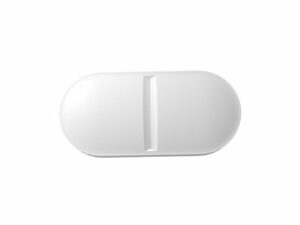
Bisacodyl (Laxative) – Patient Guide (Australia)
Bisacodyl is a widely used medicine for short-term relief of constipation. It belongs to the group of stimulant laxatives, which help trigger bowel movements. Bisacodyl is available in different formulations, including tablets and suppositories (rectal use), depending on the product brand.
This guide is designed to be patient-friendly and to help you understand how bisacodyl works, how to use it safely, and what to expect. Always check the specific product label and follow your pharmacist or doctor’s advice.
Basic product information
- Active ingredient: Bisacodyl
- Medicine type: Stimulant laxative
- Common forms: Tablets/capsules and rectal suppositories (depending on the brand)
- Typical availability: Often available as an over-the-counter product in Australia
- Why people use it: To relieve constipation and promote bowel movements
Note: Product strengths vary (for example, commonly 5 mg for oral tablets in many markets, and different strengths for suppositories). Use the strength on your specific pack.
How bisacodyl works (mechanism of action)
Bisacodyl works by stimulating the nerves in the bowel wall and increasing fluid movement into the colon. It also promotes bowel contractions, helping move stool along.
Key points about the mechanism:
- Stimulant effect: It stimulates the enteric nerves in the large intestine.
- Increased water in bowel: This can soften stool and make it easier to pass.
- Helps trigger a bowel movement: Especially useful when you need faster relief.
Pharmacokinetics (how the body handles it)
Pharmacokinetics can vary depending on the formulation (oral vs rectal). In general, bisacodyl is a pro-drug: it is converted to its active form in the gut.
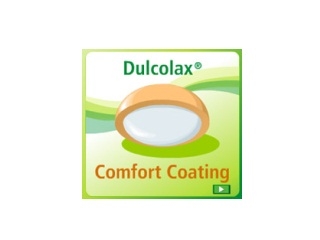
- Oral tablets: The tablet coating helps protect the drug as it passes through the stomach. The medicine is then converted to the active form in the intestine.
- Rectal suppositories: Absorption and local effects in the rectum/colon may result in faster action.
- Onset varies: Oral bisacodyl often works within hours; rectal formulations can work sooner.
Once converted, the drug’s effects occur in the gastrointestinal tract. The medicine is ultimately metabolised and eliminated through normal body processes (primarily via urine and faeces), though exact details depend on the study population and product.
If you have kidney or liver disease, discuss suitability with a pharmacist, as tolerability and risks can differ.
Typical use: when bisacodyl is appropriate
Bisacodyl is commonly used for:
- Short-term constipation (for example, when stool is difficult to pass).
- Occasional constipation due to lifestyle changes (less fluid/less fibre, travel, reduced activity).
- Helping bowel emptying when a stronger laxative is needed.
- Before certain bowel investigations or procedures where specifically recommended by healthcare professionals.
Bisacodyl is not intended for long-term daily use unless a clinician advises it. If constipation persists, it’s important to find the cause.
Timing and how soon it works
Timing depends on whether you use an oral tablet or a rectal suppository.
| Formulation | Typical onset | What to expect |
|---|---|---|
| Oral (tablets) | Often within 6–12 hours (commonly works overnight if taken in the evening) | You may have a bowel movement the next morning. |
| Rectal (suppositories) | Often within 15–60 minutes | May work faster; suitable when you need more immediate relief. |
Practical tip: If you’re using oral bisacodyl for constipation relief and want bowel activity by morning, many people take it in the evening according to label directions. Always follow your specific product instructions.
Food interactions (what to know)
Food can affect how quickly oral bisacodyl works for some people, particularly when it’s taken close to meals.
- Timing with food: Oral bisacodyl may work more slowly or be less predictable when taken immediately with food.
- Coating protection: Tablets are designed to resist stomach acid until they reach the bowel. However, changes in timing with meals can influence onset.
- Follow label instructions: Some product directions recommend taking tablets at a particular time (for example, evening dosing for morning effect).
If you’re unsure, ask a pharmacist how to take your exact product.
Alcohol and medicine interactions
Bisacodyl is generally not described as having a direct interaction with alcohol. However, caution is still important because:
- Dehydration risk: Alcohol can contribute to dehydration in some people. Laxatives can increase fluid loss, which may worsen constipation symptoms or cause dizziness.
- Underlying conditions: If constipation is linked to dehydration, low fluid intake, or certain medications, alcohol may make things worse.
- Other medicines: Some medicines can interact indirectly by affecting electrolyte balance or bowel function.
Always check the labels of any other medicines you take and discuss with a pharmacist if you take multiple medicines or have ongoing health conditions.
Alcohol and other medicine interactions (important safety considerations)
The most clinically important interactions relate to medicines that can affect potassium levels and fluid balance, especially when laxatives cause diarrhoea or frequent bowel movements.
- Diuretics (water tablets) and corticosteroids: If bisacodyl causes frequent bowel motions, electrolyte changes (like low potassium) may be more likely. This can be relevant for heart rhythm stability.
- Other laxatives: Using multiple laxatives together can increase cramping and diarrhoea risk.
- Medicines requiring stable electrolyte balance: People taking medications that affect the heart or rhythm should use stimulant laxatives carefully and avoid overuse.
- Antacids and some medicines that affect stomach pH: These may influence tablet performance for some products. If you regularly use antacids, ask a pharmacist for product-specific guidance.
If you are pregnant, breastfeeding, have inflammatory bowel disease, severe abdominal pain, or you have not had a bowel movement for several days, consult a pharmacist before using bisacodyl.
Indications (what bisacodyl is used for)
In Australia, bisacodyl is used to relieve constipation and to help empty the bowels when indicated. Depending on formulation and local labelling, it may also be used under professional direction in preparation for bowel procedures.
Common indications include:
- Constipation (including “ordinary” constipation)
- Occasional constipation where quicker stimulation of bowel movement is needed
- Bowel emptying support as advised for investigations/procedures
Dosing (how to take it)
Dose depends on age, formulation (oral vs rectal), and the specific product strength. Use the dosing directions on your bisacodyl pack.
General guidance (check your label):
- Oral tablets (typical adult use): Often taken in the evening for next-morning effect. Many OTC products use a starting dose, with adjustments if required.
- Rectal suppositories: Often used for faster action and may have a different dose range than oral products.
Because strengths and age dosing rules can vary, the best approach is:
- Adults: Follow the adult dosing on your specific pack.
- Children: Use only if the product is labelled for the child’s age and only at the recommended dose.
- Do not exceed the maximum dose stated on the pack.
If you can’t find the label or you’re unsure, ask your pharmacist which dose is appropriate for your product.
How to use bisacodyl safely (practical tips)
- Start with the lowest effective dose (as per label).
- Use water with oral tablets (follow pack directions).
- Consider fluids and fibre: In addition to laxatives, drink adequate fluids and eat fibre where appropriate.
- Respect the timing: Oral tablets taken at the wrong time may not work as expected. Follow directions for when to take the dose.
- Stop if symptoms worsen: If you develop severe cramps, persistent vomiting, or severe abdominal pain, stop and seek advice.
- Track your bowel pattern: Note how long it takes to work and how your symptoms change.
Safety profile (side effects and when to seek help)
Like all medicines, bisacodyl can cause side effects. Many are mild and temporary, but some symptoms require urgent medical attention.
Common side effects
- Abdominal cramping
- Loose stools or diarrhoea
- Nausea (occasionally)
- Temporary discomfort as the bowel responds
Less common but important risks
- Dehydration if diarrhoea is severe or prolonged.
- Electrolyte imbalance (especially with repeated overuse or frequent diarrhoea).
- Rectal irritation with suppositories (if applicable).
Stop and get urgent medical advice if you experience
- Severe or worsening abdominal pain
- Vomiting
- Blood in your stool or black/tarry stools
- Signs of dehydration (dizziness, very dry mouth, fainting)
- No bowel movement after using as directed (especially if it persists)
Who should be extra careful
- People with inflammatory bowel disease (e.g., Crohn’s disease or ulcerative colitis)
- People with unexplained abdominal symptoms
- Anyone who has constipation that is new, persistent, or unexplained
- People with significant electrolyte problems or severe dehydration risk
Constipation management: when bisacodyl should be used short-term
Bisacodyl can be helpful for short-term relief, but constipation can have many causes. If constipation lasts longer than a few days despite appropriate measures—or keeps coming back—consider discussing with a pharmacist or doctor.
Long-term reliance on stimulant laxatives may mask underlying causes such as:
- Low fluid intake
- Low dietary fibre
- Reduced physical activity
- Medication side effects (for example, some pain medicines, iron, certain antidepressants)
- Conditions affecting bowel function
Alternative options (besides bisacodyl)
If you prefer alternatives or bisacodyl is not suitable, there are several other approaches:
- Osmotic laxatives (e.g., macrogol/PEG-based products): draw water into the bowel to soften stool.
- Bulk-forming agents (e.g., psyllium): increase stool bulk, generally best with adequate fluids.
- Stool softeners: may be useful when stool is hard and dry.
- Suppositories or enemas: may be appropriate for faster rectal relief in some cases.
- Lifestyle measures: water intake, fibre, regular movement, and toileting routines.
Which option is best depends on your pattern of constipation, cause, and how fast you need relief. A pharmacist can help you choose the most suitable product.
Recent guidance and practical advice (Australia context)
In Australia, pharmacists often recommend the following for constipation:
- Start with non-medicine measures when appropriate (fluids, fibre, activity).
- If medicines are needed, choose the product that matches your symptoms and use the shortest time possible.
- Seek medical advice if constipation is persistent, associated with pain or bleeding, or unexplained.
- Avoid overuse of stimulant laxatives and monitor for diarrhoea and dehydration.
Regulatory and consumer medicine information may be updated over time. Always check the packaging or the product information leaflet for current instructions.
Delivery and availability in Australia
Bisacodyl is commonly available through pharmacies and many online pharmacy services in Australia, usually as an OTC product. Availability and formulation (oral vs suppository) can vary by brand and stock.
- Typical delivery: Many online pharmacies offer home delivery within major metro areas and regional delivery where available.
- Packaging: Products are usually dispatched in manufacturer packaging with dosing information included.
- Stock may vary: If your preferred brand or formulation is out of stock, you may see alternatives with similar active ingredients.
When ordering online, ensure you select the correct formulation and strength. If you have questions, contact customer support or ask a pharmacist.
Market and legal context for Australia
In Australia, medicines are regulated and must meet requirements for quality, safety, and consumer information. Bisacodyl-containing products are typically supplied through pharmacy channels and, when classified for consumer access, are sold under the appropriate Australian scheduling and labelling rules.
Online pharmacy services operate under Australian health and pharmacy standards. Product information should always be available on the pack and/or the consumer medicine information leaflet.
Consumer responsibility: Use only as directed on the label, check expiry dates, and seek professional advice for ongoing or severe symptoms.
Frequently Asked Questions (FAQ)
1) What is bisacodyl used for?
Bisacodyl is used for short-term relief of constipation by stimulating bowel movement. It may work quickly, especially when using rectal suppositories.
2) How quickly does bisacodyl work?
Oral bisacodyl commonly works within 6–12 hours (often overnight if taken in the evening). Rectal suppositories can work within 15–60 minutes, depending on the person and product.
3) Can I take bisacodyl every day?
Bisacodyl is generally intended for short-term use. If you need it regularly or constipation keeps returning, it’s important to speak with a pharmacist or doctor to identify the cause and consider longer-term options.
4) Should I take bisacodyl with food?
Food timing can affect how oral tablets work. For best results, follow the directions on your specific pack. If you’re unsure, ask a pharmacist for advice based on the product formulation.
5) Can I drink alcohol while using bisacodyl?
There isn’t a commonly described direct interaction, but alcohol can worsen dehydration or upset bowel habits. If you use bisacodyl, consider avoiding excessive alcohol and ensure you drink adequate fluids.
6) What if bisacodyl doesn’t work?
If you don’t have a bowel movement after using bisacodyl as directed, don’t keep taking more than the recommended dose. Seek advice from a pharmacist—especially if symptoms persist, worsen, or you have severe abdominal pain.
7) Is bisacodyl safe for children?
Children should use bisacodyl only if it is specifically labelled for their age and at the recommended dose. Always follow the product pack and consult a pharmacist if you’re unsure.
8) What side effects should I watch for?
Mild cramping and loose stools are common. Stop using bisacodyl and seek urgent medical advice if you experience severe abdominal pain, vomiting, blood in the stool, or signs of dehydration.
9) Are there alternatives if I can’t use bisacodyl?
Yes. Alternatives include osmotic laxatives (such as macrogol-based options), bulk-forming agents (like psyllium), and other approaches depending on the cause of constipation. A pharmacist can help you choose.
10) When should I seek medical help for constipation?
Get medical advice urgently if constipation comes with severe pain, vomiting, blood in stool, or a significantly swollen abdomen. See a healthcare professional soon if constipation is persistent, new, unexplained, or associated with weight loss or fatigue.
Reminder: This information is general. Always read the label and consumer medicine information leaflet for your specific bisacodyl product. If you have ongoing constipation or any concerns about safety, ask a pharmacist.