Clobetasol 0.05% Topical Cream/Ointment (Australia) — Patient Guide
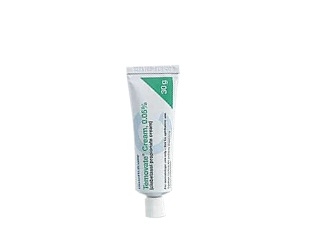
Clobetasol 0.05% is a potent corticosteroid medicine used on the skin to calm inflammation and relieve symptoms of certain inflammatory skin conditions. It is commonly supplied as a cream or ointment (formulation varies by brand). Because it is very strong, it should be used carefully and typically for short periods, according to product directions and healthcare advice.
This guide explains what clobetasol does, how it works in the body, typical uses, timing, practical application tips, safety considerations, and frequently asked questions—tailored for customers in Australia.
Basic product information
- Active ingredient: Clobetasol (commonly as clobetasol propionate) 0.05%
- Type: Topical corticosteroid (skin treatment)
- Strength: Very potent (high potency steroid)
- Form: Cream or ointment (depending on product)
- Where it acts: Locally on the skin
- Typical treatment goal: Reduce redness, swelling, itching, and irritation from steroid-responsive inflammatory skin conditions
Note: Different brands may have different base ingredients (cream vs ointment) which can affect comfort and absorption. Choose the form that best suits your skin and the intended area of use.
How clobetasol works (mechanism of action)
Clobetasol belongs to the group of medicines known as corticosteroids. When applied to the skin, it helps to:
- Reduce inflammatory activity by decreasing the release of inflammatory mediators
- Suppress overactive immune responses in the skin
- Lower symptoms such as redness, swelling, itching, and burning
- Stabilise skin cell behaviour that contributes to thickening or scaling in some conditions
Because clobetasol is high potency, it can act quickly for suitable conditions, but prolonged or excessive use increases the risk of side effects.
Pharmacokinetics: what the body does with clobetasol
Clobetasol is primarily intended to work on the skin. However, a small amount can enter the bloodstream, especially when applied:
- To large areas
- Under occlusion (covered skin, tight dressings)
- On broken, inflamed, or thin skin
- For long periods
- In children (higher absorption due to higher skin surface-area-to-body-weight ratio)
| Topic | Typical patient-relevant information |
|---|---|
| Absorption | Low to moderate when used as directed; absorption increases with occlusion, damaged skin, and extensive areas. |
| Distribution | Any absorbed drug distributes through the body; effects on the adrenal system are the main concern at higher absorption levels. |
| Metabolism | Most absorbed corticosteroid is metabolised in the body, primarily via liver processing. |
| Elimination | Metabolites are excreted mainly through the kidneys. Exact timing varies by individual and exposure level. |
| Clinical implication | To minimise systemic effects, use the smallest amount, shortest duration, and avoid occlusion unless advised. |
Typical use and timing
When to apply: Usually once or twice daily depending on severity and brand instructions. Many patients are instructed to apply a thin layer to the affected area once or twice daily until symptoms improve.
How long to use: Clobetasol is typically used for short courses. The product directions and healthcare guidance may specify a maximum number of days. If you’re not sure, check the label and follow pharmacist/doctor advice.
After improvement: Many treatment plans involve stepping down to a less potent steroid or reducing frequency to prevent flare-ups and reduce risk of side effects. Avoid continuing clobetasol for longer than directed.
Examples of practical timing:
- Morning: apply a thin layer after gently washing and drying the area
- Evening: apply again if prescribed for twice daily
- Consistency: use at similar times each day to maintain symptom control
Hands: Wash your hands before and after applying unless you are treating your hands.
Food interactions
Food interactions are generally not expected with topical clobetasol because absorption through the skin is usually limited when used correctly. As a result, you can generally eat normally while using this medicine.
If clobetasol is used over very large areas, under occlusion, or for prolonged periods, systemic absorption may increase. In those situations, interactions relevant to systemic corticosteroids could become more relevant—however, this is not typical when used as directed.
Alcohol and medicine interactions
Alcohol
There is usually no direct interaction between topical clobetasol and alcohol because clobetasol is primarily acting on the skin. However, if you have other health conditions or take systemic medicines, discuss with a pharmacist—especially if you are using high amounts or long durations.
Interactions with other medicines
Topical clobetasol has fewer interactions than oral corticosteroids because systemic exposure is limited. Still, tell your pharmacist if you use:
- Other steroid products (topical or oral), including different strengths
- Medicines affecting the immune system
- Antifungal or antibiotic creams—especially if infection is present
- Other topical irritants (e.g., strong keratolytics) on the same area, which could increase irritation
Important infection warning: Corticosteroids can sometimes mask infection symptoms. If you suspect fungal infection (e.g., athlete’s foot, ringworm) or bacterial infection, seek advice—appropriate treatment may be needed alongside or instead of steroid therapy.
Indications (what it is used for)
Clobetasol 0.05% is used for inflammatory skin conditions that respond to corticosteroid therapy. Common indications include:
- Severe eczema (including certain cases of atopic dermatitis)
- Psoriasis (selected types and locations, under medical guidance)
- Dermatoses that are steroid-responsive and require a high potency steroid for short-term control
Not for everything: Clobetasol is not suitable for all skin problems. It is not a general “anti-itch” cream for unknown rashes. The skin condition should be diagnosed correctly, especially if the rash is new, spreading rapidly, painful, or associated with fever.
Dosing: how much to apply
General principle: Use the smallest amount for the shortest time that achieves control.
Typical dosing for many patients:
- Adults: Often applied once or twice daily as directed on the product label or by a healthcare professional.
- Children: High potency steroids require extra caution. Follow medical advice closely and do not use on children unless specifically recommended.
How much is “a thin layer”? Many clinicians use the “fingertip unit” concept:
- A fingertip unit (the amount of cream squeezed along a fingertip) generally covers an area of skin about the size of two adult hands’ flat area.
- This helps avoid over-application.
Stop/step down: Once symptoms improve, reduce frequency or switch to a lower potency option as advised. If there is no improvement within the expected timeframe, reassess the diagnosis rather than continuing indefinitely.
Safety profile: common and serious side effects
Because clobetasol is very potent, side effects are more likely with long-term use, incorrect use, large-area application, occlusion, or use on sensitive skin (face, groin, underarms).
Commonly reported local effects
- Skin irritation or burning sensation
- Dryness
- Itching changes
- Redness
Potential skin changes with ongoing use
- Skin thinning (atrophy)
- Stretch marks (striae)
- Visible blood vessels (telangiectasia)
- Increased sensitivity or worsening of dermatitis in some areas
- Rebound flare if stopped abruptly after long use
Systemic corticosteroid effects (rare when used correctly)
Systemic absorption can affect adrenal function, especially with high exposure. Seek medical advice if you experience symptoms such as:
- Unusual tiredness, weakness
- New or worsening infections
- Signs of adrenal suppression (a clinician will assess this)
Allergic reactions
- Swelling of the face/lips
- Hives
- Breathing difficulties (seek urgent care)
When to stop and get advice urgently
- Severe or spreading rash
- Signs of infection (increasing pain, pus, crusting with fever, rapidly worsening redness)
- Severe burning, blistering, or ulceration
- Rash affecting eyes or vision symptoms
Practical use tips (how to apply safely and effectively)
- Apply only to the affected area, not to surrounding healthy skin unless directed.
- Use a thin layer. More is not better for most inflammatory conditions.
- Wash hands before and after application.
- Keep treatment consistent with the schedule on the label.
- Avoid occlusion (e.g., plastic wrap, tight dressings) unless a clinician specifically advises it—occlusion increases absorption.
- Avoid use on certain sensitive areas unless instructed: face, eyelids, groin, and underarms have higher risk of side effects.
- Do not use on broken skin unless directed, as this can increase absorption.
- Reassess if not improving: if symptoms do not improve within the expected period, the diagnosis may be wrong or infection may be present.
- Don’t combine with other steroids on the same area unless advised.
Bathing and moisturising: Many people apply clobetasol after washing and drying the area gently. A moisturiser may be used between steroid applications if helpful—avoid applying immediately on top if the product directions advise otherwise (follow label guidance).
Alternative options (depending on the condition and severity)
Your best alternative depends on the diagnosis, body site, and severity. Options may include:
- Lower potency topical corticosteroids for milder flare control or maintenance
- Non-steroidal topical treatments such as calcineurin inhibitors (for selected eczema cases, particularly on sensitive areas)
- Moisturisers and emollients to reduce flare frequency (supportive care for eczema/dermatitis)
- Antifungal treatments if a fungal infection is identified (important—steroids alone can worsen some fungal conditions)
- For psoriasis: clinician-guided options may include other topical therapies, phototherapy, or systemic treatments for severe disease
Stepping down strategy: A common approach is to use clobetasol for a short, targeted burst, then transition to a safer long-term plan (lower potency steroid or alternative therapy) to reduce rebound and long-term risks.
Market and legal context for Australia
In Australia, topical corticosteroids are regulated under national medicines frameworks. The availability and prescribing/dispensing rules can differ based on product strength, formulation, and classification. Many high-potency topical steroids may be restricted compared with mild steroid creams.
When purchasing or using clobetasol, Australian customers should:
- Check the product packaging for the exact strength and directions.
- Follow label instructions and any advice from a pharmacist.
- Be aware that using high-potency steroids beyond recommended duration can increase harm risk.
Recent guidance note: Ongoing clinical and regulatory emphasis has been placed on safe use of topical corticosteroids—particularly around appropriate potency selection, correct duration, correct application, and recognising infection or misdiagnosis. If you’re using a high potency steroid repeatedly for the same area, it is worth discussing a longer-term management plan.
Delivery and availability
Clobetasol 0.05% products may be available through pharmacy supply channels and online pharmacy services in Australia, depending on stock and product listing. Availability can vary by:
- Whether the product is supplied as a cream or ointment
- Brand availability and batch supply
- Packaging and dispensing rules at the time of order
Typical delivery expectations: Delivery time depends on the courier service and your location within Australia. Tracking details are commonly provided once your parcel is dispatched.
Cold/heat exposure: Store the medicine at room temperature as directed on the label. Avoid leaving products in hot cars or direct sunlight.
How to store clobetasol
- Keep the tube/jar tightly closed.
- Store at controlled room temperature according to the label.
- Keep out of reach of children.
- Check expiry date on the package before use.
FAQ: Clobetasol 0.05% (Australia)
1) Is clobetasol 0.05% safe to use?
When used correctly—on the right condition, in a thin layer, for the shortest time, and as directed—clobetasol can be effective and generally well-tolerated. Because it is very potent, risks increase with prolonged use, large-area application, occlusion, and use on sensitive skin. If you have concerns, discuss your plan with a pharmacist or clinician.
2) Can I use it for “any rash” or just for itch?
It’s intended for specific steroid-responsive inflammatory skin conditions. Avoid using it on an undiagnosed rash, or for rashes that could be infection (e.g., fungal infection). If your rash is new, rapidly worsening, painful, or weeping, get advice promptly.
3) How quickly should I see results?
Many people notice improvement within a few days. If there is no improvement within the expected timeframe (as per the product label or your healthcare advice), reassess the diagnosis rather than continuing long-term.
4) Should I stop suddenly once it improves?
For short courses, stopping as directed may be appropriate. If clobetasol has been used repeatedly or for longer durations, clinicians may recommend a step-down approach to reduce rebound. Follow your directions on the label or from your healthcare provider.
5) Can I put moisturiser on after clobetasol?
Often it is okay to moisturise between applications, but avoid rubbing off the clobetasol too soon. If you’re unsure, apply clobetasol first, let it absorb, and then moisturise if needed—or consult a pharmacist for advice specific to your routine.
6) Can I cover the treated area with bandages?
Avoid occlusion unless specifically advised. Tight bandaging, plastic wrapping, or frequent covering can increase absorption and side effects.
7) Can I use clobetasol on my face, groin, or underarms?
These areas are more sensitive and are associated with higher risk of thinning and other side effects. Use only if your doctor/pharmacist has specifically advised it for your situation, and follow the shortest possible duration.
8) Is it okay to use during pregnancy or breastfeeding?
Use during pregnancy or while breastfeeding should be discussed with a healthcare professional. If breastfeeding, avoid applying clobetasol to the nipple/areola area to prevent accidental transfer to the baby.
9) What if I miss a dose?
If you miss an application, apply it when you remember unless it is nearly time for the next dose. Do not apply extra to make up for a missed dose.
10) Are there alcohol interactions?
There are generally no direct alcohol interactions with topical clobetasol. If you have complex medical conditions or are using other medicines, ask your pharmacist for tailored advice.
11) What should I do if I think I have developed an infection under the treatment?
Stop and seek advice promptly if you notice signs of infection—rapid worsening, pus, spreading redness, significant pain, fever, or unusual blistering/crusting. Steroids can sometimes hide infection symptoms.
Key takeaways
- Clobetasol 0.05% is a very potent topical corticosteroid.
- Use it for appropriate inflammatory skin conditions and for short periods as directed.
- Apply a thin layer to affected areas only; avoid occlusion unless instructed.
- Monitor for local skin changes or signs of infection; reassess if not improving.
- Food interactions are generally not expected; alcohol interactions are usually not direct.
If you have questions about your specific skin condition, product selection (cream vs ointment), or a safe step-down plan after improvement, a pharmacist can help you interpret the label instructions and guide safer use.