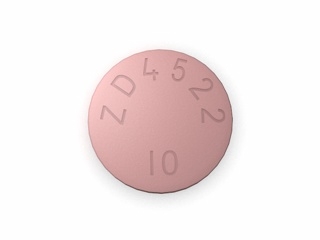
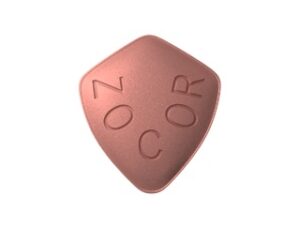
Crestor (Rosuvastatin) – Patient-Friendly Medicine Information (Australia)
Crestor is a brand of rosuvastatin, a medicine used to improve blood cholesterol levels and reduce the risk of certain cardiovascular events. This guide is written to help you understand how Crestor works, how it is typically used, what to expect, and what safety considerations matter in everyday life. Always follow your prescriber’s instructions and the instructions on your medicine label.
Quick overview
- Active ingredient: Rosuvastatin
- Medicine group: Statin (HMG‑CoA reductase inhibitor)
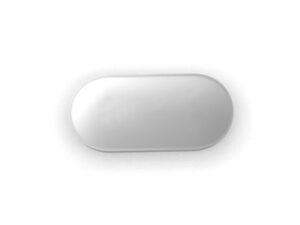
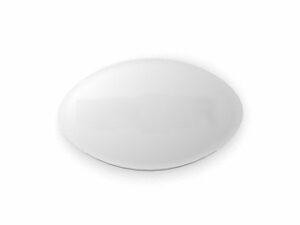
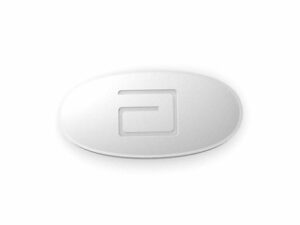
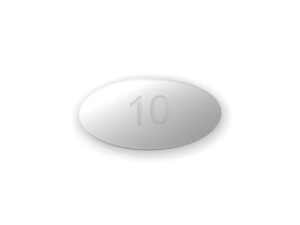
- Common strengths: Usually available in tablet strengths such as 5 mg, 10 mg, 20 mg, and 40 mg (availability may vary)
- What it’s used for: Lowering LDL (“bad”) cholesterol and triglycerides, raising HDL (“good”) cholesterol
- Why it’s used: To reduce cardiovascular risk in people with high cholesterol and/or established heart disease
- Typical schedule: Once daily (same time each day often helps)
Basic product information
Crestor contains rosuvastatin, which works by reducing cholesterol production in the liver and improving cholesterol clearance from the blood. It is commonly used long-term as part of a broader approach that includes diet, exercise, and controlling other risk factors (such as blood pressure, diabetes, smoking, and weight).
How Crestor may be supplied
In Australia, statins are supplied through community pharmacies. Your specific product strength and pack size may vary depending on local supply and pharmacy dispensing practices.
How Crestor works (mechanism of action)
Rosuvastatin belongs to the statin class of medicines. It works by inhibiting an enzyme in the liver called HMG‑CoA reductase. This reduces the liver’s cholesterol synthesis and leads to:
- Lower LDL cholesterol: Increased number of LDL receptors on liver cells helps remove LDL from the bloodstream.
- Lower triglycerides: Through multiple pathways affecting lipid metabolism.
- Modest rise in HDL cholesterol: Usually less pronounced than the LDL reduction.
- Stabilisation of blood vessels: Statins also have “pleiotropic” effects that may reduce inflammation and improve endothelial function.
Pharmacokinetics (how the body handles rosuvastatin)
Understanding pharmacokinetics can help explain timing and interactions. Key points about rosuvastatin include:
- Absorption: Rosuvastatin is absorbed after an oral dose. Food generally does not significantly reduce effectiveness, but meals may influence absorption slightly.
- Distribution: It is distributed into tissues, with a strong effect at the liver where cholesterol synthesis occurs.
- Metabolism: Rosuvastatin is partially metabolised, involving pathways that may be affected by certain medicines.
- Elimination: It is removed from the body through multiple routes, including biliary excretion (via the liver) and renal pathways.
- Half-life: Provides a basis for once-daily dosing in most people.
Individual response can vary due to genetics, age, kidney function, liver health, and interacting medications. Your healthcare team may adjust dose based on cholesterol targets and tolerability.
Typical uses in Australia
Crestor is used to treat cholesterol disorders and to reduce cardiovascular risk. Common indications include:
Indications (what it may be used for)
- Primary hypercholesterolaemia: High LDL cholesterol in people who need lipid-lowering therapy.
- Mixed dyslipidaemia: Elevated LDL and triglycerides, and/or reduced HDL.
- Familial hypercholesterolaemia: Inherited high cholesterol (including heterozygous and sometimes other types, depending on clinical assessment).
- Cardiovascular risk reduction: In people at higher risk of heart attack, stroke, or related events—especially with established cardiovascular disease.
Your doctor may also recommend Crestor when overall cardiovascular risk is high even if cholesterol levels are only moderately elevated. Decisions are typically based on guidelines, overall risk factors, and your health history.
When to take Crestor (timing and dose routine)
Many people take rosuvastatin once daily. The exact timing can depend on the specific prescription plan, but practical guidance is:
- Consistency helps: Take it at about the same time each day.
- Day or night: Statins like rosuvastatin can usually be taken any time of day. If your schedule is flexible, choose a time that you can maintain.
- If you miss a dose: Take it when you remember unless it’s close to the next dose. If it’s nearly time for the next dose, skip the missed dose—don’t double up.
Food interactions
Food is generally not a major issue with rosuvastatin. Most people can take Crestor with or without food. However, follow your specific product directions and the advice of your healthcare professional.
For best tolerability, many people take it with a meal or at a consistent time when they’re less likely to forget. If you notice stomach upset, that can be discussed with your pharmacist or doctor to refine your routine.
Alcohol and medicine interactions
Alcohol
Moderate alcohol use may be acceptable for many people, but alcohol can affect the liver. Because statins are processed by the body and can affect liver-related blood tests, it’s wise to be cautious if you:
- Have a history of liver disease or abnormal liver function tests
- Drink alcohol heavily
- Are taking other medicines that can affect the liver
If you’re unsure about what “safe” means for your situation, ask your pharmacist or doctor.
Medicine interactions (important)
Some medicines can increase rosuvastatin levels and raise the risk of side effects such as muscle problems. Always tell your healthcare team about all medicines you take, including:
- Prescription and over-the-counter medicines
- Herbal supplements (for example, certain products marketed for cholesterol, weight loss, or immunity)
- Vitamins and minerals
- Occasional pain medicines and antibiotics
Common categories of interacting medicines may include:
- Certain antibiotics and antifungals (some agents can increase statin concentrations)
- HIV medicines (some combinations can alter rosuvastatin exposure)
- Immunosuppressants used after organ transplant (may raise risk of muscle-related side effects)
- Other lipid medicines such as fibrates (e.g., gemfibrozil, fenofibrate) and high-dose niacin—combination therapy may require careful monitoring
- Antacids: some formulations can reduce absorption if taken at the wrong time; spacing may be advised
- Cholestyramine or bile acid sequestrants: may require timing separation
Your pharmacist can check interactions for your exact medication list. Do not start, stop, or change doses of any medicine without medical advice.
Dosing (how Crestor is commonly prescribed)
Dosing is individual and depends on your cholesterol levels, cardiovascular risk, age, kidney function, liver health, and potential interacting medicines. Dose adjustments may also occur based on how you respond to treatment and whether you experience side effects.
Typical starting and maintenance approach
Many people start at a lower dose and may be titrated upward to reach treatment targets. Some people at higher risk may start with a stronger regimen, but this should be guided by clinical assessment.
Important: The information below describes general patterns of use. Your exact dose should be confirmed from your prescription label and/or your healthcare plan.
| Strength (mg) | Typical role | How often |
|---|---|---|
| 5 mg | Often used as a starting dose or for people needing cautious initiation | Once daily |
| 10 mg | Common intermediate dosing for LDL-lowering | Once daily |
| 20 mg | Moderate-to-strong LDL reduction in many patients | Once daily |
| 40 mg | Higher-intensity regimens in selected patients under close monitoring | Once daily |
Kidney and liver considerations
People with reduced kidney function may require a lower starting dose and closer monitoring. Similarly, dose adjustments may be needed if there is significant liver impairment. Your clinician may order blood tests to guide safe use.
Effectiveness: what to expect and when
Cholesterol improvement usually begins within days, with more noticeable effects over the first few weeks. Clinicians often check lipid levels after a reasonable period to evaluate response and decide whether dose adjustments are needed.
- Early changes: May see some reduction within 1–2 weeks
- Maximal effect: Commonly achieved by about 4–6 weeks (individuals vary)
- Ongoing monitoring: Continued treatment and periodic blood tests may be recommended
Safety profile and possible side effects
Most people tolerate Crestor well. Like all medicines, it can cause side effects. Many side effects are mild and temporary, but some symptoms require prompt medical attention—particularly muscle-related symptoms or signs of liver problems.
Common side effects (may occur)
- Headache
- Stomach discomfort, nausea, or constipation
- Muscle aches or mild muscle soreness (not always serious)
Serious side effects (seek medical advice urgently)
- Muscle injury (myopathy/rhabdomyolysis): Call your healthcare professional urgently if you experience: severe muscle pain, muscle weakness, or muscle tenderness, especially with fever or feeling very unwell.
- Liver issues: Seek medical advice if you develop yellowing of the skin/eyes (jaundice), dark urine, unusual tiredness, persistent nausea/vomiting, or right upper abdominal pain.
- Allergic reactions: Seek urgent care if you have swelling of the face/lips, trouble breathing, or widespread rash.
Monitoring and blood tests
Clinicians may perform blood tests to monitor liver enzymes and cholesterol response. They may also check additional markers if you develop symptoms that suggest muscle or liver issues.
Practical use tips (getting the most benefit safely)
- Make it routine: Take Crestor at the same time each day and link it to a habit (for example, after breakfast or at bedtime).
- Don’t stop if you feel fine: Statins work over time to reduce risk. Stopping can increase cardiovascular risk.
- Stay lifestyle-focused: Dietary changes, physical activity, and weight management help the medicine work better.
- Know “red flag” symptoms: Severe muscle pain/weakness or signs of liver issues should be treated as urgent.
- Check before adding new products: Ask your pharmacist before starting supplements or “natural” cholesterol products.
- Keep a medicine list: Include prescription, over-the-counter, and supplements to help prevent interaction problems.
Alternative options to Crestor
If Crestor is not suitable (for example, due to side effects, interactions, or not reaching cholesterol targets), clinicians may consider other lipid-lowering approaches. Alternatives include:
Other statins
- Atorvastatin
- Simvastatin
- Pravastatin
- Pitavastatin (where available)
Non-statin options
- Ezetimibe: Reduces cholesterol absorption in the intestine
- Bile acid sequestrants: Bind bile acids in the gut (often require careful timing with other medicines)
- Fibrates: Particularly for high triglycerides (may increase muscle risk when combined with some statins, depending on the regimen)
- PCSK9 inhibitors: Injectable options for selected higher-risk patients
- Other targeted therapies: Depending on the lipid disorder and local availability
The best alternative depends on your cholesterol pattern (LDL vs triglycerides), medical history, and what medicines you are already taking. Discuss options with your pharmacist or doctor.
Market and legal context in Australia (high-level)
In Australia, medicines like Crestor are subject to the Australian Register of Therapeutic Goods (ARTG) and are regulated under the Therapeutic Goods framework. Statins are widely used, with prescribing and supply processes aimed at safe and appropriate use.
Australian clinical practice generally follows evidence-based lipid management guidelines and considers individual cardiovascular risk. Blood tests and monitoring are commonly used to ensure the medicine is effective and well tolerated.
Recent guidance and current best-practice themes
Over recent years, general themes in lipid management have included:
- Risk-based decision-making: Choosing intensity of lipid lowering based on overall cardiovascular risk.
- Use of statins as first-line therapy for many patients: With dose adjustments to reach targets or achieve clinically meaningful LDL reductions.
- Attention to drug–drug interactions: Particularly for patients taking interacting antibiotics, antifungals, or medicines affecting statin metabolism.
- Monitoring for muscle symptoms: Prompt assessment if symptoms suggest statin-associated muscle effects.
- Shared decision-making: Considering benefits, risks, comorbidities (such as kidney disease), and patient preferences.
Guidance and recommendations can evolve; your healthcare professional can provide the most up-to-date advice for your situation.
Delivery and availability
Availability and delivery options can vary between pharmacies. Common practical points for online pharmacy orders include:
- Stock availability: Some strengths may be more commonly stocked than others.
- Dispensing timeframe: Orders may require processing time before shipping.
- Delivery estimates: Shipping speed depends on your location and the pharmacy’s courier service.
- Cold chain: Rosuvastatin tablets do not typically require refrigeration.
When placing an order, confirm the product strength, quantity, and delivery address details. If you have questions about whether a particular strength is in stock, contact the pharmacy before ordering.
FAQ (Frequently asked questions)
1) Is Crestor the same as rosuvastatin?
Yes. Crestor is a brand name; the active medicine inside is rosuvastatin.
2) Can I take Crestor with food?
Usually yes. Rosuvastatin can generally be taken with or without food. Taking it with food may improve tolerability if you experience stomach discomfort.
3) What time of day is best to take it?
Many people take it once daily at a consistent time. There is typically no strict requirement for morning versus night, but your routine matters most.
4) What should I do if I miss a dose?
If you remember later, take the missed dose if it’s not close to the next scheduled dose. If it’s near the next dose, skip the missed dose and continue your normal schedule. Do not double the dose.
5) Will Crestor affect my liver?
Statins can raise liver enzymes in some people, and liver monitoring may be recommended. Serious liver-related symptoms are uncommon, but seek medical advice promptly if you develop signs such as jaundice or dark urine.
6) Are muscle pains normal on statins?
Mild muscle aches can occur. However, severe muscle pain, weakness, or tenderness—especially if accompanied by fever or feeling unwell—should be assessed urgently.
7) Can I drink alcohol while taking Crestor?
Many people can drink in moderation, but caution is sensible—especially with heavy alcohol intake or existing liver problems. If you’re unsure, ask your pharmacist or doctor about what’s appropriate for you.
8) What interactions should I be most careful about?
Interactions can occur with some antibiotics/antifungals, HIV medicines, immunosuppressants, fibrates, and other lipid therapies. Always check before starting new medicines or supplements.
9) How long does it take to work?
Some effect may begin within days, with more meaningful changes commonly visible over several weeks. Your clinician may repeat lipid tests to confirm response.
10) What if Crestor doesn’t lower my cholesterol enough?
Your clinician may adjust the dose, review adherence, assess lifestyle factors, and check for interactions. In some cases, adding or switching to other lipid-lowering treatments may be considered.
Summary
Crestor (rosuvastatin) is a statin medicine used to lower LDL cholesterol and reduce cardiovascular risk. It works by reducing cholesterol production in the liver and improving the liver’s ability to remove LDL from the blood. Rosuvastatin is typically taken once daily, with food generally not significantly affecting use. As with all statins, it’s important to be aware of potential side effects—particularly muscle symptoms and signs of liver problems—and to discuss any interacting medicines or supplements with a healthcare professional.
This information is intended to be general. If you have specific concerns about your health condition, medicines, kidney or liver function, or side effects, speak with your pharmacist or doctor for personalised advice.