Ursodiol (Ursodeoxycholic Acid) — Patient Information for Australia
Ursodiol (also known as ursodeoxycholic acid or UDCA) is a medicine used to improve certain bile-related conditions. It works by changing the composition and behaviour of bile, which can help reduce the damaging effects of bile chemistry and, in some situations, dissolve cholesterol gallstones.
This guide is written to be patient-friendly and Australia-focused. It explains how ursodiol works, how it’s typically taken, what to watch for, and common questions about safety and interactions.
Basic product information
- Active ingredient: Ursodeoxycholic acid (UDCA)
- Brand examples: Availability varies by manufacturer and supplier
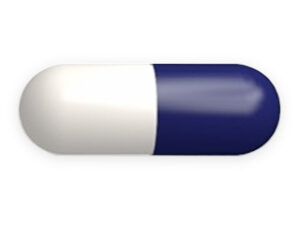
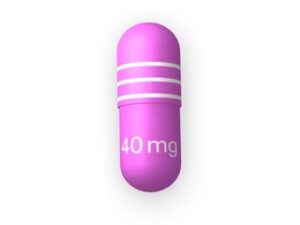
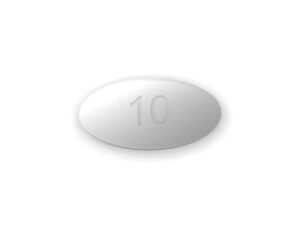
- Common form: Oral capsules or tablets (strengths vary)
- How it’s supplied: Product availability and formulations may differ across Australian pharmacies
- Storage: Follow label instructions (usually room temperature, protected from moisture)
Important: Always check your specific pack for strength and dosing directions, as they can vary depending on the condition being treated.
How ursodiol works (mechanism of action)
Ursodiol is a naturally occurring bile acid that has been used medically for decades. In people with bile flow problems or abnormal bile composition, UDCA helps by:
- Improving bile composition: It replaces more harmful bile acids in the bile, resulting in a less irritating bile environment.
- Reducing bile toxicity: By shifting the bile acid pool, UDCA can lower the amount of bile acids that may injure liver cells and biliary lining.
- Promoting bile flow (choleretic effect): It may help stimulate or improve the flow of bile.
- Dissolving cholesterol gallstones (in selected cases): It helps reduce cholesterol saturation in bile and can gradually dissolve some types of gallstones over time.
The effect you notice may depend on the condition, the size/type of gallstones (if applicable), and how long treatment is continued.
Pharmacokinetics (how the body handles ursodiol)
Pharmacokinetics describe how ursodiol is absorbed, distributed, metabolised, and eliminated.
- Absorption: UDCA is absorbed in the small intestine. Uptake can be influenced by bile flow and the presence of fat in the diet.
- Distribution: It circulates and becomes part of the bile acid pool.
- Metabolism: UDCA undergoes metabolism in the liver and intestines, including conversion by gut bacteria.
- Elimination: Most drug-related bile acids are excreted in bile and leave the body via the digestive tract; only small amounts are eliminated in urine.
Because UDCA acts on bile and involves enterohepatic circulation (recycling through liver and gut), consistent daily use is important for therapeutic benefit.
Typical uses (indications)
Ursodiol is used for specific bile-related conditions. The exact indication depends on your diagnosis and clinical findings.
1) Gallstones
- Dissolution of selected cholesterol gallstones when surgery is not suitable or is delayed, under appropriate clinical criteria.
2) Liver and bile duct disorders
- Primary biliary cholangitis (PBC) (commonly the best-established indication for UDCA in chronic bile duct disease).
- Other cholestatic (bile flow–related) liver conditions may be considered by clinicians based on individual assessment.
Your prescriber (or specialist) typically decides whether ursodiol is appropriate based on tests such as liver function tests, imaging, and the underlying disease pattern.
Dosing — general guidance
Doses vary by condition, your weight (for some indications), kidney/liver status, and the specific product strength. Always follow the instructions on your pack or the guidance provided by your healthcare professional.
| Condition (examples) | Typical dosing approach | Notes |
|---|---|---|
| Primary biliary cholangitis (PBC) | Often based on total daily dose calculated from body weight, given in divided doses | Your clinician will tailor the dose to your response and tolerance. |
| Cholesterol gallstones | Usually a daily dose taken with meals; duration is often long | Not all gallstones respond. Typical success depends on size, composition, and number. |
| Other bile-related conditions | Condition-specific dosing | Follow your treatment plan for timing and dose changes. |
Divided dosing: Many regimens use split dosing (e.g., morning and evening). This can help maintain bile acid levels and improve tolerance.
If you miss a dose: Take it when you remember unless it’s close to the next dose. Do not take a double dose to make up for a missed tablet/capsule.
Timing — when to take ursodiol
For many patients, timing advice is designed to optimise absorption and reduce stomach upset.
- Take regularly: Try to take ursodiol at the same times each day.
- With food: Many regimens recommend taking with meals (or after meals) to support absorption.
- Split doses: If prescribed twice daily, take one dose with morning food and the other with evening food.
- Consistency matters: Bile-related conditions often require ongoing therapy; benefits may take weeks to months.
If your product leaflet provides a specific instruction (for example, “take with meals”), follow that advice.
Food interactions and diet considerations
UDCA is a bile acid. Because of this, food can influence how it’s absorbed and tolerated.
What to consider
- Take with meals: This is commonly recommended to improve absorption and reduce gastrointestinal discomfort.
- Fat intake: A normal diet is usually appropriate. If you have dietary restrictions for liver or gallbladder disease, follow your healthcare professional’s advice.
- Gastrointestinal tolerance: Some people may experience mild nausea, stomach discomfort, or loose stools—taking with food may help.
There are no “banned foods” for ursodiol in general; however, your clinician may advise specific dietary strategies depending on your underlying condition.
Alcohol interactions
Alcohol can affect the liver and may worsen symptoms or liver test results in some liver conditions. Because ursodiol is commonly used for chronic bile-related liver diseases, it’s generally wise to minimise alcohol.
- Safer approach: Discuss alcohol use with your healthcare professional if you have liver disease.
- Higher risk scenarios: If you have cirrhosis, elevated liver enzymes, or active inflammation, alcohol may be particularly problematic.
- Practical tip: If you choose to drink, do so sparingly and only if your clinician has not advised avoiding alcohol completely.
If you notice increased tiredness, worsening right upper abdominal discomfort, jaundice, or changes in stool/urine colour after alcohol, seek medical advice.
Medicine interactions — important examples
Interactions can alter how ursodiol works or how other medicines work. Always review your full medication list (including vitamins, herbal products, and over-the-counter medicines).
Medicines that can reduce UDCA absorption
- Bile acid sequestrants (examples include certain cholesterol-lowering resins) can bind bile acids in the gut and may reduce ursodiol effect.
- Practical solution: If you take a bile acid binder, your clinician may recommend spacing it several hours away from ursodiol.
Cholesterol-lowering medicines
- Some cholesterol medicines can affect bile acid handling; discuss your regimen if you’re using lipid-lowering therapies.
Other liver-related medicines
- If you take medications that affect the liver (including certain antibiotics, antifungals, anti-seizure medicines, or long-term paracetamol/other pain strategies), you may need monitoring.
Herbal and complementary products
- Some herbal products may affect liver function. It’s best to tell your pharmacist about anything “natural” you’re taking.
Tell your pharmacist if you’re using:
- cholestyramine or colestipol (if applicable)
- any bile acid–binding products
- cholesterol-lowering agents
- multiple liver-metabolised medicines
Safety profile — what to expect
Like all medicines, ursodiol can cause side effects. Many patients experience mild effects, especially early in treatment.
Common or expected side effects
- Stomach upset (nausea, abdominal discomfort)
- Loose stools or diarrhoea
- Constipation (less commonly)
Less common side effects
- Rash or itching
- Headache
Seek urgent medical advice if
- Signs of allergy such as swelling of the face/lips, breathing difficulty, or widespread hives
- Severe abdominal pain or fever (especially if you have gallstones)
- Worsening jaundice or dark urine with significant new symptoms
- Persistent vomiting or severe diarrhoea leading to dehydration
If you experience side effects, don’t stop the medicine without advice—contact your pharmacist or clinician for guidance. Dose adjustment may be possible for some people.
Practical use tips (how to take ursodiol successfully)
- Use a daily routine: Choose times you can consistently remember (e.g., after breakfast and after dinner).
- Take with food: If your instructions allow, taking with meals can reduce nausea and improve absorption.
- Keep track of dose changes: If your dose is adjusted based on tests, write down the date and new schedule.
- Attend monitoring: Liver function tests are commonly monitored for conditions like PBC to assess response.
- Hydration: If you get loose stools, ensure adequate fluids and discuss persistent symptoms with your pharmacist.
- Avoid missed doses: Missing doses can reduce effectiveness for bile-related disease control.
How long does it take to work?
Timing of benefits depends on the indication:
- PBC and chronic cholestatic conditions: Improvements may be seen over weeks to months, with ongoing assessment through blood tests.
- Gallstone dissolution: This is typically a slow process. If treatment is appropriate, it may take many months, and not all gallstones will dissolve.
If you don’t see improvement, it may be related to diagnosis accuracy, gallstone characteristics, dose, adherence, or disease severity—so it’s important to review the plan with a healthcare professional rather than stopping abruptly.
Alternative options
“Alternative” depends on the condition being treated. Below are examples of other approaches that clinicians may consider.
For primary biliary cholangitis (PBC)
- Other bile acid or adjunct therapies may be considered if there is an incomplete response to UDCA.
- Symptom management for itch or vitamin deficiencies may be required alongside bile-directed therapy.
For gallstones
- Surgical or endoscopic approaches may be recommended for some gallstone types or if complications occur.
- Observation and symptom control may be appropriate in selected low-risk cases.
Always ask your pharmacist or clinician what alternatives apply to your specific diagnosis. Switching medicines without medical input can affect disease control.
Market and legal context for Australia
Medicine availability and regulatory status can change over time. In Australia, medicines are supplied under the national regulatory framework overseen by the Therapeutic Goods Administration (TGA).
- Supply category: Ursodiol products may be classified differently depending on brand, strength, and formulation.
- Pharmacy sourcing: Online pharmacies operating legally in Australia typically require appropriate customer verification processes for the medicine category.
- Quality standards: Products supplied through legitimate channels are expected to meet Australian regulatory requirements for quality, safety, and efficacy.
For the most accurate and current information about your specific product, check the product page details and consult your pharmacist.
Recent guidance and monitoring (general)
Clinical practice evolves as new research becomes available. For bile-related liver conditions, ongoing guidance generally emphasises:
- Regular monitoring of liver function tests (and sometimes additional markers) to assess response and complications.
- Confirming diagnosis and disease phenotype (particularly for PBC and other cholestatic conditions).
- Adherence to long-term therapy when UDCA is indicated.
- Managing associated issues such as fat-soluble vitamin deficiencies, bone health, and symptoms like pruritus (itch), as appropriate.
If you have follow-up appointments, bring your medication list so your clinician can correlate test results with your dosing and any side effects.
Delivery and availability in Australia
Availability depends on the specific ursodiol brand and strength. Legitimate online pharmacies in Australia typically offer:
- Product listings showing strength and dosage form
- Dispatch options that vary by location (metro vs regional)
- Tracking where available
- Packaging designed to protect tablets/capsules and maintain storage conditions
Tip: If you’re due to start or continue treatment, consider ordering early to avoid gaps. If you travel or have seasonal timing constraints, plan ahead based on estimated delivery times shown at checkout.
FAQ — common questions about ursodiol
1) What is ursodiol used for?
Ursodiol (UDCA) is used for certain bile-related conditions, including primary biliary cholangitis (PBC) and, in selected cases, dissolution of cholesterol gallstones. The suitability depends on your diagnosis and individual factors.
2) How do I take ursodiol?
Follow the dosing instructions on your product label or the guidance provided by your healthcare professional. Many regimens recommend taking ursodiol with meals and splitting the dose if you’re told to take it twice daily.
3) When will I feel better?
Improvement may take time. For chronic conditions like PBC, response is often assessed over weeks to months through blood tests and symptom changes. Gallstone dissolution, when it’s appropriate, is gradual and may require many months.
4) Can I take ursodiol with food?
Usually yes, and taking it with meals is commonly recommended to support absorption and reduce gastrointestinal side effects. Check your specific product’s instructions.
5) Are there alcohol restrictions?
Alcohol may worsen underlying liver conditions. It’s best to discuss alcohol with your clinician, particularly if you have liver disease or abnormal liver tests. Minimising or avoiding alcohol may be advised.
6) What medicines might interact with ursodiol?
Medicines that bind bile acids in the gut (such as bile acid sequestrants) can reduce UDCA’s effectiveness. Other liver-metabolised medicines may also require monitoring. Tell your pharmacist about all medicines, including supplements.
7) What side effects should I watch for?
Common side effects include stomach upset and loose stools. Seek urgent medical advice for signs of allergy, severe pain, severe diarrhoea/vomiting, or significant worsening jaundice.
8) What if I miss a dose?
Take it when you remember unless it’s close to the next dose. Don’t take a double dose. If you’re unsure, ask your pharmacist for advice.
9) Can I stop ursodiol when I feel fine?
For chronic bile-related conditions, stopping can cause symptoms and blood test results to worsen. For gallstones, stopping may halt dissolution. Always discuss changes to your therapy with a healthcare professional.
10) Is ursodiol available all year?
Stock levels can vary by supplier and formulation. Online pharmacy listings will typically show current availability and delivery estimates for Australia.
Summary
Ursodiol (ursodeoxycholic acid) is an oral bile-acid medicine used to treat specific bile-related conditions such as primary biliary cholangitis and, in selected cases, cholesterol gallstones. It works by improving bile composition and supporting bile flow. For best results, take it consistently (often with meals) and follow monitoring recommendations for your condition. As with all medicines, review interactions—especially with medicines that bind bile acids—and seek medical advice if you develop concerning symptoms.