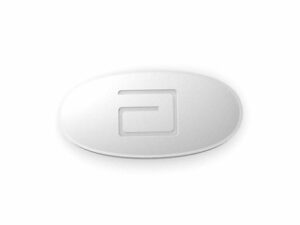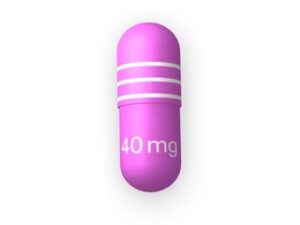


Urso (Ursodiol) — Patient-Friendly Guide (Australia)
Urso contains ursodiol (also known as ursodeoxycholic acid, or UDCA). It is used to treat certain liver and bile duct conditions, and in some situations to dissolve specific types of gallstones. This guide explains how Urso works, how it’s typically taken, key safety information, interactions, and what to expect.
Quick Product Information
| Item | Details |
|---|---|
| Active ingredient | Ursodiol (ursodeoxycholic acid, UDCA) |
| Common uses | Primary biliary cholangitis (PBC) and certain types of cholesterol gallstones |
| How it works | Helps improve bile flow and reduces bile acid toxicity |
| Typical schedule | Often taken once or divided doses daily, depending on the condition |
| Availability | Pharmacy supply in Australia may vary by brand and strength |
What is Urso?
Urso is a medicine formulated for oral use. Ursodiol is a naturally occurring bile acid found in smaller amounts in humans. When taken as a medicine, it changes the composition and behaviour of bile acids, which can help reduce irritation and improve the way bile moves through the liver and biliary system.
How Ursodiol Works (Mechanism of Action)
Urso works mainly through effects on bile and liver cells. In simplified terms, it:
- Increases bile flow (improves “choleresis” and bile drainage)
- Reduces the harmful effects of more toxic bile acids on liver and bile ducts
- Changes bile acid composition to a less toxic profile
- May help dissolve certain gallstones by reducing cholesterol saturation in bile
- Supports cell protection by reducing bile-acid–induced damage and inflammation
The result is improved bile chemistry and, in some conditions, gradual improvement in liver-related symptoms and blood test markers.
Pharmacokinetics (How the Body Handles It)
Pharmacokinetics describes what the body does to a medicine—absorption, distribution, metabolism, and elimination. While individual experiences vary, the key concepts for ursodiol are:
- Absorption: Ursodiol is absorbed in the small intestine. Absorption can be variable and may improve when taken with food.
- Transport in the body: It circulates and is handled by the liver, then returns to bile through normal bile pathways.
- Metabolism: It undergoes processing in the liver and gut by bile and bacterial activity, resulting in secondary bile acid forms.
- Excretion: A major portion is eliminated through the bile into the digestive tract; a smaller fraction leaves the body via urine.
- Onset: Effects on blood tests and bile chemistry typically take weeks to months. Gallstone dissolution (when used) can take much longer.
Typical Use in Australia
In Australia, ursodiol is commonly used for two broad areas:
- Primary biliary cholangitis (PBC): Used to help improve liver tests and delay progression for eligible patients.
- Cholesterol gallstones: Used in carefully selected cases where stones meet certain criteria and the gallbladder can still function.
Your clinician will decide whether Urso is appropriate based on your diagnosis, imaging results, blood test patterns, and overall health.
Indications (When Urso is Used)
Indications may vary with local prescribing information and patient factors. Common recognised indications include:
- Primary biliary cholangitis (PBC): Often used long-term to improve biochemical markers and support liver health.
- Gallstone dissolution: For some patients with radiolucent (cholesterol) gallstones in a functioning gallbladder, where surgery is not suitable or is deferred.
- Other bile-related conditions: In some settings, ursodiol may be considered for specific cholestatic disorders under medical supervision.
How to Take Urso (Timing & Administration)
Follow the dosing schedule provided by your healthcare professional or the directions on your product label. Below are general principles that apply to many ursodiol regimens.
General timing guidance
- Take with food if advised. Food can improve bile circulation and may improve ursodiol’s effects.
- Consistency matters: Try to take your doses at similar times each day.
- Swallow whole: If tablets/capsules must not be crushed, do not alter the form unless your pharmacist confirms it is safe.
Typical dosing patterns (general examples)
Exact dosing depends on the condition and your individual response. Common patterns include:
- PBC: Often taken once or divided over the day based on total daily dose.
- Gallstones: Usually taken daily, sometimes divided, with long-term use required for dissolution.
Important: Dosing is often calculated using body weight for some liver conditions. Only use an exact dose if it matches your clinician’s plan.
Dosing Overview (What Patients Often Ask)
Because strength and dosing schedules can differ by product and indication, the table below provides a general overview of how dosing is commonly approached. Your specific dose should be confirmed from your label or healthcare professional.
| Condition | Common approach | Typical duration |
|---|---|---|
| Primary biliary cholangitis (PBC) | Daily dose often divided or taken once, depending on total prescribed amount | Long-term; ongoing monitoring is routine |
| Cholesterol gallstones | Daily oral dosing with gradual evaluation by imaging if dissolution is being attempted | Months to longer; not all stones dissolve |
Food Interactions & Absorption Tips
Food can affect how well medicines work. With ursodiol:
- Taking with meals may help—many patients are advised to take it with food.
- Maintain consistent meal timing to reduce day-to-day variability.
If you have digestive conditions (e.g., malabsorption disorders) or you change your diet significantly, discuss it with your clinician.
Alcohol and Ursodiol (Interactions & Cautions)
Alcohol can harm the liver and can worsen certain liver-related symptoms. If you take Urso for a cholestatic or liver condition, it’s especially important to be cautious with alcohol intake.
- Best approach: Ask your clinician what level of alcohol (if any) is safe for your specific liver status.
- Extra caution: Avoid binge drinking.
- Monitor symptoms: Worsening fatigue, itching, abdominal pain, dark urine, or jaundice should be discussed promptly.
While ursodiol itself is not typically described as directly interacting with alcohol in a strict pharmacological sense, the overall combination can still be risky because of the liver condition being treated.
Medicine Interactions (What to Tell Your Pharmacist)
Several medicine classes may affect ursodiol or bile acid circulation. Tell your pharmacist about everything you take, including over-the-counter products and herbal supplements.
Common interaction themes
- Bile acid binding resins: Medicines that bind bile acids (e.g., some cholesterol-lowering resins) may reduce absorption or effectiveness of ursodiol. These are often separated by dosing time.
- Cholesterol-lowering medicines: Some can affect bile acid handling. Ask before combining.
- Medicines affecting the liver: If you take other hepatically metabolised medicines, your liver tests may require closer monitoring.
Practical advice for managing interactions
- Keep a medication list (include dose and timing).
- Do not stop other medicines unless your clinician advises.
- Ask about spacing: If an interaction is possible, your pharmacist may recommend separating doses by hours.
If you have questions about a specific medicine (including vitamins at high doses or supplements), contact your pharmacist or clinician for tailored guidance.
Safety Profile (Side Effects & When to Seek Help)
Like all medicines, ursodiol can cause side effects. Many people tolerate it well, but you should know what to watch for.
Common side effects
- Diarrhoea or looser stools
- Abdominal discomfort, bloating, or nausea
- Mild itching may occur in some liver conditions, though symptoms can also fluctuate due to the underlying disease
Less common but important concerns
- Worsening liver symptoms (e.g., increased jaundice, dark urine, pale stools)
- Allergic reactions such as rash, swelling, or breathing difficulty
Seek urgent medical help if
- You develop swelling of the face/lips, difficulty breathing, or severe rash
- You notice rapid worsening jaundice, severe right upper belly pain, persistent vomiting, or signs of significant illness
Monitoring
If you’re taking Urso for liver-related conditions, clinicians often monitor:
- Liver function tests (e.g., ALT/AST, alkaline phosphatase, bilirubin)
- Symptom changes (itching, fatigue)
- Imaging results if treating gallstones
Practical Use Tips for Better Results
- Take it regularly: Ursodiol is usually most effective when taken consistently.
- Don’t miss doses: If you miss a dose, take it when you remember unless it’s close to the next dose. Avoid doubling up.
- Use a pill organiser: Helpful if you take multiple medications.
- Track symptoms: Note changes in itching, fatigue, stool colour, and any abdominal pain.
- Keep follow-up appointments: Routine blood tests are important for assessing response.
- Tell your clinician about vomiting/diarrhoea: Severe diarrhoea can reduce comfort and potentially impact absorption.
Alternative Options (Discuss With Your Doctor)
The “best” alternative depends on whether Urso is being used for PBC, gallstones, or another bile-related condition. Some common categories of alternatives include:
- Other liver-targeted therapies (for some cholestatic liver diseases), selected based on diagnosis and treatment goals.
- Gallstone treatment options:
- Surgery (e.g., cholecystectomy) for symptomatic or complicated gallstones
- Other non-surgical approaches in selected circumstances
- Supportive care for symptom relief (e.g., treatment strategies for itching in cholestasis)
Do not change therapy without medical advice. If you’ve been prescribed Urso, it’s important to understand the reason you’re taking it and the expected timeline for response.
Recent Guidance & Treatment Approach (General Overview)
Treatment recommendations for bile-duct and liver conditions may evolve as clinical evidence develops. In Australia, clinicians often follow evidence-based specialist guidance and update decisions based on:
- Diagnosis specifics (for example, confirming PBC and assessing disease stage)
- Biochemical response to initial therapy over time
- Symptom burden (fatigue, pruritus)
- Imaging and risk assessment (particularly for gallstones)
If you have questions about whether Urso is still the best option for your situation, ask your treating specialist at your next review.
Delivery and Availability in Australia
Availability of Urso can vary by brand and strength. Online pharmacies may supply medicines depending on regulatory requirements, stock levels, and the product form listed. For reliable delivery:
- Check stock status before ordering.
- Confirm the strength and form (e.g., tablet/capsule) matches your current medicine.
- Allow for delivery time—delivery estimates may vary by location.
- Storage: Store tablets/capsules as directed on the pack (typically at room temperature, away from moisture and direct heat).
If you need urgent supply, contact the pharmacy to discuss dispatch times. Always ensure you have enough to avoid running out between deliveries, particularly for long-term treatment.
Market & Legal Context for Australia (What This Means for You)
In Australia, medicines are regulated through the Therapeutic Goods Administration (TGA), and supply is subject to national pharmacy and medicines rules. Urso/ursodiol products may be supplied under specific categories and conditions depending on formulation and current listing status.
- Quality and safety: Products supplied through legitimate Australian channels must meet TGA requirements.
- Appropriate use: Your medicine should be used for its intended indication and at the prescribed or labelled dose.
- Consultation: Pharmacists can provide medication counselling and help check interactions.
If you’re unsure about whether Urso is appropriate for you, speak with a healthcare professional or pharmacist.
FAQ
1) What is Urso used for?
Urso (ursodiol) is commonly used for primary biliary cholangitis (PBC) and, for selected patients, to help dissolve certain cholesterol gallstones. The exact use depends on your diagnosis and test results.
2) How long does it take to work?
For liver conditions, improvements in blood tests and symptoms can take weeks to months. For gallstones, dissolution—if it occurs—can take months or longer, and not all stones will dissolve.
3) Should I take Urso with food?
Many people are advised to take ursodiol with meals. Food can support bile-related processes and may improve how the medicine works. Follow your specific instructions from your label or healthcare professional.
4) Can I drink alcohol while taking Urso?
Caution is advised because alcohol can affect the liver. Ask your clinician what is safe for you based on your liver condition and overall health. Avoid binge drinking.
5) What medicines commonly interact with Urso?
Medicines that bind bile acids (certain cholesterol-lowering resins) may reduce ursodiol effectiveness. Other liver-acting medicines may require monitoring. Always provide your full medication list to your pharmacist.
6) What side effects should I watch for?
Common effects include diarrhoea and abdominal discomfort. Seek urgent help for signs of allergy (swelling, breathing difficulty) or rapidly worsening liver symptoms such as severe jaundice or persistent vomiting.
7) What if I miss a dose?
Take it when you remember unless it’s close to your next dose. Don’t double up. If you’re unsure, ask your pharmacist for guidance.
8) Is Urso safe for long-term use?
Many patients use ursodiol long-term, particularly for PBC, under clinical monitoring. Your clinician will assess benefits versus risks and monitor blood tests.
9) Can Urso be used during pregnancy or breastfeeding?
Pregnancy and breastfeeding require individual risk-benefit assessment. Discuss Urso with your clinician if you are pregnant, planning pregnancy, or breastfeeding.
10) Are there alternatives if I can’t tolerate Urso?
Alternatives depend on why you’re taking Urso. Options may include other liver-targeted therapies and supportive treatment for symptoms. Talk with your healthcare team rather than stopping suddenly.
Important Reminder
This information is designed to help you understand Urso (ursodiol) and how it’s commonly used. It does not replace advice from your healthcare professional. If you have questions about your specific diagnosis, dosing, or interactions, speak with a pharmacist or clinician.