Lopid (Gemfibrozil) — Patient Guide (Australia)
Lopid contains the active ingredient gemfibrozil. It is a medicine used to improve certain blood fat levels, most notably high triglycerides (and in some cases low HDL cholesterol). This guide explains how Lopid works, when it’s used, how it’s taken, important safety information, and practical tips to help you use it safely.
If you have questions about whether Lopid is suitable for you, or if your results change, speak with your doctor or pharmacist. Individual treatment plans vary depending on your cholesterol and triglyceride profile, other conditions, and other medicines you take.
Basic product information
| Feature | Details |
|---|---|
| Brand name | Lopid |
| Active ingredient | Gemfibrozil |
| Medicine type | Fibrate (lipid-modifying medicine) |
| Main role | Helps lower triglycerides (and can raise HDL modestly) |
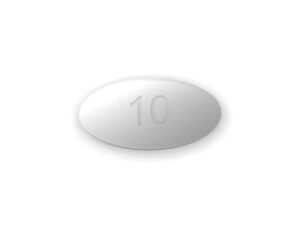
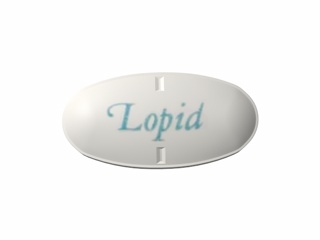
| Common forms | Oral tablets (strengths may vary by product pack) |
| Where it’s used | In people with specific lipid abnormalities, often as part of a broader risk-management plan |
How Lopid works (mechanism of action)
Gemfibrozil is part of the fibrate group. It works mainly by improving how the liver and related pathways process fats. While the full picture involves multiple steps, the main clinical effect is:
- Lowering triglycerides by reducing hepatic production of triglyceride-rich lipoproteins and enhancing clearance of triglycerides.
- Modestly increasing HDL cholesterol (often described as “good cholesterol”).
- Decreasing VLDL (very-low-density lipoprotein) levels, which carry many triglycerides through the bloodstream.
Lopid does not generally replace cholesterol-lowering strategies targeting LDL (“bad cholesterol”) where clinically relevant. In many people, lifestyle change and, if appropriate, other lipid medicines may be used depending on the overall risk profile.
Pharmacokinetics (how the body processes gemfibrozil)
“Pharmacokinetics” describes absorption, distribution, metabolism, and elimination. Understanding these basics can help explain timing, interactions, and how consistent dosing matters.
- Absorption: Gemfibrozil is absorbed after oral dosing. Taking it regularly helps maintain steady effects on lipid levels.
- Distribution: It circulates in the bloodstream and reaches target pathways involved in lipid metabolism.
- Metabolism: Gemfibrozil is metabolised in the liver.
- Elimination: The medicine and its metabolites are eliminated primarily via the kidneys and bile-related routes.
- Half-life / duration: Gemfibrozil has a duration of action that supports a typical twice-daily schedule (exact timing depends on the prescribed regimen).
Dose adjustments and additional monitoring may be needed in people with kidney or liver problems.
Indications (when Lopid is used)
Lopid is used for lipid disorders, particularly when triglycerides are elevated. Depending on the clinical situation, it may be considered to:
- Lower very high triglycerides, which can increase risk of complications such as pancreatitis when triglycerides are severely raised.
- Improve mixed dyslipidaemia in selected patients, especially when triglycerides and HDL are particularly abnormal.
Your healthcare team will consider other risk factors (such as diabetes, smoking, blood pressure, and existing cardiovascular disease) and may recommend dietary change, weight management, exercise, and alcohol reduction alongside medication.
Timing and how to take Lopid
Consistent timing is important for predictable effects and to reduce missed doses. A common regimen is twice daily, often taken before meals.
Typical timing (general guidance)
- Take your doses before breakfast and before the evening meal (or as directed by your clinician/pharmacist).
- Try to take each dose at similar times each day.
- If you miss a dose, do not double the next dose. Instead, take the next dose at the usual time. (If you’re unsure, ask your pharmacist for advice based on your regimen.)
Always follow the specific directions on the pack or provided by your healthcare professional, as regimens can vary by formulation and patient factors.
Food interactions
Food can affect how well a medicine is tolerated and absorbed. For gemfibrozil, many regimens advise taking the medicine before meals to support consistent absorption.
- Best practice: Take Lopid before meals as instructed.
- Gastrointestinal comfort: If you experience stomach upset, taking the doses as prescribed (usually before meals) may still be appropriate—however, seek advice before changing timing on your own.
In general, your lipid response will depend on adherence to both medication and lifestyle recommendations.
Alcohol and medicine interactions
Alcohol
Alcohol can increase triglycerides in many people, sometimes significantly. Because Lopid is used to treat high triglycerides, reducing alcohol intake is often a key part of treatment.
- If you have high triglycerides: consider limiting or avoiding alcohol unless your clinician has advised otherwise.
- If you drink alcohol: do so sparingly and discuss a safe level with your healthcare team.
Important medicine interactions (especially statins)
Lopid has notable drug interaction potential. Some combinations can increase the risk of serious muscle injury (including rhabdomyolysis). For that reason, certain medicines should be avoided with gemfibrozil.
- Statins (cholesterol medicines): Combining gemfibrozil with many statins can increase the risk of muscle-related side effects. Your pharmacist/doctor will typically recommend whether a combination is safe and may avoid high-risk pairings.
- Other lipid medicines: Discuss all lipid therapies with your healthcare professional.
- Blood-thinning medicines (anticoagulants): Some agents may require closer monitoring because of bleeding risk.
- Diabetes medicines: Your blood sugar may change when lipid therapy and overall health change—monitoring may be needed.
This is not an exhaustive list. Always provide a complete medication list—including prescription medicines, over-the-counter products, vitamins, herbal supplements, and “natural” remedies—to your pharmacist.
Dosing (general information)
Dosing must be individualised. The most common regimen for gemfibrozil is twice daily. Your prescriber will determine the dose based on your triglyceride levels, kidney function, liver health, and other medications.
General dosing principles
- Follow the prescribed dose exactly.
- Adjustments: People with kidney disease or liver impairment may require different dosing or additional monitoring.
- Monitoring: Lipid panels are usually checked after starting therapy to confirm response.
- Adherence: Missing doses can reduce effectiveness.
If you have been given a specific dosing schedule on your pack label, rely on that schedule rather than general descriptions.
Safety profile and side effects
Like all medicines, Lopid can cause side effects. Many people tolerate gemfibrozil well, but it’s important to know what to watch for and when to seek medical advice.
Common side effects
- Stomach or gut symptoms such as nausea, indigestion, or abdominal discomfort.
- Headache.
- Skin reactions (uncommon, but possible).
Less common but important risks
- Gallstones: Fibrates may increase the risk of gallbladder problems. Seek medical advice if you develop right upper abdominal pain, especially with fever or vomiting.
- Muscle injury: Risk of muscle pain, weakness, or cramps, particularly with certain drug combinations. Contact a clinician urgently if you develop severe muscle pain, weakness, dark urine, or fever.
- Liver issues: Rarely, abnormal liver tests may occur. Your clinician may monitor liver function.
- Blood count changes: Some laboratory abnormalities may occur and can be monitored through blood tests.
When to seek urgent medical help
- Severe muscle pain or weakness, or dark/tea-coloured urine.
- Signs of a serious allergic reaction such as facial swelling, breathing difficulties, or widespread rash.
- Severe abdominal pain (especially upper right), persistent vomiting, or signs of jaundice (yellow eyes/skin).
This guide cannot replace personalised medical assessment. If you’re worried about symptoms, contact your doctor or pharmacist promptly.
Practical use tips for best results
Lopid can be effective, but it works best when combined with lifestyle strategies aimed at triglycerides and overall cardiovascular risk. Consider these practical tips:
- Keep regular appointments for blood tests to track triglycerides and liver function as advised.
- Follow a triglyceride-focused diet: reduce refined carbohydrates and sugars, limit ultra-processed foods, and consider guidance from a dietitian.
- Maintain a healthy weight if advised—weight loss can improve triglycerides substantially.
- Exercise regularly: follow a safe activity plan (your clinician can tailor advice).
- Limit alcohol, especially if triglycerides are high.
- Use the same routine daily: taking the tablets before meals at consistent times improves adherence.
- Review medicines periodically: every time you start, stop, or change a medicine, confirm there are no interaction concerns.
If you experience persistent side effects, don’t stop abruptly without discussing it—ask a pharmacist about options and monitoring.
Alternative options (depending on your lipid pattern and risk)
“Alternative” may mean different medication choices, or it may mean different strategies altogether. The most appropriate option depends on whether your main issue is high triglycerides, high LDL cholesterol, or a mixed pattern.
Medication alternatives commonly considered
- Statins: often the first-line medicines for reducing LDL and overall cardiovascular risk.
- Other fibrates: another fibrate (not the same as gemfibrozil) may be considered in some cases, depending on interactions and individual factors.
- Omega-3 fatty acid preparations: some formulations can help lower triglycerides in selected patients, sometimes used alongside other therapy.
Non-medicine alternatives
- Dietary changes tailored to triglycerides (reduced sugar, refined starches, and saturated fats where appropriate).
- Diabetes management: better blood sugar control can lower triglycerides.
- Addressing secondary causes: thyroid issues, kidney disease, certain medications, alcohol intake, and genetic lipid disorders.
Your healthcare professional can explain which alternatives are most suitable for your specific situation and local availability.
Market and legal context for Australia
In Australia, medicines like Lopid are regulated under the Therapeutic Goods Administration (TGA) framework. Availability may be affected by supply, formulation updates, and prescribing practices.
Whether gemfibrozil is used as first choice can vary according to clinical guidelines and patient-specific factors, including the availability of other lipid-lowering therapies and the balance between benefits and risks. Your pharmacist can help you understand what is currently available in Australia.
Recent guidance (general overview)
Australian and international clinical guidance for dyslipidaemia emphasises:
- Using lifestyle changes as a foundation (diet, weight, exercise, alcohol reduction where relevant).
- Targeting treatment to the lipid abnormality and overall cardiovascular risk.
- Considering drug–drug interactions and patient comorbidities carefully, especially where muscle injury risk may be increased.
- Regular monitoring of lipids and safety markers (e.g., liver tests) when using lipid-modifying therapy.
If you have started Lopid recently or had a change in dose, asking your clinician about follow-up timing for blood tests can be helpful.
Delivery and availability (online pharmacy)
Availability can vary between pharmacies and over time due to stock levels and distribution schedules. If Lopid is not currently in stock, some pharmacies may offer:
- Alternative brands/pack sizes where appropriate (based on product equivalence and clinician guidance).
- Ordering options with estimated delivery timeframes.
- Substitutions only when permitted and clinically appropriate.
When ordering online, ensure the medication strength and dosing schedule match your current plan. For delivery, pharmacies typically provide tracking and guidance if you’re unavailable at the time of delivery.
If you’re travelling or need ongoing supply, consider ordering early so you don’t run out.
FAQ
1) What is Lopid used for?
Lopid (gemfibrozil) is used to improve lipid levels, particularly high triglycerides, and may also help increase HDL cholesterol modestly.
2) How long does it take to work?
Lipid changes can be seen within weeks. Your clinician will usually arrange blood tests to check response and ensure safety. If results are not improving as expected, factors such as diet, alcohol intake, adherence, and secondary causes may be reviewed.
3) Should I take Lopid with food?
Many regimens advise taking Lopid before meals. Follow the directions on your pack label or provided by your pharmacist/doctor. If you experience stomach upset, discuss timing adjustments with a professional.
4) Can I drink alcohol while taking Lopid?
Alcohol can worsen triglycerides for many people. It’s generally best to limit alcohol significantly or avoid it unless your healthcare team has said otherwise.
5) Is Lopid safe with statins?
Gemfibrozil can interact with some cholesterol medicines and increase the risk of serious muscle-related side effects. Always tell your pharmacist about all medicines you take—especially statins—before starting or combining therapies.
6) What side effects should I watch for?
Common effects may include stomach upset or headache. Seek prompt medical advice for symptoms such as severe muscle pain or weakness, dark urine, signs of gallbladder problems, or yellowing of the skin/eyes.
7) What if I miss a dose?
Take the next dose at the usual time. Do not double up to make up for a missed dose.
8) Do I need blood tests while on Lopid?
Usually yes. Monitoring may include lipid panels and safety tests such as liver function and kidney function, depending on your health status and treatment plan.
9) Can lifestyle changes reduce my triglycerides enough that I might not need Lopid?
Lifestyle changes can significantly improve triglycerides for many people. However, medication decisions depend on your current triglyceride level, your overall risk, and how quickly levels need to be controlled. Don’t stop medicine without professional guidance.
10) Where can I get help if I’m unsure about interactions?
If you’re using any other medicines (including over-the-counter products, supplements, or herbal remedies), speak with a pharmacist. Provide a complete list so they can check interaction risks.
Important: This information is intended to help patients understand Lopid. It does not replace personalised advice. If you have any concerns about side effects, interactions, or your lipid results, contact your healthcare professional.