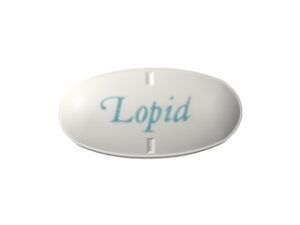
Gemfibrozil (often known by the brand name Lopid) — Patient Information for Australia
Gemfibrozil is a medicine used to improve blood fat levels, particularly high triglycerides. It belongs to a group of medicines called fibrates. In many people, lowering triglycerides helps reduce the risk of complications associated with abnormal lipid levels, especially when triglycerides are very high.
This page is designed to be patient-friendly and practical. It explains how gemfibrozil works, how it is usually taken, important food and medicine interactions, safety considerations, and what to discuss with your healthcare professional.
Basic product information
| Category | Details |
|---|---|
| Medication type | Fibrate (lipid-lowering medicine) |
| Common name | Gemfibrozil |
| Brand names (examples) | Lopid (brand availability can vary) |
| Form | Oral capsules (strengths vary by product) |
| What it is used for | Helps lower triglycerides; may help with cholesterol profile in select patients |
| Key cautions | Muscle injury risk (especially with some other medicines), gallbladder risk, kidney/liver considerations |
What gemfibrozil is for (typical use)
Gemfibrozil is used as part of a broader plan to manage abnormal blood lipids. It is particularly considered when:
- Triglycerides are high (especially if very high), sometimes to reduce pancreatitis risk.
- Some patients have mixed dyslipidaemia where triglyceride reduction is a priority.
It is important to remember that lipid management usually involves more than medication, including diet, weight management, exercise, and reducing alcohol intake where appropriate.
How gemfibrozil works (mechanism of action)
Gemfibrozil helps improve lipid levels mainly by affecting how fats are processed in the body. While the exact processes are complex, gemfibrozil is understood to:
- Reduce triglyceride production in the liver
- Increase breakdown of triglyceride-rich particles
- Often raise HDL (“good” cholesterol) to a smaller extent
- Lower very low-density lipoprotein (VLDL) levels
By improving triglyceride levels and certain cholesterol fractions, gemfibrozil can contribute to lowering overall cardiovascular risk in suitable patients—particularly when triglycerides are markedly elevated.
Pharmacokinetics (how the body handles it)
Pharmacokinetics describe absorption, distribution, metabolism, and elimination—how gemfibrozil moves through and is processed by your body.
- Absorption: Gemfibrozil is absorbed from the gastrointestinal tract. Taking it as directed (including relation to meals) may influence the speed and extent of absorption.
- Onset of action: Lipid improvements generally develop over days to weeks, with effects monitored through blood tests.
- Protein binding: It is known to bind to plasma proteins, which can affect drug interactions.
- Metabolism: It is metabolised in the liver.
- Elimination: Metabolites are eliminated primarily via the kidneys and/or bile, depending on individual factors.
- Half-life: The duration of action supports the usual dosing schedule (commonly twice daily in many regimens).
Why this matters: Because gemfibrozil can affect how other medicines are handled, and because kidney function can influence drug exposure, it’s important to share your full medication list and any kidney/liver problems with your healthcare professional.
Indications (when it may be used)
Gemfibrozil may be used when a healthcare professional determines that treatment is appropriate to:
- Lower high triglycerides (including in patients at risk of complications from severe hypertriglyceridaemia)
- Improve parts of the lipid profile as part of a treatment plan for selected patients
It is not simply a “general cholesterol” medicine for everyone. Your clinician may choose alternative or additional lipid-lowering treatments based on your blood results, medical history, and other medicines you take.
How to take gemfibrozil (timing and dosing)
Always follow the dosing instructions provided with your medicine. Doses can vary by product strength and by your individual situation.
Typical dosing
- Common adult regimens involve oral dosing twice daily, often taken 30 minutes before meals.
Timing: relation to meals
Gemfibrozil is often recommended 30 minutes before meals to support consistent absorption. Try to build it into your routine:
- Take the first dose about 30 minutes before breakfast (or your first main meal).
- Take the second dose about 30 minutes before your evening meal.
If you miss a dose
- If you miss a dose, take it when you remember
- Do not double to make up for a missed dose.
- If you’re unsure, ask your pharmacist for guidance based on your schedule.
Monitoring
Your clinician may order periodic blood tests to check:
- Triglycerides and cholesterol fractions
- Liver function
- Kidney function (especially if you have known impairment)
- In some cases, monitoring for muscle-related symptoms
Food interactions and what to expect
Gemfibrozil is typically taken before meals. While it is not usually described as having severe food restrictions, food timing can affect how consistently the medication works for you.
Helpful practical advice:
- Take it at the recommended time with a consistent routine.
- If you frequently skip meals, talk to your pharmacist or clinician about the best timing for your lifestyle.
- Continue dietary measures your healthcare professional recommends (e.g., limiting sugar and refined carbohydrates when triglycerides are high).
High-fat or high-sugar intake: Dietary changes remain essential because triglyceride levels can rise quickly with excessive carbohydrate intake, alcohol, and weight gain.
Alcohol interactions
Alcohol can increase triglyceride levels in many people, especially when intake is frequent or heavy. Using gemfibrozil while drinking alcohol may:
- Make triglyceride control more difficult
- Increase the risk of lipid-related complications in susceptible individuals
Practical guidance:
- If you have high triglycerides, your clinician may advise limiting or avoiding alcohol.
- If you choose to drink, do so in moderation and discuss your target with your healthcare professional.
Medicine interactions: key safety considerations
Gemfibrozil can interact with several medicines, sometimes increasing the risk of side effects. Because interactions depend on your specific medication list and health conditions, always confirm with a pharmacist if you are unsure.
Commonly important interactions
- Statins (cholesterol medicines): Combining gemfibrozil with certain statins increases the risk of muscle toxicity (including rare but serious muscle injury). Many clinicians prefer different choices when a statin is needed.
- Repaglinide (used for type 2 diabetes): may increase risk of low blood sugar.
- Some blood thinners (e.g., warfarin): gemfibrozil can affect anticoagulant effect, requiring closer monitoring.
- Other lipid-lowering medicines: combinations may raise safety considerations, including muscle and liver effects.
- Immunosuppressants and some other specialty medicines: interactions may increase exposure.
What to do
- Keep an updated list of all medicines, including over-the-counter products and herbal supplements.
- Ask your pharmacist to check for interactions before starting new medicines.
- If you experience unusual symptoms (such as muscle pain or weakness), seek advice promptly.
Safety profile and side effects
Like all medicines, gemfibrozil can cause side effects. Many people tolerate it well, but it’s important to know what to watch for.
Common or expected side effects
- Stomach or bowel changes (e.g., indigestion, abdominal discomfort, diarrhoea)
- Headache
- Skin reactions (less common)
- Changes in blood test results such as liver enzymes
Serious but less common risks
- Muscle injury (myopathy/rhabdomyolysis): Seek urgent medical advice if you develop unexplained muscle pain, tenderness, weakness, or dark urine.
- Gallstones or gallbladder problems: Tell your doctor promptly if you experience upper right abdominal pain, pain after meals, nausea/vomiting, or jaundice.
- Liver issues: Report symptoms such as yellowing of the skin/eyes, dark urine, or persistent nausea.
- Blood disorders or other metabolic changes: Your healthcare professional may monitor through blood tests.
Who needs extra caution
Discuss gemfibrozil carefully if you have:
- Kidney impairment (dose/exposure may increase)
- Liver disease or persistently elevated liver enzymes
- A history of gallstones or gallbladder disease
- Conditions or medication combinations that increase muscle injury risk
Practical use tips
- Take it consistently: Aim for regular timing—often 30 minutes before meals—so your triglyceride control is steady.
- Keep diet and lifestyle aligned: Medication works best alongside dietary changes that reduce triglyceride drivers (excess sugar/refined carbs and alcohol).
- Know the warning signs: Muscle pain/weakness (especially with other lipid medicines), symptoms of gallbladder issues, or liver-related symptoms should be acted on quickly.
- Stay organised: Use a pill organiser or reminders to reduce missed doses.
- Attend monitoring appointments: Blood tests help confirm benefit and safety.
- Report new medicines: If you start any new treatment, including antibiotics, antifungals, or diabetes medicines, check interactions.
Alternative options for high triglycerides in Australia
Depending on your lipid results and overall cardiovascular risk, a clinician may consider one or more alternatives to gemfibrozil. Options can include:
- Other fibrates: for example, fenofibrate may be used in some situations.
- Statins: commonly used when overall cardiovascular risk is the main concern; choice depends on drug interactions.
- Omega-3 fatty acids (including prescription-strength formulations where appropriate): may be considered for triglyceride lowering.
- Diabetes and weight management strategies: improving blood glucose and reducing insulin resistance can lower triglycerides substantially.
- Address secondary causes: alcohol intake, hypothyroidism, uncontrolled diabetes, certain medications, and genetic lipid disorders can drive triglycerides up.
Your best option depends on your blood results, medical history, and medication list. Never switch or stop lipid medicines without professional guidance.
Market and legal context in Australia (what to expect when purchasing)
In Australia, the availability of medicines is regulated under national medicines and supply rules. Whether a medicine can be supplied online depends on its classification and the requirements for safe supply.
- Healthcare assessment: For medicines where clinician review is required to support safe use, an online pharmacy may request appropriate information to confirm suitability.
- Medication safety checks: Online pharmacies typically perform identity, eligibility, and interaction checks before supply.
- Product authenticity: Purchasing from reputable Australian online pharmacy services helps ensure you receive genuine, correctly stored stock.
Note: This page provides general information and is not a substitute for advice from your healthcare professional or pharmacist.
Recent guidance and clinical practice considerations
Clinical guidance for lipid disorders evolves as new evidence emerges. In recent years, focus has often included:
- Risk-based treatment: treating overall cardiovascular risk as well as triglyceride levels
- Individualised selection of medicines: choosing lipid therapies that best suit comorbidities and other drugs
- Reducing medication harm: emphasising caution with drug combinations that increase muscle injury or other serious risks
- Lifestyle measures: diet, physical activity, weight management, smoking cessation, and alcohol moderation
Because recommendations can vary depending on your personal circumstances and local guidance, your healthcare professional can help confirm whether gemfibrozil is the right option for you.
Delivery and availability
Availability may vary by brand and strength. When ordering from an Australian online pharmacy, typical steps include:
- Stock confirmation (some brands may be supplied as alternatives when equivalent).
- Packaging integrity checks and correct cold/ambient handling (as required for the specific product).
- Delivery timeframes depending on your location within Australia and current postal or courier schedules.
Delivery tips:
- Ensure your contact details and delivery address are correct.
- If you need to be home for deliveries, choose the appropriate delivery option (where available).
- Store your medicine according to the label instructions (often in a cool, dry place, away from direct sunlight).
If you require urgent supply or have concerns about availability, contact the pharmacy’s support team.
FAQ — Frequently asked questions about gemfibrozil
1) What does gemfibrozil do to my triglycerides?
Gemfibrozil helps lower triglycerides and may improve other lipid fractions. The degree of response varies between individuals. Your progress is usually assessed with blood tests.
2) When can I expect results?
Improvements can begin within days to weeks, but meaningful changes are usually assessed over a longer period with follow-up blood tests arranged by your healthcare professional.
3) Should I take gemfibrozil before or after meals?
Gemfibrozil is commonly recommended 30 minutes before meals. Follow your exact label instructions, because individual dosing regimens may differ.
4) Can I drink alcohol while taking gemfibrozil?
Alcohol may increase triglycerides and can make triglyceride control harder. If your triglycerides are high, your clinician may recommend limiting or avoiding alcohol. Ask for personalised advice.
5) Are there any medicines I must avoid?
Some combinations can increase the risk of serious side effects, especially muscle injury. In particular, caution is required with certain statins and some other medicines (e.g., repaglinide, certain anticoagulants). Always check your full medicine list with a pharmacist.
6) What side effects are most concerning?
Seek urgent medical advice if you develop unexplained muscle pain, weakness, or dark urine, or symptoms of gallbladder problems (such as upper abdominal pain or jaundice) or liver problems.
7) Does gemfibrozil cure high cholesterol?
No. It helps control lipid levels while you continue treatment. Lipids can rise again if medication and lifestyle changes are stopped.
8) What lifestyle changes support triglyceride lowering?
Common supportive measures include reducing refined carbohydrates and added sugars, managing body weight, regular physical activity, and limiting alcohol—especially when triglycerides are elevated. Your healthcare professional may tailor advice to you.
9) Can I take gemfibrozil if I have kidney or liver problems?
Extra caution is needed. Your clinician may adjust dosing and arrange closer monitoring. Tell them about kidney function, liver disease, and any prior gallbladder issues.
10) How should I store gemfibrozil?
Store it according to the label instructions. Typically this means keeping it in a cool, dry place, away from direct sunlight, and out of reach of children.
Important reminder
If you are unsure whether gemfibrozil is suitable for you—or if you have questions about interactions with your other medicines—speak with your pharmacist or healthcare professional. Using lipid-lowering medication safely and effectively depends on personalised assessment, regular monitoring, and awareness of warning signs.