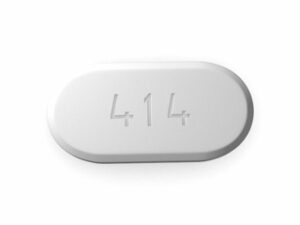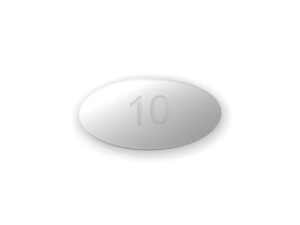
Zetia (Ezetimibe) – Patient-Friendly Guide (Australia)
Zetia is a medicine containing ezetimibe, used to help lower LDL (bad) cholesterol and support cardiovascular health. This guide explains how Zetia works, how it’s used, common safety considerations, and practical tips for taking it effectively in an Australian context.
Note: If you have questions about whether Zetia is suitable for you, speak with a pharmacist or doctor.
Quick overview
- Active ingredient: Ezetimibe
- Common use: Lowering LDL cholesterol
- How it works: Reduces cholesterol absorption in the intestine
- Typical schedule: Once daily, with or without food
- Where it fits: Often used alone or combined with a statin (depending on your situation)
- Availability in Australia: Widely used and supplied through pharmacy channels; availability may vary by brand and stock
Basic product information
| Category | Details |
|---|---|
| Medicine name | Zetia |
| Generic name | Ezetimibe |
| What it does | Lowers LDL cholesterol by reducing intestinal cholesterol absorption |
| Typical dose | Often 10 mg once daily (dose strength may vary by product presentation) |
| Administration | By mouth, once daily |
| Food | Usually can be taken with or without food |
How Zetia works (mechanism of action)
Zetia works by targeting cholesterol absorption in the small intestine.
- Ezetimibe blocks the NPC1L1 transporter, a protein responsible for absorbing cholesterol from the intestine.
- With less dietary and biliary cholesterol absorbed, the liver takes up more cholesterol from the blood to maintain normal cholesterol balance.
- This helps lower LDL cholesterol levels over time.
Important: Zetia focuses on absorption rather than the liver’s cholesterol production. For that reason, it is frequently used alongside or as an alternative to other cholesterol-lowering medicines, depending on your individual needs.
What Zetia is used for (indications)
Zetia is used to improve cholesterol levels in people with various lipid disorders. Common clinical uses include:
- Primary hypercholesterolaemia (elevated LDL cholesterol), including mixed patterns where appropriate
- Mixed dyslipidaemia (elevated cholesterol and/or triglycerides, depending on the pattern)
- Homozygous familial hypercholesterolaemia (a rare genetic condition) in combination with other lipid-lowering therapy as advised
- Heterozygous familial hypercholesterolaemia (sometimes as part of a broader treatment plan)
In many real-world treatment plans, Zetia is chosen when LDL cholesterol needs additional lowering beyond lifestyle alone, or when a combined approach is more appropriate.
Typical timing and how to take it
Zetia is usually taken as a once-daily dose.
- Best time: Take at the same time each day to help you remember.
- With or without food: Generally, Zetia can be taken either way.
- Consistency: Cholesterol lowering is gradual; regular daily use is important.
If you miss a dose:
- Take it as soon as you remember on the same day.
- If it’s close to your next dose, skip the missed dose and continue your usual schedule.
- Do not take a double dose to make up for a missed tablet.
Pharmacokinetics (how the body handles ezetimibe)
Pharmacokinetics describes what the body does to a medicine—how it is absorbed, distributed, metabolised, and eliminated.
- Absorption: Ezetimibe is absorbed from the intestine, and it is extensively converted to its main active form, ezetimibe-glucuronide.
- Distribution: Ezetimibe and related compounds circulate in the blood and reach relevant tissues.
- Metabolism: The main metabolic step is conversion to ezetimibe-glucuronide; this process supports the medicine’s cholesterol-lowering effect.
- Elimination: The medicine and its metabolites are eliminated mainly via the biliary and faecal routes.
- Half-life (general concept): The active metabolite has an elimination profile that supports once-daily dosing.
If you have liver-related conditions or unusual lab results, your clinician may monitor you more closely, because cholesterol medicines can sometimes affect liver function tests.
Food interactions (what to consider)
Zetia can usually be taken with or without food. This makes it easier to fit into daily routines.
However, always follow your healthcare professional’s advice. If you’re taking cholesterol medicines that bind bile acids (see below), timing may matter more for those products than for ezetimibe itself.
Alcohol and medicine interactions
Alcohol
Moderate alcohol intake may not directly interact with ezetimibe, but alcohol can influence overall liver health and may worsen triglycerides in some people. If you drink alcohol regularly or have liver disease, discuss with a clinician to confirm what is safe for you.
Medicine interactions
Some interactions are especially important in cholesterol treatment. Examples include:
- Cholesterol medicines (bile acid sequestrants): These can affect how medicines are absorbed. Your pharmacist may recommend spacing doses.
- Statins (often used together): Zetia is frequently combined with statins to lower LDL cholesterol further. Combination therapy requires appropriate monitoring, particularly of muscle symptoms and liver blood tests.
- Lipid-lowering medicines with safety considerations: Any medicine that affects liver enzymes or muscle can change the overall risk profile when combined with other therapies.
- Medicines that affect certain transporters or metabolic pathways: Less commonly, other medicines may influence ezetimibe levels. Your pharmacist can check your full medication list.
Tip: Keep an up-to-date list of all medicines, including vitamins and herbal products, and share it with your pharmacist before starting Zetia or any combination therapy.
Dosing: how much Zetia is usually used
Zetia dosing depends on the condition being treated and whether it is used alone or with other cholesterol-lowering medicines.
- Typical adult dose: Usually 10 mg once daily.
- Combination therapy: When used with a statin or other lipid-lowering agents, Zetia’s usual dose typically remains 10 mg once daily unless your clinician advises otherwise.
- Children and adolescents: Dosing may differ and should be determined by a clinician based on age and indication.
Do not change your dose without medical advice. If side effects occur, your clinician may adjust therapy or monitor blood tests.
Safety profile: side effects and what to watch for
Like all medicines, Zetia can cause side effects. Many people tolerate it well, especially when used as directed.
Common or generally reported side effects
- Headache
- Abdominal discomfort or mild gastrointestinal symptoms
- Diarrhoea or constipation
- Fatigue
Less common but important side effects
- Elevated liver enzymes (especially when combined with a statin)
- Muscle-related symptoms (more relevant when used with statins): muscle pain, weakness, or tenderness
- Allergic reactions: rash, swelling, or breathing difficulties (seek urgent help if severe)
When to seek urgent medical attention
Get urgent help if you experience:
- Swelling of the face/lips/tongue, difficulty breathing, or severe rash
- Severe muscle pain with weakness, dark urine, or feeling very unwell
- Yellowing of the skin or eyes, severe right-upper abdominal pain, or persistent vomiting
Monitoring: Your clinician may arrange periodic blood tests (e.g., liver function tests and lipid levels). Report symptoms promptly rather than waiting for the next visit.
Practical use tips for getting the best results
- Take it daily: Cholesterol improvement depends on ongoing use.
- Keep lifestyle changes in place: Zetia supports a cholesterol-lowering strategy, but diet, exercise, smoking cessation, and healthy weight matter.
- Know what to expect: LDL reductions typically become clearer over weeks, not days. Your doctor may recheck lipids after a period of treatment.
- Watch for symptoms: If you develop unusual muscle pain, weakness, or dark urine, seek advice promptly.
- Be consistent with combinations: If you take Zetia with a statin, take both as scheduled and don’t stop suddenly without advice.
- Keep your pharmacist informed: If you start a new medicine, ask whether it affects Zetia or your overall safety profile.
Alternative options (if Zetia isn’t suitable)
There are several alternatives or add-on options for managing cholesterol. Which one is best depends on your cholesterol levels, risk factors, other health conditions, and tolerance.
Cholesterol-lowering alternatives
- Statins (e.g., atorvastatin, rosuvastatin): reduce cholesterol production in the liver and are a common first-line choice.
- Bile acid sequestrants (older class): bind bile in the intestine; may require specific timing and can affect absorption of other medicines.
- PCSK9 inhibitors (injectable): can significantly lower LDL in certain high-risk groups.
- Fibrates and other triglyceride-focused therapies: more relevant if triglycerides are high.
- Other cholesterol absorption inhibitors: ezetimibe is the main option in this category.
Lifestyle-focused alternatives and complements
- Dietary changes (e.g., reducing saturated fats, increasing fibre)
- Regular physical activity
- Weight management when appropriate
- Smoking cessation and limiting alcohol (especially with high triglycerides)
Your healthcare professional can help determine the most appropriate plan if Zetia isn’t suitable or if your LDL targets aren’t met.
Market and legal context for Australia (general information)
In Australia, medicines are regulated under the Therapeutic Goods Administration (TGA) framework. Zetia (ezetimibe) is an established medicine used in cardiovascular risk management.
Online pharmacies in Australia may provide products in accordance with applicable legislation and pharmacy requirements. Availability, brand presentation, and supply may vary.
Clinical guideline context: Cholesterol treatment in Australia generally follows evidence-based guidance focusing on overall cardiovascular risk, LDL targets, and stepwise therapy (e.g., lifestyle and statins, with add-on agents such as ezetimibe when needed). Recommendations can evolve as new research and safety updates emerge.
Recent guidance and updates (how to interpret them)
Guidelines for cholesterol management periodically update to reflect new evidence and evolving best practice. In recent years, Australian and international updates have continued to emphasise:
- Assessing overall cardiovascular risk and using LDL-focused strategies
- Using statins as a cornerstone for many patients, then adding additional therapy where indicated
- Monitoring for side effects and checking relevant blood tests when appropriate
- Individualising treatment for people with familial hypercholesterolaemia or those with statin intolerance
Because guideline details may change over time, it’s wise to rely on current advice from your clinician and any local resources they follow.
Delivery and availability (online pharmacy considerations)
Availability of Zetia may depend on your location and supplier stock. When ordering online through Australian pharmacy services, you can typically expect:
- Delivery timelines: Vary by state and courier service; rural areas may take longer.
- Packaging: Products are usually supplied in manufacturer packaging where possible.
- Storage: Store tablets as directed on the label (generally at controlled room temperature; avoid moisture).
- Support: Most pharmacies provide access to pharmacists for questions about safe use and interactions.
Allergy and verification: Ensure you check the product strength and expiry date. If you have previously used ezetimibe but with a different brand/strength, confirm the dosing instructions with your pharmacist.
FAQ about Zetia (Ezetimibe)
1) What does Zetia do to cholesterol?
Zetia lowers LDL (bad) cholesterol by reducing cholesterol absorption in the intestine. It helps the liver remove more cholesterol from the blood.
2) How long does it take to work?
Cholesterol levels can start to improve within weeks. Your clinician may repeat cholesterol tests after an appropriate time period to see how well treatment is working.
3) Can I take Zetia with food?
Yes. Zetia is generally taken with or without food. Choose a time that suits your routine and take it consistently.
4) Is Zetia the same as a statin?
No. Statins primarily reduce cholesterol production in the liver. Zetia works differently by blocking intestinal cholesterol absorption. They are sometimes used together.
5) What should I do if I miss a dose?
Take it when you remember on the same day. If it’s near your next dose, skip the missed one and continue your usual schedule. Don’t take a double dose.
6) Are there alcohol restrictions?
Moderate alcohol intake may not directly interact with ezetimibe, but alcohol can affect liver health and triglycerides. If you have liver disease or raised triglycerides, ask a clinician what is safest for you.
7) Does Zetia interact with other medicines?
Potential interactions depend on your full medication list. Tell your pharmacist about all medicines and supplements—especially other lipid-lowering medicines, and any treatment affecting the liver or muscles.
8) Can Zetia cause muscle problems?
Muscle symptoms are more commonly discussed when Zetia is combined with statins. If you experience unexplained muscle pain, weakness, or dark urine, contact a healthcare professional promptly.
9) Is Zetia safe for everyone?
Most people tolerate Zetia well, but safety depends on your health history—particularly liver function and other medicines you take. Your clinician or pharmacist can advise based on your circumstances.
10) What if I have liver problems?
Let your clinician know about any liver disease or abnormal liver tests. During combination therapy (e.g., with a statin), liver-related monitoring may be more important.
Summary
Zetia (ezetimibe) is a cholesterol-lowering medicine designed to reduce LDL cholesterol by blocking cholesterol absorption in the intestine. It’s commonly used once daily and can generally be taken with or without food. For many people, Zetia plays an important role alone or in combination with other lipid-lowering therapies to help achieve safer cardiovascular risk levels.
If you’re starting Zetia or combining it with other cholesterol medicines, a pharmacist can help you confirm dosing, timing, and interaction safety based on your specific medication list.