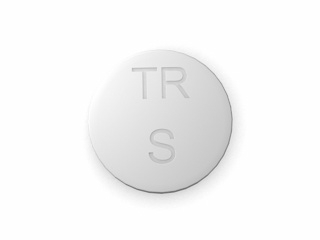
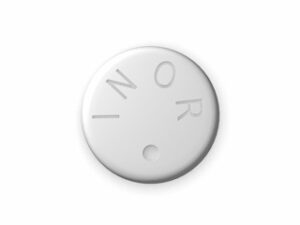

Desogen (Desogestrel / Ethinyl Estradiol) – Patient Guide
Desogen is a combined oral contraceptive (COC) containing two hormones: desogestrel (a progestogen) and ethinyl estradiol (an oestrogen). It is used to help prevent pregnancy and can also provide cycle-related benefits for some people.
This page explains how Desogen works, how to take it correctly, practical tips, safety considerations, and where it fits in the Australian medicines and health system.
Quick Facts
- Medicine name: Desogen
- Active ingredients: Desogestrel + Ethinyl estradiol
- Type: Combined oral contraceptive pill
- Common purpose: Pregnancy prevention
- How it’s taken: Typically 21 active days followed by 7 hormone-free (placebo) days (varies by pack)
- Key requirement: Consistent daily use for best effectiveness
How Desogen Works (Mechanism of Action)
Desogen prevents pregnancy mainly by:
- Suppressing ovulation: The progestogen component helps stop the ovaries releasing an egg.
- Thickening cervical mucus: This makes it harder for sperm to reach the egg.
- Altering the endometrium: Changes to the lining of the uterus can reduce the likelihood of implantation.
Because these effects develop over time, starting Desogen and missing pills can affect how quickly protection begins—so timing matters.
Pharmacokinetics (How the Body Processes It)
Pharmacokinetics describes how medicines are absorbed, distributed, metabolised, and eliminated. Exact values can vary between individuals.
Absorption
- Ethinyl estradiol is absorbed from the gut and undergoes first-pass metabolism (processed by the liver before reaching the bloodstream).
- Desogestrel is absorbed and converted in the body to its active metabolite.
Distribution
- Both hormones bind to plasma proteins; they then circulate to target tissues.
Metabolism
- Ethinyl estradiol is metabolised in the liver and can undergo enterohepatic (gut-liver) recirculation.
- Progestogens are also metabolised primarily in the liver.
Elimination
- Metabolites are removed mainly via urine and bile/faeces.
Importantly, certain medicines can increase or decrease hormone levels by affecting liver enzymes. This is why drug interactions are a major consideration for combined pills.
Typical Use in Australia
Desogen is commonly used to:
- Prevent pregnancy
- Provide more regular, predictable bleeding patterns for some users
- Help with cycle-related symptoms for certain people (individual response varies)
It is not a treatment for sexually transmitted infections (STIs). Condoms are still recommended to reduce STI risk.
When to Start and Timing Tips
Starting Desogen
Your start date and the speed of contraceptive protection depend on when you begin relative to your natural menstrual cycle.
- Day 1 start (often recommended by clinicians): Starting on the first day of bleeding generally provides immediate contraceptive protection.
- Other start days: Protection may not be immediate, and additional contraception (such as condoms) may be needed for a period.
If you are unsure when you started, or if you’ve recently stopped another hormonal method, follow the guidance provided with your pack and consider discussing with a healthcare professional.
Daily Timing
- Take your pill once daily, at about the same time each day.
- Choose a time that fits your routine (for example, after breakfast or at bedtime) to reduce the chance of missed doses.
If You Miss a Pill (General Guidance)
Missed pills can reduce effectiveness. The right action depends on how many pills were missed and how long ago.
Because pack and guidance can vary, always check the written instructions inside your Desogen carton/pack. If you missed pills, you may need:
- Take the most recent missed pill as soon as you remember (even if it means taking two in one day, if advised by the instructions).
- Use extra protection (condoms) for a specified number of days.
- Seek advice if you had unprotected sex recently or if vomiting/diarrhoea occurred.
Food Interactions
Generally, food does not significantly affect the absorption of combined oral contraceptives. You can take Desogen with or without food.
However: if you experience vomiting or severe diarrhoea soon after taking a pill, absorption may be reduced—this can make the situation similar to a missed pill. Follow the “missed pill” approach described in your pack.
Alcohol and Medicine Interactions
Alcohol
Moderate alcohol intake is not expected to directly reduce contraceptive effectiveness. The bigger issues are:
- Vomiting after heavy drinking
- Missed doses due to disrupted routines
If you vomit soon after taking your pill, treat it according to the guidance for vomiting (often similar to missing a pill).
Interactions With Other Medicines
Some medicines can lower hormone levels and increase the risk of breakthrough bleeding and/or unintended pregnancy. These effects are often due to enzyme induction in the liver.
Medicines that may reduce effectiveness
- Some antiseizure medicines (certain anti-epileptics)
- Some medicines for tuberculosis
- Some medicines for HIV (depending on regimen)
- St John’s wort (Hypericum perforatum)
- Some antibiotics/antifungals can interact—especially if they significantly affect liver enzymes (interaction risk varies by medicine)
Medicines where interaction management may be needed
- Medicines that affect liver metabolism or intestinal transport may change hormone levels.
- Always inform your pharmacist or clinician about all medicines, vitamins, and herbal products you take.
What about other hormone-related products?
Using additional hormonal treatments (or switching between products) may require careful timing and backup contraception to maintain effectiveness.
Indications (What Desogen is Used For)
The main indication for Desogen is:
- Contraception – prevention of pregnancy.
Desogen may also be prescribed for selected cycle-related benefits, depending on individual circumstances and clinical assessment.
Dose and Administration
Desogen is taken by mouth as a daily oral tablet according to the pack schedule.
| Aspect | Typical information |
|---|---|
| Route | Oral (swallow tablet with water) |
| Frequency | Once daily |
| Cycle pattern | Often 21 active tablets followed by 7 tablet-free/placebo days (check your specific pack instructions) |
| Start timing | Based on your menstrual cycle and chosen starting method; immediate or delayed protection may apply |
| Missed dose | Follow the missed pill instructions in the pack; backup contraception may be required |
Safety Profile and Important Warnings
All combined oral contraceptives have potential side effects. Many people tolerate them well, but it’s important to be aware of warning signs and risk factors.
Common side effects (may occur)
- Nausea or stomach upset
- Breast tenderness
- Headache
- Spotting or breakthrough bleeding, especially in the first few months
- Mood changes
Serious risks to know about
Combined pills increase the risk of blood clots (venous thromboembolism) and, in some people, the risk of arterial events such as stroke or heart attack. The absolute risk is still relatively low in healthy non-smokers, but it can be higher with certain risk factors.
Seek urgent medical care if you notice
- Signs of a blood clot in the leg: painful swelling, warmth, or redness in one leg
- Signs of a clot in the lung: sudden shortness of breath, chest pain, coughing blood
- Signs of stroke: sudden weakness/numbness on one side, trouble speaking, facial drooping
- Severe sudden headache (different from usual), especially with vision or speech changes
- Eye pain or sudden vision changes
Who needs extra caution?
Certain conditions make combined pills unsuitable or require medical review before use. Examples include:
- Current smoking (especially age > 35)
- History of blood clots or certain clotting disorders
- Uncontrolled high blood pressure
- Migraine with aura
- Diabetes with vascular complications
- Some liver disease
- Major surgery with prolonged immobilisation
Your pharmacist and clinician can help determine whether Desogen is appropriate for you based on your health history.
Practical Use Tips (Getting the Best Results)
- Set a daily reminder (phone alarm, calendar notification, or pill app).
- Use a consistent routine (after a meal or at bedtime).
- Check your pack for the exact schedule (active vs placebo days can vary).
- Plan for missed pills: keep condoms available so you can use backup contraception if needed.
- Track bleeding during the first 2–3 cycles; light spotting can settle, but persistent heavy bleeding should be assessed.
- Speak up about side effects: adjustments or alternative methods may be available if side effects are bothersome.
Alternative Contraception Options
If Desogen isn’t suitable, or if you prefer a different approach, there are many alternatives in Australia.
Other oral contraceptives
- Other combined pills (different progestogens/oestrogen formulations)
- Progestogen-only pills (POPs) (may be an option for some people who can’t use oestrogen)
Long-acting reversible contraception (LARC)
- Implant (progestogen-only)
- Hormonal intrauterine system (IUS)
- Copper IUD (non-hormonal)
Barrier methods
- Condoms (also help reduce STI risk)
- Diaphragm/cervical cap (depending on local guidance and availability)
The “best” option depends on your health, lifestyle, bleeding preferences, and medical history. A pharmacist or doctor can help you compare.
Market and Legal Context for Australia
In Australia, contraceptives including combined oral contraceptives are regulated medicines and are supplied through licensed channels. Availability can vary by state/territory and by formulation.
Online pharmacy supply in Australia is typically subject to:
- Appropriate product identification and regulated sourcing
- Clear labelling of active ingredients and strengths
- Ensuring customers receive consumer medicine information and accurate instructions
- Compliance with Australian rules for dispensing and supply (including age and identity requirements where applicable)
Important: Always refer to the package information and any Consumer Medicine Information (CMI) supplied with your product for the most accurate instructions for your specific Desogen pack.
Recent Guidance and Updates (What to Check)
Clinical recommendations for hormonal contraception may change as new evidence emerges. In Australia, guidance commonly considers:
- Blood clot risk assessment and review of individual risk factors
- Recognition of interaction risks (including herbal products like St John’s wort)
- Management of missed pills, vomiting/diarrhoea, and breakthrough bleeding
- Appropriate use of backup contraception when starting or switching methods
Because packs and prescribing/clinical practices can evolve, check the latest consumer information included with your purchase and consult your pharmacist if you’re unsure.
Delivery and Availability
Desogen may be available through reputable pharmacies and online platforms that supply medicines in line with Australian requirements.
- Availability: Stock can vary, particularly for specific pack sizes and formulations.
- Delivery: Delivery time depends on your location and the pharmacy’s shipping arrangements.
- Packaging: Medicines are typically dispatched in manufacturer packaging with identifying details.
When ordering online, confirm that the product matches your intended formulation and strength, and keep the box/pack information for reference.
FAQ: Desogen (Desogestrel / Ethinyl Estradiol)
1) How effective is Desogen?
Effectiveness depends on correct, consistent daily use. Combined oral contraceptives are highly effective when taken as directed, but missed pills can reduce protection. If you miss doses or start late, consider backup contraception based on the pack instructions.
2) Do I need condoms while taking Desogen?
Desogen protects against pregnancy but does not protect against STIs. Condoms are recommended if STI risk is a concern, and may be needed temporarily as backup if you miss pills or start at a non-standard time.
3) What should I do if I vomit after taking Desogen?
If you vomit soon after taking a pill, absorption may be reduced. Follow the guidance in your Desogen pack (often treating the situation like a missed pill). If you’re unsure, seek advice promptly.
4) Can I take Desogen with food?
Yes. Food generally does not significantly affect Desogen. The key consideration is vomiting/diarrhoea shortly after taking your pill.
5) Can I drink alcohol while on Desogen?
Moderate alcohol use is usually acceptable. Avoid heavy drinking that could lead to missed pills or vomiting shortly after dosing.
6) What medicines should I avoid or be careful with?
Some medicines and herbal products can reduce contraceptive effectiveness, including certain seizure medicines, tuberculosis treatments, some HIV regimens, and St John’s wort. Tell your pharmacist about all medicines and supplements you use.
7) What if I get spotting or breakthrough bleeding?
Spotting can happen, especially in the first few months. If bleeding is persistent, heavy, or unusual for you, consult a healthcare professional. Also consider whether pills may have been missed or if interactions (e.g., new medicines) occurred.
8) Is Desogen safe for everyone?
Not everyone can use combined pills. People with certain risk factors (such as smoking over age 35, history of blood clots, uncontrolled high blood pressure, migraine with aura, or certain liver conditions) may need alternative contraception or medical assessment before use.
9) Can I switch to Desogen from another contraceptive method?
Switching is often possible, but the safest approach depends on what you’re switching from and where you are in your cycle. Follow the specific switch instructions in the pack or ask a pharmacist for advice.
10) When do I need emergency help?
Get urgent medical care if you have symptoms suggestive of a blood clot (leg swelling/pain, chest pain/shortness of breath), stroke (face drooping, weakness/numbness, speech trouble), or severe sudden headache with neurologic symptoms.
Disclaimer: This information is provided for general education. Always read the consumer information included with your Desogen pack and consult a pharmacist or doctor for personalised advice—particularly if you have medical conditions, take other medicines, or are unsure about starting or missed doses.