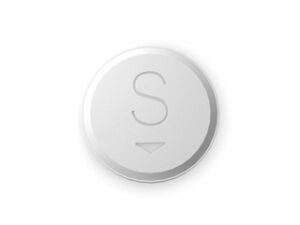
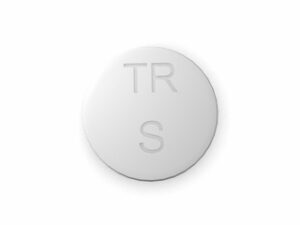
Plan B (Levonorgestrel) – Emergency Contraception (Australia)
Plan B is a brand of levonorgestrel, a well-known emergency contraceptive medicine used to help prevent pregnancy after unprotected sex or after contraception has failed. It works best the sooner you take it, and it is intended for occasional emergency use.
This page explains how levonorgestrel works, when to take it, what to expect, safety information, and practical tips. It is written for patients in Australia and aims to be clear and easy to understand.
Basic Product Information
- Active ingredient: Levonorgestrel
- Type of medicine: Emergency contraception
- How it’s taken: Usually a single dose by mouth (commonly 1.5 mg)
- When to use: After unprotected sex or contraception failure
- Where it’s used: For emergency contraception in Australia
Note: Available brands and packaging can vary. Always check the strength and instructions on the product label or accompanying Consumer Medicines Information (CMI) for your specific item.
What Plan B Is Used For (Indications)
Plan B (levonorgestrel) may be used as emergency contraception if pregnancy prevention is needed after an event such as:
- No contraception was used
- A condom broke, slipped off, or was used incorrectly
- You missed pills (especially in the first week of a pack) or started them late
- A diaphragm/cervical cap was used incorrectly or removed too early
- You had sex without effective contraception during your fertile window
- You were using contraception but it may have failed (e.g., missed doses)
It does not protect against sexually transmitted infections (STIs), including chlamydia, gonorrhoea, or HIV.
How Plan B Works (Mechanism of Action)
Levonorgestrel primarily works by delaying ovulation (the release of an egg). If ovulation is delayed, fertilisation is less likely to occur.
Plan B is most effective when taken before or around the time of ovulation. If ovulation has already occurred, Plan B may be less effective, because delaying ovulation is no longer possible.
Levonorgestrel does not reliably prevent implantation once pregnancy has begun. It should be considered an emergency contraceptive, not a treatment for an existing pregnancy.
Pharmacokinetics (How the Body Handles It)
After taking an oral levonorgestrel dose, the medicine is absorbed through the digestive system and enters the bloodstream. It is then distributed throughout the body, where it exerts its effect mainly through hormonal action on the reproductive cycle.
- Absorption: Taken by mouth; levonorgestrel is absorbed into the bloodstream.
- Distribution: It circulates in the body and can bind to proteins.
- Metabolism: Metabolised primarily in the liver.
- Elimination: Cleared from the body through metabolic pathways and excretion.
Individual responses vary. Because emergency contraception is time-sensitive, the most important factor is taking it as soon as possible after the event.
Typical Use in Australia
Plan B is used as emergency contraception when ongoing pregnancy prevention is needed after a recent incident. It is intended for short-term, occasional use.
It does not replace regular contraception. After using emergency contraception, you should:
- Use reliable contraception from now on (e.g., condoms, pill regimen, implant, injection, IUD)
- Consider starting or resuming your ongoing method promptly (based on your usual contraceptive plan)
- Use condoms (or avoid sex) for a short period, depending on your method and timing
Timing: When to Take Plan B
Plan B is most effective the sooner you take it. It is commonly used within:
- Up to 72 hours (3 days) after unprotected sex, and
- In some product information and clinical practice, it may be used up to 120 hours (5 days), though effectiveness may be lower with increasing delay.
Best practice: Take Plan B as soon as possible after the event. Even if you are within 24 hours, take it promptly.
If you vomit: If you vomit within a short time of taking the tablet (often described as within a few hours), you may not have absorbed the full dose. In that case, you may need another dose. Check the product label or CMI and seek advice promptly.
Dosing (How Much to Take)
For levonorgestrel emergency contraception, the most common regimen is:
- 1.5 mg by mouth as a single dose (often given as one tablet).
Alternative packaging may provide 0.75 mg tablets taken as two doses (each 0.75 mg) taken at the correct interval as directed by the specific product label. Follow the exact instructions supplied with your product.
Do not take more than the recommended dose. If you are unsure, contact a pharmacist for guidance.
Food Interactions
Levonorgestrel emergency contraception is generally taken by mouth and can usually be taken with or without food. However:
- Taking it with food may reduce nausea for some people.
- Avoiding excessive alcohol is still recommended (see below), as it can increase nausea and affect adherence to timing.
If you have significant nausea or vomiting, prompt medical advice may be helpful to ensure the dose is effective.
Alcohol and Medicine Interactions
Alcohol
There is no specific “direct” interaction between levonorgestrel and alcohol that would typically make Plan B unsafe for everyone. However:
- Alcohol can worsen nausea, dizziness, or vomiting, which could reduce absorption.
- Alcohol can also affect your ability to follow the timing instructions reliably.
If you have been drinking or feel unwell, consider taking Plan B with food if appropriate and seek advice if vomiting occurs soon after.
Medicines that may reduce effectiveness
Certain medicines can reduce the effectiveness of emergency contraception by lowering levonorgestrel levels in the body. These may include medications that strongly affect liver enzymes (inducers).
Common categories to discuss with a pharmacist include:
- Some anti-epileptic medicines (e.g., carbamazepine, phenytoin, phenobarbital, topiramate at certain doses)
- Rifampicin/rifabutin (used for tuberculosis)
- Some HIV treatments (particularly certain regimens)
- Herbal products such as St John’s wort (Hypericum perforatum)
- Other strong enzyme inducers
If you take any regular medicines, it’s a good idea to check potential interactions. In some situations, an alternative emergency contraceptive may be more effective (see “Alternative options” below).
Other hormone-related medicines
Ongoing hormonal contraception (such as combined oral contraceptive pills) is not the same as enzyme-inducing interactions. However, if you’re switching methods or restarting pills after emergency contraception, a healthcare professional or pharmacist can help you choose the safest plan and timing.
Safety Profile (What to Expect and Who Should Be Cautious)
Plan B (levonorgestrel) has a long history of use and is generally well tolerated. Like all medicines, it can cause side effects.
Common side effects
- Nausea
- Vomiting
- Headache
- Dizziness
- Tender breasts
- Fatigue
- Lower abdominal cramps
- Changes in menstrual bleeding (timing, flow, or spotting)
Your period may come earlier or later than expected. Spotting can occur.
When to seek urgent advice
Emergency contraception is usually safe, but you should get medical advice urgently if you experience:
- Severe or persistent lower abdominal pain (especially if accompanied by dizziness or fainting)
- Very heavy bleeding or bleeding that concerns you
- Signs of allergic reaction (swelling of face/lips, breathing difficulty, hives)
Pregnancy after emergency contraception
If emergency contraception fails, pregnancy may still occur. If your period is more than 7 days late than expected, take a pregnancy test. If you have pain or unusual symptoms, seek medical advice.
If you recently used emergency contraception and then become pregnant, discuss options with a health professional. Rarely, pregnancy can be ectopic (outside the uterus), which requires urgent evaluation.
Practical Use Tips (How to Get the Best Result)
- Act quickly: Take Plan B as soon as possible after unprotected sex or contraception failure.
- Follow the dose exactly: Use the recommended single dose regimen for your specific product.
- If you vomit: Check the CMI for guidance on repeat dosing. Seek advice if unsure.
- Use condoms afterwards: For the next period, consider barrier protection until you can rely on your regular contraception.
- Keep track of your cycle: Your next period may change. Mark the date you expect your period and monitor changes.
- Pregnancy testing: If your period is late or unusual, do a pregnancy test.
Important: Plan B can be used more than once in a lifetime, but it is not meant for repeated ongoing use as a regular contraceptive method.
Alternative Emergency Contraception Options
If you’re considering emergency contraception, you may have options depending on timing, personal circumstances, and interactions with other medicines.
1) Ulipristal acetate
Another oral emergency contraceptive is ulipristal acetate. It may be an option when:
- There are concerns about timing (e.g., later within the emergency window)
- You are taking medicines that may interact with levonorgestrel
Note: Advice can differ depending on the specific interacting medicines and your local guidance.
2) Copper IUD (Intrauterine Device)
A copper IUD inserted by a clinician can provide highly effective emergency contraception and ongoing contraception. It may be suitable for some people and is not affected in the same way by many enzyme-inducing interactions.
3) When interactions are a concern
If you take enzyme-inducing medicines (for example, certain anti-epileptics or rifampicin) or herbal St John’s wort, effectiveness of levonorgestrel may be reduced. In these cases, ask a pharmacist or clinician about the most effective alternative for your situation.
Choosing the best option depends on how long it has been since the incident, your health, and your current medicines.
Market and Legal Context for Australia
In Australia, emergency contraception is widely available and is considered an important part of reproductive health care. Access may include pharmacy supply and, in some cases, clinical services depending on the product and the person’s needs.
Pharmacy staff can provide general guidance about timing, side effects, interactions, and next steps after taking emergency contraception. Product availability can vary by brand and region.
Recent updates and guidance: Clinical guidance for emergency contraception emphasises:
- Taking the most effective option as early as possible
- Considering interactions with other medicines
- Providing clear instructions about follow-up and pregnancy testing
- Supporting access through appropriate channels such as pharmacies
For the most current national advice, consult Australian health authority resources or ask your pharmacist.
Delivery and Availability (Online Pharmacy)
Online pharmacies can help you access emergency contraception quickly. Availability of Plan B and related levonorgestrel products depends on stock and shipping options.
- Check product options and strength on the listing before purchase.
- Delivery times vary by location; order as soon as possible to meet the recommended timing window.
- Packaging and dosing may differ by brand—always read the instructions included with your product.
If you need urgent access and delivery may not arrive quickly enough for the recommended time window, consider contacting a local pharmacy or using alternate emergency contraception options that can be obtained immediately.
Frequently Asked Questions (FAQ)
1) Is Plan B effective?
Plan B can be effective at preventing pregnancy when taken as soon as possible after unprotected sex or contraception failure. Effectiveness generally decreases as time passes. If you’re within the shortest time window, you’re more likely to benefit.
2) How soon can I take Plan B?
You can take it immediately after the incident. The sooner you take it, the better. Follow the product label for the recommended emergency window.
3) Can I take it more than once?
It can be used more than once if needed. However, it is not designed for frequent repeat use as a regular contraceptive method. If emergency contraception is needed repeatedly, consider a regular, reliable method and discuss options with a pharmacist or clinician.
4) What if I already ovulated?
Plan B mainly works by delaying ovulation. If ovulation has already occurred, it may be less effective. Even so, it can still be reasonable to take it because timing is often uncertain.
5) Will Plan B work if I’m breastfeeding?
Levonorgestrel is generally considered compatible with breastfeeding for emergency contraception use. Individual circumstances vary, so reading the CMI and asking a pharmacist can provide personalised safety information.
6) Will Plan B affect my next period?
Yes. Your next period may arrive earlier or later than expected, and spotting can occur. If your period is more than 7 days late, take a pregnancy test.
7) How do I know if it worked?
The most reliable way is by tracking your next period and taking a pregnancy test if your period is late or if you have symptoms. If pregnancy is a concern, test promptly.
8) Can I take Plan B with my regular medications?
Some medicines (especially strong enzyme inducers) can reduce effectiveness. If you take regular medicines, check for interactions with a pharmacist, particularly if you use anti-epileptics, rifampicin, certain HIV medications, or St John’s wort.
9) What if I vomit after taking Plan B?
Vomiting soon after taking the tablet can reduce absorption. Check your product leaflet/CMI for instructions on what to do next, and seek advice promptly if you’re unsure.
10) Does Plan B protect against STIs?
No. Emergency contraception does not protect against sexually transmitted infections. Condoms help reduce STI risk.
Summary
Plan B (levonorgestrel) is an oral emergency contraceptive used after unprotected sex or contraception failure. It works mainly by delaying ovulation. For the best chance of effectiveness, take it as soon as possible within the recommended time window on the product label.
Most people tolerate it well, though side effects like nausea, headache, and changes to bleeding can occur. If your period is late or unusual, take a pregnancy test, and seek medical advice if you have severe pain, heavy bleeding, or symptoms of allergic reaction.
If you’re uncertain about timing or medicine interactions, a pharmacist can help you choose the safest and most effective option.
| Topic | Key Points |
|---|---|
| Active ingredient | Levonorgestrel |
| Purpose | Emergency contraception after unprotected sex or contraception failure |
| How it works | Delays ovulation (most effective before/around ovulation) |
| When to take | As soon as possible; commonly within 72 hours, and in some guidance up to 120 hours (effectiveness may be reduced later) |
| Typical dose | Often 1.5 mg as a single dose (follow your product label) |
| Food | Can generally be taken with or without food; take with food if it reduces nausea |
| Alcohol | May worsen nausea/vomiting; avoid excessive drinking and consider seeking advice if vomiting occurs |
| Medicine interactions | Some enzyme-inducing medicines and St John’s wort may reduce effectiveness |
| After taking | Use reliable contraception going forward; consider condoms for the interim as advised |
| When to test for pregnancy | If your period is more than 7 days late (or if symptoms suggest pregnancy) |