

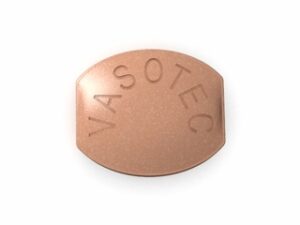
Enalapril (Enalapril Maleate) – Patient Guide (Australia)
Enalapril is a medicine used to treat certain cardiovascular conditions and help protect the heart and kidneys over time. It belongs to a group of medicines called ACE inhibitors (angiotensin-converting enzyme inhibitors). This guide explains what Enalapril does, how it works, what to expect, and important safety considerations for people in Australia.
Quick product information
| Category | Details |
|---|---|
| Medicine name | Enalapril (usually as enalapril maleate) |
| Medicine type | ACE inhibitor |
| Common forms | Tablets (strengths vary by brand and market) |
| Typical uses | High blood pressure, heart failure, and some heart-related conditions |
| How it is taken | Usually once or twice daily depending on the condition |
| Key monitoring | Blood pressure, kidney function (creatinine), and potassium levels |
How Enalapril works (mechanism of action)
Enalapril works by blocking ACE, an enzyme that helps produce angiotensin II. Angiotensin II is involved in narrowing blood vessels and raising blood pressure.
By reducing angiotensin II and increasing levels of beneficial peptides (including bradykinin pathways), Enalapril helps to:
- Relax and widen blood vessels, lowering blood pressure
- Reduce the workload on the heart, improving circulation
- Support kidney function in appropriate patients by lowering harmful pressure in kidney blood vessels
- Improve symptoms and reduce hospitalisation risk in some people with heart failure
Pharmacokinetics (how the body handles Enalapril)
Understanding pharmacokinetics can help you know when effects start and why dosing matters. Enalapril is a “prodrug,” meaning it is converted in the body to its active form.
- Absorption: Enalapril is absorbed after you take it by mouth.
- Conversion: The body converts enalapril into an active metabolite (enalaprilat).
- Peak activity: Active levels generally peak within several hours after dosing.
- Distribution: It distributes throughout the body and reaches target blood vessels and organs.
- Elimination: The active metabolite is mainly removed via the kidneys.
Because kidney function affects clearance, your doctor may adjust the dose if you have reduced kidney function.
What Enalapril is typically used for
Enalapril is commonly used for cardiovascular conditions where ACE inhibition offers benefit. Typical indications include:
- Hypertension (high blood pressure): to lower blood pressure and reduce cardiovascular risk.
- Heart failure: to improve symptoms, quality of life, and reduce hospitalisations.
- Left ventricular dysfunction after heart attack (in some patients), to help reduce risk of progression.
If you’re unsure whether Enalapril is intended for your specific condition, check your treatment plan and ask your pharmacist.
Timing: when to take Enalapril
Enalapril is usually taken once or twice daily, depending on your condition and individual response. Consistent dosing helps maintain stable blood pressure and heart protection.
- Choose a routine: Take your dose at the same times each day.
- Missed dose: If you miss a dose, take it when you remember unless it is close to your next dose. Do not take a double dose.
- After starting: Some people feel light-headed during the first days as blood pressure adjusts. If this happens, rising slowly and timing your dose to evening may help (seek advice if severe).
If you have any questions about your specific schedule, speak to your pharmacist for guidance.
Food interactions
Enalapril can generally be taken with or without food. Food is not expected to significantly reduce effectiveness for most people.
Practical note: choose the option that helps you remember your dose. If your stomach feels unsettled, taking it with a light meal may improve comfort.
Alcohol interactions and caution
Alcohol may increase the risk of side effects with Enalapril, mainly by contributing to lower blood pressure and dizziness.
- Avoid binge drinking and limit alcohol where possible.
- If you feel faint or dizzy, do not drive or operate machinery.
- Ask your clinician for personalised advice if you drink alcohol regularly.
Medicine interactions (important)
Enalapril can interact with other medicines—some interactions increase the risk of kidney problems, dangerously high potassium, or excessive blood pressure lowering.
Medicines that may increase potassium
- Potassium supplements
- Potassium-sparing diuretics (e.g., spironolactone, eplerenone, amiloride, triamterene)
- Some salt substitutes that contain potassium
Medicines affecting blood pressure
- Other antihypertensives (e.g., beta-blockers, calcium channel blockers, diuretics)
- Nitrates
- Medicines that can cause blood pressure lowering in general
Kidney-related interactions
- NSAIDs (anti-inflammatory pain relievers) such as ibuprofen, naproxen, diclofenac—regular/high-dose use can reduce kidney protection and increase risk of kidney impairment
- Diuretics (“water tablets”)—may increase risk of low blood pressure or kidney changes, particularly early in treatment
Other notable interactions
- Lithium (risk of increased lithium levels and toxicity)
- Some immune-suppressing medicines (risk of blood count changes in certain situations)
- Neprilysin inhibitors (used in some heart failure regimens) require special caution due to increased risk of angioedema
This list is not exhaustive. Always tell your pharmacist about all medicines you take, including over-the-counter products and supplements.
Dosing: typical regimens and how dose changes may work
Dosing varies by the condition being treated, your blood pressure, kidney function, and how you respond to the medicine. Your clinician may start at a lower dose and gradually increase.
General dosing principles
- Start low and go slow: This helps reduce the chance of dizziness or kidney-related side effects.
- Titration: Dose may be adjusted every 1–2 weeks (or longer) based on results and tolerability.
- Monitoring: Blood pressure, kidney function, and potassium are commonly checked after starting or changing dose.
Common starting patterns (illustrative)
Because products vary and patient factors differ, the exact dose should follow your treatment plan. As a general guide, clinicians often use:
- Hypertension: a starting low dose once or twice daily, titrated to effect
- Heart failure: a low starting dose, often split and titrated carefully
- Reduced kidney function: dose adjustments may be required
If you are comparing strengths or switching brands, ask your pharmacist to confirm that the milligrams and schedule match your plan.
Safety profile: what to watch for
Most people tolerate Enalapril well, but like all medicines it can cause side effects. Some effects are mild and settle with time, while others require urgent attention.
Common or expected side effects
- Dizziness, especially when standing up (postural hypotension)
- Dry, persistent cough
- Headache
- Tiredness
- Nausea or mild stomach discomfort
Serious side effects—seek urgent help
Contact emergency services or seek urgent medical advice if you experience:
- Swelling of the face, lips, tongue, throat, or difficulty breathing (possible angioedema)
- Severe allergic reaction
- Fainting or severe dizziness
- Signs of kidney problems such as significantly reduced urine output, unusual swelling, or severe fatigue
- High potassium symptoms (may include muscle weakness or unusual heartbeat—often identified via blood tests)
When to contact your doctor promptly
- Your cough is troublesome and persistent (many people tolerate it, but sometimes a change is needed)
- You become unwell with vomiting/diarrhoea or cannot eat/drink normally (risk of dehydration affecting kidneys and blood pressure)
- You have a new rash or fever
Practical use tips for everyday life
- Hydration matters: Stay adequately hydrated unless you’ve been advised to restrict fluids.
- Stand up slowly: If you feel light-headed, rise slowly from sitting or lying positions.
- Don’t stop suddenly without advice: Stopping ACE inhibitors may cause blood pressure or heart symptoms to worsen.
- Keep monitoring appointments: Regular blood tests (kidney function and potassium) are important.
- Track your blood pressure: If you’re monitoring at home, note readings and symptoms.
- Inform other healthcare providers: Tell dentists and other clinicians you take an ACE inhibitor.
If you miss doses due to illness or travel, discuss the best approach with your pharmacist or clinic. Guidance is especially important around sickness where dehydration is likely.
Special populations: considerations you may hear about
- Kidney impairment: Enalapril is cleared through the kidneys; dose adjustment and close monitoring are often required.
- Older adults: Start carefully due to higher likelihood of dizziness or changes in kidney function.
- People with diabetes: Monitoring of kidneys and potassium is especially important.
- People with a history of angioedema: Caution is essential.
- Pregnancy and breastfeeding: Discuss with your clinician promptly if pregnancy is possible or planned. (Medication suitability changes in pregnancy.)
Alternative options
If Enalapril is not suitable, alternative medicines may include other drug classes depending on the reason you’re taking it. Your clinician will consider your condition, kidney function, potassium levels, and side effects.
Common alternatives
- ARBs (angiotensin receptor blockers) (often used if ACE inhibitor cough occurs)
- Other antihypertensives such as thiazide-like diuretics, calcium channel blockers, or beta-blockers (depending on your diagnosis)
- Heart failure regimens may include additional medicines (e.g., certain beta-blockers and other therapies) tailored to the individual
Don’t switch medications on your own—dose equivalence and monitoring requirements differ. If you have a persistent cough or other side effects, ask your pharmacist about what options may suit you best.
Market and legal context in Australia
In Australia, medicines are regulated by the Therapeutic Goods Administration (TGA). The availability and classification of medicines (including whether they require a prescription) is determined by the TGA based on safety and use.
Enalapril is a widely used medicine in Australia, with established prescribing practices and long-term safety monitoring. Availability can vary by brand and strength, and pharmacists can advise on substitution rules where relevant.
For safe use, always ensure you receive the correct product strength and dosing schedule from your pharmacy.
Recent guidance (what to expect in practice)
Clinical practice commonly emphasizes:
- Regular monitoring of kidney function and potassium, especially after starting or adjusting dose
- Caution with interacting medicines, particularly NSAIDs, potassium supplements, and potassium-sparing diuretics
- Awareness of ACE inhibitor cough and angioedema risk, with prompt action if symptoms occur
- Sickness management advice (seeking medical guidance if vomiting/diarrhoea leads to dehydration)
Your pharmacist can help you understand the monitoring schedule and what to do if you become unwell.
Delivery, availability, and how to order online (Australia)
Online pharmacies in Australia typically offer delivery to eligible postcodes and provide tracking where available. Availability may depend on brand and tablet strength.
- Stock updates: Popular strengths may sell quickly; ordering early helps.
- Packaging: Medicines are supplied in pharmacy-approved packaging with clear labelling.
- Delivery timeframes: Depend on location and courier services.
- Cold chain: Enalapril tablets do not generally require special temperature-controlled delivery.
When you place an order, double-check the product name, strength, and quantity. If anything looks inconsistent, contact the pharmacy before using the medicine.
FAQ: Enalapril questions and answers
1) How long does it take for Enalapril to work?
Blood pressure may start improving within hours to days, but full benefit for heart failure and long-term cardiovascular protection develops over weeks. If you don’t feel “different,” that can be normal—many blood pressure benefits are not felt as symptoms.
2) Is Enalapril safe to take with food?
Yes. Enalapril is generally taken with or without food. Choose what helps you maintain regular dosing.
3) Can I drink alcohol while taking Enalapril?
Small amounts may be acceptable for some people, but alcohol can increase dizziness and lowering of blood pressure. If you feel light-headed, reduce or avoid alcohol and talk to your pharmacist or doctor.
4) Why do I need blood tests while on Enalapril?
Enalapril can affect kidney function and potassium levels. Blood tests help ensure levels remain safe, especially after starting or changing the dose.
5) What if I get a dry cough?
A dry, persistent cough can be an ACE inhibitor side effect. Many people tolerate it, but if it’s bothersome, speak to your pharmacist or doctor. A change to an ARB (or other option) may be considered depending on your situation.
6) What should I do if I miss a dose?
Take it when you remember unless it is almost time for your next dose. Do not take a double dose to make up for the missed tablet.
7) Are NSAIDs like ibuprofen safe to use?
NSAIDs can interact with ACE inhibitors and may affect kidney function and blood pressure control, particularly with frequent or high-dose use. Ask your pharmacist what pain relief is safest for you.
8) What are warning signs that need urgent attention?
Seek urgent medical help if you have facial/lip/tongue/throat swelling, breathing difficulty, fainting, severe dizziness, or signs of significant kidney problems. These can be serious and require prompt assessment.
9) Can Enalapril be stopped once I feel better?
Enalapril supports long-term cardiovascular health. Stopping can lead to blood pressure or heart symptoms worsening. Always discuss changes with your clinician.
10) Is Enalapril the same as other ACE inhibitors?
No. Other ACE inhibitors exist, but dosing and side effects can differ. If you switch, ensure you receive the correct medicine strength and directions.
Summary
Enalapril is an ACE inhibitor used to treat conditions such as high blood pressure and heart failure. It works by relaxing blood vessels and reducing strain on the heart and circulation. For best results, take it regularly at the scheduled times, monitor kidney function and potassium as advised, and be cautious with interacting medicines—especially NSAIDs and potassium-related supplements.
If you would like help choosing the right product strength or understanding how to fit Enalapril into your routine, your pharmacist can provide tailored guidance.