

Esomeprazole (Nexium®-type) – Patient Guide (Australia)
Esomeprazole is a medicine used to reduce stomach acid. It belongs to a group called proton pump inhibitors (PPIs). In Australia, esomeprazole is widely used for conditions such as gastro-oesophageal reflux disease (GORD) (heartburn and acid reflux), gastritis, and the prevention and healing of certain stomach ulcers.
This guide explains how esomeprazole works, when to take it, interactions (including with food and alcohol), typical dosing, safety considerations, and practical tips for getting the best results. It also includes useful information about availability and supply in Australia.
Quick product information
- Medicine name: Esomeprazole
- Medicine type: Proton Pump Inhibitor (PPI)
- How it helps: Reduces stomach acid production
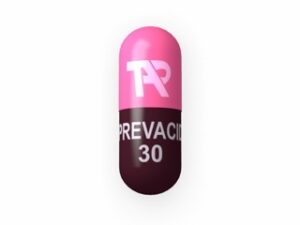
- Common forms: Tablets/capsules (varies by brand), some strengths
- Typical effect: Improved reflux symptoms, healing of acid-related damage over time
- Brand examples (may vary): Nexium® and other generic brands
Note: Product strength and formulation (e.g., delayed-release tablets) can differ by brand and country. Always check the label for your specific product and follow your healthcare professional’s instructions.
How esomeprazole works (mechanism of action)
Esomeprazole works by blocking the final “pump” that produces acid in the stomach lining. Specifically, it inhibits H+/K+ ATPase (the proton pump) in the parietal cells of the stomach.
- Result: Less acid is released into the stomach and oesophagus.
- Why timing matters: The medicine works best when taken before the stomach starts producing acid for the day (usually before meals), because it needs to be activated in the acidic environment and then binds effectively to proton pumps that are actively producing acid.
- Onset: Symptoms may improve quickly, but healing of inflammation/ulcers generally takes time (often several days to weeks depending on the condition).
Pharmacokinetics (how the body handles it)
Understanding basic pharmacokinetics can help explain why dosing and timing matter.
- Absorption: Esomeprazole is absorbed from the gastrointestinal tract. Because it is sensitive to stomach acid, formulations are designed to protect the medicine as it travels to its absorption site.
- Activation: After absorption, esomeprazole is activated in the acidic environment of the stomach’s acid-producing cells.
- Protein binding: It is moderately bound to plasma proteins.
- Metabolism: Mainly metabolised in the liver, largely via the CYP2C19 enzyme (and other pathways).
- Half-life: Typically around 1 hour for clearance of drug from plasma, but its acid-suppressing effect lasts longer because it binds to proton pumps.
- Duration of effect: A single daily dose often provides clinically meaningful acid control for 24 hours, depending on the formulation and the individual.
Genetic variation note: Some people are “CYP2C19 poor metabolisers,” which can lead to higher esomeprazole exposure. This is one reason your prescriber may adjust dosing if needed.
Typical uses and indications
Esomeprazole is used for conditions related to stomach acid and the healing of acid-related injury. Indications may vary by product strength and local listing. Common uses include:
- GORD (reflux disease): To relieve symptoms such as heartburn and acid regurgitation.
- Erosive oesophagitis (inflammation of the oesophagus): For healing and symptom relief.
- Prevention of relapse: In some patients with a history of oesophagitis.
- Peptic ulcer disease: Including gastric (stomach) ulcers and duodenal ulcers (healing and/or symptom control depending on the plan).
- NSAID-associated ulcer prevention: In people at risk of ulcers who need anti-inflammatory medicines (e.g., some NSAIDs) and require acid suppression.
- Helicobacter pylori (H. pylori) regimens: Often used as part of combination therapy with antibiotics (your doctor will specify the regimen).
Important: If you have alarm symptoms (see below), do not rely on self-treatment—seek medical advice promptly.
Seek urgent medical advice if you have:
- Unintentional weight loss
- Difficulty swallowing or painful swallowing
- Persistent vomiting, vomiting blood, or black/tarry stools
- Chest pain or shortness of breath (especially with exertion)
- Symptoms starting after age ~55 or quickly worsening
When to take esomeprazole (timing & dosing principles)
Timing is one of the most important factors for success with PPIs.
Typical timing
- Once daily (common): Take 1 hour before food, usually before breakfast.
- Twice daily (if prescribed): Take one dose before breakfast and the second dose before dinner (or as directed).
- Swallow whole: Many esomeprazole products are delayed-release. Swallow tablets/capsules whole with water. Do not crush or chew unless your product instructions allow it.
Why: Taking it before meals helps ensure the proton pumps are inhibited when food stimulates acid production.
How long it takes to work
- Symptom relief: Often begins within a day or two, but may take longer for full relief.
- Healing: For oesophagitis/ulcers, healing commonly takes several weeks. If symptoms do not improve as expected, reassessment is advised.
Tip for missed doses: If you miss a dose, take it when you remember unless it is close to the next dose. Do not double up.
Dosing (general guidance)
Doses vary depending on the indication, severity, and formulation. Always follow your label or healthcare advice. Below is general information commonly used for adults.
| Condition (typical) | Common adult dosing pattern | Notes |
|---|---|---|
| GORD symptoms / heartburn | Often once daily | Many regimens start with a lower strength and are adjusted based on response. |
| Erosive oesophagitis | Often once daily; sometimes higher dosing | Healing may require several weeks. |
| Maintenance / prevention of relapse | Often once daily | Lowest effective dose is commonly used long-term when needed. |
| Peptic ulcers | Usually once or twice daily | Course length depends on ulcer type and healing. |
| H. pylori eradication regimens | Part of combination therapy | Antibiotics and duration are essential for eradication. |
| NSAID-associated ulcer risk | Often once daily | Used alongside the NSAID plan for risk reduction. |
Children and special populations: Dosing for children differs and must be determined by a clinician. In older adults, in pregnancy, or with liver impairment, dosing may need individual assessment.
Food interactions and practical eating tips
Food can affect how well esomeprazole works.
Food timing
- Best results: Take esomeprazole before meals (commonly before breakfast).
- If taken with or after food: Acid suppression may be less effective, which can reduce symptom control.
- Consistency matters: Try to take it at the same time daily.
What to eat/drink while taking it
- There are no specific foods that must be avoided in most cases.
- However, if you have reflux, lifestyle factors can strongly influence symptoms (see “Practical use tips”).
Alcohol and medicine interactions
Alcohol
Alcohol does not have a direct “danger” interaction with esomeprazole for most people, but it can worsen reflux symptoms by relaxing the lower oesophageal sphincter and irritating the stomach/oesophagus.
- For reflux/heartburn: Limit alcohol or avoid if it triggers symptoms.
- For ulcers or gastritis: Alcohol may increase irritation; ask a pharmacist or doctor if you are unsure.
Medicine interactions (important)
Esomeprazole is metabolised in the liver and can affect the processing of other medicines. Some interactions are clinically important.
- Clopidogrel: Esomeprazole may reduce clopidogrel effectiveness in some situations due to CYP2C19 interaction. This is a key “check before use” interaction.
- Antifungals: Medicines like ketoconazole/itraconazole may have reduced absorption due to less stomach acid.
- Some HIV medicines: Absorption may be affected for certain agents depending on regimen and formulation.
- Warfarin: Occasional increased monitoring may be needed if you are on warfarin, as effects on INR can be variable.
- Methotrexate (high dose): There may be increased methotrexate levels with PPIs in some contexts; clinicians monitor where relevant.
- Digoxin: Reduced stomach acidity may alter digoxin absorption for some people; monitoring may be considered.
- Other acid-lowering medicines: Using multiple PPIs or combining with certain H2 blockers should be clinician-guided to avoid unnecessary dosing.
- Medicines requiring acid for absorption: Some drugs depend on stomach acid for absorption—ask if you have a specialist medication.
Always tell your pharmacist or healthcare professional about all medicines you take, including non-prescription products (e.g., antacids, supplements, herbal products).
Safety profile and side effects
Like all medicines, esomeprazole can cause side effects. Many people tolerate it well. Side effects can be more likely in those using it longer-term or at higher doses.
Common side effects
- Headache
- Nausea
- Diarrhoea
- Abdominal pain or discomfort
- Flatulence
Less common but important
- Constipation
- Dizziness
- Skin reactions (rash, itching)
- Fatigue
Seek medical help if you have
- Severe allergic reaction (swelling of face/lips, difficulty breathing)
- Severe or persistent diarrhoea (especially with fever or blood)
- New or worsening chest pain, swallowing difficulties, or unexplained weight loss
Long-term safety considerations
For people who need PPIs for extended periods, clinicians often aim for the lowest effective dose and review the need regularly. Potential long-term risks (not guaranteed, but discussed in medical guidance) include:
- Vitamin and mineral changes: Possible reduced absorption of nutrients such as magnesium and vitamin B12 in some patients.
- Bone health: In some studies, long-term PPI use has been associated with a modest increase in risk of fractures, particularly in older adults or those with other risk factors.
- Infections: Changes in stomach acidity may increase susceptibility to some gastrointestinal infections.
Monitoring: If you’re on esomeprazole long-term, discuss whether you need periodic blood tests or review.
Practical use tips for best results
- Take it consistently: Choose a routine before breakfast (or before the stated meal).
- Use with water: Swallow whole with water; avoid crushing/chewing unless your product allows it.
- Give it a fair trial: If you’re using it for reflux symptoms, allow a few days for improvement. If no improvement occurs, seek advice.
- Don’t “stack” acid medicines unnecessarily: If you use antacids, they may help breakthrough symptoms, but avoid frequent repeated dosing without review.
- Lifestyle matters: Try smaller meals, avoid lying down for at least 2–3 hours after eating, reduce trigger foods, and consider weight management if relevant.
- Track symptoms: Note timing, triggers, and response. This helps you and your pharmacist/doctor adjust the plan.
Lifestyle strategies that may reduce reflux
- Elevate the head of the bed
- Avoid tight waist clothing
- Limit caffeine, spicy foods, and high-fat meals if they trigger symptoms
- Stop smoking (if relevant)
Alternative options to consider
Depending on your symptoms and diagnosis, other treatment options may be appropriate:
Other medicines
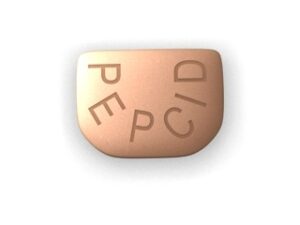
- H2 receptor antagonists (H2 blockers): e.g., famotidine. These can help milder symptoms and may have a quicker onset for some people.
- Antacids: Provide rapid relief but short duration; useful for occasional breakthrough symptoms.
- Other PPIs: e.g., omeprazole, lansoprazole, pantoprazole. If one PPI doesn’t suit you, another may be considered by your healthcare professional.
Non-medicine options
- Diet and lifestyle modification (often very effective for GORD)
- For persistent, confirmed reflux: specialist assessment for options such as endoscopic or surgical therapies may be considered
Choosing an alternative: The best option depends on your diagnosis, severity, and other medicines. A pharmacist can help you compare suitability.
Market and legal context for Australia
In Australia, access to medicines is governed by the Australian Register of Therapeutic Goods (ARTG) and the national Poison Standard. Medicines are classified by schedule (e.g., Schedule 3, Schedule 4) depending on risk and intended use.
Esomeprazole availability: Some esomeprazole products may be available as lower-risk options for certain indications and durations, while other formulations or strengths may require a prescription pathway depending on local classification and the product.
Online pharmacies in Australia typically require accurate completion of required screening questions and may limit purchasing if criteria are not met. Always follow the prompts on the website and read product packaging carefully.
Guidance and review: Regulatory and clinical guidance in Australia supports appropriate use of acid-suppressing therapy, including advice to review ongoing need and avoid unnecessary prolonged use.
Recent clinical and regulatory guidance (general themes)
Recent guidance across Australia and internationally has focused on:
- Appropriate indications: Ensuring PPIs are used for confirmed or strongly suspected acid-related conditions.
- Step-down when possible: After symptom control, clinicians may consider the lowest effective dose or tapering strategies.
- Review long-term users: Regular reassessment of benefits vs risks.
- Be cautious with interactions: Particular attention to medicines impacted by CYP2C19 (for example, clopidogrel) and drugs affected by stomach pH.
Important: Always follow the most current advice provided by Australian health authorities or your healthcare professional, as product availability and recommendations can change.
Delivery, availability and ordering (Australia)
Online pharmacies in Australia commonly offer delivery Australia-wide (coverage and delivery times vary by provider and location). Availability may depend on:
- Brand and strength: Popular strengths and generic equivalents are usually stocked more reliably.
- Pack size: Some products are available in different pack sizes.
- Supply cycles: Delivery and restocking can vary during peak demand or manufacturing changes.
What to expect when ordering
- Verification steps: You may be asked to confirm your details and intended use to comply with Australian regulations.
- Secure packaging: Medicines are typically packed to protect tablets/capsules from moisture and damage.
- Delivery timeframes: Usually provided at checkout; sometimes includes standard and express options.
Storage: Store esomeprazole as directed on the label (generally in a cool, dry place). Keep it out of reach of children.
FAQ – Frequently asked questions
1) Is esomeprazole the same as Nexium®?
Esomeprazole is the active ingredient used in Nexium®. Many brands in Australia may contain esomeprazole (including generics). The key is to match the strength and formulation shown on the product label.
2) How quickly will I feel better?
Many people notice symptom improvement within a few days. Healing of inflammation or ulcers takes longer—often several weeks depending on the condition.
3) Can I take esomeprazole with food?
For best effect, take it before meals. Taking it with or after food may reduce effectiveness for reflux control.
4) Can I drink alcohol while using esomeprazole?
There is no universal “absolute” prohibition, but alcohol can worsen reflux and stomach irritation. Limiting alcohol is often helpful if you have GORD symptoms.
5) What if I miss a dose?
Take it when you remember unless it’s close to the next dose. Do not take a double dose to make up for a missed one.
6) What should I avoid while taking esomeprazole?
Avoid unnecessary duplicate acid-suppressing medicines (unless advised). Also check key drug interactions—especially medicines like clopidogrel—and discuss with a pharmacist if you’re unsure.
7) Can I take it long-term?
Some people require longer-term acid control. However, long-term use should be reviewed periodically to confirm it’s still needed and to use the lowest effective dose. Discuss your plan with a healthcare professional.
8) Are there any red flags where I should get medical advice?
Yes. Seek prompt medical advice if you have weight loss, trouble swallowing, persistent vomiting, vomiting blood, black stools, or chest pain/shortness of breath.
9) Will esomeprazole cure reflux?
It can control symptoms and allow healing, but reflux can be recurring. Lifestyle measures and appropriate ongoing management may be needed.
10) What alternatives exist if esomeprazole doesn’t help?
Options may include adjusting timing/dose, switching to another PPI, using an H2 blocker, or investigating other causes of symptoms. If symptoms persist, medical review is recommended.
Disclaimer: This information is general and intended for patient education. It does not replace advice from a pharmacist or other healthcare professional. Always read the product label and consult a healthcare professional if you have questions about suitability, dosing, or interactions for your individual situation.