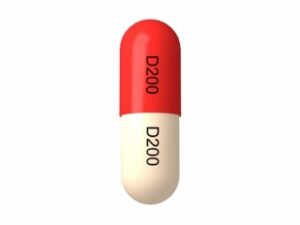

Femara (Letrozole) — Patient Information for Australia
Femara is a medicine containing letrozole, used to treat certain hormone-sensitive cancers in postmenopausal women and in some other clinical situations under specialist care. This page explains what Femara is, how it works, how it’s taken, key safety considerations, and practical guidance to help you use it more confidently.
Important: Always follow your prescriber’s instructions and read the Consumer Medicine Information (CMI) supplied with your medicine. The information below is general and may not cover every individual circumstance.
1) Basic product information
| Feature | Details |
|---|---|
| Brand name | Femara |
| Generic name | Letrozole |
| Medicine type | Aromatase inhibitor (anti-estrogen therapy) |
| Common strength | Typically available as 2.5 mg tablets |
| How it’s taken | Oral tablets, usually once daily |
| Who it may be for | Primarily postmenopausal women with hormone receptor–positive breast cancer (depending on indication) |
2) What Femara does (mechanism of action)
Femara (letrozole) works by reducing oestrogen levels in the body. It belongs to a group of medicines called aromatase inhibitors.
In postmenopausal women, a major source of oestrogen is the conversion of androgens to oestrogens in peripheral tissues (such as fat and muscle) through an enzyme called aromatase.
- Letrozole blocks aromatase, lowering oestrogen production.
- For oestrogen receptor–positive (ER+) breast cancers, less oestrogen can slow growth and reduce recurrence risk (depending on the treatment setting).
- Because it works by lowering oestrogen, it is not a chemotherapy medicine; it’s a targeted hormonal approach.
3) Pharmacokinetics (how the body handles it)
Understanding how a medicine behaves in the body can help you anticipate timing and consistency.
Absorption
Letrozole is absorbed after oral dosing. Peak levels in the blood typically occur within a few hours (commonly around 1–2 hours after taking a dose).
Distribution and metabolism
Letrozole distributes throughout the body and is metabolised mainly by the liver (involving pathways including CYP enzymes). Metabolites are eliminated primarily by the kidneys and through bile.
Elimination and half-life
The medicine has an effective half-life that supports once-daily dosing. Even when individual levels decline, the overall effect on oestrogen production persists long enough for daily administration in typical regimens.
Your clinician may adjust the plan if you have significant liver problems or other medical factors.
4) Typical use and indications in plain language
Femara is used for certain types of hormone receptor–positive breast cancer. The exact treatment goal can vary, for example:
- Early breast cancer: to reduce the risk of recurrence after surgery (adjuvant therapy).
- Extended adjuvant therapy: to continue lowering recurrence risk for a period after initial treatment.
- Advanced or metastatic breast cancer: to control disease progression.
- Neoadjuvant / initial treatment in some settings: to shrink tumours before other therapies (where appropriate under specialist direction).
Whether Femara is suitable depends on factors such as menopausal status, tumour hormone receptor status, prior treatments, and your overall health.
Who benefits most
Many patients treated with letrozole have ER-positive (and often PR-positive) breast cancer. If your tumour is hormone receptor–negative, Femara may not be beneficial.
5) Dosing: how Femara is commonly taken
The most common adult dose is letrozole 2.5 mg by mouth once daily.
How long you take it depends on the indication (early vs advanced disease, and the treatment plan agreed with your oncology team).
Practical dosing tips
- Try to take it at the same time each day to maintain steady medicine levels.
- Take the tablet whole with water unless your CMI advises otherwise.
- Don’t double up to make up for a missed dose—contact your healthcare team for specific advice.
If you miss a dose
General guidance (not a substitute for your CMI): if you remember later the same day, you may take the missed dose. If it’s close to the next scheduled dose, skip the missed dose and resume your regular schedule. When in doubt, ask your pharmacist or healthcare provider.
6) Timing: when to take Femara (and does time of day matter?)
Femara is usually taken once daily. Most people can choose a time that suits their routine. Consistency is more important than the specific hour.
- Some people prefer taking it at the same time in the morning, others at night.
- If you experience side effects such as nausea or headaches, your clinician may suggest taking it at a particular time (or with specific lifestyle adjustments).
7) Food interactions and what to eat
Letrozole can generally be taken with or without food. Food is not usually expected to substantially change effectiveness for most patients.
However, if taking Femara makes you feel unwell (such as mild nausea), you may find it helpful to:
- take it after a meal instead of on an empty stomach, and/or
- eat smaller, lighter meals and stay hydrated.
Always speak with your pharmacist if you are taking multiple medicines or have special dietary requirements.
8) Alcohol and medicine interactions
There are no universal “always avoid” alcohol rules for letrozole, but alcohol can affect overall health, sleep, and the way you tolerate side effects. In cancer care, it’s best to consider alcohol carefully.
Practical approach
- Moderation is key. If you choose to drink, keep it limited and avoid binge drinking.
- If you experience fatigue, dizziness, or mood changes, alcohol may worsen these effects.
- If you are also taking other cancer therapies, pain medicines, anti-nausea medicines, or sleep aids, check for interactions with your pharmacist.
Other medicine interactions (important)
Letrozole is metabolised in the liver. Some medicines can affect drug-metabolising enzymes and potentially alter letrozole levels.
Tell your healthcare provider about all medicines you take, including:
- prescription medicines
- over-the-counter medicines (including cold/flu products)
- vitamins and supplements
- herbal products
In particular, be cautious with:
- enzyme-inducing medicines (some can reduce medicine levels)
- medicines that affect liver metabolism
Your pharmacist can help you check interactions using your full medication list.
9) Safety profile: common and serious side effects
Like all medicines, Femara can cause side effects. Many are manageable, and most patients continue treatment with appropriate support.
Common side effects
- Hot flushes
- Joint and muscle aches (arthralgia/myalgia)
- Fatigue
- Headache
- Nausea
- Swelling in parts of the body (oedema)
- Vaginal dryness or changes in vaginal comfort
- Skin rash (in some patients)
- Decreased bone mineral density over time
Bone health and fractures (a key safety consideration)
Because letrozole lowers oestrogen, it can lead to bone thinning (osteopenia) and increase the risk of osteoporosis and fractures.
Your doctor may recommend:
- baseline and follow-up bone density scans
- adequate calcium and vitamin D intake
- exercise such as weight-bearing activities (as appropriate for you)
- additional bone-protecting treatments in some cases
Less common but serious side effects (seek medical advice urgently)
- Signs of severe allergic reaction: swelling of face/lips, trouble breathing, hives
- Severe or persistent chest pain, shortness of breath, or signs of blood clots
- Unexpected severe pain, especially in the back, hips, or ribs (possible fracture)
- Severe liver-related symptoms: yellowing of skin/eyes (jaundice), dark urine, severe abdominal pain
If you experience concerning symptoms, contact a healthcare professional promptly.
10) Practical use tips for everyday life
Small adjustments can make treatment easier to tolerate. Below are practical strategies commonly used by patients.
Managing joint aches (arthralgia)
- Gentle stretching and regular low-impact exercise (walking, swimming) can help.
- Heat packs or warm showers may reduce stiffness.
- Discuss pain relief options with your pharmacist (including whether any anti-inflammatory medicines are appropriate for you).
- Seek medical review if pain becomes severe or affects daily activities.
Hot flushes
- Keep your environment cool; use fans if needed.
- Avoid triggers such as spicy foods, hot drinks, and smoking.
- Relaxation techniques (breathing, mindfulness) may reduce discomfort.
- If hot flushes are frequent, talk to your clinician about supportive treatments.
Vaginal dryness or sexual wellbeing
- Use lubricants and moisturisers designed for vaginal dryness.
- Discuss options with your healthcare provider if symptoms interfere with quality of life.
- Don’t hesitate to raise concerns—support is available.
Fatigue
- Plan rest periods and pace activities.
- Light movement can sometimes help reduce fatigue—start gradually.
- Check for other contributors (anaemia, poor sleep, low mood) with your doctor.
Bone support
- Maintain a diet adequate in calcium and vitamin D.
- Do balance and weight-bearing exercises if safe for you.
- Report any falls or sudden severe pain to your healthcare team.
11) Alternative options to Femara (letrozole)
Depending on your condition and treatment plan, clinicians may consider other hormonal therapies or aromatase inhibitors, or different classes of medicines.
Other aromatase inhibitors
- Anastrozole
- Exemestane
Other hormonal approaches
- Tamoxifen (a selective oestrogen receptor modulator)
- Fulvestrant (a selective oestrogen receptor degrader, given by injection)
The “best” alternative depends on menopausal status, previous therapy, tumour characteristics, side-effect profile, and overall goals of care. Your oncology team can guide decisions.
12) Market and legal context in Australia
Femara (letrozole) is a widely used medicine in Australia for appropriate breast cancer indications. In Australia, medicines are supplied under the regulatory framework administered by the TGA (Therapeutic Goods Administration) and through pharmacy supply channels.
Availability may depend on product listings, brand supply, and your location. Many pharmacies can provide letrozole via brand or generic alternatives depending on what is currently stocked and what is prescribed as part of your care plan.
Recent guidance (high level)
Clinical practice in Australia generally aligns with international oncology guidance and TGA/health authority updates. Over time, guidance has reinforced:
- use of endocrine therapy for appropriate hormone receptor–positive disease
- attention to bone health monitoring during long-term aromatase inhibitor use
- management of treatment-related side effects to support adherence
For the most current recommendations, your treating team will follow the latest evidence and Australian clinical guidance.
13) Delivery and availability (online pharmacy considerations)
Online pharmacies in Australia may provide delivery of medicines depending on local regulations, stock availability, and product classification. Delivery times can vary by state/territory, shipping method, and courier services.
- Confirm stock availability at checkout or by contacting customer support.
- Check packaging and expiry upon receipt.
- If you require urgent treatment, ask about express delivery options.
You should also be mindful that some medicines may be subject to supply fluctuations. If Femara is temporarily unavailable, your pharmacist may advise on generic letrozole or other clinically appropriate options.
14) Storage and handling
- Store at room temperature as stated on the package/CMI.
- Keep medicines in their original packaging until use.
- Keep out of reach of children.
- Do not use after the expiry date.
15) FAQ — Frequently asked questions
How long does Femara take to start working?
Femara begins lowering oestrogen activity after dosing, but the timing of clinical benefit depends on the cancer type, stage, and your overall treatment plan. Your specialist will monitor your response using clinical reviews and, where applicable, imaging and blood tests.
Can I take Femara with other cancer medicines?
Often, letrozole is combined with other treatments depending on the setting (for example, surgery, radiotherapy, or other systemic therapies). However, the combination should be planned by your oncology team to manage both benefit and side effects.
Does Femara cause weight gain?
Weight changes can occur during cancer treatment, but weight gain is not a guaranteed side effect of Femara. Fatigue, reduced activity, hormonal changes, diet, and other therapies can all influence weight. If weight changes concern you, discuss practical strategies with your healthcare team.
Is it safe to breastfeed while taking Femara?
Femara is used primarily in postmenopausal settings and is not generally intended for use during breastfeeding. If you have questions about fertility, contraception, or pregnancy, ask your clinician for individualised advice.
What should I do if I develop severe joint pain?
Contact your healthcare provider promptly. Joint pain is common, but severe or persistent symptoms may require assessment and supportive care. Do not stop the medicine without professional advice.
Will Femara affect my bone density?
Yes. Lower oestrogen can reduce bone mineral density. Many patients will have bone monitoring (such as DEXA scans) and may be advised on calcium/vitamin D, lifestyle measures, or additional bone-protecting medication if needed.
Can I drink alcohol while taking Femara?
In general, alcohol may be possible in moderation, but it can worsen fatigue and certain side effects for some people. If you are unsure, discuss your situation with your pharmacist or doctor—especially if you take other medicines that may interact with alcohol.
Are there any interactions with vitamins or herbal products?
Some supplements and herbal products can interact with medicines or affect liver metabolism. Always tell your pharmacist about all supplements. They can help verify safety for your specific regimen.
What if Femara is not available—can I switch?
In many cases, generic letrozole may be an equivalent option. Switching should still be guided by your pharmacist and/or treating clinician to ensure the correct dose and suitability for your situation.
What symptoms should make me seek urgent care?
Seek urgent medical help if you have signs of severe allergic reaction (such as trouble breathing or facial swelling), symptoms suggesting a blood clot (for example, sudden shortness of breath or one-sided leg swelling), severe chest pain, or signs of serious liver problems (jaundice, dark urine, severe abdominal pain).
Summary
Femara (letrozole) is an aromatase inhibitor used to treat certain hormone receptor–positive breast cancers. It works by lowering oestrogen production, which helps slow the growth of oestrogen-dependent cancer cells. The medicine is usually taken once daily, with or without food, and side effects often relate to lowered oestrogen—such as hot flushes, joint aches, and changes in bone density. Regular monitoring, lifestyle support, and open communication with your healthcare team can help you manage side effects and use your treatment safely.