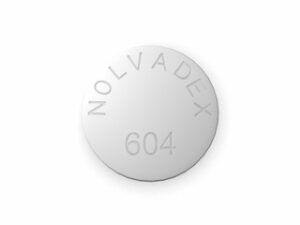


Danazol (Danocrine® and generics) – Patient Information (Australia)
Danazol is a medicine used for several hormone-related conditions. It works by affecting the production and action of certain natural body hormones, which can help reduce symptoms such as pain, swelling, or abnormal bleeding.
This page is written for patient-friendly understanding and includes practical guidance about how danazol works, common uses, typical timing, important food and medicine interactions, safety considerations, and availability in Australia.
At a glance
- What it is: A synthetic steroid-like medicine related to androgens (male-type hormones).
- How it works: Reduces gonadotropin release from the brain, lowering ovarian activity and menstrual bleeding patterns.
- Common uses: Endometriosis and certain bleeding and hereditary angioedema conditions in selected patients.
- How it’s taken: Usually by mouth, with timing varying by condition.
- Key cautions: Potential hormonal side effects, liver effects, and significant interactions with other medicines.
- Alcohol/food: Alcohol may increase liver strain; certain foods can affect absorption.
Basic product information
| Category | Information |
|---|---|
| Medicine name | Danazol |
| Brand examples | Danocrine® (may vary by availability) |
| What form it comes in | Tablets (strengths vary by product) |
| Type | Synthetic steroid (is an androgenic/antigonadotrophic agent) |
| How it is used | Oral therapy for specific hormone-related conditions |
Brand availability can change over time. Your local Australian pharmacy can confirm the exact product and strength supplied.
Mechanism of action (how danazol works)
Danazol reduces the release of key reproductive hormones by acting on the hormone control system in the brain and pituitary gland. In practical terms, it can:
- Lower gonadotropins (signals that stimulate ovarian function)
- Reduce oestrogen-related stimulation of conditions such as endometriosis
- Alter hormone balance in ways that may help reduce symptoms and bleeding patterns
- In hereditary angioedema, help stabilise the tendency for swelling episodes in selected patients
Because it affects hormone pathways, it can also cause androgen-like effects (for example, acne or voice changes in some people), which is why safety monitoring is important.
Pharmacokinetics (what the body does with danazol)
Pharmacokinetics describes absorption, distribution, metabolism, and elimination. While individual responses vary, key points include:
- Absorption: Danazol is absorbed after oral dosing. Food may influence how much is absorbed, so consistent timing matters.
- Distribution: It binds to plasma proteins and distributes throughout the body.
- Metabolism: Danazol is extensively metabolised, primarily in the liver.
- Elimination: Metabolites are eliminated mainly via bile and/or urine (exact proportions vary by patient and study).
- Half-life (approximate): The duration of effect can be long enough that dosing regimens differ by condition (once or multiple daily dosing is used depending on the plan).
Because metabolism is liver-dependent, people with liver disease require extra caution and may need alternative treatments.
Typical uses (indications) in Australia
Danazol is used for certain conditions where modulation of hormone pathways or specific protein pathways is beneficial. Indications can vary depending on local prescribing practices and product availability.
1) Endometriosis
Danazol has been used to help control symptoms of endometriosis such as pelvic pain and painful periods by reducing hormone-driven activity.
2) Hereditary angioedema (HAE)
In selected patients, danazol has been used as a preventive medicine to reduce the frequency of swelling attacks. It is not suitable for every type of angioedema, so correct diagnosis is essential.
3) Other selected hormone-related conditions
Depending on clinical judgement, danazol may be considered for other conditions involving abnormal hormone activity. Your clinician will weigh benefits against known risks.
Important: The best medicine depends on your diagnosis, age, medical history (including liver health), and other medications.
How and when to take danazol (timing and consistency)
Dosing and schedule vary by condition. Always follow the dosing plan provided by your healthcare professional and the instructions on your product label.
- Consistency is important: Try to take each dose at similar times each day.
- With or without food: Follow your clinician’s advice and the directions on your product packaging. If a particular routine works for you, keep it consistent.
- Missed dose: If you miss a dose, take it when you remember unless it’s close to the next dose. Do not double up.
- Do not stop suddenly: Abrupt changes may worsen symptoms. Discuss any discontinuation plan with your clinician.
Dosing (general guidance)
Danazol dosing is condition-specific and also depends on patient factors (for example, response and tolerance). Below is general information to help you understand what you may be offered; your prescriber will tailor it to you.
- Endometriosis: Dosing regimens have historically been given in cycles or continuous therapy, often with multiple daily doses early on. The lowest effective dose is commonly sought.
- Hereditary angioedema prophylaxis: Preventive dosing is typically adjusted to reduce attack frequency while minimising side effects.
- Adjustment: Clinicians may modify dose based on symptom control and laboratory monitoring (especially liver function and lipids).
If you would like, tell us the strength on your tablet and the condition you’re using it for, and we can help explain how a typical schedule may look (without replacing medical advice).
Food interactions (what to know)
Food can affect how danazol is absorbed. The most practical approach is:
- Keep your routine consistent: Take danazol in the same way each day (same time, similar meal pattern).
- If your clinician advises “with food”: follow that instruction to reduce stomach discomfort and improve consistency.
- If “on an empty stomach” is advised: maintain that approach so absorption remains predictable.
If you experience nausea, reflux, or other stomach upset, talk to your healthcare professional about whether taking with food (if appropriate for your regimen) might be safer for you.
Alcohol and medicine interactions
Alcohol
Danazol is metabolised by the liver. Regular or heavy alcohol consumption may increase stress on the liver and raise the risk of liver-related side effects.
- Limit alcohol intake where possible.
- Avoid binge drinking.
- Seek urgent advice if you develop yellowing of the skin/eyes (jaundice), dark urine, severe fatigue, or right upper abdominal pain.
Medicine interactions (general safety)
Danazol can interact with other medicines, largely due to metabolism pathways and hormonal effects. Always provide a complete medication list (including supplements and herbal products) to your healthcare professional and pharmacist.
Common categories that may be relevant:
- Other hormone therapies (may change risk/benefit balance)
- Liver-metabolised medicines (some drugs can change danazol levels)
- Medicines affecting blood clotting (hormonal medicines can influence clotting risk in some circumstances)
- Anticoagulants/antiplatelet medicines (interaction potential requires monitoring)
- Cholesterol/lipid-affecting medicines (danazol can worsen some lipid profiles in some patients)
Do not start or stop other medicines—including over-the-counter products—without checking interactions.
Safety profile (important cautions and side effects)
Danazol has a well-known safety profile for patients who need it, but it can cause hormone-related side effects and requires careful monitoring. Side effects vary by dose, duration, and individual sensitivity.
Common side effects
- Acne or oily skin
- Weight changes (some people experience gain)
- Headache
- Hot flushes or changes in sweating
- Changes in menstrual bleeding patterns
- Fatigue
- Muscle cramps or changes in energy levels
Androgen-like effects
- Voice deepening (more relevant with longer exposure)
- Increased facial/body hair
- Scalp hair thinning (pattern hair loss in susceptible people)
- Enlargement of the clitoris (in rare cases)
Less common but serious risks
- Liver effects: abnormal liver tests, hepatitis-like symptoms, or liver injury
- Lipid changes: increases in LDL or decreases in HDL in some patients
- Fluid retention and related symptoms
- Blood clot risk: risk may be influenced by other factors (personal history, immobility, smoking)
- Visual or neurological symptoms that should be assessed promptly
When to get urgent help
Contact emergency services or urgent care if you experience:
- Yellowing of the skin or eyes (jaundice)
- Severe abdominal pain, especially right upper abdomen
- Dark urine and pale stools
- Shortness of breath, chest pain, coughing blood, sudden severe leg swelling or pain
- Sudden severe headache, weakness, or vision changes
Who should be extra cautious
- People with liver disease or prior abnormal liver tests
- People with a history of hormone-sensitive conditions or clotting disorders
- People who are pregnant or may become pregnant (see next section)
- People with very high cholesterol or significant cardiovascular risk
Pregnancy, breastfeeding, and fertility considerations
Danazol affects hormone balance and may be harmful to an unborn baby. It is important to avoid exposure during pregnancy.
- Pregnancy: Do not use if you are pregnant unless your healthcare professional specifically advises otherwise due to exceptional circumstances.
- Contraception: Effective non-hormonal contraception may be recommended during treatment depending on your situation.
- Breastfeeding: Discuss with your healthcare professional before using danazol while breastfeeding.
If you think you might be pregnant, stop taking the medicine and contact your healthcare professional promptly for advice.
Practical use tips (making treatment easier and safer)
- Keep a medication diary: record the time you take each dose and any symptoms or side effects.
- Plan monitoring: ask your clinician about schedule for liver blood tests and lipid checks.
- Watch for skin and hair changes: report new acne or rapid hair changes early.
- Maintain liver-friendly habits: limit alcohol and avoid unnecessary herbal supplements that may affect the liver.
- Stay consistent with food timing: if the label or clinician advises “with food,” keep it that way.
- Do not share your medicine: danazol dosing is individual and based on diagnosis.
If side effects become bothersome, do not stop suddenly without advice—discuss options with your clinician.
Alternative options
Depending on the condition being treated, there may be alternative medicines or non-medicine approaches. Your clinician will choose options based on severity, goals (symptom control vs long-term management), and your health profile.
Endometriosis alternatives
- Progestins (e.g., hormonal therapies that suppress endometrial activity)
- Combined or progestogen-only oral contraceptives (in selected patients)
- GnRH analogues/antagonists (specialist use)
- Surgery in specific circumstances
- Pain management with appropriate analgesics (as advised)
Hereditary angioedema alternatives
- Specific prophylactic agents approved for HAE may be preferred depending on availability and patient factors
- On-demand treatments for attacks may be used alongside preventive therapy
Your pharmacy can help discuss what options are commonly available in Australia for your condition. If you share your diagnosis (and any other medicines you take), we can help you prepare questions for your clinician.
Market and legal context in Australia
Medicines in Australia are regulated under the Therapeutic Goods Administration (TGA). Danazol-containing products may be available depending on TGA listing, supply status, and treatment guidelines.
Availability can vary by strength, brand, and stock levels. Online pharmacy ordering can reduce travel but delivery timeframes still depend on local logistics and regulatory checks.
If a particular product is temporarily unavailable, pharmacies may offer an alternative equivalent product where appropriate, subject to clinical appropriateness and substitution policies.
Recent guidance and monitoring (practical overview)
Clinical guidance for danazol use generally emphasises:
- Choosing patients carefully based on diagnosis and risk factors (especially liver health and lipid profile)
- Using the lowest effective dose and reviewing the need for ongoing therapy
- Monitoring liver function tests and relevant blood tests during treatment
- Assessing side effects early—particularly androgenic effects
- Re-evaluating treatment if symptoms do not improve or if adverse effects occur
As recommendations can evolve, always refer to your clinician’s plan and the most current information available through Australian health resources.
Delivery and availability (what to expect from an online pharmacy)
Availability of danazol products can depend on current supplier stock. Common steps in the ordering process include:
- Stock confirmation: the pharmacy confirms product availability and strength.
- Order processing: packaging and labelling meet regulatory requirements.
- Dispatch time: varies by location and courier schedules.
- Delivery timeframe: generally depends on whether the item is in-stock locally and your delivery postcode.
For best results, place your order early and ensure you provide accurate delivery details. If you have urgent timing needs (for example, running out of treatment), contact the pharmacy to discuss options.
Note: Some products may require extra administrative checks. Delays can occur during supply shortages or during verification steps.
FAQ about danazol
1) What is danazol used for?
Danazol is used for selected hormone-related conditions such as endometriosis and, in some cases, hereditary angioedema as preventive therapy. Your treatment plan should match your diagnosis.
2) How quickly does it work?
Symptom improvement can vary by condition. Some people notice changes over weeks, while others may need longer. If there is no meaningful improvement after an appropriate period, your clinician may reassess the treatment plan.
3) Should I take it with food?
Food can influence absorption. The safest approach is to follow the instructions on the product label and your clinician’s advice. If you’re unsure, ask your pharmacist for guidance on the specific product you have.
4) Can I drink alcohol while taking danazol?
It’s generally best to limit alcohol because danazol is metabolised by the liver. Avoid heavy drinking and seek medical advice if you develop liver-related symptoms.
5) What side effects are most common?
Common effects include acne, weight changes, headaches, and changes in menstrual bleeding patterns. Androgen-like effects can occur, especially with longer exposure.
6) What tests might be needed?
Monitoring often includes liver function tests and blood lipid tests. Your clinician may also monitor other parameters depending on your health and dose.
7) Can danazol affect cholesterol?
Yes. Danazol can affect lipid levels in some people, which is why lipid monitoring may be recommended.
8) Are there important drug interactions?
Yes. Danazol can interact with other medicines through hormone and liver metabolism pathways. Always provide a full list of medicines, supplements, and herbal products to your pharmacist.
9) What should I do if I miss a dose?
Take it when you remember unless it’s near the time of your next dose. Do not double up. If you’re unsure, ask your pharmacist.
10) Can danazol be replaced with another medicine?
Alternatives may exist depending on your condition, such as other hormonal therapies for endometriosis or specific HAE treatments. Switching should be discussed with your clinician to match effectiveness and safety for you.
Always speak with a healthcare professional if you have questions about whether danazol is appropriate for you, especially if you have liver problems, a history of blood clots, or you take other medicines.