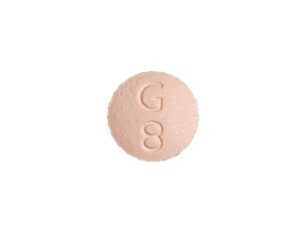


Flecainide (Flecainide Acetate) – Patient-Friendly Information (Australia)
Flecainide is a medicine used to help control certain abnormal heart rhythms (arrhythmias). It belongs to a group of medicines called antiarrhythmics, specifically Class Ic antiarrhythmics. If you’re prescribed flecainide, it’s important to understand how it works, how it’s taken, what to watch for, and how to coordinate safely with other medicines and alcohol.
Quick product overview
| Category | Details |
|---|---|
| Medicine name | Flecainide (often as flecainide acetate) |
| Medicinal class | Antiarrhythmic – Class Ic |
| Common uses | Rhythm control for selected atrial and ventricular arrhythmias |
| How it works | Slows conduction in the heart to stabilise abnormal rhythms |
| Typical dosing | Varies by condition, age, kidney function and other medicines |
| Key safety considerations | Heart structure, ECG monitoring, drug interactions, kidney/liver function |
How flecainide works (mechanism of action)
Flecainide primarily works by blocking sodium channels in heart muscle cells. This reduces the speed at which electrical signals travel through the heart.
By slowing conduction, flecainide helps:
- Reduce abnormal electrical circuits that cause arrhythmias
- Stabilise the heart’s rhythm
- Reduce episodes of certain fast heart rhythms when appropriately selected
Because flecainide affects electrical conduction, its use must be carefully matched to the type of arrhythmia and the person’s underlying heart health.
What it’s used for (typical uses and indications)
Flecainide is used for rhythm control—meaning it aims to restore and maintain a normal or more stable heart rhythm— in selected patients.
Common indications (examples)
- Atrial fibrillation (episodes that may be intermittent, or for preventing recurrence in selected patients)
- Atrial flutter and other supraventricular tachyarrhythmias (depending on specialist assessment)
- Paroxysmal supraventricular tachycardia (for appropriate cases)
- Ventricular arrhythmias in selected circumstances, usually where benefits outweigh risks
The suitability of flecainide depends on factors such as the presence (or absence) of significant structural heart disease, baseline ECG findings, and overall risk of proarrhythmia (arrhythmias caused or worsened by treatment).
Timing: when and how to take flecainide
How often you take flecainide depends on your prescribed regimen and the strength of your tablets. Many people are advised to take it twice daily, but dosing schedules can vary.
General practical timing tips
- Take at the same times each day to maintain a steady effect.
- Try not to miss doses. If you miss a dose, follow the advice provided by your doctor or pharmacist.
- Do not double up to make up for a missed dose unless explicitly instructed.
- Continue monitoring (e.g., ECGs and follow-up reviews) as advised.
- If your dose is adjusted (often related to kidney function or ECG findings), stick to the new instructions.
Food interactions and what to expect
Food can influence the absorption rate of some medicines. For flecainide, absorption may be affected slightly by food, but in many cases it can be taken with or without food. Your healthcare professional will usually tell you the most suitable approach.
For everyday use, aim for consistency:
- If your first doses were tolerated well with food, taking it with food can help maintain routine and stomach comfort.
- If you were told to take it on an empty stomach, follow those instructions.
- Check the patient information leaflet for your specific brand and formulation.
Alcohol and medicine interactions
Alcohol does not typically have a direct chemical interaction with flecainide in the way some medicines do, but alcohol can still be relevant for heart rhythm control and safety.
Why alcohol matters with flecainide
- It may trigger or worsen palpitations in some people.
- It can affect hydration and sleep, which may influence arrhythmia triggers.
- It may increase dizziness or worsen side effects like blurred vision.
If you drink alcohol, consider discussing safe limits with your doctor—especially if you notice palpitations after drinking or if you have had episodes of irregular rhythm on previous occasions.
Other medicine interactions (important)
Flecainide has clinically important interactions with some medicines, which may raise flecainide levels (increasing side effects) or affect heart conduction and rhythm.
Common interaction themes
- Medicines that slow heart rhythm or affect electrical conduction may increase the risk of slow heart rate or ECG changes.
- Medicines that change how the liver processes flecainide can increase or decrease flecainide exposure.
- Medicines that lower potassium or magnesium (e.g., some diuretics) may increase risk of rhythm instability in susceptible individuals.
Examples of medicines that require extra care
The list below is not exhaustive. Always tell your pharmacist or doctor about all medicines, including over-the-counter products and supplements.
- Other antiarrhythmics (e.g., amiodarone, sotalol and others)
- Medicines for heart rate control such as beta-blockers or calcium channel blockers (depending on your plan)
- Some antidepressants and antipsychotics (varies by medicine)
- Medicines for infections such as certain antibiotics/antifungals (some can increase flecainide levels)
- Cimetidine (can increase flecainide levels in some cases)
- Medicines that affect electrolytes, including certain diuretics
If you start, stop, or change doses of any interacting medicine, you should seek advice promptly—dose adjustments or extra ECG monitoring may be needed.
Pharmacokinetics: how the body handles flecainide
Pharmacokinetics describes how the medicine is absorbed, distributed, metabolised and eliminated. This can influence how quickly it works and how long its effects last.
Absorption
Flecainide is absorbed after oral administration. Peak blood levels typically occur within a few hours of taking a dose, though timing can vary.
Distribution
Flecainide distributes throughout body tissues. It is known to bind to plasma proteins to some extent.
Metabolism
Flecainide is metabolised in the liver. Because of this, liver impairment may affect flecainide levels and safety.
Elimination
The medicine is eliminated primarily through the kidneys, with a portion also metabolised and excreted. This means kidney function is important for dosing and safety.
Half-life (practical meaning)
Flecainide generally has a multi-hour to day-range half-life (the time taken for blood levels to reduce by about half). This is why consistent dosing is helpful and why dose changes can take time to stabilise in the body.
Dosing: what typical dosing may look like
Flecainide dosing must be individualised. The correct dose depends on your arrhythmia type, ECG findings (including QRS duration and PR interval), kidney function, age, and concurrent medicines.
The information below is general background and may not reflect your specific prescription. Always follow the exact instructions provided by your clinician.
Common dosing approach (general)
- Start low and adjust based on response and safety monitoring.
- Regular ECG checks may guide dose changes.
- Renal (kidney) impairment may require dose reduction or closer monitoring.
- Bradycardia risk (slow heart rate) and conduction changes may influence the dose.
Missed dose guidance
If you miss a dose, do not attempt to “catch up” unless instructed. Instead, follow advice from your doctor or pharmacist or the leaflet for your product. Because flecainide affects conduction, taking an incorrect extra dose may be risky.
Safety profile: who should be extra careful
Flecainide can be effective when used appropriately, but it also carries potential serious risks in certain situations. It requires careful patient selection and monitoring.
Potential serious risks
- Proarrhythmia: flecainide can, in some circumstances, worsen rhythm problems.
- Conduction slowing: can prolong intervals on an ECG and potentially cause dangerous rhythms.
- Heart rate too slow (bradycardia), especially if combined with other rate-slowing medicines.
- Symptoms of toxicity may occur if levels are too high (for example due to kidney impairment or drug interactions).
Who may be higher risk
Risk is higher in people with:
- Significant structural heart disease or prior myocardial infarction (depending on individual circumstances)
- Known conduction system disease or baseline ECG abnormalities
- Marked kidney impairment (reduced clearance)
- People taking multiple interacting medicines
- Electrolyte disturbances (low potassium or magnesium)
Common side effects
Many people experience mild or manageable effects, particularly early in treatment or after dose adjustments. Examples may include:
- Dizziness or light-headedness
- Blurred vision or visual disturbances
- Tremor
- Nausea or stomach discomfort
- Headache
Seek urgent medical help if
Contact emergency services or seek urgent medical attention if you develop symptoms that could indicate a dangerous rhythm or severe side effect, such as:
- Fainting or near-fainting
- Severe dizziness or sudden weakness
- Chest pain, severe shortness of breath, or sudden collapse
- New or rapidly worsening palpitations
- Very slow pulse with feeling unwell
Practical use tips for everyday safety
- Attend planned ECG reviews and bring your medicine list to appointments.
- Keep a record of any palpitations, symptoms, or side effects (time, triggers, heart rate if you track it).
- Be consistent with dosing times and avoid sudden changes.
- Check electrolytes if advised, especially if you use diuretics or have vomiting/diarrhoea.
- Inform all healthcare providers you use flecainide, including dentists and pharmacists.
- Review “new” medicines quickly: ask before starting antibiotics, antifungals, or new cough/cold products.
- Avoid abrupt discontinuation unless advised—stopping suddenly can sometimes worsen rhythm control.
Recent guidance and clinical monitoring (Australia context)
Clinical practice in Australia generally emphasises careful selection, ECG monitoring, and attention to comorbidities and drug interactions for medicines like flecainide. Guidance may be updated based on emerging evidence, safety data, and changes in therapeutic recommendations.
Your local cardiology team or treating clinician will tailor flecainide use, including:
- Baseline assessment of the heart’s rhythm and structure
- ECG intervals monitoring (for example PR and QRS duration)
- Assessment of kidney function and dose selection
- Review of interacting medicines and electrolyte status
- Follow-up plans for symptom tracking and effectiveness
If you have concerns, ask your clinician whether your monitoring plan is up to date and whether your risk factors have changed (for example, new kidney issues).
Alternative options
Depending on your specific rhythm problem, alternatives may include other rhythm-control or rate-control strategies. Options vary widely, so the best alternative depends on your diagnosis and medical history.
Possible alternatives (discuss with your clinician)
- Other antiarrhythmic medicines (choice depends on rhythm type and safety profile)
- Rate-control medicines for some people (to control heart rate rather than restore rhythm)
- Anticoagulation in relevant atrial arrhythmias to reduce stroke risk (may be required even when rhythm is controlled)
- Catheter ablation or other procedures for selected arrhythmias
- Lifestyle and trigger management (sleep, alcohol moderation, stress reduction, caffeine guidance, treating thyroid issues)
If flecainide isn’t suitable or isn’t effective for you, a clinician may reassess diagnosis, repeat ECG monitoring, evaluate interactions, and discuss other treatment pathways.
Delivery and availability in Australia
Availability depends on product brand, formulation and supply. An online pharmacy serving Australia typically supports safe ordering, packaging and delivery. Delivery options and timeframes can vary by location (metro vs regional) and by the pharmacy’s distribution arrangements.
- Product availability: Some strengths may be more readily available than others.
- Packaging: Medicines should be supplied in manufacturer packaging when possible.
- Delivery tracking: Many services provide confirmation and tracking for orders.
- Storage: Store tablets as directed on the label/leaflet (often at room temperature, protected from moisture and heat).
If you have urgent needs for continuing therapy, contact the online pharmacy team so they can advise on current stock status and dispatch timeframes.
Market and legal context for Australia (plain-language)
In Australia, the rules governing the supply of medicines are designed to ensure safe use. The classification of flecainide and the requirements for supply depend on the product and current scheduling under Australian medicines regulation.
For most online ordering, a regulated process applies—typically involving clinician involvement where required and identity/supply checks where relevant. Always ensure your order matches the correct medicine strength and directions.
If you’re unsure about whether a specific product is eligible for online supply, contact the pharmacy directly.
FAQs about flecainide
1) How quickly does flecainide work?
Many people notice effects within hours of starting or after a dose adjustment, because flecainide is absorbed and reaches peak levels within a few hours. However, rhythm control can vary. Your clinician may schedule ECGs or follow-up visits to confirm effectiveness and safety.
2) Should I stop flecainide if my palpitations improve?
Do not stop unless advised by your doctor. Arrhythmias can return if treatment is withdrawn, and changing the dose or stopping suddenly can sometimes lead to loss of rhythm control.
3) What ECG changes should I know about?
Flecainide can affect conduction, which may appear as changes in intervals on an ECG (such as PR and QRS). Your clinician uses ECG monitoring to balance benefit and safety.
4) Can I take flecainide with other heart medicines?
Sometimes yes, but it depends on the specific medicines and your ECG. Some combinations increase the risk of slow heart rate or conduction issues. Always confirm your medication list with your pharmacist or doctor before starting or stopping any medicine.
5) Is it safe to take flecainide with food?
Many patients can take flecainide with or without food, but product-specific instructions may differ. Follow the directions provided with your exact brand and speak to a pharmacist if you’re unsure.
6) Can I drink alcohol while taking flecainide?
Alcohol may worsen palpitations in some people and can contribute to dizziness or dehydration. If you choose to drink, consider moderation and monitor how you feel. Discuss a safe approach with your clinician.
7) What should I do if I miss a dose?
Follow guidance from your doctor or pharmacist. Because flecainide can affect heart conduction, it’s important not to “double up” without instruction. The patient information leaflet for your brand will also provide advice.
8) Are there foods or supplements I should avoid?
There aren’t universal food bans, but maintaining normal electrolyte balance is important. Be cautious with supplements that could affect electrolytes or heart rhythm, and always ask a pharmacist if you plan to start new supplements.
9) When should I seek urgent help?
Seek urgent medical assistance if you faint, experience severe dizziness, chest pain, severe shortness of breath, or feel markedly unwell with palpitations or a very slow pulse.
10) What if I have kidney problems?
Kidney function is important for flecainide clearance. Dose adjustments or extra monitoring may be necessary. Tell your clinician about any kidney impairment and report new symptoms such as reduced urination or swelling.
Summary
Flecainide is a Class Ic antiarrhythmic medicine used for rhythm control in selected abnormal heart rhythms. It works by slowing electrical conduction in the heart through sodium channel blockade. Because it can affect heart rhythm stability and ECG measurements, safe use depends on careful selection, correct dosing, monitoring (often including ECGs), and attention to drug interactions—especially with other medicines that influence conduction or flecainide levels.
If you’d like help understanding your regimen, side effects, or how to coordinate flecainide with other medicines, speak with a pharmacist for guidance.