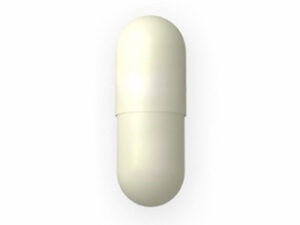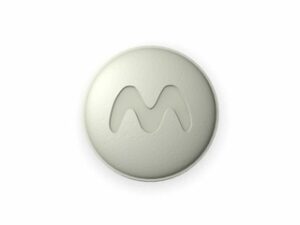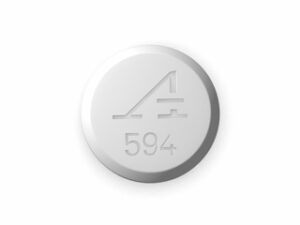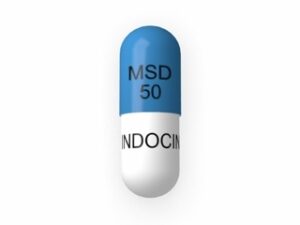
Flexeril (Cyclobenzaprine Hydrochloride) – Patient Information (Australia)
Flexeril is a muscle relaxant medicine containing cyclobenzaprine hydrochloride. It is used to relieve discomfort caused by muscle spasms that can occur with strains and sprains, such as acute back pain. Flexeril is generally used for short periods alongside rest and physiotherapy/physical therapy measures.
This guide is written to help you understand how Flexeril works, how it’s typically taken, and what to watch for. Always read your product label and follow the instructions provided by your healthcare professional.
Basic product information
| Item | Details |
|---|---|
| Medicine | Flexeril (Cyclobenzaprine HCl) |
| Medicine type | Muscle relaxant (centrally acting) |
| Common strengths | Often available as tablets (strengths vary by product/brand) |
| How it helps | Reduces muscle spasm and associated pain/discomfort |
| Typical duration | Usually short-term use (often up to 2–3 weeks depending on the condition) |
| How you feel it | May cause drowsiness or dizziness; avoid driving if affected |
How Flexeril works (mechanism of action)
Cyclobenzaprine is a centrally acting muscle relaxant. It works mainly in the brainstem and spinal cord to reduce signals involved in muscle spasm. While the exact mechanism is not fully understood, cyclobenzaprine is thought to decrease abnormal muscle activity by altering neurotransmission. This leads to:
- Reduced muscle tone (less “tightness”)
- Relief of painful spasms
- Improved comfort to support movement, physiotherapy, and recovery
Flexeril is most helpful when spasms are part of an acute injury or painful musculoskeletal condition. It is not an anti-inflammatory medicine and does not directly “repair” damaged tissue.
Pharmacokinetics (how the body processes it)
Pharmacokinetics explains what happens to the medicine after you take it.
- Absorption: Cyclobenzaprine is absorbed after oral dosing.
- Distribution: It distributes throughout the body, including the central nervous system.
- Metabolism: It is mainly metabolised in the liver.
- Elimination: Metabolites are excreted through the kidneys (urine) and partly through faeces.
- Half-life: It has a relatively long elimination half-life, which may contribute to morning grogginess in some people.
Practical implication: Because it can linger in your system, taking it later in the day may increase next-day drowsiness for some people, even if you feel fine when you first take it.
Typical use and indications (what it’s used for)
Flexeril is used for relief of muscle spasm associated with acute, painful musculoskeletal conditions.
Common scenarios include:
- Acute low back pain with muscle spasm
- Neck pain due to muscle tightness/spasm
- Muscle strains or sprains (e.g., after overuse or minor injuries)
- Temporary relief to support mobility while other treatments work (e.g., physiotherapy, gentle movement)
Not intended for: General chronic muscle weakness, long-term pain syndromes, or as a substitute for rehabilitation strategies. If symptoms persist or worsen, you should seek medical assessment.
How and when to take Flexeril (timing)
Timing depends on the dosing schedule prescribed for you and how you respond to the medicine.
General tips:
- Take it at the same times each day to maintain consistent effect.
- Be cautious with the first doses: try it when you can rest and avoid time-critical activities.
- Consider your daily routine: because it may cause drowsiness, many people prefer taking it in the evening—however, follow your clinician’s specific instructions.
If you are unsure whether to take it in the morning or evening, ask your healthcare professional. Your best timing may depend on how strong the sedative effect is for you.
Food interactions (does food change how it works?)
There are no commonly required food restrictions for cyclobenzaprine. You can typically take it with or without food. However:
- If it upsets your stomach, taking it with food may help.
- If it makes you feel nauseated, consider a lighter meal and adequate fluids.
Always follow the instructions on the label and use the same approach (with or without food) each time unless advised otherwise.
Alcohol interactions and safety
Alcohol can significantly increase side effects of cyclobenzaprine, particularly:
- Drowsiness and impaired alertness
- Dizziness and risk of falls
- Slower reaction time (driving and machinery hazards)
- Potential breathing suppression in combination with other sedatives (in higher-risk situations)
Recommendation: It’s generally best to avoid alcohol while taking Flexeril, especially during the first days of treatment or if you notice sedation.
Interactions with other medicines
Flexeril may interact with several types of medicines. Tell your healthcare professional or pharmacist about all medicines you take, including over-the-counter products, vitamins, and herbal supplements.
Key interaction categories include:
- Other medicines that cause drowsiness (e.g., sedating antihistamines, opioids, some cough syrups, benzodiazepines): may lead to excessive sedation.
- Antidepressants (especially those affecting serotonin and/or increasing the risk of serotonin syndrome): caution is needed due to serotonin-related risks and drug interactions.
- MAO inhibitors: should not be used with cyclobenzaprine (serious interaction risk).
- Medicines affecting heart rhythm (QT prolongation): cyclobenzaprine can affect cardiac electrical activity; combining with other QT-prolonging medicines may increase risk.
- Certain antifungals and antibiotics that affect liver metabolism: may increase cyclobenzaprine levels.
- Some seizure medicines and liver enzyme inducers: may reduce cyclobenzaprine effect.
Always check: If you start a new medicine or stop an old one, ask whether it changes your Flexeril safety.
Dosing (typical adult regimen)
Dose depends on the person, the severity of symptoms, and tolerability (especially drowsiness). Your healthcare professional will provide a specific dose and schedule. Below is a general adult overview for cyclobenzaprine used for short-term muscle spasm.
Typical approach:
- Often taken up to 3 times daily (morning, afternoon, evening), with the goal of reducing spasm while minimising sedation.
- Some regimens begin with a lower dose to check side effects, then adjust as needed.
How long to use: In many cases, muscle spasm improves within days and treatment is limited to a short course. If there is no improvement or symptoms worsen, seek further advice.
Important: Follow your label and clinician instructions. Do not increase your dose to “make it work faster.”
Missed dose
- If you miss a dose, take it when you remember unless it is near your next scheduled dose.
- Do not take double doses to catch up.
Stopping treatment
Flexeril is usually used short-term. If you need to stop due to side effects, talk to your pharmacist or doctor. Do not abruptly stop unless advised, but because use is commonly brief, abrupt cessation is often not an issue—follow professional guidance for your specific case.
Safety profile and possible side effects
Like all medicines, Flexeril can cause side effects. Many are related to its effects on the nervous system and sedation.
Common side effects
- Drowsiness, sleepiness
- Dizziness
- Dry mouth
- Blurred vision
- Constipation
- Nausea
- Headache
Less common but important side effects
- Confusion or unusual behaviour (more likely in older adults)
- Urinary retention (difficulty passing urine)
- Fast heartbeat, palpitations
- Allergic reactions (rash, swelling, breathing difficulty)
Seek urgent medical help if you experience
- Severe allergic reaction symptoms (swelling of face/lips, difficulty breathing)
- Fainting, severe chest pain, or serious irregular heartbeat
- Signs of serotonin syndrome (especially if combined with serotonergic medicines): agitation, confusion, fever, sweating, tremor, diarrhoea, rapid heart rate
- Severe drowsiness that makes it hard to stay awake, or breathing problems (particularly with other sedatives)
Who should be extra cautious
Special caution is recommended for people with:
- Heart rhythm problems or a history of QT prolongation
- Significant liver disease (because metabolism occurs in the liver)
- Glaucoma or urinary/prostate issues (risk of urinary retention and anticholinergic effects)
- Older age (increased risk of confusion, falls, and anticholinergic effects)
- History of substance use where sedation could be risky
Practical use tips (getting the best results while staying safe)
- Plan for sedation: avoid driving, cycling on busy roads, or operating machinery until you know how you react.
- Be careful with falls: rise slowly from sitting/lying positions to reduce dizziness.
- Stay hydrated and manage constipation: fibre, fluids, and gentle activity can help.
- Use a recovery plan: heat/ice, gentle stretching within comfort, and physiotherapy can enhance recovery and may reduce the time you need medicine.
- Do not combine with other sedatives unless your pharmacist/doctor approves (including “sleep” products and many antihistamines).
- Track response: if pain or spasm doesn’t improve after a short course, seek review rather than extending use on your own.
Alternative options (talk to your healthcare professional)
Depending on your specific diagnosis and medical history, other treatments may be considered. Options often include:
- Non-medicine approaches: physiotherapy, strengthening exercises, stretching, activity modification, heat/ice, posture and ergonomics education.
- Analgesics/anti-inflammatory medicines: such as paracetamol or non-steroidal anti-inflammatory drugs (NSAIDs) where appropriate.
- Other muscle relaxants: alternative agents may be considered if cyclobenzaprine isn’t suitable due to side effects or interactions.
- Topical treatments: topical anti-inflammatory or analgesic products may help some people with localised discomfort.
Your healthcare professional can help choose an option based on your symptoms, kidney/liver health, and interactions with other medicines.
Market and legal context for Australia
In Australia, the availability of medicines and their legal classification depends on the product and formulation. Muscle relaxants such as cyclobenzaprine are generally provided under healthcare supervision and may not be freely available without assessment.
Key points for Australia:
- Regulated prescribing/dispensing: many centrally acting medicines require appropriate clinical evaluation.
- Pharmacy dispensing: a pharmacist can advise on safe use, interactions, and side effects.
- Product information: always check the specific Australian product label and Consumer Medicine Information (CMI) supplied with your medicine.
If you are purchasing online, ensure you use a reputable Australian pharmacy and that the product details match what you require (strength, form, and expiry date).
Recent guidance and general best-practice considerations
Clinical practice typically emphasises that for uncomplicated acute musculoskeletal pain, medicines are often short-term components of a broader recovery plan. Current best practice in many settings focuses on:
- Using muscle relaxants only when spasm is a prominent symptom
- Checking for risk factors such as sedation, falls, driving impairment, and drug interactions
- Limiting treatment duration and reassessing if symptoms do not improve
- Encouraging early mobilisation and physiotherapy strategies rather than prolonged rest
Your clinician may also consider alternatives if you’re at higher risk (e.g., older adults or people taking interacting medicines).
Delivery and availability (online pharmacy)
Online pharmacies in Australia may offer delivery options ranging from standard to express service, depending on location and stock availability. Availability can vary by:
- Product strength and formulation
- Manufacturing and supply schedules
- Whether you require a repeat supply
Delivery considerations:
- Check estimated delivery times at checkout.
- Confirm the product name, strength, and dosing instructions before dispatch.
- Keep track of expiry dates and store as directed on the label (often at controlled room temperature, away from moisture and heat).
If an item is temporarily unavailable, a reputable pharmacy should offer clear options such as ordering from another supplier or suggesting alternatives.
FAQ: Flexeril (Cyclobenzaprine) – common questions
1) How quickly does Flexeril work?
Some people notice reduced muscle spasm and pain within the first day. For others, relief may develop over several days. If you feel no benefit or symptoms worsen, seek advice.
2) Can I take Flexeril with paracetamol or ibuprofen?
Many people can take paracetamol or NSAIDs together with muscle relaxants, but it depends on your health conditions and other medicines. Ask your pharmacist to ensure it’s safe for you, particularly if you have kidney disease, stomach ulcers, or take blood thinners.
3) Will Flexeril make me sleepy?
It can cause drowsiness and dizziness. Avoid driving and other hazardous activities until you know how it affects you. If you feel very sleepy, discuss dose timing or alternatives with your pharmacist.
4) What if I need to drive to work?
Do not drive if you feel drowsy, dizzy, or your vision is affected. Consider taking Flexeril at a time that doesn’t overlap with your driving responsibilities, but only under advice from your healthcare professional.
5) Can I take it at night?
Some people prefer evening dosing to help with rest at night. However, because it may cause next-day grogginess, you should still be cautious with morning activities.
6) Is Flexeril safe for older adults?
Older adults may be more sensitive to anticholinergic side effects (e.g., confusion, constipation, urinary retention) and may have a higher risk of falls due to dizziness. A clinician should assess whether cyclobenzaprine is appropriate.
7) Can I drink alcohol while taking Flexeril?
It’s generally best to avoid alcohol because it can worsen sedation and dizziness. If you plan to drink, speak to your pharmacist first, but avoidance is the safest option.
8) What are the most important drug interactions to know?
Tell your healthcare professional about all medicines, especially:
- Other sedatives (e.g., opioids, benzodiazepines, sedating antihistamines)
- Antidepressants (particularly MAO inhibitors and other serotonergic medicines)
- Medicines that affect heart rhythm (QT prolongation)
Interactions can be serious, so don’t start new medicines without checking.
9) What should I do if I miss a dose?
Take it when you remember unless it’s close to your next dose. Do not double up.
10) When should I contact a doctor urgently?
Contact urgent medical help if you experience severe drowsiness, difficulty breathing, fainting, chest pain, signs of a serious allergic reaction, or symptoms suggesting serotonin syndrome (particularly if you use serotonergic medicines).
Summary
Flexeril (cyclobenzaprine hydrochloride) is a centrally acting muscle relaxant used for short-term relief of painful muscle spasm associated with acute musculoskeletal conditions. It works in the central nervous system to reduce abnormal muscle activity, but it commonly causes drowsiness and dizziness. Because of the potential for sedation, drug interactions, and effects on heart rhythm in susceptible individuals, it’s important to use it carefully and avoid alcohol and other sedating medicines unless your healthcare professional approves.
If your symptoms don’t improve after a short course, or if you have risk factors (such as heart rhythm issues, significant liver disease, or you’re taking interacting medicines), seek advice promptly for a safe and effective plan.