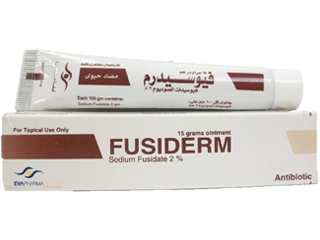
Fusiderm B (Betamethasone + Fusidic Acid) — Patient Information (Australia)
Fusiderm B is a combination medicine containing betamethasone (a corticosteroid) and fusidic acid (an antibiotic). It is used for certain skin conditions where there is both inflammation and bacterial infection. This guide explains how Fusiderm B works, how to use it safely, what to expect, and common questions—tailored for readers in Australia.
Quick product overview
| Feature | What you should know |
|---|---|
| Active ingredients | Betamethasone + Fusidic acid |
| Medicinal type | Topical (skin) combination: anti-inflammatory corticosteroid + antibiotic |
| Common forms | Typically available as a topical cream/ointment depending on the product presentation |
| What it treats | Inflamed infected skin conditions where bacterial infection is suspected or confirmed |
| Key benefits | Reduces inflammation and itching/redness while treating susceptible bacteria |
| Typical treatment duration | Often short-term; follow your clinician/pharmacist’s directions (commonly up to ~1–2 weeks) |
How Fusiderm B works (mechanism of action)
Fusiderm B combines two medicines that act in different ways:
- Fusidic acid (antibiotic): Works against certain bacteria (most commonly Staphylococcus species). It inhibits bacterial protein production, helping stop the growth of susceptible bacteria.
- Betamethasone (corticosteroid): Reduces inflammation by suppressing multiple parts of the immune response. This can reduce redness, swelling, soreness, itching, and the inflammatory component of the skin condition.
Why the combination matters: Many skin problems can become both inflamed and infected. Using both components together targets both the infection and the inflammatory reaction.
Pharmacokinetics (how the body handles it)
Fusiderm B is a topical skin medicine. That means only a fraction of the active ingredients typically enters the bloodstream.
- Absorption through skin: Absorption depends on factors such as the size and location of the area treated, whether skin is broken, how frequently it is applied, and whether the area is covered with bandages/occlusion.
- Systemic exposure: Betamethasone can be absorbed more readily if used over large areas, on broken skin, or under occlusive dressings. Increased absorption raises the risk of steroid-related side effects.
- Elimination: For absorbed betamethasone, metabolism mainly occurs in the liver with elimination through the kidneys and bile. Fusidic acid’s systemic behaviour depends on absorption, distribution, metabolism, and excretion.
Practical takeaway: Use exactly as directed, apply only to the affected area, and avoid unnecessary occlusion to minimise systemic exposure.
What Fusiderm B is used for (typical use and indications)
Fusiderm B is used when there is a combination of:
- Inflammation of the skin, and
- Suspected or confirmed bacterial infection (commonly staphylococcal infections), particularly where the lesion appears red, angry, oozing, crusted, or worsening.
It may be considered for specific local skin infections with inflammation, such as certain presentations of:
- Infected eczema-like lesions
- Infected dermatitis with flare and signs of bacterial involvement
- Other inflamed infected skin areas where a topical antibiotic + corticosteroid combination is appropriate
Important: Fusiderm B is intended for skin conditions. It is not for use in the eyes, mouth, or internal body sites.
When to apply it (timing and how to use)
The exact schedule depends on the product strength and your healthcare professional’s advice. Common patterns for topical combination treatments include:
- Usually 1–2 times daily applied in a thin layer to the affected area
- Continue for the shortest time needed to control symptoms, often not longer than ~1–2 weeks unless specifically directed
Suggested practical routine:
- Wash and dry your hands.
- Gently clean the affected area if advised (avoid harsh scrubbing).
- Apply a thin layer of Fusiderm B to the affected skin and lightly rub in.
- Wash hands again after application (unless treating your hands).
Do not:
- Apply to large areas beyond the affected site.
- Use under tight occlusive dressings (unless a clinician has instructed you).
- Cover with bandages/plasters unless directed—occlusion can increase absorption.
How quickly it may work
Some people notice symptom relief (less redness/itching) within 2–3 days. However, complete resolution can take longer depending on the infection severity and skin condition.
Seek review if:
- There is no improvement within 3–5 days
- Symptoms worsen
- You see spreading redness, increasing pain, fever, or oozing
- The area doesn’t heal as expected
Food interactions
No specific food interactions are expected with Fusiderm B because it is a topical product with limited systemic absorption under normal use.
However: If you are using other medicines that interact with steroids or antibiotics for other reasons, always discuss your full medication list with a pharmacist.
Alcohol and medicine interactions
Alcohol
Alcohol is not known to directly interact with Fusiderm B when used as directed. Still, avoid alcohol if you are experiencing widespread illness or if you have concerns about your immune health or skin healing.
Other medicine interactions
Because Fusiderm B is applied to skin, interactions are less common than with oral medicines. Still, consider these points:
- Other topical products: Avoid applying multiple creams to the same area unless advised. Combining products can increase irritation or affect how well each product works.
- Vaccines/immune effects: Topical steroids can have local immune effects; systemic effects are rare with correct limited use. If you use other medicines that affect the immune system, discuss with a healthcare professional.
- Antibiotic resistance: Overuse or prolonged use can contribute to antibiotic resistance. Use for the shortest duration necessary.
Typical dosing guidance (adults and children)
Always follow local label directions or professional advice. Dosing varies based on the specific presentation and the condition being treated.
Adults
- Apply a thin layer to the affected area.
- Typical frequency is 1–2 times daily.
- Treatment is generally short-term; review if no improvement after a few days.
Children
In children, topical corticosteroids require extra caution because the skin surface area relative to body weight is larger. Use only if suitable for age and condition, and follow dosing instructions carefully.
- Prefer the lowest effective strength and duration.
- Avoid occlusive coverings unless instructed.
- Check with a pharmacist or clinician if you are treating a child—especially if the area is large or involves skin folds.
Missed dose
- If you miss a dose, apply it when you remember unless it is close to the next dose.
- Do not double to make up for a missed dose.
Safety profile and precautions
Like all medicines, Fusiderm B can cause side effects. Many are mild and related to skin irritation, but because it contains a potent steroid component, correct use is important.
Common side effects
- Local skin irritation such as burning, stinging, or redness
- Dryness or peeling
- Itching may persist or temporarily worsen in some people
Less common but important risks
- Skin thinning (atrophy) with prolonged or high-amount use
- Stretch marks (striae) or visible blood vessels
- Perioral dermatitis or acne-like eruptions (especially near the mouth)
- Folliculitis (inflamed hair follicles)
- Rebound or worsening if stopped after long use without appropriate management
Rare but serious considerations
- If used over large areas, under occlusion, or for long periods, betamethasone could theoretically cause systemic steroid effects (e.g., suppression of adrenal function). This is much less likely with short, targeted use.
When to avoid Fusiderm B or seek urgent advice
Talk to a pharmacist or clinician before using Fusiderm B if you have:
- Known allergies to betamethasone, fusidic acid, or other ingredients in the product
- Suspected fungal or viral skin infection (e.g., ringworm, herpes, chickenpox). Corticosteroids can worsen these infections.
- Eye involvement or lesions near the eye
- Extensive skin disease or treatment over very large areas
Seek urgent medical help if you develop rapidly spreading redness, severe pain, fever, or signs of serious infection.
Practical use tips for best results
- Apply to clean, dry skin unless your pharmacist advised otherwise.
- Thin layer only: More is not necessarily better. Over-application increases side effects.
- Wash hands after use (unless treating your hands).
- Do not cover unless advised—occlusion can increase absorption.
- Keep the area comfortable: Avoid scratching. Consider moisturisers around (not on top of) the medication unless directed.
- Finish the short course as advised—not longer than recommended. If symptoms persist, get reassessed.
- Stop and reassess if the condition looks fungal (e.g., ring-shaped, slowly expanding rash) or viral (e.g., clustered blisters), as steroid-antibiotic combinations may not be suitable.
Alternative treatment options (depending on the diagnosis)
The “best” alternative depends on the underlying cause of the skin problem (infection type, severity, and underlying skin inflammation). Options often discussed include:
- Topical antibiotics alone (for infection without significant steroid-responsive inflammation)
- Topical corticosteroids alone (for non-infected inflammatory skin conditions)
- Antifungal medicines if the cause is fungal (e.g., ringworm)
- Antiviral treatment if herpes-type lesions are suspected
- Moisturisers/skin barrier support for eczema and dry skin flares
- Other anti-inflammatory topicals (for selected inflammatory conditions, especially for sensitive areas)
Why alternatives matter: Fusidic acid resistance can develop if antibiotics are used unnecessarily or for too long. Using the right medicine for the right diagnosis helps reduce recurrence and resistance.
Market and legal context for Australia (high-level)
In Australia, topical medicines are supplied according to scheduling rules and product registration requirements. Availability and classification can vary by brand, strength, and formulation.
- Some topical steroid/antibiotic combinations may be available behind the counter or under pharmacist guidance, depending on the product schedule.
- Pharmacists help ensure the medicine is appropriate for the condition and that it is used safely (especially due to steroid effects and antibiotic stewardship).
- Fusidic acid is an antibiotic component; Australians are encouraged to use antibiotics only when needed and for the appropriate duration.
Antibiotic stewardship reminder: If your skin improves quickly and fully, continue only for the recommended course. If it does not improve, reassessment is important rather than extending use.
Recent guidance and antibiotic stewardship considerations
Across Australia, antibiotic stewardship principles emphasise:
- Use antibiotics only when infection is likely (not for purely inflammatory conditions).
- Short, targeted courses are generally preferred.
- Avoid reusing antibiotic products for new flares without confirming the cause.
Because Fusiderm B contains both an antibiotic and a steroid, it’s especially important to ensure:
- The lesion truly has an infectious component that justifies fusidic acid
- It is not a fungal/viral condition that could worsen with steroid exposure
- The duration is kept short and reviewed if symptoms persist
Clinical review is key: Persistent or worsening skin symptoms should be assessed to confirm the diagnosis and avoid prolonged steroid/antibiotic exposure.
Delivery and availability in Australia
Fusiderm B may be available through pharmacies and selected online medicine retailers across Australia. Availability can vary by:
- The specific formulation (cream/ointment) and strength
- Current stock levels
- Regional distribution and courier schedules
Delivery tips:
- Check the estimated delivery timeframe and whether cold chain is required (generally not required for topical creams/ointments unless specified).
- Ensure you enter your correct address and contact details for delivery updates.
- Keep products in a cool, dry place away from direct sunlight.
If you’re unsure whether Fusiderm B is suitable for your specific skin issue, a pharmacist can help guide you on the most appropriate approach.
FAQ about Fusiderm B
1) Can I use Fusiderm B on my face?
Use with caution. The steroid component can cause side effects more easily in sensitive areas such as the face, especially with prolonged use. If the lesion is on the face, ask a pharmacist or clinician for specific guidance about duration and application.
2) How long should I use it?
Typically, topical antibiotic/steroid combinations are used for the shortest effective time (often around 1–2 weeks). If there is no improvement within a few days, get reassessed rather than extending the course on your own.
3) What if symptoms improve—should I stop early?
Often improvement means the medicine is working. However, whether you stop early depends on the plan you were given. For safety and effectiveness, follow the recommended course. If unsure, ask your pharmacist.
4) Can I use it if the skin looks wet or oozes?
Fusiderm B is intended for inflamed infected skin presentations. Still, oozing can have many causes. If you see worsening, spreading, severe pain, or fever, seek prompt medical advice.
5) Is it safe to use under bandages or occlusive dressings?
Generally, avoid occlusion unless specifically advised. Occlusion can increase betamethasone absorption and the risk of side effects.
6) Will Fusiderm B treat fungal infections?
No. If the condition is fungal (for example, ringworm), using a steroid-containing product can worsen it or mask the appearance. If you suspect fungal infection, ask a pharmacist for guidance.
7) Can I use moisturiser at the same time?
You may be able to use moisturiser, but it’s best to avoid applying multiple products directly at the same time on the same spot unless advised. Consider applying Fusiderm B first, then moisturiser around (not on top of) the treated area if recommended.
8) Does Fusiderm B cause antibiotic resistance?
Antibiotic resistance risk exists with antibiotic use, particularly with prolonged or unnecessary treatment. Using the medicine only when appropriate and for the advised duration helps reduce this risk.
9) What should I do if I accidentally get it in my eyes?
Rinse thoroughly with lukewarm water immediately. If irritation persists, seek medical advice.
10) When should I see a doctor urgently?
Seek urgent help if you develop rapidly spreading redness, severe pain, fever, facial swelling, pus with worsening symptoms, or if you feel unwell.
Summary
Fusiderm B contains betamethasone and fusidic acid, working together to treat inflamed infected skin conditions. Because it includes a corticosteroid, safe use depends on applying only to the affected area, avoiding occlusion, and limiting treatment duration. If symptoms don’t improve quickly or you suspect a non-bacterial cause, reassessment is important to ensure you receive the most effective and safest care.