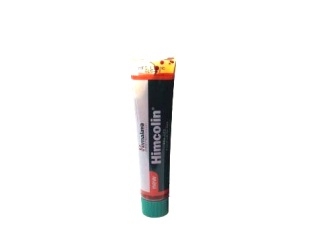
Himcolin (Australia): Patient-Friendly Product Information
Himcolin is a medicine used to help manage certain conditions related to the gastrointestinal tract. This page explains what Himcolin is, how it works, how it is typically taken, safety information, and practical tips for best results—written in clear, patient-friendly language for people in Australia.
Important: Product availability, brand formulations, and the specific active ingredient(s) can vary. Always check the label on your pack and the consumer medicine information (CMI) provided with your product. If you have questions about whether Himcolin is right for you, speak with a pharmacist or doctor.
Basic product information
| Category | Details |
|---|---|
| Medicine name | Himcolin |
| Therapeutic area | Gastrointestinal condition management (exact indication depends on formulation) |
| How it’s commonly used | Oral dosing; the specific dose and schedule depends on the condition and formulation |
| Who it may suit | Adults and older adolescents in line with local product directions and clinical advice |
Active ingredient(s): Himcolin products may contain specific compounds intended to influence digestive function. To confirm the exact active ingredient(s) and strength in your product, refer to the box and label or the CMI that comes with your purchase.
How Himcolin works (mechanism of action)
Himcolin is designed to support the body’s digestive processes. Depending on the formulation, it may work by:
- Reducing gastrointestinal irritation and helping improve comfort.
- Supporting normal gut motility (movement of the digestive tract) where relevant to the prescribed/indicated condition.
- Helping manage symptoms related to digestive imbalance such as bloating, discomfort, reflux-like symptoms, or other gut-related symptoms—depending on the indication for your product.
Key idea: The goal is usually to help relieve symptoms and improve overall digestive function rather than providing instant relief in every case.
Pharmacokinetics (how the body handles Himcolin)
“Pharmacokinetics” describes what the body does to a medicine: absorption, distribution, metabolism, and excretion. While exact values can vary by formulation, the following general principles apply to many oral gastrointestinal medicines.
- Absorption: Oral absorption typically occurs after taking the dose, with effects beginning within a short period in many users.
- Onset of action: Some symptom improvement may be noticeable within the first hours, while full benefits can take several days depending on the condition.
- Distribution: The medicine reaches relevant tissues through the bloodstream.
- Metabolism: Many medicines are processed in the liver into active or inactive metabolites.
- Elimination: Metabolites and unchanged drug are removed mainly via renal (urine) pathways and/or the bile/intestine route depending on the specific formulation.
What this means for you: If you’re not feeling better quickly, it doesn’t always mean the medicine will not work. Many GI-related conditions respond progressively as treatment continues and symptoms settle.
What Himcolin is used for (indications)
Indications may vary by formulation. In general, Himcolin is used for digestive-related complaints where regulation of gastrointestinal function is desired.
Common reasons a person might use Himcolin include:
- Symptoms related to gastrointestinal discomfort (for example, persistent digestive discomfort, bloating, or related symptoms)
- Support of treatment plans for conditions where digestive comfort and gut function are targets
- Situations where a clinician or pharmacist recommends a gastrointestinal-focused approach
Always follow the product label: The correct “why you’re taking it” is determined by the exact product formulation and the directions for that medicine.
Typical dosing and timing
Dose and schedule depend on the exact product and your personal clinical situation. The information below is general guidance and should be aligned with the label instructions and your healthcare professional’s advice.
How to take Himcolin
- Take exactly as directed on the package or by your pharmacist/doctor.
- Swallow tablets whole with water (if your formulation is a tablet).
- If you’re using a liquid or different form, measure carefully with a proper dosing device.
Typical timing
Many people take gastrointestinal medicines at specific times to maximise effect and reduce side effects. Common approaches include:
- Before meals if your product instructions say so—often to help with symptoms that occur around eating.
- With meals if this reduces stomach upset for your formulation.
- After meals if recommended for comfort or specific symptom patterns.
If you miss a dose:
- Take it when you remember if it’s not close to the next dose.
- If it’s nearly time for your next dose, skip the missed dose.
- Do not double up unless your pharmacist or label explicitly instructs you to.
Food interactions and eating habits
Food can affect how some oral medicines are absorbed or tolerated. For Himcolin, the exact interaction depends on the formulation.
General food guidance
- Follow label directions regarding “with food” or “on an empty stomach.”
- If you experience nausea, consider taking it with a small meal or snack if permitted by the label.
- Avoid abrupt changes to diet while your symptoms are being evaluated.
Practical examples
- If your symptoms worsen after meals, your pharmacist may suggest timing the dose before eating.
- If you notice stomach irritation from taking it on an empty stomach, ask whether taking it with food is appropriate.
Seek advice if you take other medicines regularly, as combined effects can still occur even when food timing is “allowed.”
Alcohol and other medicine interactions
Alcohol
Alcohol can irritate the gastrointestinal tract and may worsen reflux-like symptoms, gastritis, and general stomach discomfort. Even when alcohol doesn’t directly “interact” with a medicine in a chemical sense, it can undermine the purpose of treatment.
- Best practice: Limit or avoid alcohol while using Himcolin, especially if you’re taking it for digestive symptoms.
- If you choose to drink, do so moderately and see how your symptoms respond.
Interactions with other medicines
Some medicines can affect absorption, liver metabolism, or gut motility. Himcolin may interact with other treatments depending on the exact active ingredient and your medical history.
It’s particularly important to tell a pharmacist if you take:
- Acid-reducing medicines (such as proton pump inhibitors or H2 blockers)
- Antacids and other GI products
- Antibiotics and medicines that require consistent absorption
- Anticoagulants (blood thinners)
- Other medicines for nausea, reflux, or gut motility
Tip: Keep a written list of all medications, supplements, and herbal products you use. Provide it to your pharmacist for a quick interaction check.
Safety profile and side effects
Like all medicines, Himcolin can cause side effects in some people. Most are mild and improve as your body adjusts. Serious side effects are uncommon, but you should know what to watch for.
Common or mild side effects
- Stomach upset or nausea
- Bloating or changes in bowel habits
- Headache or dizziness (less commonly)
Less common side effects
- Skin rash or itching
- Unusual tiredness
- Changes in appetite
Seek urgent medical attention if you notice
- Swelling of the face, lips, tongue, or throat
- Difficulty breathing or wheezing
- Severe rash or blistering skin
- Persistent vomiting or severe abdominal pain
- Black/tarry stools or vomiting blood
Who should be extra cautious
Check with a healthcare professional before using Himcolin if you have:
- Known allergy to any ingredients in the product
- Significant liver or kidney impairment
- Severe or worsening gastrointestinal symptoms
- Pregnancy or breastfeeding (safety guidance should be individualised)
Always read the CMI that comes with your specific pack for ingredient-specific safety information.
Practical use tips for best results
These tips can help you get the most from Himcolin and improve comfort during treatment.
- Be consistent: Take doses at the same times each day if you’re on a regular schedule.
- Track symptoms: Note when symptoms occur (for example, before meals, after meals, at night). This can help fine-tune timing.
- Use supportive lifestyle measures: Smaller meals, slower eating, and avoiding large late-night meals may help digestive symptoms.
- Stay hydrated: Adequate fluid intake supports overall gut health.
- Avoid triggers: Common triggers include very spicy foods, high-fat meals, caffeine, and alcohol.
- Don’t ignore red flags: If symptoms worsen, or you have weight loss, bleeding, difficulty swallowing, or persistent vomiting, seek medical assessment promptly.
Alternative options
If Himcolin isn’t suitable or isn’t providing the relief you need, there may be alternative treatments depending on the exact diagnosis and symptoms. Alternatives may include:
- Acid-reducing therapies (for reflux/heartburn-related symptoms)
- Antacids for short-term relief
- Prokinetic or motility-focused options for certain gut movement issues
- Dietary and lifestyle approaches such as low-FODMAP trials under guidance, meal adjustments, and trigger avoidance
- Physiotherapy or psychological support in functional GI conditions (where appropriate)
Choosing an alternative: The best option depends on whether your symptoms relate to acid reflux, infection, inflammation, constipation, IBS-type patterns, or another cause. A pharmacist can help you compare OTC options and determine whether you need further assessment.
Market and legal context in Australia
In Australia, medicines are regulated by the TGA (Therapeutic Goods Administration). Medicines may be listed on the Australian Register of Therapeutic Goods (ARTG) or be exempt depending on their classification.
Online pharmacies may sell medicines according to their legal supply classification and the platform’s compliance requirements. Product availability can depend on stock, regulatory status, and the specific pack strength and form.
For consumers: When buying online, choose a reputable pharmacy that provides:
- Clear product identification (name, strength, form)
- Accurate dosing instructions
- Access to appropriate consumer information
- Secure checkout and delivery details
- Contact methods for pharmacist support
Recent guidance and best-practice considerations
While guidance can change, common recent best-practice themes in Australia for gastrointestinal symptom management include:
- Reviewing long-term use of symptom-relief medicines and checking whether the underlying cause has been identified.
- Checking drug interactions when multiple medicines are used together for GI symptoms.
- Encouraging earlier clinical assessment if “alarm features” appear (bleeding, weight loss, difficulty swallowing, persistent vomiting, anaemia symptoms).
- Supporting non-drug strategies such as meal timing adjustments, trigger reduction, and appropriate dietary habits.
If your symptoms persist beyond the timeframe recommended on your product label, consult a pharmacist or doctor for further evaluation.
Delivery, availability, and ordering in Australia
Availability of Himcolin depends on the specific strength and formulation, as well as local distribution. Many online pharmacies in Australia can provide delivery to eligible areas within Australia.
What you can expect when ordering online
- Packaging: Medicines are dispatched in sealed packaging with clear labelling.
- Delivery times: Delivery timeframes vary by suburb/region and the courier used.
- Tracking: Some orders include tracking updates.
- Stock status: If supply is limited, the pharmacy may provide a restock estimate or alternatives.
Storage: Keep medicines in a cool, dry place away from direct sunlight and out of reach of children, unless the label specifies otherwise.
FAQ: Himcolin
1) What is Himcolin used for?
Himcolin is used to help manage certain gastrointestinal-related symptoms and conditions, depending on the exact product formulation. Check your package label/CMI for the specific approved indication for your particular pack.
2) How quickly will Himcolin work?
Some people notice symptom improvement within hours, but for many GI conditions it may take several days to feel the full benefit. If you don’t notice any improvement after the timeframe on the label, speak to a pharmacist or doctor.
3) Should I take Himcolin before or after food?
That depends on the instructions for your specific product. Follow the label guidance. If your label doesn’t specify clearly, ask a pharmacist. If you feel nauseated, consult a pharmacist about whether food timing changes are appropriate.
4) Can I take Himcolin with other medicines?
Some medicine combinations can change absorption or increase side effects. Tell your pharmacist about all medicines and supplements you use so they can advise on safe spacing and interaction risk.
5) Is it safe to drink alcohol while taking Himcolin?
Alcohol can worsen digestive symptoms for many people. It’s generally best to limit or avoid alcohol while using Himcolin, especially if your symptoms include reflux, stomach irritation, or gastritis-like discomfort.
6) What should I do if I miss a dose?
Take it when you remember if you still have plenty of time before the next dose. If it’s close to your next scheduled dose, skip the missed dose. Do not double up unless the label or a pharmacist advises otherwise.
7) What side effects are common?
Common side effects can include mild stomach upset, nausea, or changes in bowel habits. If side effects are severe, persistent, or concerning, seek advice promptly.
8) When should I stop and get medical help?
Seek urgent help if you develop signs of an allergic reaction (swelling, breathing difficulty, severe rash), severe abdominal pain, persistent vomiting, or bleeding-related symptoms (such as black/tarry stools or vomiting blood).
9) Can Himcolin be used long-term?
Whether you can use it long-term depends on the underlying condition and the product directions. If you need treatment beyond the recommended period, speak with a pharmacist or doctor to reassess the cause and suitability.
10) Are there alternatives to Himcolin?
Yes. Alternatives depend on what symptoms you’re treating. Options may include other GI symptom-relief medicines, acid management strategies, and lifestyle approaches. A pharmacist can help you compare options based on your needs.
Need help choosing? If you’re unsure which option is best for your symptoms, contact a pharmacist through the online pharmacy. They can assist with safe use, dosing timing, and interaction checks based on your circumstances.