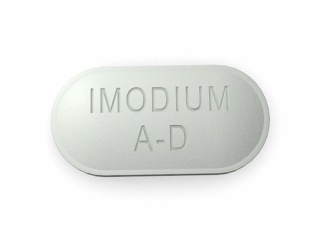


Imodium (Loperamide) — Patient Information (Australia)
Imodium contains loperamide, an anti-diarrhoeal medicine used to help control diarrhoea. It works by slowing down gut movement so your body can absorb more water and make stools firmer.
This guide explains how Imodium works, when it’s used, how to take it safely, and what to know about interactions and precautions—tailored for use in Australia.
Quick product overview
| Product | Imodium (Loperamide) |
|---|---|
| Active ingredient | Loperamide hydrochloride |
| Common purpose | Symptomatic relief of diarrhoea |
| How it works | Slows intestinal movement and increases stool consistency |
| Availability in Australia | Typically available as an over-the-counter medicine (follow local pharmacy directions and label) |
| Forms | Often tablets/capsules and/or liquid preparations (availability may vary by brand/strength) |
How Imodium works (mechanism of action)
Loperamide is an opioid-receptor active drug that works mainly within the gut. It binds to opioid receptors in the intestinal wall, leading to:
- Reduced bowel motility (slower movement of contents through the intestines)
- Increased water and electrolyte absorption from the intestinal lumen
- Less urgency and decreased frequency of bowel movements
- Improved stool consistency
Importantly, Imodium is intended for symptom control. It does not treat the underlying cause of diarrhoea (for example, infection), so hydration and addressing the cause remain important.
Pharmacokinetics (how the body handles loperamide)
Understanding how loperamide is processed in the body can help explain safety considerations.
- Absorption: Loperamide is absorbed from the gastrointestinal tract.
- Metabolism: It is extensively metabolised in the liver.
- Distribution: It largely acts in the gut and has limited penetration into the brain under normal dosing.
- Elimination: Metabolites are excreted mainly via faeces and urine.
- Onset of effect: Many people notice improvement within a few hours of taking a dose (individual responses vary).
Safety note: Taking more than the recommended dose can increase the risk of serious side effects, including effects on heart rhythm. Use only the dose on the label or as advised by your pharmacist/doctor.
What Imodium is used for (typical use)
Imodium is used to relieve acute diarrhoea in adults and older children (depending on formulation and local product guidance), including diarrhoea caused by:
- Dietary changes or mild digestive upset
- Short-term stress-related diarrhoea
- “Run-of-the-mill” acute diarrhoea without warning signs
It may also be used as directed by a clinician for certain types of chronic diarrhoea in some cases. However, for most people, the focus is on short-term symptom relief.
Do not use Imodium to treat suspected infectious diarrhoea with red flags (see “When not to use” below).
Timing and how to take it
Typical adult approach: Start dosing as per the product label. Many regimens begin with a higher initial dose, then followed by smaller doses after each loose stool, up to a maximum daily limit.
Best timing:
- Take the first dose when diarrhoea begins (or when you notice frequent loose stools).
- Follow subsequent dosing instructions after each loose stool, not “just in case.”
- Drink fluids regularly, especially if you are having frequent bowel motions.
How long to use: If symptoms do not improve within a short period (commonly 48 hours for acute diarrhoea, depending on label directions), stop and seek medical advice.
Missed dose: If you miss a dose, take it only if you still have diarrhoea and within the label instructions. Do not take extra to “catch up.”
Food interactions and lifestyle considerations
For most people, Imodium can be taken with or without food. However, there are practical considerations:
- Hydration is more important than timing. If you’re dehydrated, focus on rehydration solutions and fluids.
- Avoid heavy, greasy, or very spicy foods during diarrhoea. Bland foods may be better tolerated.
- Electrolytes matter. Use oral rehydration solutions (ORS) if diarrhoea is significant.
If you have conditions such as inflammatory bowel disease or have had recent abdominal surgery, consult a pharmacist before using an anti-diarrhoeal.
Alcohol and medicine interactions
Alcohol
Alcohol can worsen diarrhoea and dehydration. It may also increase side effects such as dizziness or drowsiness, depending on how your body responds and other medications you’re taking. For best results, avoid or limit alcohol while you are unwell with diarrhoea.
Other medicines (important interaction considerations)
Loperamide’s effects can be influenced by other drugs, particularly those that affect liver metabolism (CYP enzymes) or drug transport proteins. This can increase loperamide levels and raise the risk of serious adverse effects.
Tell your pharmacist if you take any of the following:
- Anti-fungal medicines (some types can raise loperamide levels)
- Some antibiotics used for certain infections
- HIV medicines
- Medications that affect heart rhythm or cause QT prolongation
- Other medicines that slow gut movement
- Medications that cause constipation (increases risk of bowel complications)
Do not combine Imodium with other anti-diarrhoeal products unless a clinician or pharmacist specifically advises it.
Important: Always follow the maximum daily dose on the packaging. Overuse can be dangerous.
Indications and when Imodium may be appropriate
Imodium is generally indicated for the symptomatic treatment of diarrhoea in people who:
- Have acute diarrhoea without signs of invasive infection
- Need temporary relief from urgency and frequent loose stools
- Are able to maintain hydration
Not for everyone: Certain diarrhoea conditions should not be treated with loperamide due to the risk of worsening the illness.
When not to use Imodium (important safety exclusions)
Do not use loperamide if you have diarrhoea with any of the following:
- Blood in stool or black/tarry stool (unless a clinician advises otherwise)
- High fever (for example, fever with diarrhoea)
- Severe abdominal pain or bloating
- Suspicion of dysentery or invasive bacterial infection
- Ulcerative colitis flare or severe colitis symptoms
- Pseudomembranous colitis (including after antibiotics) unless specifically directed
If you suspect serious infection or dehydration, seek medical advice or urgent care rather than relying only on an anti-diarrhoeal.
Dosing (adults and older children)
Always check your specific product label for the correct strength and dosing instructions (tablets vs liquid can differ).
General adult dosing pattern:
- An initial dose is typically taken when diarrhoea starts.
- Subsequent doses are often taken after each loose stool.
- There is usually a maximum daily dose.
Older children:
- Dosing for children depends on age and product strength. Use only the paediatric directions on the label or as advised by a pharmacist.
- Children are at higher risk of dehydration; seek advice if symptoms are severe.
Maximum daily limit:
Do not exceed the maximum dose stated on the packaging. Overdosing can cause serious heart problems and other harmful effects.
If you’re unsure: Ask a pharmacist which regimen is appropriate for your product and age.
Safety profile (side effects and what to watch for)
Like all medicines, Imodium can cause side effects. Many people experience none or only mild effects.
Common side effects
- Constipation or reduced bowel movements
- Stomach cramps or bloating
- Nausea
- Dizziness (uncommon but possible)
Serious side effects (seek urgent medical help)
Seek urgent medical advice if you develop:
- Severe abdominal pain or significant swelling
- Blood in stool or persistent fever
- Signs of overdose (especially if more than the recommended amount was taken)
- Fainting, severe dizziness, palpitations, or chest symptoms
Risk of misuse/overuse
Do not take more than recommended. High doses of loperamide can affect the heart’s electrical activity and may cause potentially life-threatening rhythm disturbances. This is why it’s important to:
- Use the exact dose on the label
- Not extend treatment beyond the label guidance
- Be careful with interacting medicines
Practical use tips for diarrhoea
Imodium can help, but diarrhoea is often a sign your body is trying to get rid of something. Supportive care is key.
- Rehydrate first: Use oral rehydration solution (ORS) if stools are frequent or you feel weak, light-headed, or very thirsty.
- Monitor for “red flags”: Stop and seek help if there is fever, blood in stool, severe pain, or symptoms worsen.
- Eat lightly: Bland foods (e.g., toast, rice, bananas) may be easier to tolerate.
- Hygiene matters: Wash hands well to reduce spread if infectious.
- Avoid long-term reliance: If diarrhoea persists, the cause needs assessment rather than repeated self-treatment.
Alternative options (depending on the cause)
Different diarrhoea causes may need different strategies. Your best option depends on your symptoms and risk factors.
Rehydration solutions (often essential)
- Oral rehydration solutions (ORS) help replace water and salts.
- These are especially important for children, older adults, and those with significant ongoing losses.
Probiotics
- Some people find probiotics helpful for certain types of diarrhoea (e.g., antibiotic-associated or acute infective diarrhoea), though results vary.
Other symptom relief approaches
- Diet adjustments and hydration
- Avoiding triggers such as alcohol, high-fat foods, and dairy (if it worsens symptoms)
When to consider medical advice instead of anti-diarrhoeals
- Diarrhoea lasting more than a couple of days
- Frequent watery stools causing dehydration
- Suspected food poisoning with severe symptoms
- Chronic or recurrent diarrhoea
Australia: market and legal context (why this matters)
In Australia, loperamide-containing products like Imodium are generally available as consumer medicines through pharmacies. Availability and exact product presentation (strengths/forms) can vary by brand and supplier.
Consumer medicine rules commonly include:
- Clear labelling of indications, dosing, and maximum daily amount
- Restrictions for certain age groups and for people with specific warning signs
- Pharmacist oversight to support safe use when questions arise
For the most up-to-date advice, always refer to the specific product packaging or ask your pharmacist.
Recent guidance and public health considerations
Recent years have reinforced practical guidance for safe self-care of diarrhoea, including:
- Hydration is a priority, particularly in children and older adults.
- Seek medical advice early if symptoms include fever, blood in stool, severe pain, or dehydration.
- Be cautious with anti-diarrhoeal use when infection is suspected with red-flag features.
- Avoid exceeding label dosing due to potential risks from higher-than-recommended loperamide levels.
Your pharmacist can also advise on whether an anti-diarrhoeal is appropriate for your circumstances.
Delivery and availability (Australia)
Imodium (loperamide) is widely available through Australian pharmacies and online pharmacy services. Availability of specific formulations (e.g., tablet vs liquid) may vary.
Typical online ordering and delivery details (subject to the pharmacy provider):
- Home delivery: Delivered to your nominated address in Australia.
- Dispatch timing: Often processed the same or next business day (varies by supplier and stock).
- Product packaging: Delivered in retail packaging with label instructions.
Tip: Before ordering, check the product strength and form so you can match dosing to the label directions.
FAQ
1) How quickly does Imodium work?
Many people feel improvement within a few hours. However, response varies depending on the cause of diarrhoea and how often you’ve had loose stools.
2) Can I take Imodium with food?
Yes, it can generally be taken with or without food. Focus on staying hydrated regardless of meal timing.
3) Is Imodium safe for everyone?
No. Avoid it if you have red-flag symptoms such as blood in stool, high fever, severe abdominal pain, or suspected invasive infection. Children and people with certain bowel conditions should use it only with label-appropriate dosing and professional advice if unsure.
4) How long should I use it?
Use it short-term as directed on the label. If diarrhoea does not improve quickly (often within 48 hours for acute diarrhoea, depending on product guidance), stop and seek medical advice.
5) What should I do if symptoms get worse?
If diarrhoea worsens, you develop fever, blood in stool, severe pain, or signs of dehydration, stop using Imodium and seek medical advice promptly.
6) Can I drink alcohol while taking Imodium?
It’s best to avoid alcohol while you’re unwell. Alcohol can worsen diarrhoea and dehydration and may increase risk of dizziness or other side effects.
7) What medicines should I be careful with?
Be cautious with medicines that can affect loperamide metabolism or heart rhythm. If you take any regular medicines—especially antifungals, certain antibiotics, HIV medicines, or drugs affecting heart rhythm—ask a pharmacist before use.
8) Can Imodium cause constipation?
Yes. Constipation or reduced bowel movements are common. If constipation becomes significant or you experience abdominal pain or swelling, get medical advice.
9) What if I’m dehydrated?
Diarrhoea can cause dehydration. Use oral rehydration solution and monitor symptoms such as dizziness, reduced urination, extreme thirst, or weakness—especially in children and older adults.
10) Are there alternatives to Imodium?
Alternatives include oral rehydration solutions, dietary measures, and possibly probiotics (depending on the cause). For persistent diarrhoea, the priority is determining the cause rather than repeated anti-diarrhoeal use.
Disclaimer: This information is for general guidance only. Always read the product label for your specific formulation and strength. If you have questions about suitability, dosing, or interactions, consult a pharmacist or healthcare professional.